
Mezzanine Systems: Maximize Warehouse Space with Custom Multi-Level Storage Solutions

All Categories

Get a Free Quote

Our representative will contact you soon.
Email
Name
Company Name
Message
0/1000

mezzanine systems

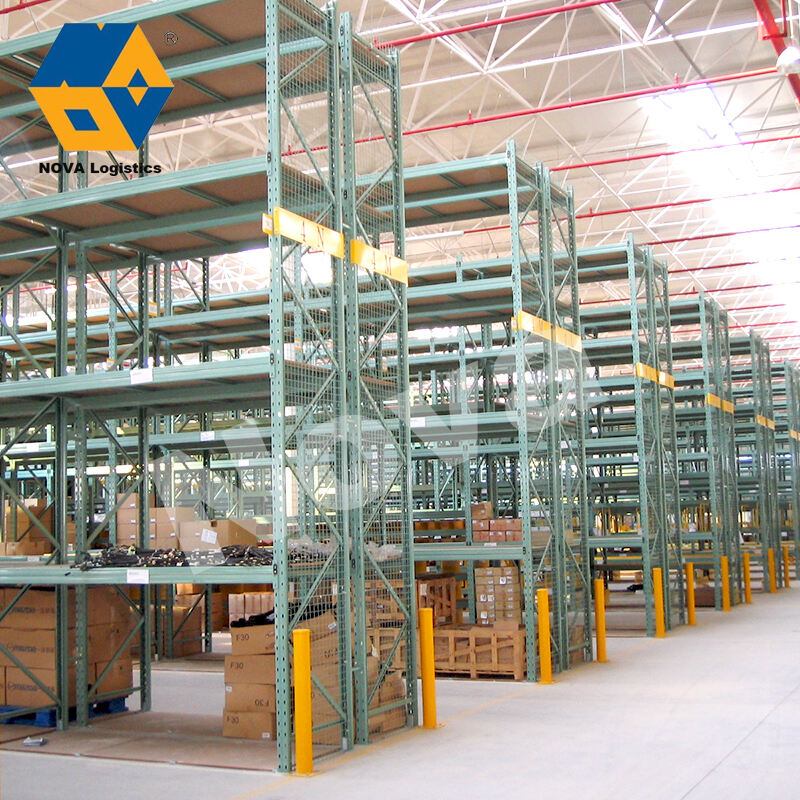
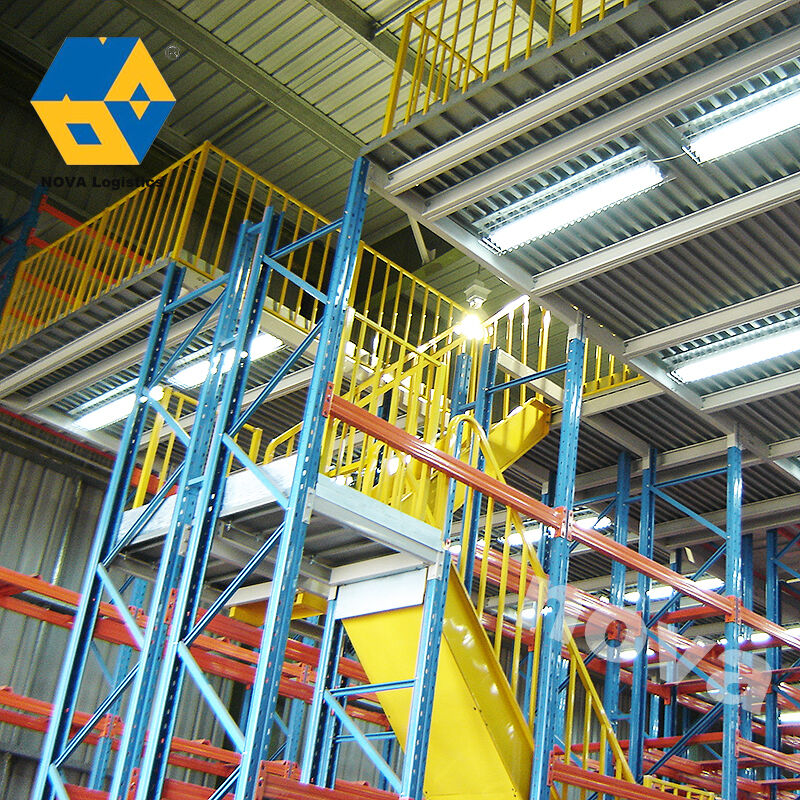
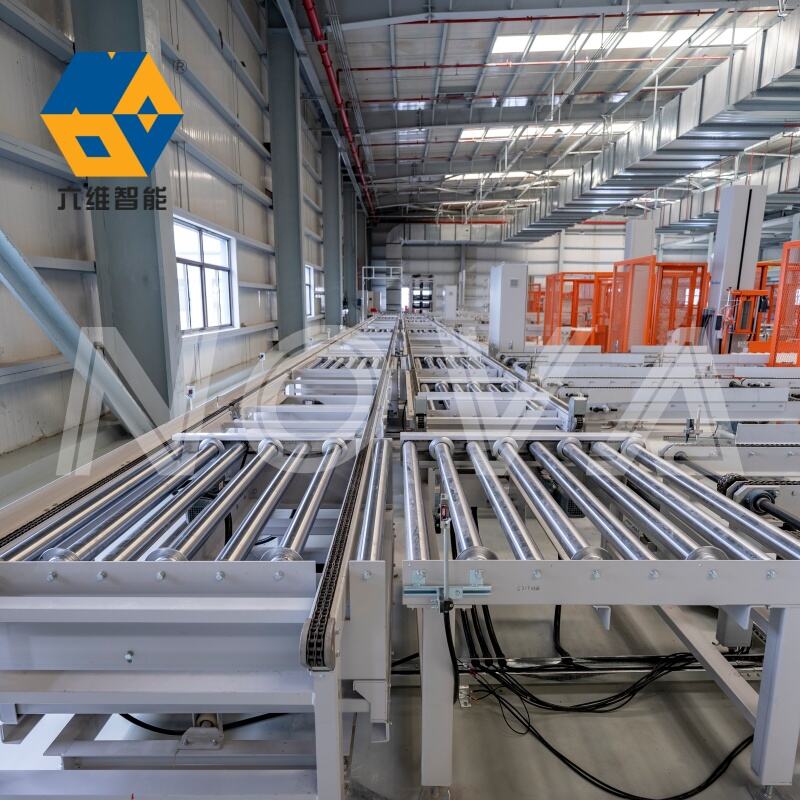
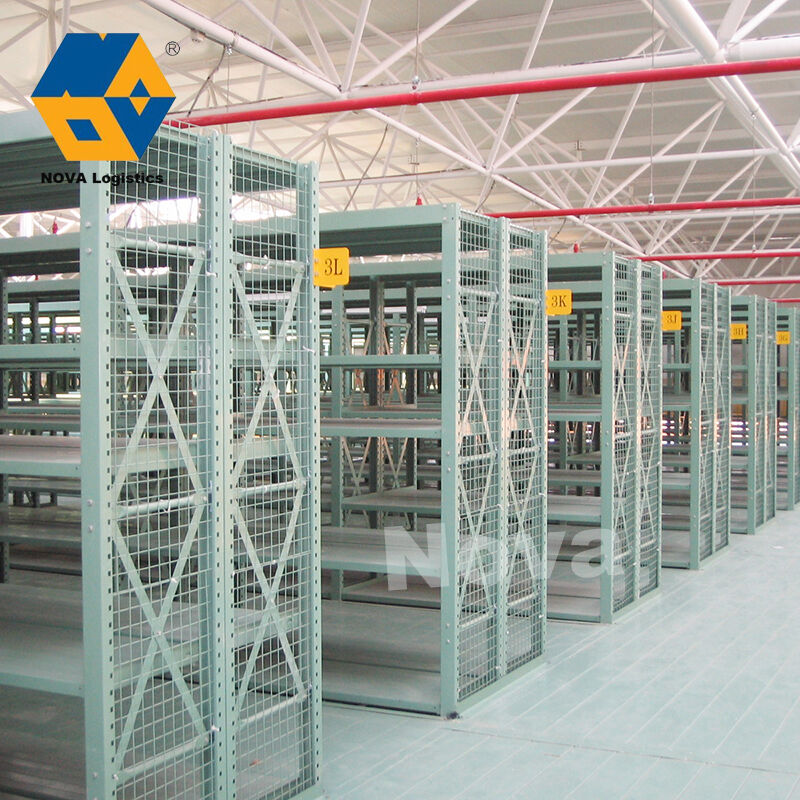
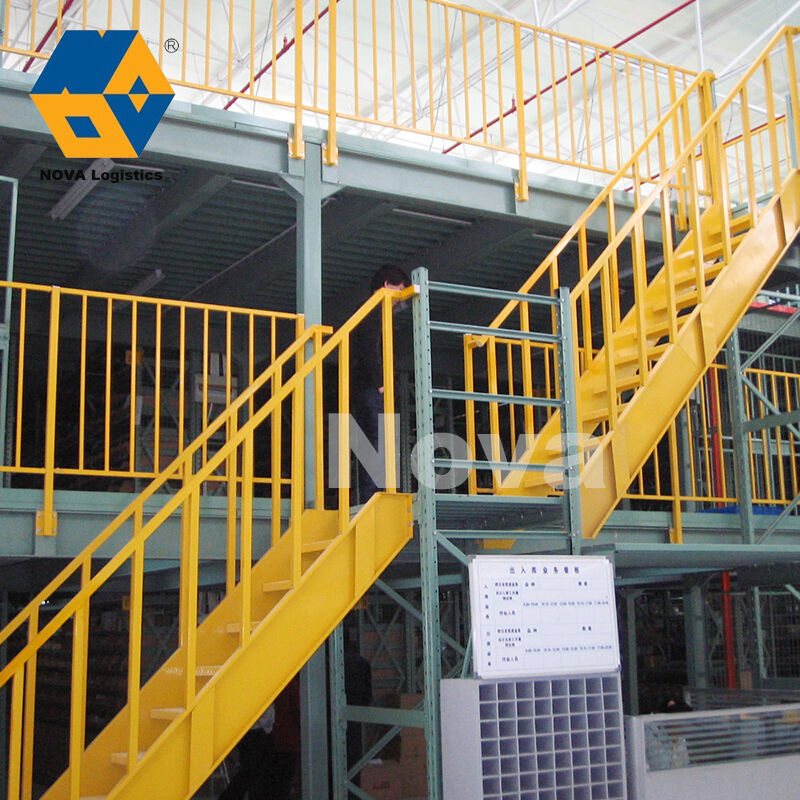
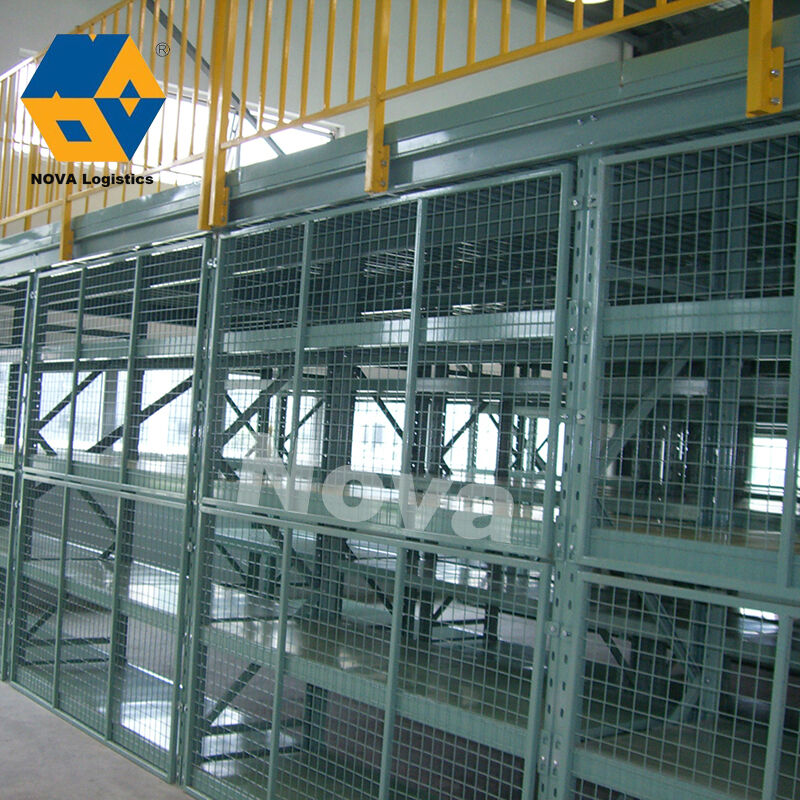
Mezzanine systems represent innovative storage solutions that maximize vertical space within warehouses, distribution centers, and manufacturing facilities. These elevated platforms create additional usable floor space by constructing intermediate levels between the ground floor and ceiling, effectively doubling or even tripling storage capacity without requiring facility expansion. The fundamental design of mezzanine systems incorporates robust structural frameworks, typically constructed from high-grade steel or engineered materials, supporting secondary floors capable of handling substantial weight loads. These structures integrate seamlessly with existing building layouts, offering customizable configurations that adapt to specific operational requirements. The main functions of mezzanine systems extend beyond simple storage expansion. They serve as multi-purpose platforms accommodating various operational activities including inventory management, order picking stations, quality control areas, office spaces, and production zones. Advanced mezzanine systems incorporate safety features such as handrails, safety gates, kick plates, and anti-slip flooring surfaces to ensure worker protection at elevated levels. Technological features distinguish modern mezzanine systems from traditional storage solutions. Many configurations include integrated material handling equipment such as conveyor systems, pallet lifts, goods elevators, and stairway access points that facilitate efficient vertical transportation of products and personnel. Modular construction methodology allows for future expansion, reconfiguration, or relocation as business needs evolve. The systems accommodate various loading capacities ranging from light-duty applications supporting 125 pounds per square foot to heavy-duty industrial configurations handling 250 pounds per square foot or more. Applications for mezzanine systems span diverse industries including e-commerce fulfillment centers, automotive parts distribution, pharmaceutical storage, retail operations, manufacturing plants, and third-party logistics providers. They prove particularly valuable in facilities facing space constraints, high real estate costs, or operational growth without the option for physical expansion. The versatility of mezzanine systems enables businesses to optimize existing infrastructure investments while maintaining operational flexibility for future adaptation.

New Product Releases

The primary advantage of mezzanine systems lies in their ability to dramatically increase usable space without the enormous expense of relocating or constructing new facilities. Businesses can effectively double their operational area by building upward rather than outward, avoiding the costly disruptions associated with moving to larger premises. This vertical expansion strategy delivers immediate return on investment by maximizing every square foot of existing real estate. The cost savings extend beyond avoiding relocation expenses, as companies eliminate the need for additional property taxes, utilities setup, and the logistical challenges of transitioning operations to new locations. Installation of mezzanine systems occurs relatively quickly compared to traditional construction projects. Most configurations can be designed, manufactured, and installed within weeks rather than months, minimizing operational disruptions. The modular nature of these systems means installation teams can work around existing operations, allowing businesses to maintain productivity throughout the implementation process. This rapid deployment enables companies to respond swiftly to growth opportunities or changing market demands without lengthy construction timelines. Flexibility represents another significant benefit that appeals to forward-thinking businesses. Mezzanine systems can be reconfigured, expanded, or even relocated as operational needs change over time. This adaptability protects capital investments by ensuring the infrastructure evolves alongside business requirements. Companies experiencing seasonal fluctuations can modify their mezzanine configurations to accommodate varying inventory levels or workflow patterns throughout the year. The removable and reusable nature of many mezzanine components means businesses can take their investment with them if they eventually relocate, preserving the value of their initial expenditure. Improved organization and operational efficiency emerge naturally from implementing mezzanine systems. By creating dedicated zones for different activities, businesses can optimize workflows, reduce travel distances for workers, and minimize handling time for materials. The elevated perspective provided by mezzanine platforms enhances supervision capabilities, allowing managers to monitor operations across broader areas. This improved visibility contributes to better quality control, enhanced safety oversight, and more effective resource allocation. Enhanced safety features integrated into modern mezzanine systems protect workers while maintaining productivity. Properly designed systems include guardrails, safety gates, adequate lighting, and clearly marked access points that reduce accident risks. The separation of activities across multiple levels can isolate potentially hazardous operations from general work areas, creating safer environments for all personnel. Better space utilization through mezzanine systems also reduces floor clutter, minimizing trip hazards and creating clearer pathways for equipment and personnel movement. The financial advantages extend to property valuation and lease considerations. Facilities equipped with well-designed mezzanine systems often command higher values and rental rates due to their enhanced functionality and capacity. For businesses leasing space, mezzanine systems can be structured as removable improvements, potentially avoiding permanent modification restrictions while still delivering substantial operational benefits throughout the lease term.

Tips And Tricks

Which Pallet Rack Designs Fit Different Warehouse Applications Best?

20

May

Which Pallet Rack Designs Fit Different Warehouse Applications Best?

Selecting the right pallet rack design is one of the most consequential decisions a warehouse manager or logistics planner can make. The wrong configuration leads to wasted vertical space, inefficient picking workflows, and even serious safety risks....
View More
Which Heavy Duty Rack Configurations Suit Different Industries?

20

May

Which Heavy Duty Rack Configurations Suit Different Industries?

Choosing the right heavy duty rack configuration is one of the most consequential decisions a warehouse manager or operations director can make. The wrong choice leads to wasted floor space, inefficient picking workflows, and safety risks that compou...
View More
How Can a Mezzanine Improve Workflow and Storage Organization?

13

Jan

How Can a Mezzanine Improve Workflow and Storage Organization?

Modern warehouses face increasing pressure to maximize storage capacity while maintaining efficient workflow operations. A warehouse mezzanine offers an innovative solution that transforms vertical space into valuable storage and operational areas. T...
View More
Why Is Automated Storage and Retrieval System Adoption Growing Globally?

05

Feb

Why Is Automated Storage and Retrieval System Adoption Growing Globally?

The global logistics landscape is experiencing a revolutionary transformation as businesses increasingly recognize the strategic importance of automated storage and retrieval system implementation. Companies across industries are embracing these soph...
View More

Get a Free Quote

Our representative will contact you soon.
Email
Name
Company Name
Message
0/1000

mezzanine systems

Maximized Storage Capacity Without Facility Expansion

Maximized Storage Capacity Without Facility Expansion

One of the most compelling features of mezzanine systems is their exceptional ability to multiply available storage and operational space within existing facility footprints. This capability addresses one of the most pressing challenges facing growing businesses today: the need for additional space in environments where horizontal expansion is either impossible or prohibitively expensive. By constructing sturdy elevated platforms that utilize previously wasted vertical space, mezzanine systems transform underutilized ceiling height into productive work areas. The engineering behind these structures ensures they can support substantial weight loads while maintaining complete safety compliance with building codes and industry regulations. Businesses implementing mezzanine systems typically achieve space utilization increases ranging from 100 to 300 percent, depending on ceiling height and specific configuration choices. This dramatic expansion occurs without altering the building's external structure or requiring permits for new construction in most cases. The value proposition becomes particularly evident in urban locations or regions with high real estate costs, where acquiring additional property or leasing larger facilities would demand substantial capital outlays. Companies can redirect those saved resources toward core business activities, inventory expansion, or workforce development instead of real estate expenses. The structural integrity of mezzanine systems supports diverse applications beyond simple storage. The upper levels can accommodate office spaces, providing managers with elevated vantage points for operations oversight while freeing ground-level space for production or storage activities. Quality control stations positioned on mezzanine platforms allow inspectors to work efficiently without consuming valuable floor space needed for high-velocity operations. The flexibility inherent in mezzanine design means businesses can create specialized zones tailored to specific functions, whether that involves climate-controlled storage areas, secure high-value product locations, or dedicated picking stations for order fulfillment operations. Modern mezzanine systems incorporate thoughtful design elements that enhance functionality beyond mere square footage gains. Integrated material handling solutions such as conveyor systems, spiral chutes, or vertical reciprocating conveyors facilitate smooth product flow between levels, eliminating bottlenecks and maintaining operational tempo. Strategic placement of access points including staircases, elevators, and loading gates ensures workers can move efficiently between levels without wasting time or energy. The result is a cohesive multi-level operation that functions as smoothly as single-floor layouts while delivering substantially greater capacity and operational flexibility for businesses positioned for growth.
Rapid Implementation with Minimal Operational Disruption

Rapid Implementation with Minimal Operational Disruption

The installation timeline for mezzanine systems represents a critical advantage for businesses that cannot afford extended downtime or operational interruptions. Unlike traditional building expansions that can take many months from planning through completion, mezzanine systems follow a streamlined implementation process that respects ongoing business operations. The journey begins with professional site assessment and custom design phases where specialists evaluate existing facility characteristics including ceiling height, floor load capacity, column placement, and operational workflow patterns. These experts create tailored solutions that integrate seamlessly with current layouts while optimizing the new vertical space for maximum utility. The engineering and manufacturing phases occur off-site in controlled production environments, ensuring precision fabrication and quality control that would be impossible with traditional on-site construction. This prefabrication approach delivers multiple benefits including consistent quality, reduced material waste, and significantly shortened installation timeframes. Components arrive at the facility ready for assembly, with most structural elements requiring only bolt-together installation rather than welding or other time-intensive joining methods. Installation teams can typically complete projects within a few weeks, depending on system complexity and size. The modular construction methodology enables phased implementation strategies where businesses can install portions of their mezzanine systems incrementally, further minimizing disruption to daily operations. This approach allows companies to continue serving customers and fulfilling orders throughout the installation process rather than shutting down entirely during construction. Workers can continue operating in unaffected areas while installation progresses in designated zones, maintaining revenue generation and customer service commitments. The absence of major construction activities such as foundation pouring, structural modifications to existing buildings, or extensive electrical and plumbing work means less dust, noise, and general disruption compared to traditional expansion projects. Businesses operating in multi-tenant buildings or facilities with neighbors in close proximity particularly appreciate this considerate installation approach. The speed and efficiency of mezzanine system implementation also translates to faster return on investment realization. Companies begin benefiting from their expanded capacity within weeks rather than waiting months or years for traditional construction projects to complete. This rapid value delivery helps businesses respond quickly to market opportunities, seasonal demand spikes, or unexpected growth that requires immediate capacity increases. The competitive advantage gained through swift adaptation can be substantial in dynamic markets where delays in scaling operations might mean lost opportunities to more agile competitors who can fulfill customer demands more promptly.
Cost-Effective Solution with Long-Term Value Retention

Cost-Effective Solution with Long-Term Value Retention

The financial advantages of mezzanine systems extend far beyond the initial installation investment, delivering sustained value throughout their operational lifespan. When businesses evaluate expansion options, the total cost of ownership becomes a critical decision factor. Mezzanine systems consistently demonstrate superior financial performance compared to alternatives such as facility relocation, new construction, or leasing additional space. The initial capital requirement for mezzanine installation typically represents a fraction of what companies would spend on building expansions or property acquisition. This lower entry cost makes growth accessible to mid-sized businesses that might otherwise struggle to afford traditional expansion methods. The absence of foundation work, exterior construction, or extensive site preparation reduces both material and labor costs substantially. Many mezzanine systems qualify for accelerated depreciation schedules, providing tax advantages that further improve the financial equation. Businesses can often expense these installations over shorter periods compared to permanent building structures, enhancing cash flow and reducing tax burdens during the crucial years following implementation. The operational cost savings achieved through mezzanine systems compound over time, creating ongoing financial benefits. By avoiding facility relocation, companies eliminate duplicate rent or mortgage payments during transition periods, moving expenses, potential customer loss during operational disruptions, and the productivity decline typically associated with workforce adaptation to new environments. Utilities costs remain relatively stable since businesses continue operating within their existing building envelope rather than expanding their heating, cooling, and lighting footprint significantly. The modular and reconfigurable nature of mezzanine systems protects the initial investment against obsolescence. As business needs evolve, these structures can be modified, expanded, or reconfigured to support new operational requirements without requiring complete replacement. This adaptability ensures the infrastructure investment remains relevant and valuable throughout multiple business cycles and strategic pivots. Companies that eventually outgrow their facilities can disassemble and relocate many mezzanine systems to new locations, carrying forward their investment rather than abandoning it as would occur with permanent structural modifications. The enhanced operational efficiency enabled by well-designed mezzanine systems generates continuous financial returns through improved productivity metrics. Reduced travel distances for workers, optimized material flow, better inventory organization, and improved space utilization all contribute to labor cost savings and throughput improvements. These operational gains translate directly to bottom-line profitability improvements that accumulate year after year. The competitive advantages gained from superior space utilization enable businesses to serve more customers, handle larger order volumes, and maintain leaner inventory management practices that reduce carrying costs. Property value considerations add another dimension to the financial benefits of mezzanine systems. Facilities equipped with professionally designed and installed mezzanine structures often command premium valuations due to their enhanced functionality and capacity. For business owners who own their properties, this improvement in asset value strengthens balance sheets and provides additional borrowing capacity for future growth initiatives.

Get a Free Quote

Our representative will contact you soon.
Email
Name
Company Name
Message
0/1000

Get a Free Quote

Our representative will contact you soon.
Email
Name
Company Name
Message
0/1000