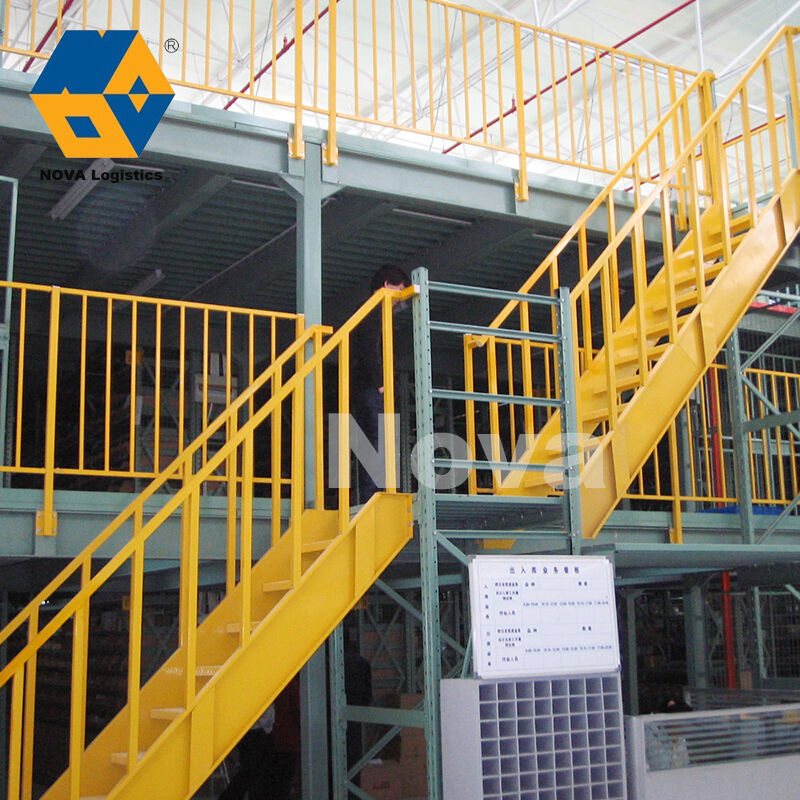
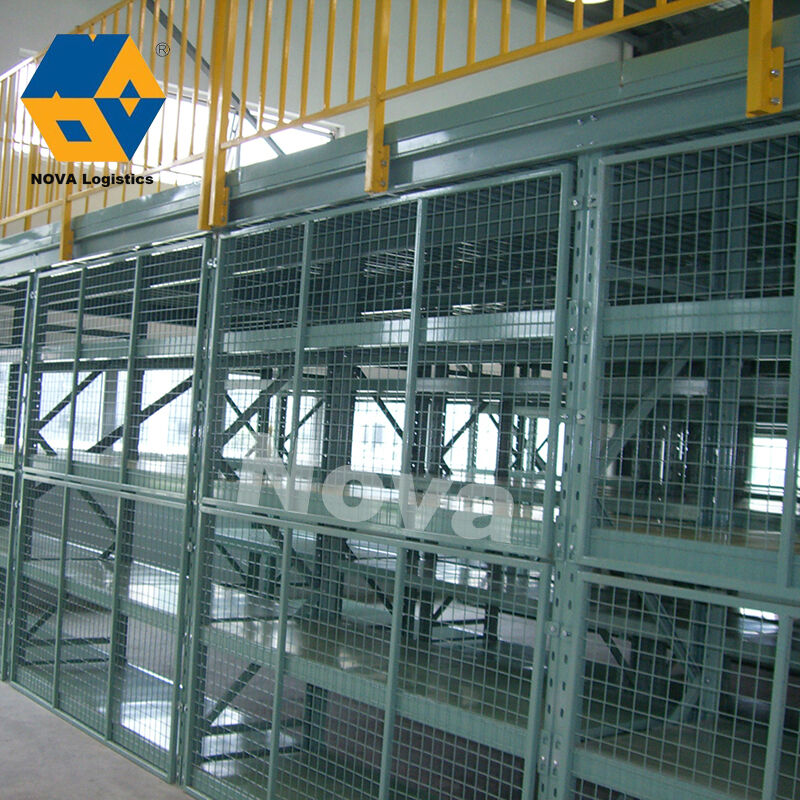
Економічно вигідне рішення з довготривалим збереженням вартості
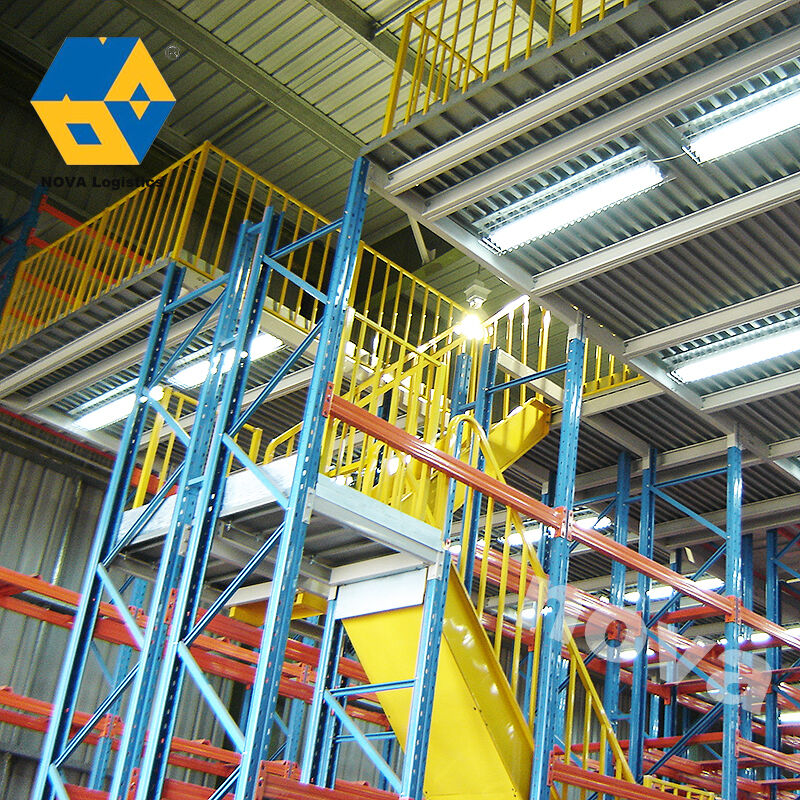
Фінансові переваги мезонінних систем виходять далеко за межі початкових інвестицій у їх монтаж, забезпечуючи стійку цінність протягом усього терміну їх експлуатації. Коли підприємства оцінюють варіанти розширення, загальна вартість володіння стає критичним чинником при прийнятті рішень. Мезонінні системи постійно демонструють кращі фінансові показники порівняно з альтернативами, такими як переїзд у нове приміщення, будівництво нової споруди або оренда додаткових площ. Початкові капіталовкладення у монтаж мезонінної системи зазвичай становлять лише частку тих коштів, які компанії витратили б на розширення будівлі або придбання нерухомості. Ця нижча вхідна вартість робить можливим ріст для середніх за розміром підприємств, які інакше могли б мати труднощі з фінансуванням традиційних методів розширення. Відсутність потреби в закладенні фундаменту, зовнішніх будівельних робіт або масштабної підготовки ділянки суттєво зменшує витрати як на матеріали, так і на робочу силу. Багато мезонінних систем мають право на прискорені графіки амортизації, що надає податкові переваги й далі покращує фінансовий розрахунок. Підприємства часто можуть списувати витрати на такі монтажі протягом коротшого періоду порівняно з постійними будівельними конструкціями, що покращує грошовий потік і зменшує податкове навантаження у критичні роки після впровадження. Експлуатаційні економії, досягнуті завдяки мезонінним системам, накопичуються з часом, забезпечуючи тривалі фінансові вигоди. Уникнувши переїзду в інше приміщення, компанії скасовують подвійні платежі за оренду або іпотеку під час перехідного періоду, витрати на переїзд, потенційну втрату клієнтів через перерви в роботі та зниження продуктивності, типове для адаптації персоналу до нових умов. Витрати на комунальні послуги залишаються відносно стабільними, оскільки підприємства продовжують працювати в межах існуючого будівельного об’єму, не збільшуючи значно площу, що потребує опалення, кондиціонування та освітлення. Модульна та реконфігурована природа мезонінних систем захищає початкові інвестиції від застаріння. Оскільки потреби бізнесу змінюються, такі конструкції можна модифікувати, розширювати або переконфігурувати, щоб задовольняти нові експлуатаційні вимоги, не вимагаючи повної заміни. Ця адаптивність забезпечує, що інвестиції в інфраструктуру залишаються актуальними й цінними протягом кількох бізнес-циклів та стратегічних змін. Компанії, які згодом виростають із своїх приміщень, можуть розібрати й перемістити багато мезонінних систем у нові локації, зберігаючи свою інвестицію замість того, щоб її відкидати, як це сталося б у разі постійних будівельних змін. Підвищена експлуатаційна ефективність, забезпечена добре спроектованими мезонінними системами, генерує постійний фінансовий прибуток за рахунок поліпшення показників продуктивності. Скорочення відстаней, які долають працівники, оптимізація руху матеріалів, покращена організація складських запасів та ефективніше використання простору — все це сприяє економії на витратах на працю та підвищенню продуктивності. Ці експлуатаційні переваги безпосередньо перетворюються на покращення прибутковості, що накопичується з року в рік. Конкурентні переваги, отримані завдяки кращому використанню простору, дозволяють підприємствам обслуговувати більше клієнтів, обробляти більші обсяги замовлень і застосовувати більш ефективні практики управління запасами, що зменшує витрати на їх утримання. Розгляд вартості нерухомості додає ще один вимір до фінансових переваг мезонінних систем. Приміщення, оснащені професійно спроектованими й встановленими мезонінними конструкціями, часто мають підвищену ринкову вартість через покращену функціональність та потужність. Для власників бізнесу, які також є власниками нерухомості, таке підвищення вартості активів зміцнює балансовий звіт і забезпечує додаткові можливості для отримання кредитів у майбутньому з метою реалізації ініціатив з росту.

 EN
EN