Mini Load Warehouse Systems: Automated Storage Solutions for Maximum Efficiency

All Categories

Get a Free Quote

Our representative will contact you soon.
Email
Name
Company Name
Message
0/1000

mini load warehouse

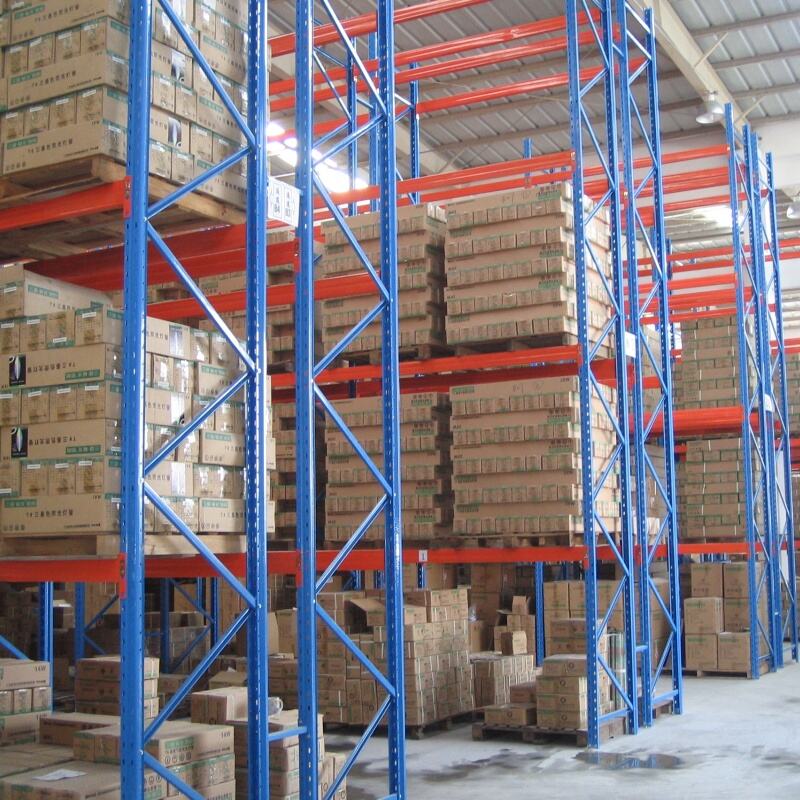
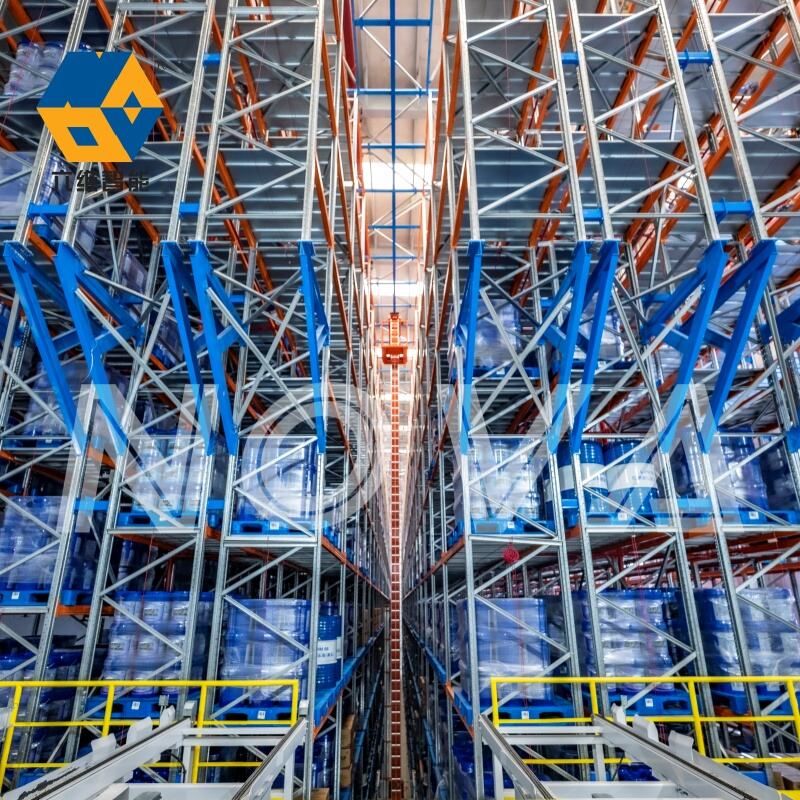
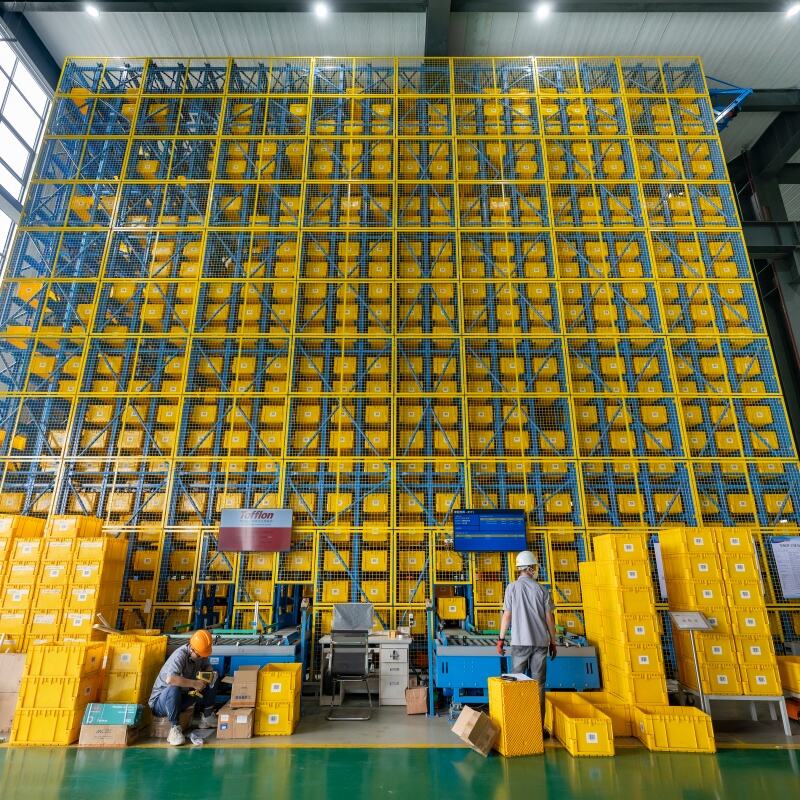
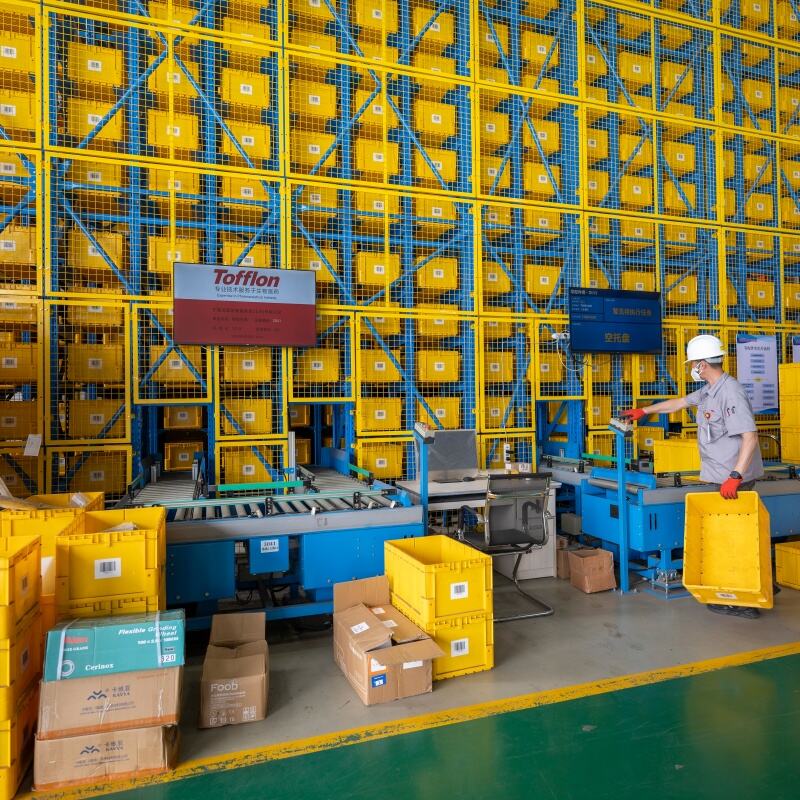
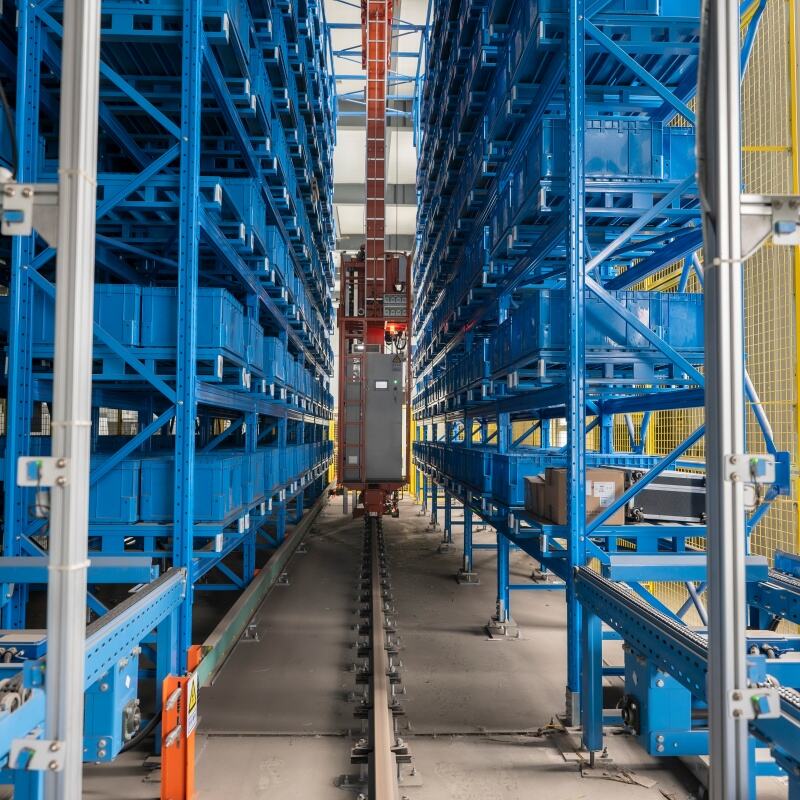
A mini load warehouse represents an advanced automated storage and retrieval system specifically designed to handle small to medium-sized items with exceptional efficiency and precision. This sophisticated solution combines cutting-edge robotics, intelligent software controls, and optimized racking structures to create a seamless storage environment that maximizes space utilization while minimizing human intervention. The mini load warehouse operates through automated stacking cranes that move along fixed aisles, retrieving and storing containers or trays containing products with remarkable speed and accuracy. The system typically handles loads ranging from 50 to 300 kilograms per container, making it ideal for industries dealing with smaller components, spare parts, electronics, pharmaceuticals, cosmetics, and e-commerce fulfillment operations. The technological infrastructure includes sensors, barcode scanners, advanced warehouse management software, and real-time inventory tracking capabilities that work together to ensure flawless operations. These systems can operate in various temperature conditions and can be customized to meet specific industry requirements, including clean room environments for sensitive products. The main functions encompass automatic storage and retrieval of goods, inventory management, order picking optimization, and seamless integration with existing enterprise resource planning systems. The mini load warehouse eliminates common warehouse challenges such as picking errors, inventory discrepancies, and inefficient space usage. By implementing vertical storage principles, these systems can achieve storage densities up to five times greater than traditional shelving methods while maintaining quick access times typically under two minutes per retrieval. The modular design allows businesses to start with a smaller configuration and expand as their operations grow, providing scalability that adapts to changing market demands and business growth trajectories without requiring complete system overhauls or significant disruption to ongoing operations.

New Products

Implementing a mini load warehouse delivers transformative benefits that directly impact your bottom line and operational capabilities. First and foremost, you gain massive space savings that can reduce your warehouse footprint by up to 85 percent compared to conventional storage methods. This dramatic reduction means you can either operate from a smaller facility with lower rental costs or use the freed space for value-adding activities like quality control stations or packaging areas. The system works around the clock without fatigue, enabling 24/7 operations that multiply your throughput capacity without proportionally increasing labor costs. Your staff no longer waste time walking long distances searching for items or climbing ladders to reach high shelves, which significantly reduces workplace injuries and associated insurance costs. The mini load warehouse delivers picking accuracy rates exceeding 99.9 percent, virtually eliminating costly shipping errors that damage customer relationships and create expensive returns processing. You gain complete real-time visibility into your inventory levels, with the system tracking every item movement and providing instant data on stock locations, quantities, and turnover rates. This transparency enables smarter purchasing decisions, prevents stockouts of critical items, and identifies slow-moving products that tie up capital. The automated system processes orders faster than manual methods, allowing you to fulfill customer orders within hours rather than days, creating competitive advantages in markets where delivery speed influences buying decisions. Energy efficiency represents another practical benefit, as modern systems incorporate LED lighting that activates only in working aisles and optimized motor controls that reduce power consumption compared to operating large warehouse spaces with constant lighting and climate control. Your business becomes more adaptable because the mini load warehouse handles seasonal volume fluctuations without hiring temporary workers or extending overtime hours for existing staff. The system maintains consistent performance whether processing ten orders or ten thousand orders daily. Product security improves dramatically since the enclosed automated structure restricts unauthorized access and the tracking system creates complete audit trails showing who accessed which items and when. Insurance providers often offer reduced premiums for facilities with automated systems due to lower theft risks and improved fire safety from reduced human presence in storage areas. You position your company for future growth because adding capacity requires only extending the existing structure rather than redesigning your entire warehouse layout or relocating to larger facilities. The mini load warehouse protects your products better than manual handling, with gentle automated movements reducing product damage rates and controlled environments preventing deterioration from temperature fluctuations or contamination.

Latest News

How Do Pallet Rack Systems Support Safer Inventory Management?

20

May

How Do Pallet Rack Systems Support Safer Inventory Management?

Warehouse safety is not a matter of chance — it is a direct result of the systems, structures, and processes that organizations put in place. Among all the variables that influence how safely a facility operates, the design and organization of storag...
View More
How Do Heavy Duty Rack Structures Improve Warehouse Safety?

20

May

How Do Heavy Duty Rack Structures Improve Warehouse Safety?

Warehouse safety is not an accidental outcome — it is the direct result of thoughtful infrastructure decisions. Among the most impactful of those decisions is the choice to invest in a properly engineered heavy duty rack system. These structures are ...
View More
What Makes Automated Storage and Retrieval Systems Ideal for Modern Warehouses?

05

Feb

What Makes Automated Storage and Retrieval Systems Ideal for Modern Warehouses?

Modern warehouses face unprecedented challenges in managing inventory efficiently while meeting growing customer demands for faster delivery times. The implementation of an automated storage and retrieval system represents a transformative solution t...
View More
Why Is Automated Storage and Retrieval System Adoption Growing Globally?

05

Feb

Why Is Automated Storage and Retrieval System Adoption Growing Globally?

The global logistics landscape is experiencing a revolutionary transformation as businesses increasingly recognize the strategic importance of automated storage and retrieval system implementation. Companies across industries are embracing these soph...
View More

Get a Free Quote

Our representative will contact you soon.
Email
Name
Company Name
Message
0/1000

mini load warehouse

Revolutionary Space Optimization That Transforms Facility Economics

Revolutionary Space Optimization That Transforms Facility Economics

The mini load warehouse fundamentally reimagines how you utilize vertical space within your facility, delivering storage density improvements that seem almost impossible until you witness them firsthand. Traditional warehouses waste enormous amounts of space through wide aisles needed for forklifts, low ceiling utilization, and inefficient shelving layouts that leave gaps between products. The mini load warehouse eliminates these inefficiencies through precision engineering that maximizes every cubic meter of available space. The system builds upward rather than outward, with structures reaching heights of 12 meters or more while maintaining narrow aisles of just 1.5 meters that accommodate the automated cranes moving along fixed rails. This vertical approach means a mini load warehouse occupying 500 square meters of floor space can provide equivalent storage capacity to a traditional warehouse of 2,500 square meters or larger. The financial implications extend far beyond simple space calculations. Real estate costs in industrial areas continue rising globally, making every square meter of warehouse space increasingly expensive whether you own or lease your facility. By implementing a mini load warehouse, you either dramatically reduce your facility size requirements and associated costs, or you accommodate business growth without the capital expense and operational disruption of relocating to larger premises. The system also optimizes storage within each container or tray through intelligent slotting algorithms that analyze product dimensions and movement patterns, ensuring fast-moving items occupy easily accessible positions while slower items utilize less premium locations. Temperature control costs decrease substantially because you only climate-control the actual storage volume rather than vast open warehouse floors, and the enclosed structure maintains more consistent conditions with less energy input. The space efficiency creates cascading benefits throughout your operation, reducing the distance your staff must travel when interacting with the system, lowering cleaning and maintenance requirements for the smaller footprint, and decreasing property taxes based on facility size. For businesses operating in expensive urban locations close to customers for rapid delivery, the mini load warehouse makes economically viable what would otherwise require prohibitively expensive large facilities or distant locations that compromise delivery speed. The modular expandability means your initial investment remains protected as you grow, adding storage capacity incrementally by extending the racking structure and adding cranes rather than abandoning your system for a completely new facility.
Unmatched Operational Speed and Accuracy That Elevates Customer Satisfaction

Unmatched Operational Speed and Accuracy That Elevates Customer Satisfaction

The mini load warehouse operates with a combination of speed and precision that manual operations simply cannot match, transforming your ability to meet customer expectations in markets where delivery speed and order accuracy determine competitive success. The automated stacking cranes travel at speeds up to four meters per second horizontally and two meters per second vertically, reaching any storage location within the system in under 90 seconds regardless of its position. This consistent retrieval time contrasts sharply with manual operations where access time varies dramatically depending on whether items sit at ground level near the entrance or on high shelves in distant corners. The system processes multiple orders simultaneously through intelligent batching algorithms that optimize crane movements, retrieving items for several orders during a single trip through the aisles rather than making separate journeys for each order. During peak periods like seasonal sales events or end-of-month rushes, the mini load warehouse maintains the same performance level without slowdowns, processing hundreds of order lines per hour with unwavering consistency. The accuracy advantages prove equally compelling, with barcode scanning and position verification at every step ensuring the correct item reaches the picking station every time. Human pickers working under time pressure inevitably make mistakes, grabbing similar-looking products or misreading location codes, errors that create customer complaints, return shipping costs, and potential safety issues if wrong pharmaceutical products or critical components ship to customers. The mini load warehouse eliminates these costly mistakes through automated verification that confirms item identity before releasing it from the system. Your warehouse management software maintains perfect synchronization between physical inventory and system records, updating stock levels instantly as items move in or out and flagging discrepancies immediately rather than discovering them during annual physical counts. This real-time accuracy enables reliable promise dates when customers place orders, building trust through consistent delivery performance rather than disappointing customers with backorder notifications for items your system incorrectly showed as available. The speed and accuracy combination allows you to offer same-day or next-day delivery services that create competitive differentiation, capturing customers who prioritize fast fulfillment and building loyalty through reliable performance. Your customer service team spends less time handling complaints about wrong shipments or delayed orders, redirecting their efforts toward growth activities like proactive outreach and relationship building. The operational consistency also simplifies workforce management because performance remains stable regardless of which staff members are working, eliminating the variability that occurs with manual operations where experienced workers significantly outperform newer employees.
Intelligent Integration and Scalability That Future-Proofs Your Investment

Intelligent Integration and Scalability That Future-Proofs Your Investment

The mini load warehouse functions as an intelligent system that seamlessly connects with your broader business technology infrastructure while providing the flexibility to evolve alongside your changing business needs without obsoleting your initial investment. Modern systems incorporate sophisticated warehouse management software that communicates bidirectionally with your enterprise resource planning system, e-commerce platform, order management system, and shipping software, creating an integrated data flow that eliminates manual data entry and the errors it introduces. When a customer places an order through your website, the information flows automatically to the mini load warehouse, which immediately allocates inventory, optimizes the picking sequence, and initiates retrieval operations without human intervention. This integration extends to inventory replenishment, with the system monitoring stock levels continuously and generating purchase orders or manufacturing requests when quantities fall below predetermined thresholds customized for each product based on lead times and consumption patterns. The software incorporates machine learning capabilities that analyze historical data to identify trends, predict future demand patterns, and recommend optimal stocking levels that balance inventory carrying costs against stockout risks. You gain actionable insights through comprehensive reporting dashboards that visualize key performance indicators like inventory turnover rates, order cycle times, storage utilization percentages, and system efficiency metrics, enabling data-driven decisions about inventory investments and operational improvements. The mini load warehouse adapts to your business growth through modular expandability that protects your initial investment while accommodating increased volumes or expanded product ranges. Adding capacity requires extending the racking structure and installing additional cranes within the existing framework rather than replacing the entire system, allowing you to scale incrementally as revenue grows rather than making large speculative investments based on optimistic projections. The system accommodates product diversity through configurable container sizes and adjustable compartments that handle everything from tiny electronic components to bulkier items within the same structure, providing flexibility as your product mix evolves in response to market opportunities. Technology upgrades follow a similar path, with software updates enhancing functionality without requiring hardware replacement and control systems designed for backward compatibility that preserves your investment through multiple upgrade cycles. The mini load warehouse supports various operating modes that match different business models, whether you run a distribution center shipping full cases to retailers, an e-commerce fulfillment operation picking individual items for consumer orders, or a manufacturing support function supplying production lines with components. This versatility means the system remains valuable even if your business model pivots, avoiding the stranded investments that occur when specialized equipment becomes irrelevant due to strategic changes. The open architecture approach adopted by leading manufacturers ensures you avoid vendor lock-in, with standard communication protocols allowing integration with best-of-breed software applications rather than forcing you to use proprietary systems with limited capabilities.

Get a Free Quote

Our representative will contact you soon.
Email
Name
Company Name
Message
0/1000

Get a Free Quote

Our representative will contact you soon.
Email
Name
Company Name
Message
0/1000