Pallet Racking System Warehouse Solutions: Maximize Storage Capacity and Operational Efficiency

All Categories

Get a Free Quote

Our representative will contact you soon.
Email
Name
Company Name
Message
0/1000

pallet racking system warehouse

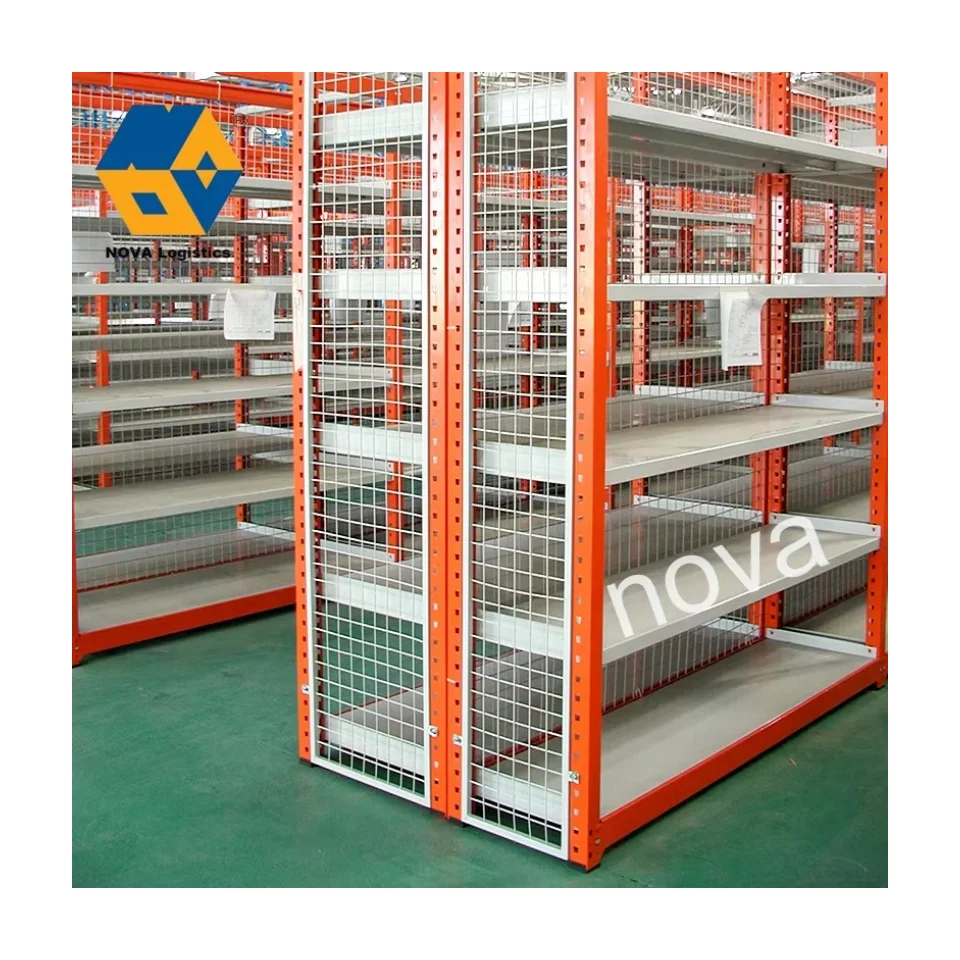
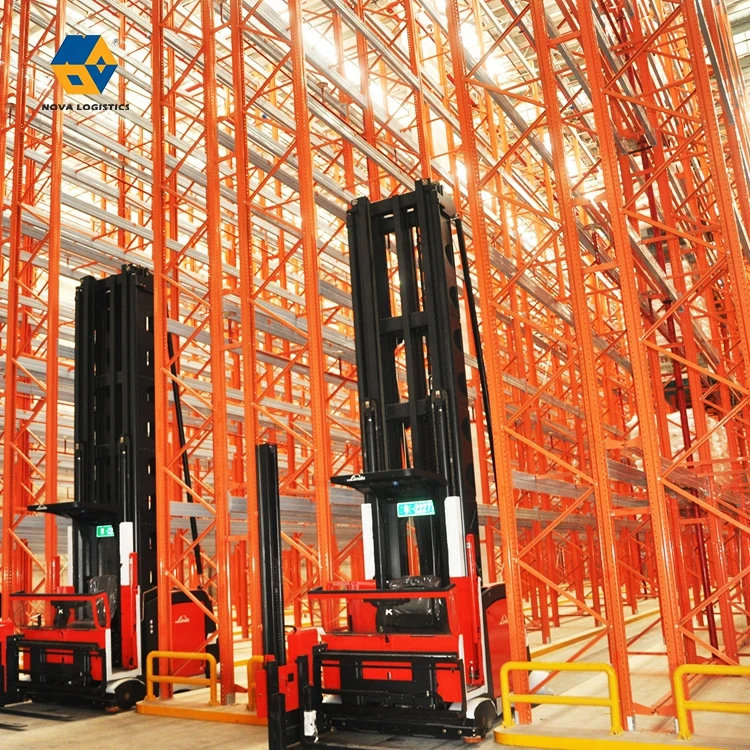
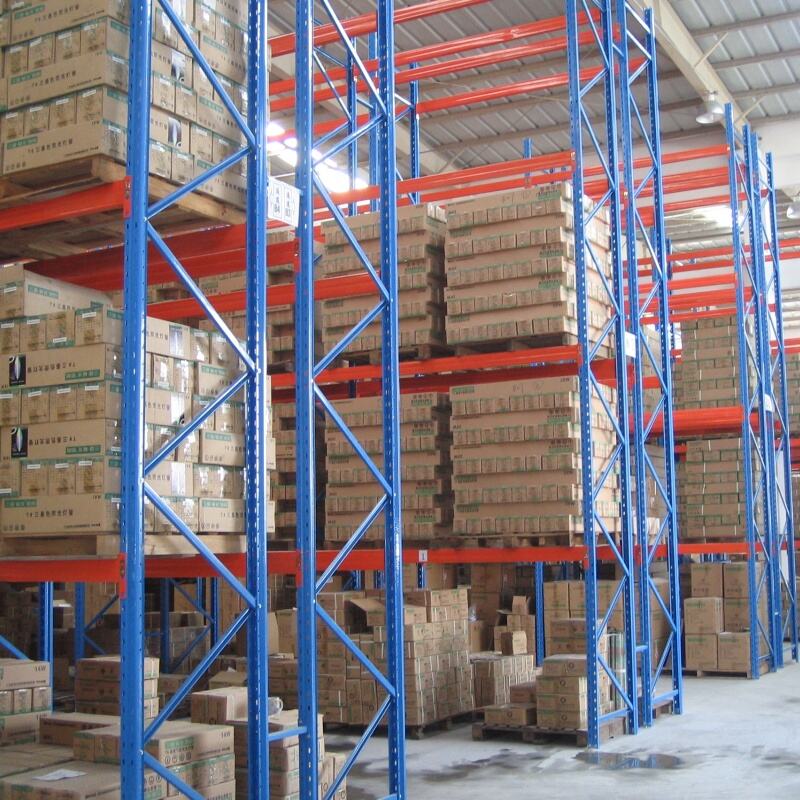
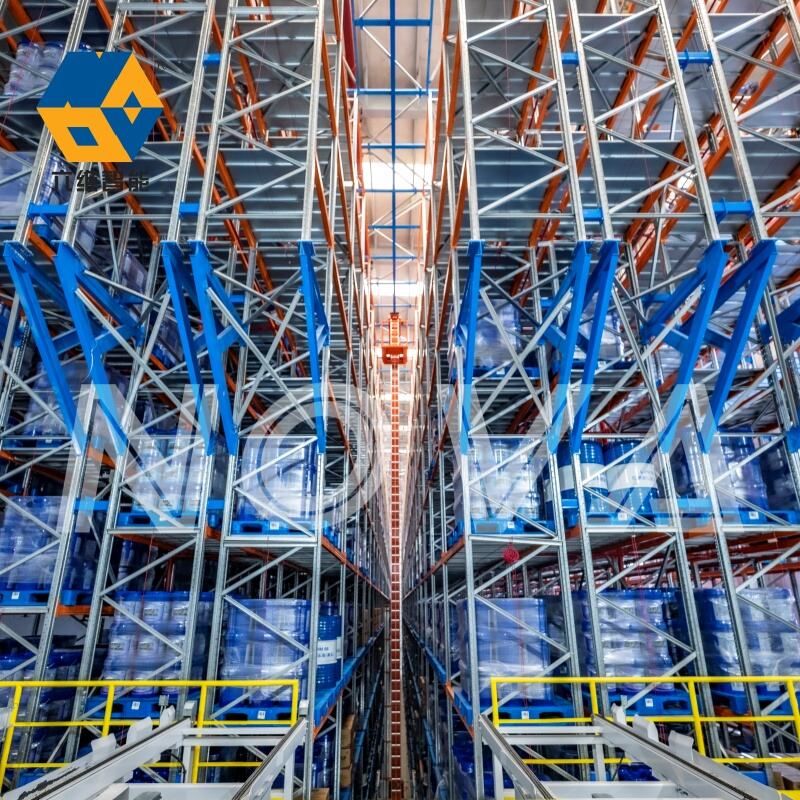
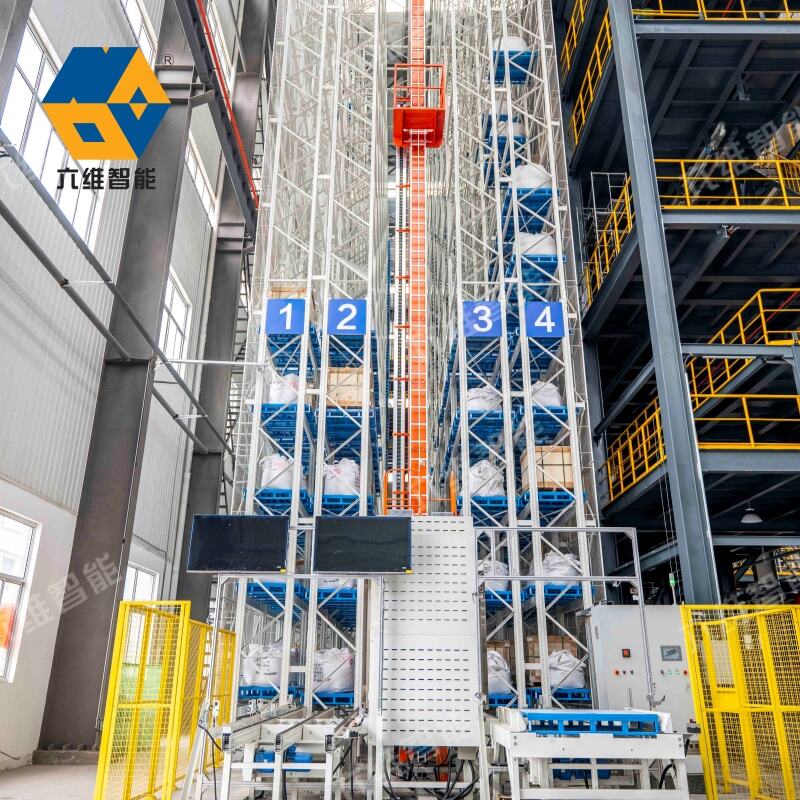
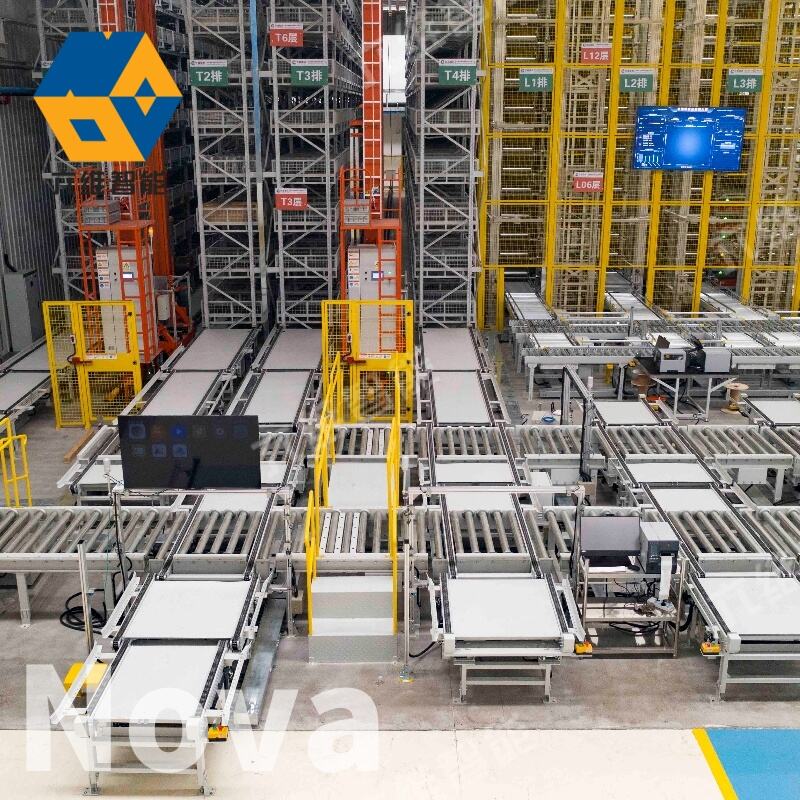
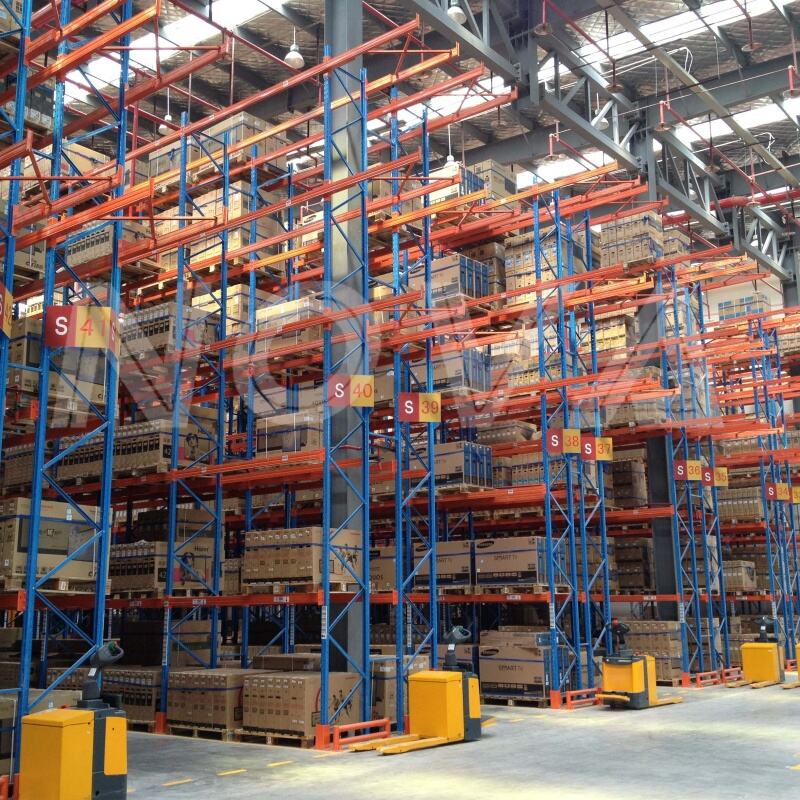
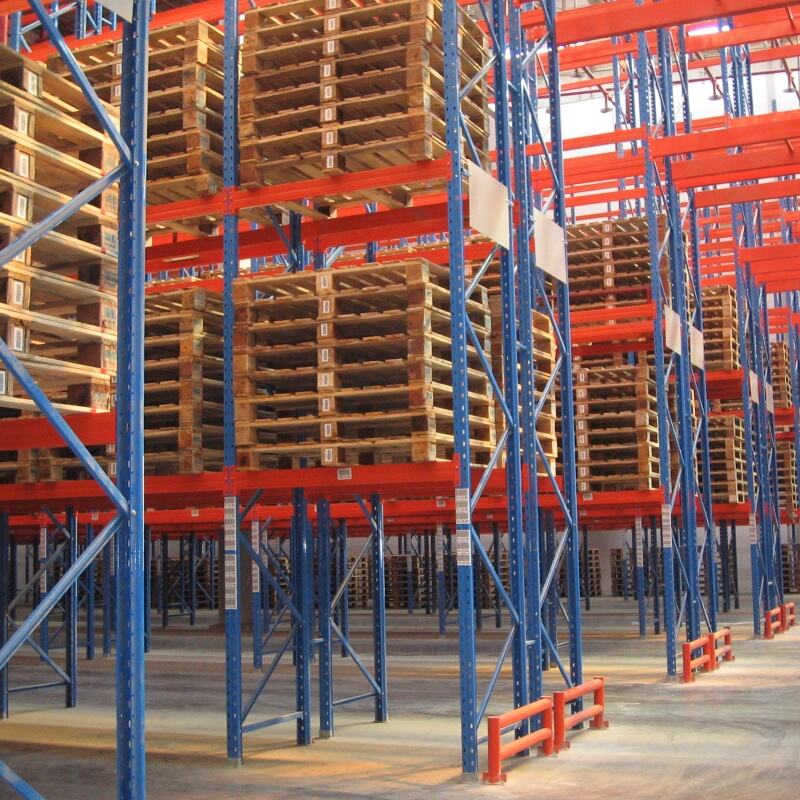
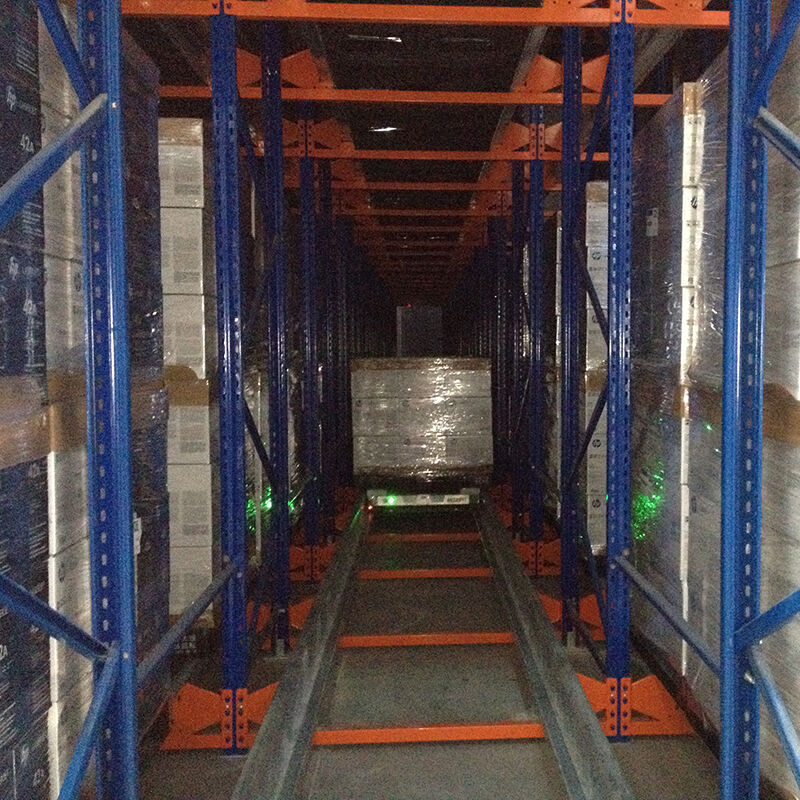
A pallet racking system warehouse represents a specialized storage solution designed to maximize vertical space utilization while maintaining organized inventory management. This sophisticated infrastructure combines heavy-duty steel frameworks with horizontal beams that create multiple storage levels, allowing businesses to store palletized goods efficiently. The pallet racking system warehouse serves as the backbone of modern logistics operations, enabling companies to transform limited floor space into expansive storage capacity that reaches upward rather than outward. These systems accommodate standard pallet sizes and can be customized to handle various weight capacities, ranging from light consumer goods to heavy industrial materials. The fundamental design principle involves creating accessible aisles between rack rows, permitting forklift operators to retrieve and deposit pallets quickly and safely. Modern pallet racking system warehouse configurations incorporate safety features such as load beams, column protectors, and anchoring systems that ensure structural stability even when fully loaded. The flexibility of these systems allows warehouse managers to adjust shelf heights, reconfigure layouts, and expand storage capacity as business needs evolve. Different styles of pallet racking systems exist within warehouse environments, including selective racking for direct pallet access, drive-in racking for high-density storage, pushback systems for LIFO inventory management, and pallet flow racks for FIFO operations. The technological integration within a pallet racking system warehouse often includes warehouse management software that tracks inventory locations, monitors stock levels, and optimizes picking routes. This digital connectivity transforms traditional storage into intelligent logistics hubs where data drives decision-making. The structural engineering behind these systems ensures they withstand dynamic loading conditions, seismic events, and daily operational stresses while maintaining compliance with international safety standards and building codes that govern warehouse construction and material handling equipment operation.

Popular Products

Implementing a pallet racking system warehouse delivers immediate space optimization that can increase storage capacity by 200 to 400 percent compared to floor stacking methods. This vertical expansion eliminates the need for costly building extensions or leasing additional warehouse space, providing significant cost savings on real estate expenses. The systematic organization inherent in these storage solutions dramatically improves inventory visibility, enabling staff to locate specific products within seconds rather than searching through cluttered storage areas. This enhanced accessibility translates directly into faster order fulfillment times, which strengthens customer satisfaction and supports business growth. The structured layout of a pallet racking system warehouse promotes workplace safety by creating defined traffic patterns that separate pedestrian walkways from forklift operation zones, reducing accident risks and workers' compensation claims. The durability of quality racking systems means businesses make a one-time investment that serves operational needs for decades with minimal maintenance requirements, offering exceptional return on investment. Flexibility stands as another compelling advantage, as companies can reconfigure their pallet racking system warehouse layouts without major construction projects, adapting quickly to changing product lines or seasonal inventory fluctuations. The improved inventory rotation facilitated by proper racking systems reduces product damage and obsolescence by ensuring older stock moves out before newer shipments, protecting profit margins and minimizing waste. Operational efficiency gains extend beyond storage, as organized warehouses require fewer labor hours for receiving, putaway, picking, and shipping activities, allowing staff to handle higher volumes without proportional increases in workforce size. The professional appearance of a well-organized pallet racking system warehouse impresses customers during facility tours and audits, strengthening business relationships and supporting sales efforts. Energy efficiency improvements emerge when vertical storage reduces the warehouse footprint, lowering heating, cooling, and lighting costs associated with maintaining large floor areas. Insurance premiums often decrease when companies demonstrate proper storage practices and safety compliance through professionally installed racking systems. The scalability of these solutions accommodates business growth, as companies can add racking sections incrementally rather than committing to massive infrastructure projects that strain budgets. Better inventory control reduces stock discrepancies and shrinkage by establishing clear location assignments that make unauthorized removal more noticeable and facilitate cycle counting procedures that maintain accurate inventory records throughout the year.

Tips And Tricks

How Do Pallet Rack Systems Support Safer Inventory Management?

20

May

How Do Pallet Rack Systems Support Safer Inventory Management?

Warehouse safety is not a matter of chance — it is a direct result of the systems, structures, and processes that organizations put in place. Among all the variables that influence how safely a facility operates, the design and organization of storag...
View More
What Makes Automated Storage and Retrieval Systems Ideal for Modern Warehouses?

05

Feb

What Makes Automated Storage and Retrieval Systems Ideal for Modern Warehouses?

Modern warehouses face unprecedented challenges in managing inventory efficiently while meeting growing customer demands for faster delivery times. The implementation of an automated storage and retrieval system represents a transformative solution t...
View More
How Does Automation Transform Storage and Retrieval Processes?

05

Feb

How Does Automation Transform Storage and Retrieval Processes?

Modern warehouses and distribution centers are experiencing a revolutionary transformation through advanced technology solutions that streamline operations and maximize efficiency. The implementation of sophisticated automated storage and retrieval s...
View More
How to Optimize Warehouse Space with Heavy Duty Pallet Racks?

16

Mar

How to Optimize Warehouse Space with Heavy Duty Pallet Racks?

Warehouse space optimization has become a critical concern for businesses seeking to maximize storage capacity while minimizing operational costs. The implementation of proper storage solutions can dramatically transform warehouse efficiency, with he...
View More

Get a Free Quote

Our representative will contact you soon.
Email
Name
Company Name
Message
0/1000

pallet racking system warehouse

Maximized Vertical Storage Capacity for Superior Space Utilization

Maximized Vertical Storage Capacity for Superior Space Utilization

The most transformative benefit of a pallet racking system warehouse lies in its ability to convert unused vertical space into productive storage capacity that fundamentally changes how businesses approach inventory management. Traditional floor stacking limits storage height to three or four pallets due to stability concerns and accessibility challenges, leaving valuable cubic space completely unutilized in facilities with standard ceiling heights of 20 to 40 feet. A properly designed pallet racking system warehouse capitalizes on this vertical dimension by creating multiple storage levels that reach upward safely and efficiently, often accommodating six to twelve pallet positions in height depending on ceiling clearance and forklift equipment capabilities. This vertical expansion delivers storage density improvements that typically double or triple effective warehouse capacity without expanding the building footprint or relocating operations to larger facilities. The financial implications prove substantial, as avoiding building expansion or facility relocation saves hundreds of thousands to millions of dollars in construction costs, moving expenses, and business interruption losses. Beyond immediate cost avoidance, the enhanced storage density of a pallet racking system warehouse allows businesses to consolidate multiple storage locations into a single facility, reducing overhead costs associated with staffing multiple sites, operating redundant material handling equipment fleets, and managing complex inter-facility transfers. The engineering sophistication behind modern racking systems ensures that this vertical storage remains fully accessible, with every pallet position reachable by standard forklift equipment without requiring specialized retrieval systems or complex operational procedures. This accessibility preserves operational flexibility while maximizing density, creating an ideal balance between storage capacity and retrieval efficiency that supports diverse business models from e-commerce fulfillment to manufacturing supply chains. The modular nature of pallet racking system warehouse construction enables businesses to scale storage capacity incrementally, adding rack sections as inventory levels grow rather than over-investing in capacity that remains unused during early business stages, optimizing capital deployment and improving financial planning precision.
Enhanced Operational Efficiency Through Systematic Organization

Enhanced Operational Efficiency Through Systematic Organization

A pallet racking system warehouse transforms chaotic storage environments into systematically organized operations where every product has a designated location and every location is clearly identified through logical naming conventions and visual markers. This organizational structure eliminates the productivity drain associated with searching for misplaced inventory, a problem that plagues warehouses relying on floor stacking or disorganized storage methods where products become buried beneath newer arrivals or displaced during retrieval operations. The systematic approach inherent in pallet racking system warehouse design establishes clear aisles with designated functions, separating receiving operations from shipping activities and creating dedicated zones for fast-moving versus slow-moving inventory that optimize travel distances for order pickers. This thoughtful layout planning reduces unnecessary movement throughout the facility, cutting labor costs by enabling staff to complete more transactions per shift without rushing or compromising accuracy. The integration of warehouse management systems with pallet racking system warehouse infrastructure creates powerful synergies where digital records correspond precisely to physical locations, enabling directed putaway that guides receiving staff to optimal storage positions and directed picking that creates efficient retrieval routes minimizing backtracking and wasted motion. This digital-physical integration supports advanced inventory strategies including ABC analysis that positions high-velocity products in easily accessible locations while relegating slower items to less convenient positions, slotting optimization that considers product dimensions and weight characteristics when assigning storage locations, and wave picking that batches orders strategically to maximize picking efficiency. The visibility improvements delivered by a pallet racking system warehouse extend beyond operational staff to management teams who gain real-time insights into inventory levels, storage utilization rates, and operational bottlenecks through reporting dashboards that transform raw data into actionable intelligence. This enhanced visibility supports better business decisions regarding purchasing, production scheduling, and customer commitments by providing accurate, current information about actual inventory positions rather than relying on outdated records that may not reflect recent transactions or inventory adjustments resulting from damage or quality issues discovered during handling operations.
Improved Safety Standards and Risk Management Protocols

Improved Safety Standards and Risk Management Protocols

The implementation of a pallet racking system warehouse fundamentally elevates workplace safety by replacing precarious floor stacking practices with engineered storage structures designed specifically to handle heavy loads safely throughout their operational lifespan. Floor stacking creates inherent instability as pallet stacks grow taller, with each additional level increasing the risk of catastrophic collapses that endanger workers, damage products, and potentially trigger domino effects that spread throughout storage areas. A professionally installed pallet racking system warehouse eliminates these stability concerns through structural engineering that distributes loads across vertical columns and horizontal beams anchored securely to concrete floors, creating storage frameworks capable of supporting tens of thousands of pounds per rack section while maintaining structural integrity. The safety advantages extend beyond structural stability to include defined traffic patterns that separate forklift operation zones from pedestrian walkways, reducing the collision risks that represent leading causes of warehouse injuries and fatalities. These designated pathways, combined with appropriate safety barriers and column protectors installed throughout the pallet racking system warehouse, create physical safeguards that protect both personnel and infrastructure from impact damage during daily operations. The organized nature of racked storage also facilitates better housekeeping practices by eliminating the cluttered conditions that contribute to trip hazards, obscure potential dangers, and impede emergency egress routes that must remain clear to satisfy fire codes and occupational safety regulations. Compliance with safety standards becomes more achievable when facilities adopt pallet racking system warehouse solutions designed and installed according to industry specifications established by organizations that publish engineering standards governing load capacities, structural requirements, and safety features. Regular rack inspections become simplified in organized facilities where damage is easily visible and structural components are accessible for examination, enabling proactive maintenance that addresses minor issues before they escalate into serious safety hazards or operational disruptions. The risk management benefits extend to inventory protection, as properly racked products experience less damage from handling incidents, environmental factors, and pest intrusion compared to floor-stacked goods where lower layers suffer compression damage and entire stacks may topple due to instability or accidental impacts during material handling activities.

Get a Free Quote

Our representative will contact you soon.
Email
Name
Company Name
Message
0/1000

Get a Free Quote

Our representative will contact you soon.
Email
Name
Company Name
Message
0/1000