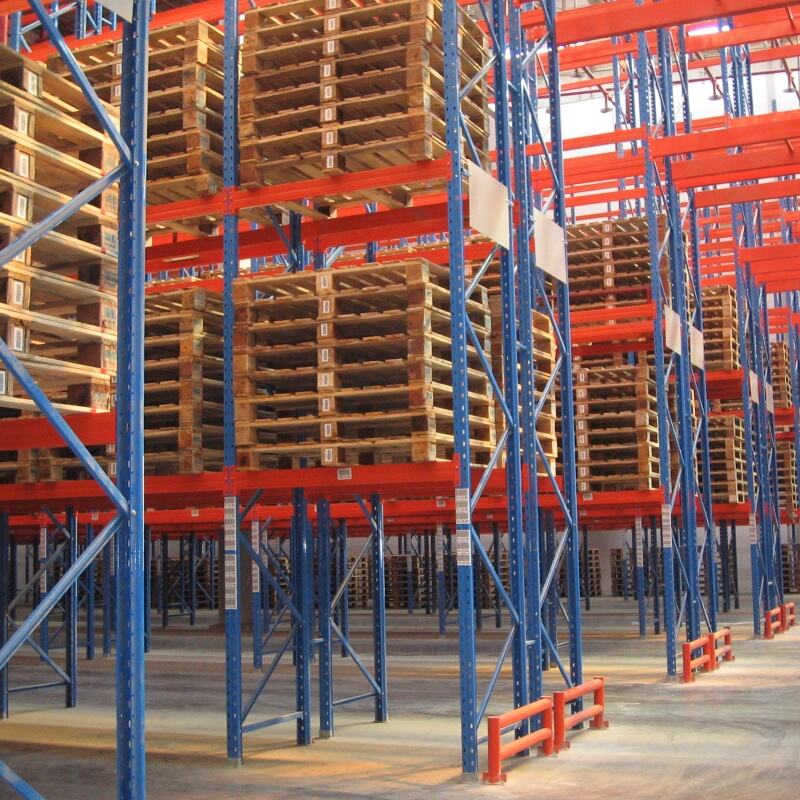
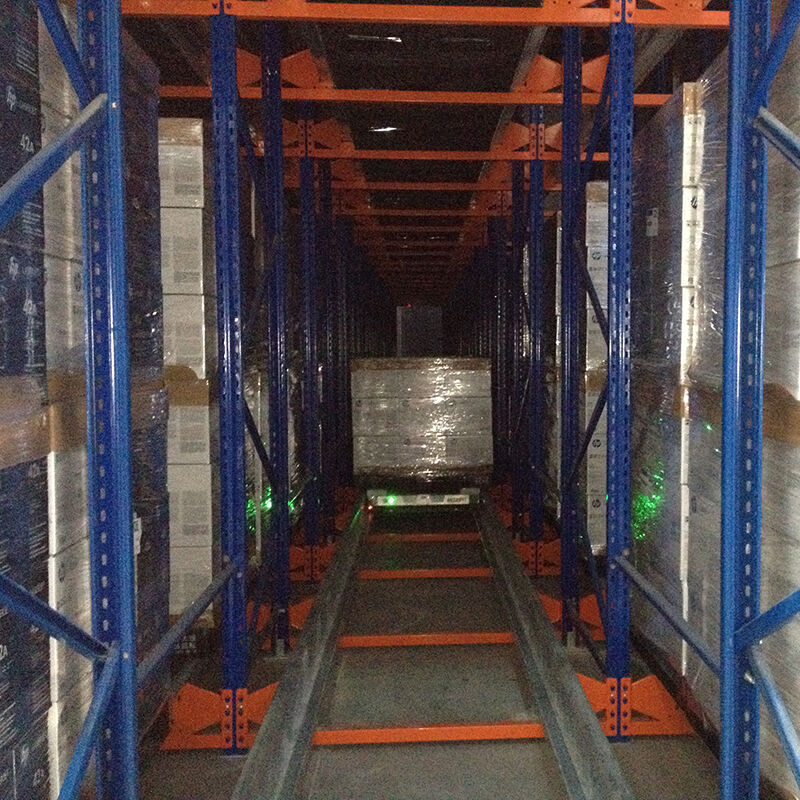
pallet racking system warehouse
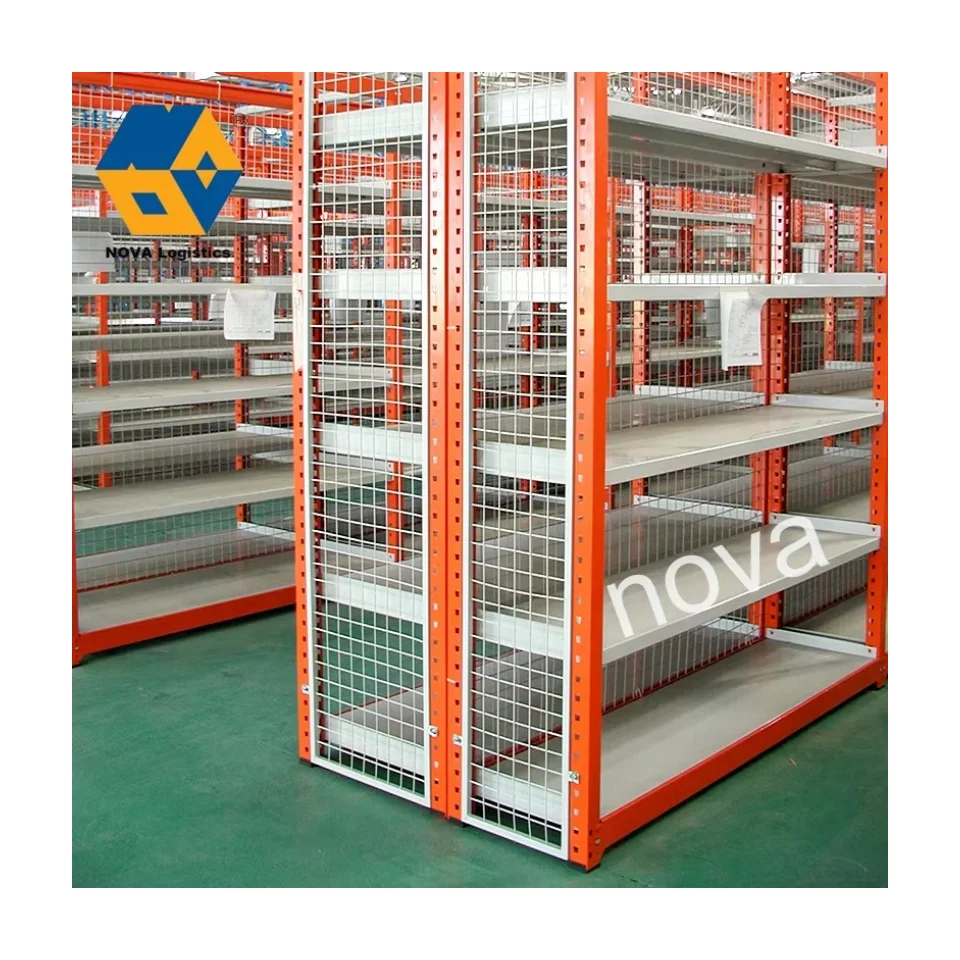
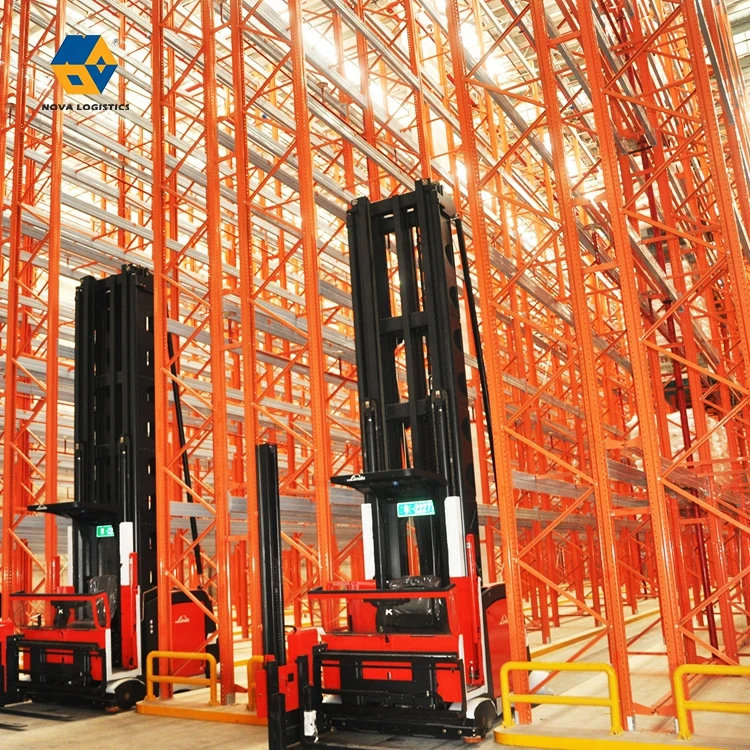
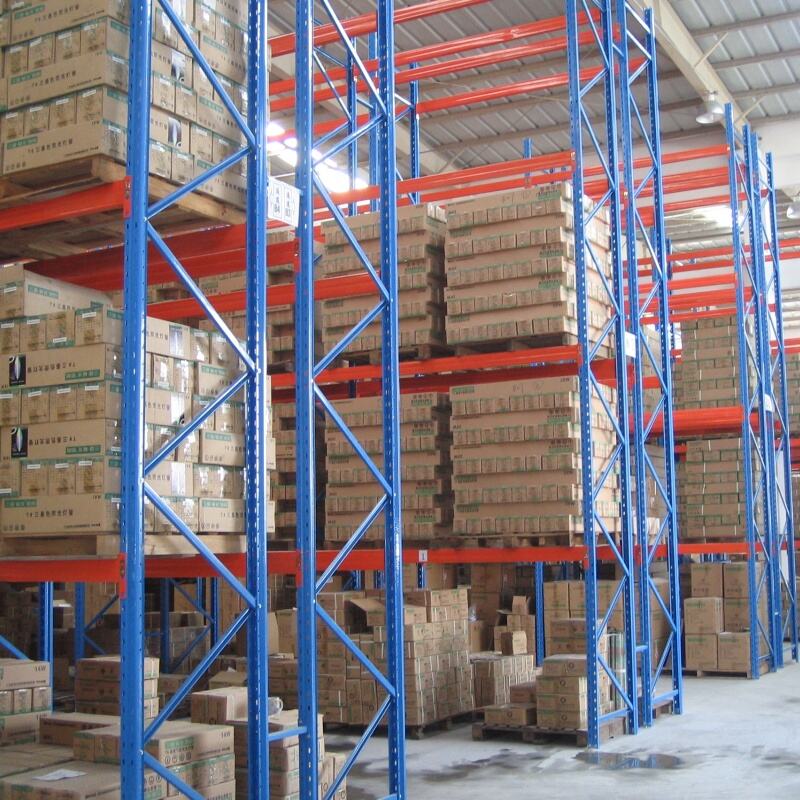
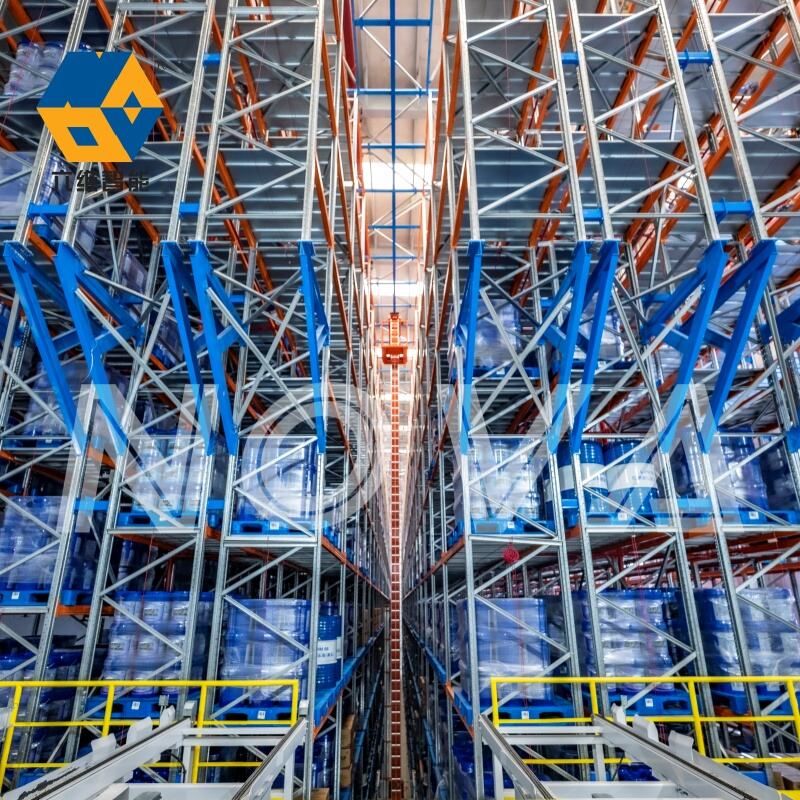
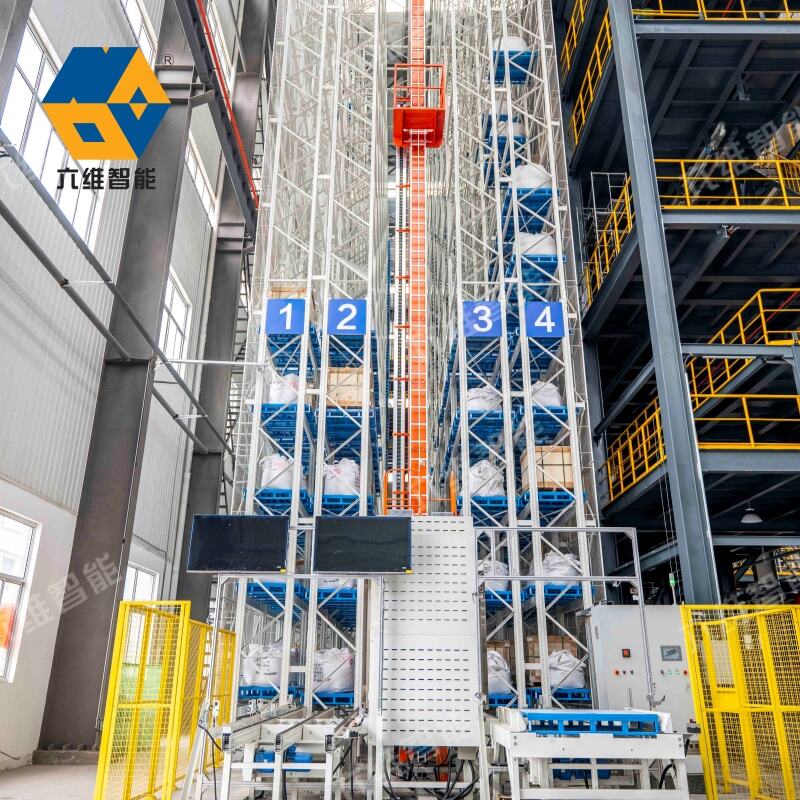
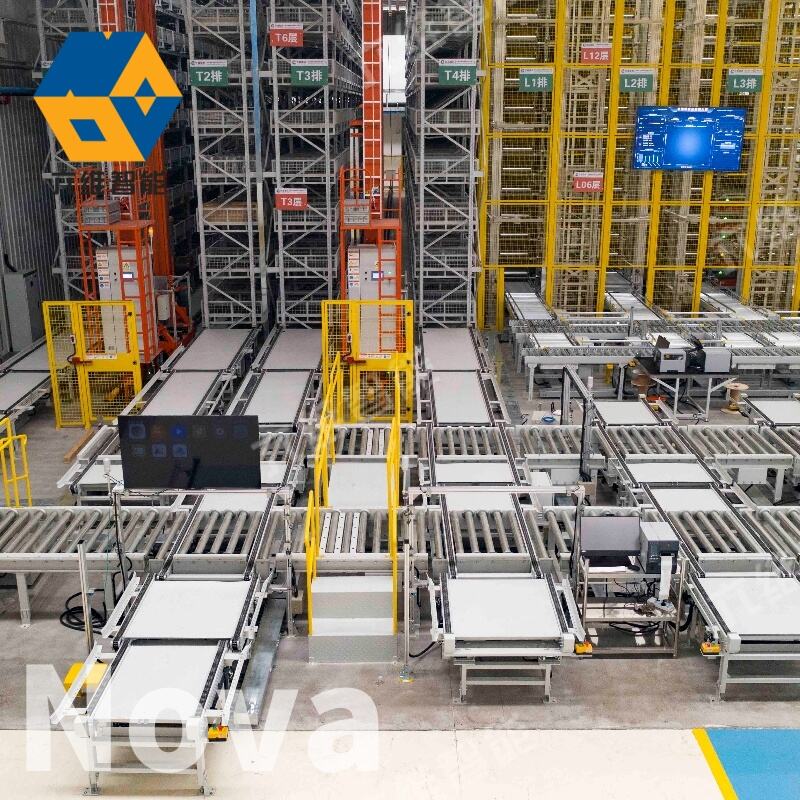
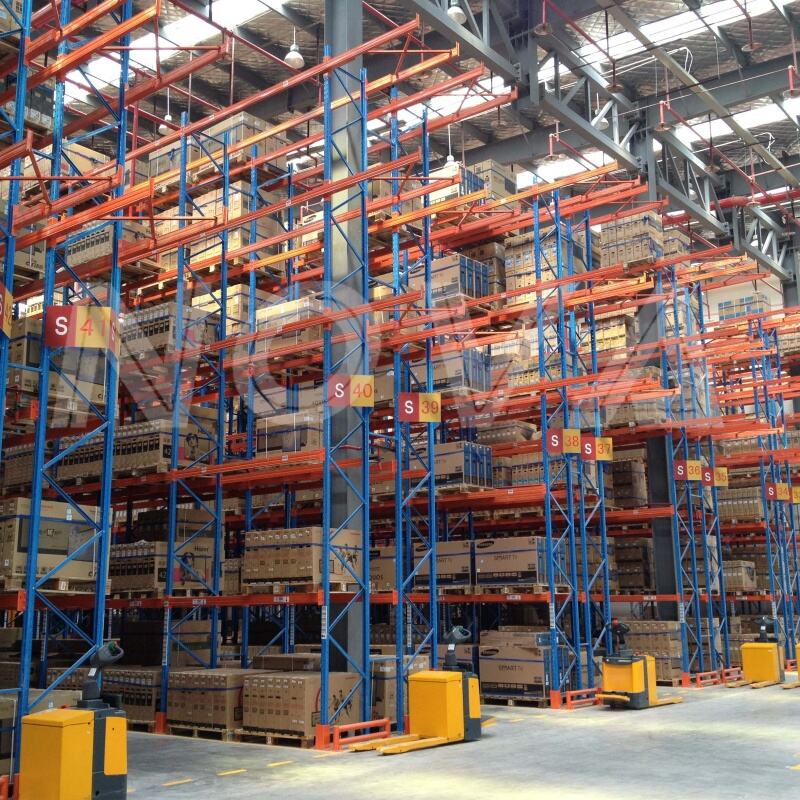
A pallet racking system warehouse represents a specialized storage solution designed to maximize vertical space utilization while maintaining organized inventory management. This sophisticated infrastructure combines heavy-duty steel frameworks with horizontal beams that create multiple storage levels, allowing businesses to store palletized goods efficiently. The pallet racking system warehouse serves as the backbone of modern logistics operations, enabling companies to transform limited floor space into expansive storage capacity that reaches upward rather than outward. These systems accommodate standard pallet sizes and can be customized to handle various weight capacities, ranging from light consumer goods to heavy industrial materials. The fundamental design principle involves creating accessible aisles between rack rows, permitting forklift operators to retrieve and deposit pallets quickly and safely. Modern pallet racking system warehouse configurations incorporate safety features such as load beams, column protectors, and anchoring systems that ensure structural stability even when fully loaded. The flexibility of these systems allows warehouse managers to adjust shelf heights, reconfigure layouts, and expand storage capacity as business needs evolve. Different styles of pallet racking systems exist within warehouse environments, including selective racking for direct pallet access, drive-in racking for high-density storage, pushback systems for LIFO inventory management, and pallet flow racks for FIFO operations. The technological integration within a pallet racking system warehouse often includes warehouse management software that tracks inventory locations, monitors stock levels, and optimizes picking routes. This digital connectivity transforms traditional storage into intelligent logistics hubs where data drives decision-making. The structural engineering behind these systems ensures they withstand dynamic loading conditions, seismic events, and daily operational stresses while maintaining compliance with international safety standards and building codes that govern warehouse construction and material handling equipment operation.

 EN
EN