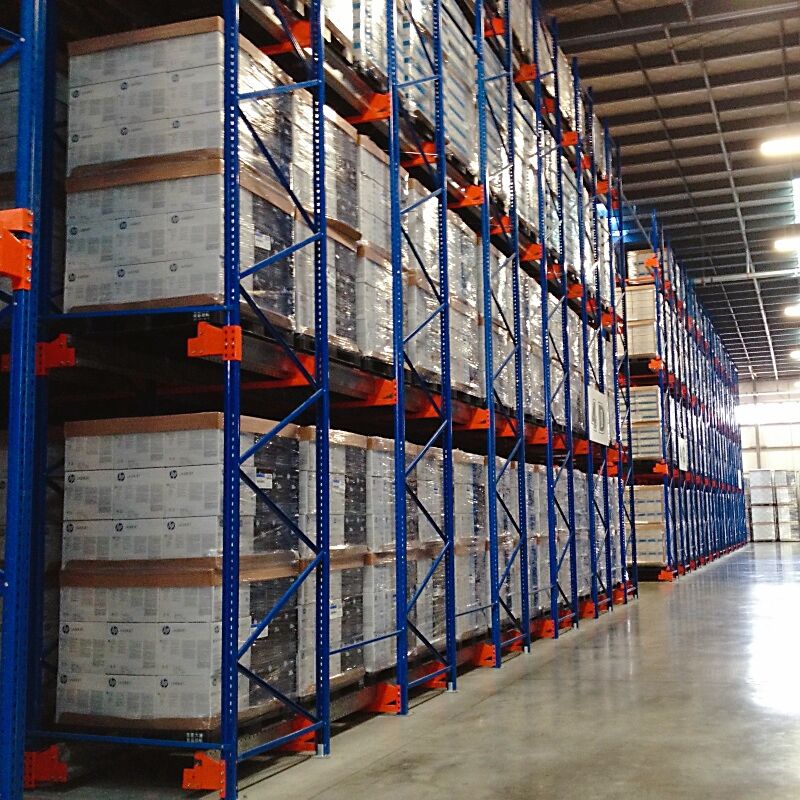
industrial storage racking systems
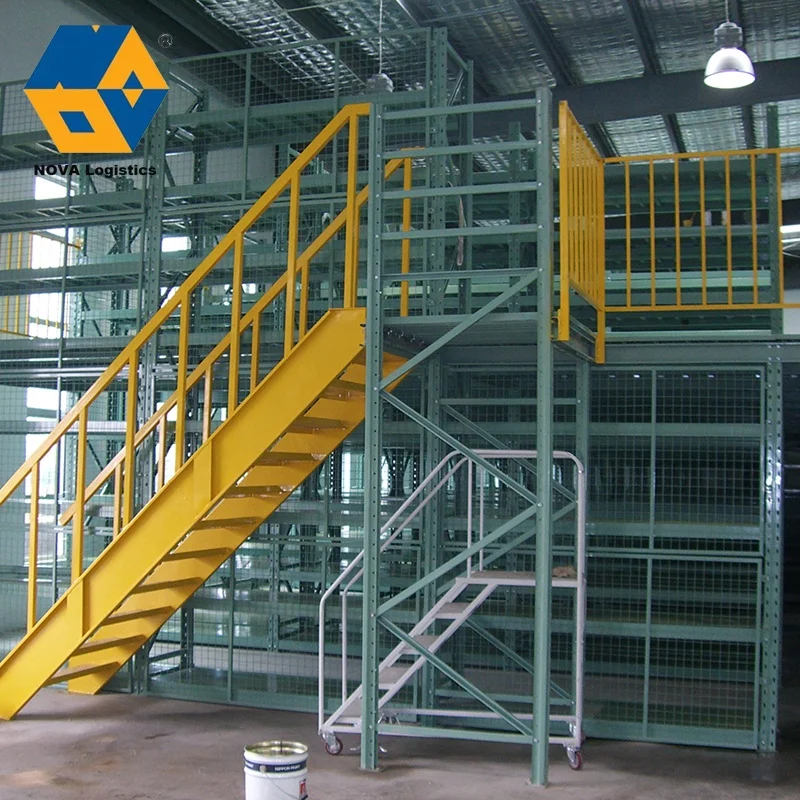
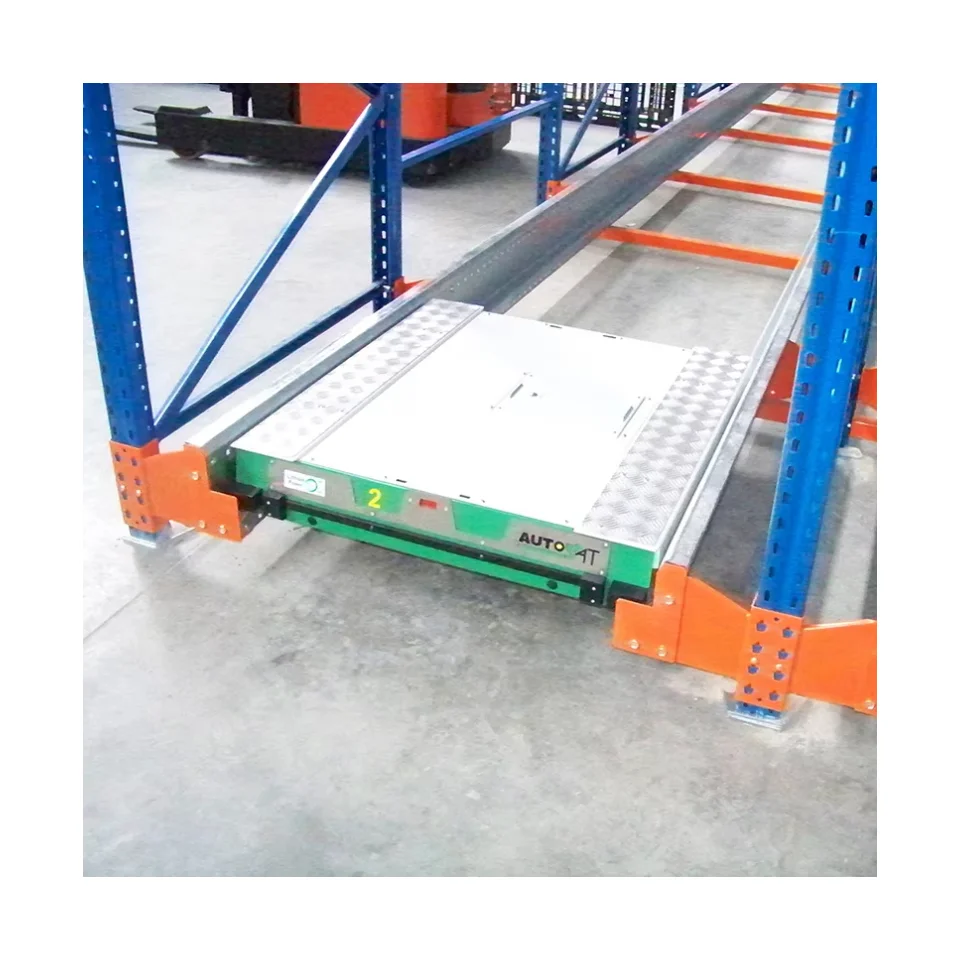
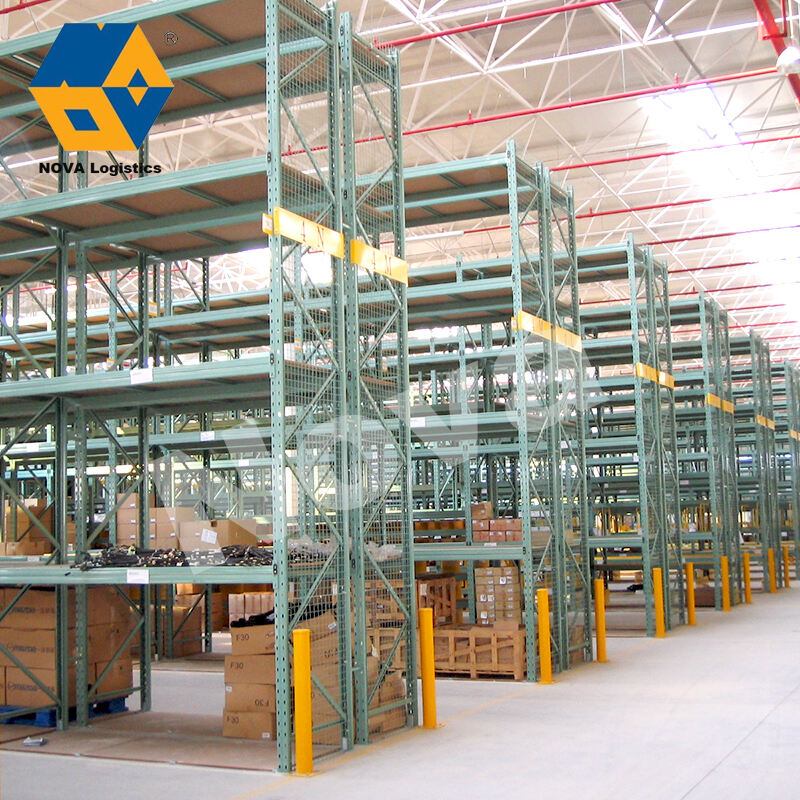
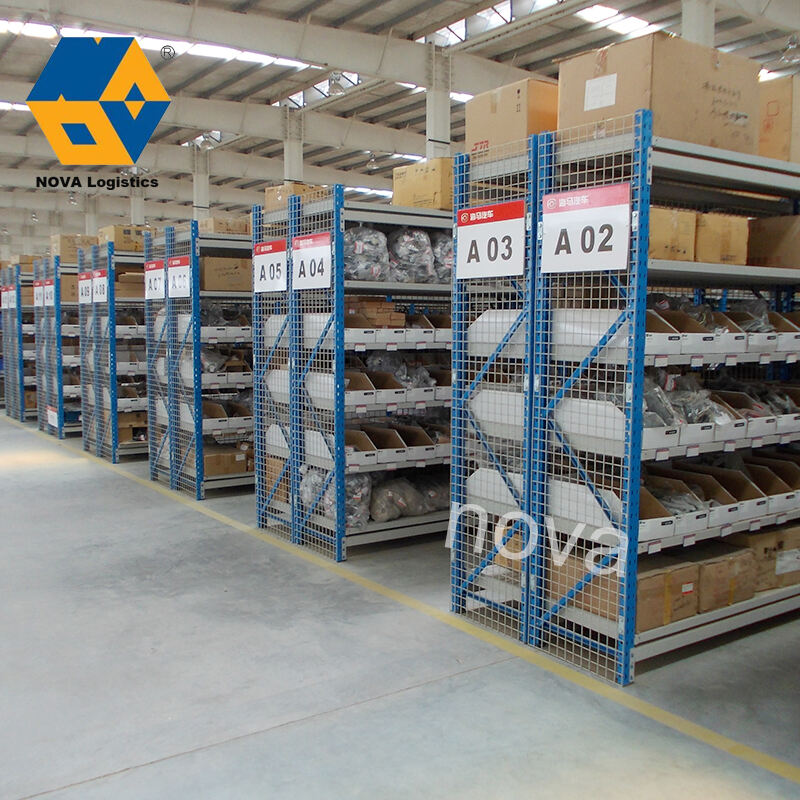
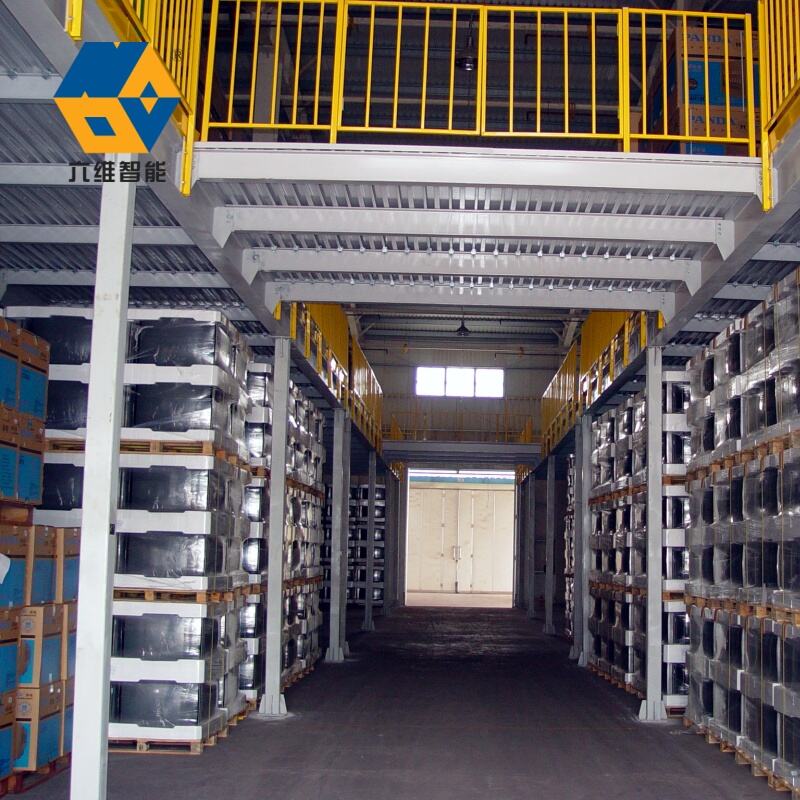
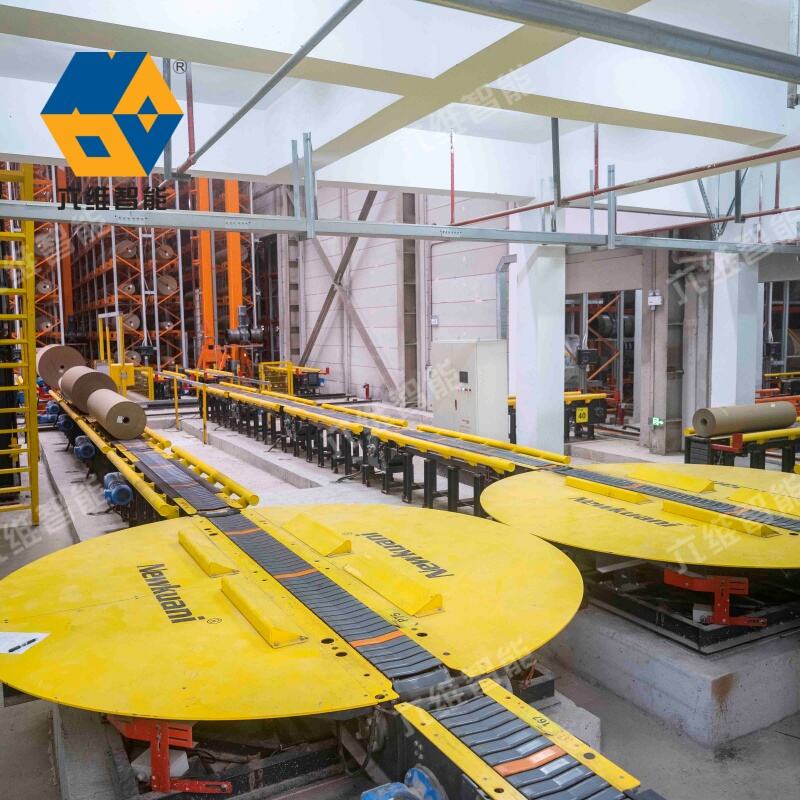
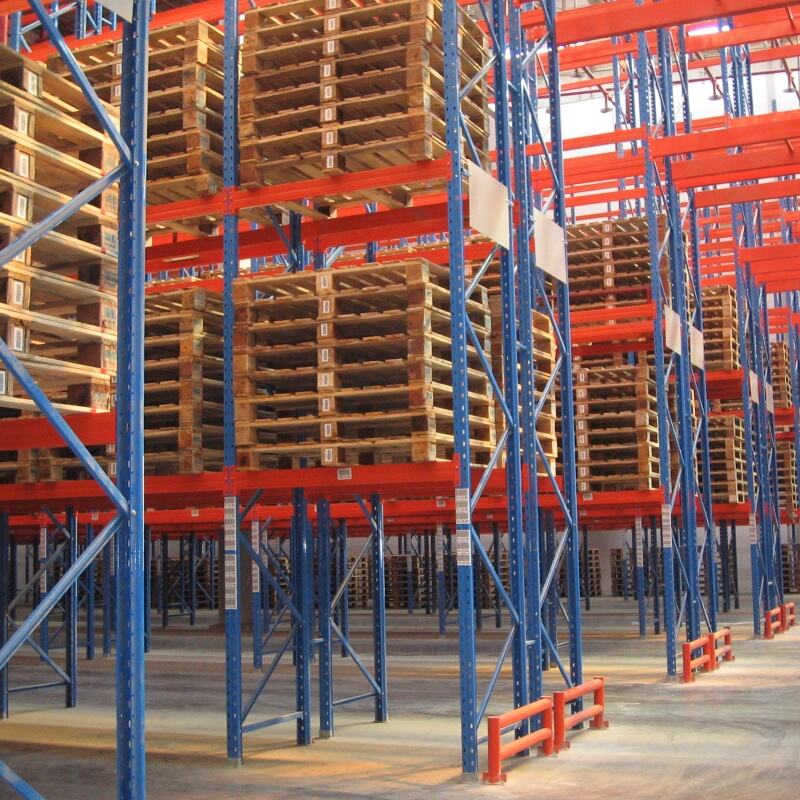
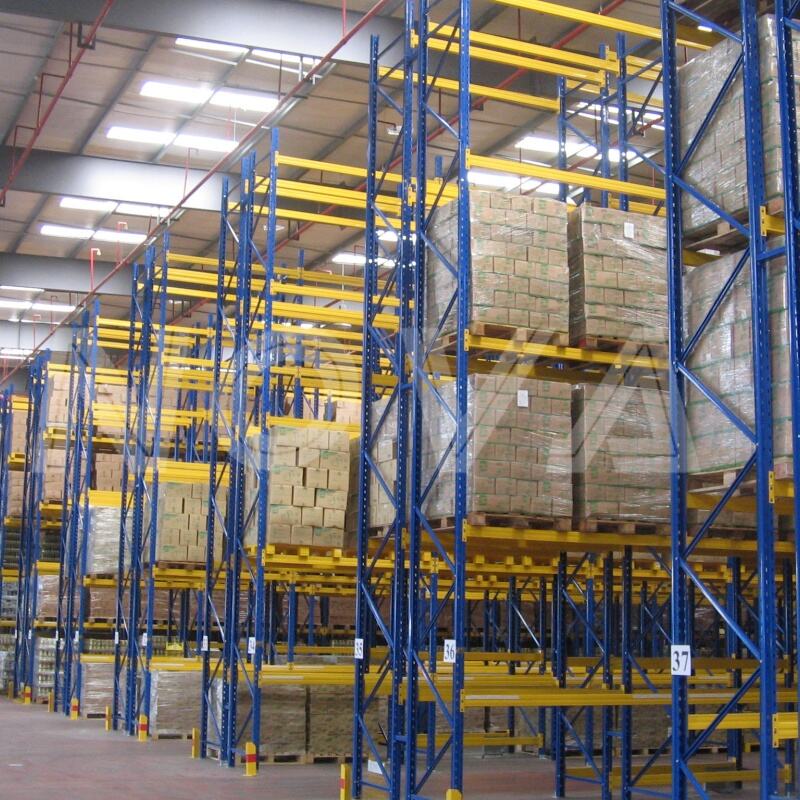
Industrial storage racking systems represent essential infrastructure components that revolutionize warehouse operations and maximize spatial efficiency across diverse commercial environments. These sophisticated organizational frameworks serve as the backbone of modern logistics, providing structured solutions for storing materials, products, and inventory in manufacturing facilities, distribution centers, retail warehouses, and commercial storage operations. The primary function of industrial storage racking systems involves optimizing vertical space utilization while maintaining safe, accessible storage for goods of varying dimensions, weights, and handling requirements. These systems employ engineered frameworks constructed from high-grade steel or alternative durable materials, featuring adjustable beam configurations that accommodate dynamic storage needs. Technological advancements have transformed traditional racking into intelligent storage solutions incorporating load calculation software, seismic considerations, and compatibility with automated material handling equipment. Modern industrial storage racking systems integrate seamlessly with warehouse management systems, enabling real-time inventory tracking and enhancing operational visibility. Applications span virtually every industry sector, from automotive parts warehousing to pharmaceutical storage, food and beverage distribution, electronics manufacturing, textile operations, and heavy machinery components management. The versatility of these systems allows customization for specific operational requirements, whether storing palletized goods, long items like pipes and lumber, small parts in bin configurations, or temperature-sensitive products requiring specialized environments. Advanced designs incorporate safety features including frame protectors, column guards, and load capacity indicators that prevent overloading and structural failures. The scalability of industrial storage racking systems enables businesses to expand storage capacity incrementally as operations grow, avoiding costly facility relocations. These frameworks support lean manufacturing principles by organizing materials for just-in-time delivery, reducing search times, and streamlining picking operations that directly impact customer satisfaction and bottom-line profitability in competitive markets.

 EN
EN