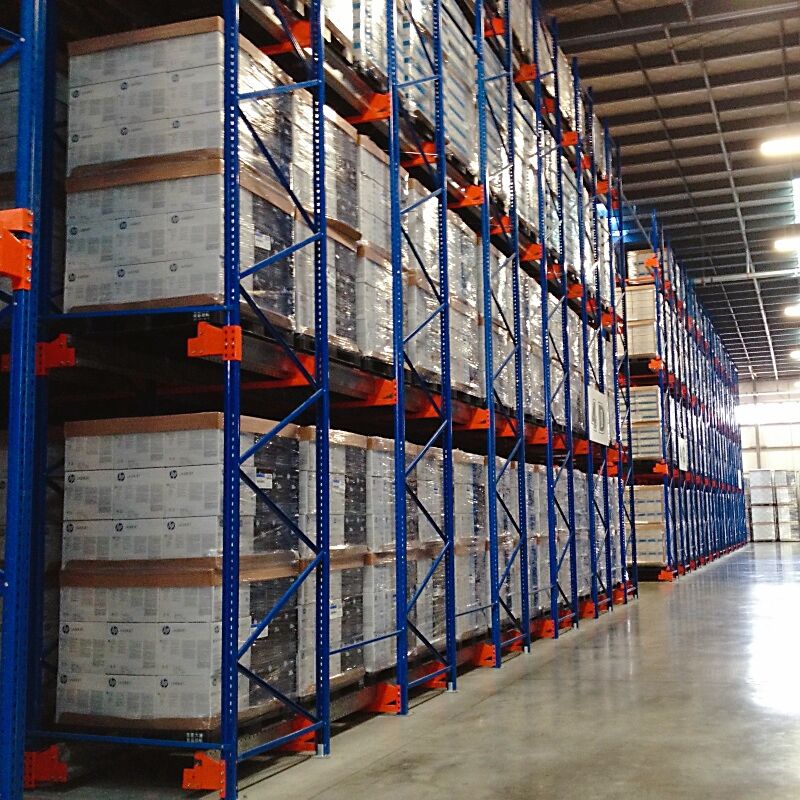
Industrial Storage Racking Systems - Maximize Warehouse Space & Efficiency

All Categories

Get a Free Quote

Our representative will contact you soon.
Email
Name
Company Name
Message
0/1000

industrial storage racking systems

Industrial storage racking systems represent essential infrastructure components that revolutionize warehouse operations and maximize spatial efficiency across diverse commercial environments. These sophisticated organizational frameworks serve as the backbone of modern logistics, providing structured solutions for storing materials, products, and inventory in manufacturing facilities, distribution centers, retail warehouses, and commercial storage operations. The primary function of industrial storage racking systems involves optimizing vertical space utilization while maintaining safe, accessible storage for goods of varying dimensions, weights, and handling requirements. These systems employ engineered frameworks constructed from high-grade steel or alternative durable materials, featuring adjustable beam configurations that accommodate dynamic storage needs. Technological advancements have transformed traditional racking into intelligent storage solutions incorporating load calculation software, seismic considerations, and compatibility with automated material handling equipment. Modern industrial storage racking systems integrate seamlessly with warehouse management systems, enabling real-time inventory tracking and enhancing operational visibility. Applications span virtually every industry sector, from automotive parts warehousing to pharmaceutical storage, food and beverage distribution, electronics manufacturing, textile operations, and heavy machinery components management. The versatility of these systems allows customization for specific operational requirements, whether storing palletized goods, long items like pipes and lumber, small parts in bin configurations, or temperature-sensitive products requiring specialized environments. Advanced designs incorporate safety features including frame protectors, column guards, and load capacity indicators that prevent overloading and structural failures. The scalability of industrial storage racking systems enables businesses to expand storage capacity incrementally as operations grow, avoiding costly facility relocations. These frameworks support lean manufacturing principles by organizing materials for just-in-time delivery, reducing search times, and streamlining picking operations that directly impact customer satisfaction and bottom-line profitability in competitive markets.

New Products

Businesses implementing industrial storage racking systems immediately experience substantial improvements in warehouse capacity without requiring expensive building expansions or facility relocations. These systems unlock vertical space that typically remains underutilized in conventional storage arrangements, often doubling or tripling effective storage capacity within existing square footage. This spatial efficiency translates directly into cost savings by postponing or eliminating capital expenditures for additional real estate while accommodating business growth and inventory expansion. Organizations gain enhanced inventory organization that dramatically reduces time employees spend searching for specific items, cutting labor costs and improving order fulfillment speed. Workers navigate clearly defined storage locations with logical arrangements that minimize confusion and reduce picking errors that damage customer relationships. The improved accessibility these systems provide means staff can retrieve products safely without climbing makeshift structures or moving multiple items to reach needed inventory. Safety improvements represent another critical advantage, as properly engineered industrial storage racking systems distribute weight according to precise load calculations, preventing collapses that endanger workers and damage valuable inventory. These frameworks incorporate design elements that withstand environmental stresses including seismic activity in earthquake-prone regions, ensuring business continuity even during natural events. The durability of quality racking systems delivers long-term value through decades of reliable service with minimal maintenance requirements, contrasting sharply with temporary shelving solutions that require frequent replacement. Businesses benefit from improved inventory accuracy when products occupy designated locations within systematic arrangements, enabling precise cycle counts and reducing discrepancies that create financial reporting challenges. The flexibility these systems offer allows rapid reconfiguration as product lines change, seasonal demands fluctuate, or business strategies evolve, protecting initial investments against obsolescence. Enhanced product protection results from organized storage that prevents items from being crushed under improper stacking or damaged through careless handling in disorganized environments. Companies project a professional image to clients and partners visiting facilities equipped with proper industrial storage racking systems, demonstrating operational maturity and commitment to quality. Insurance providers often offer reduced premiums for warehouses utilizing engineered storage systems that meet safety standards, creating ongoing financial benefits. The return on investment for these systems typically manifests within months through combined savings from increased capacity, reduced labor costs, fewer damaged goods, and improved operational efficiency that compounds over time, making this upgrade one of the most financially sound decisions warehouse managers can implement.

Tips And Tricks

Which Heavy Duty Rack Configurations Suit Different Industries?

20

May

Which Heavy Duty Rack Configurations Suit Different Industries?

Choosing the right heavy duty rack configuration is one of the most consequential decisions a warehouse manager or operations director can make. The wrong choice leads to wasted floor space, inefficient picking workflows, and safety risks that compou...
View More
How Do You Choose the Right Longspan Rack for Changing Inventory Types?

13

Jan

How Do You Choose the Right Longspan Rack for Changing Inventory Types?

Modern warehouses face constant challenges in adapting their storage systems to accommodate varying inventory types and fluctuating stock levels. A longspan rack system offers the versatility and adaptability needed to handle these dynamic requiremen...
View More
How Does a Warehouse Mezzanine Increase Storage Capacity Efficiently?

13

Jan

How Does a Warehouse Mezzanine Increase Storage Capacity Efficiently?

Modern warehouse operations face mounting pressure to maximize storage capacity without expanding their physical footprint. A warehouse mezzanine represents one of the most effective solutions for increasing storage density while maintaining operatio...
View More
What Are Essential Safety Tips for Installing a Steel Platform?

16

Mar

What Are Essential Safety Tips for Installing a Steel Platform?

Industrial facilities worldwide rely on steel platforms to maximize vertical storage space and improve operational efficiency. These robust structures serve as elevated work areas, storage solutions, and access points in warehouses, manufacturing pla...
View More

Get a Free Quote

Our representative will contact you soon.
Email
Name
Company Name
Message
0/1000

industrial storage racking systems

Maximized Space Utilization Through Vertical Storage Engineering

Maximized Space Utilization Through Vertical Storage Engineering

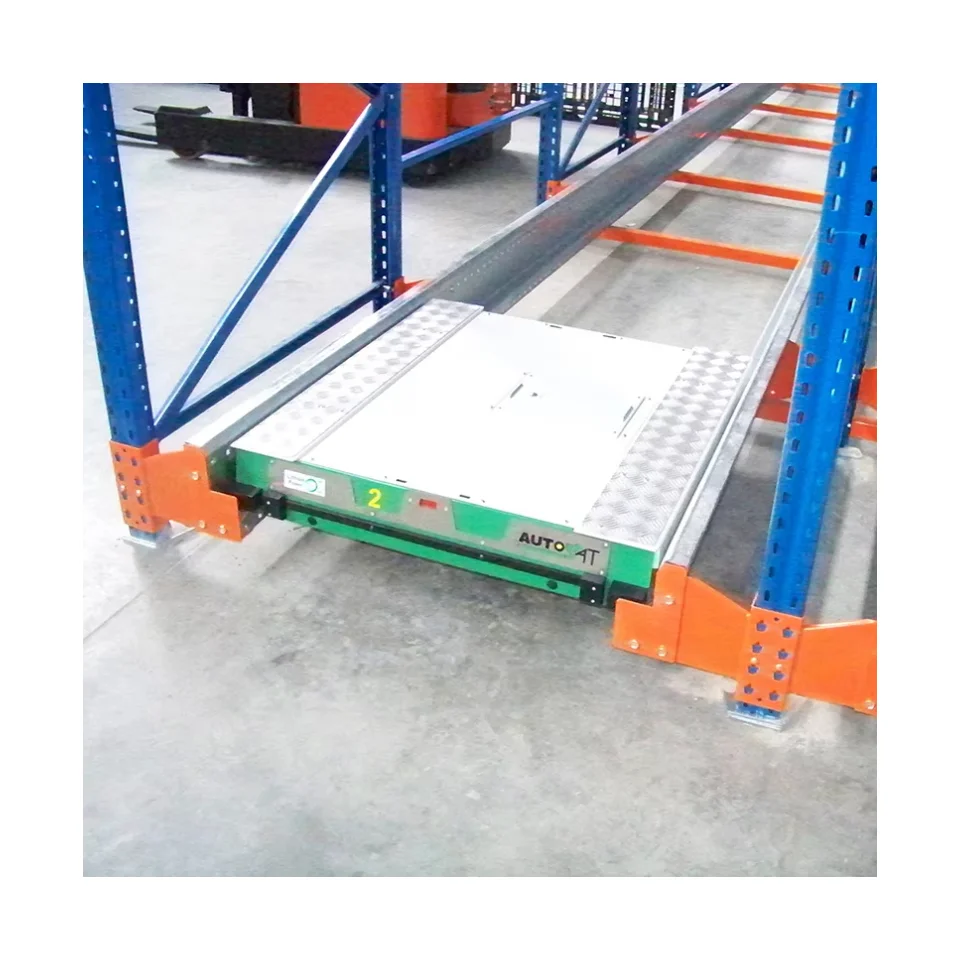
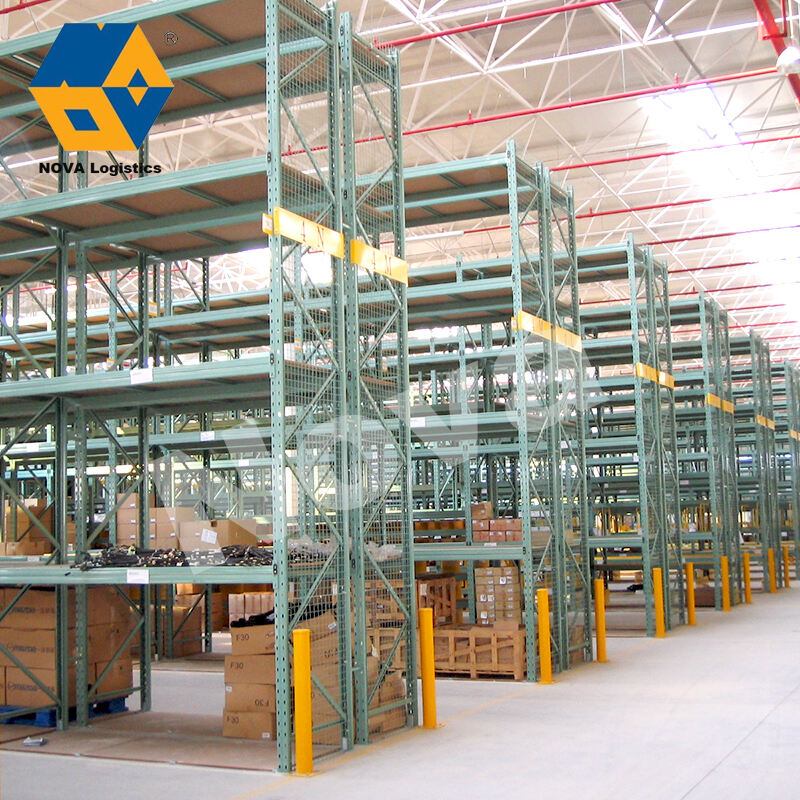
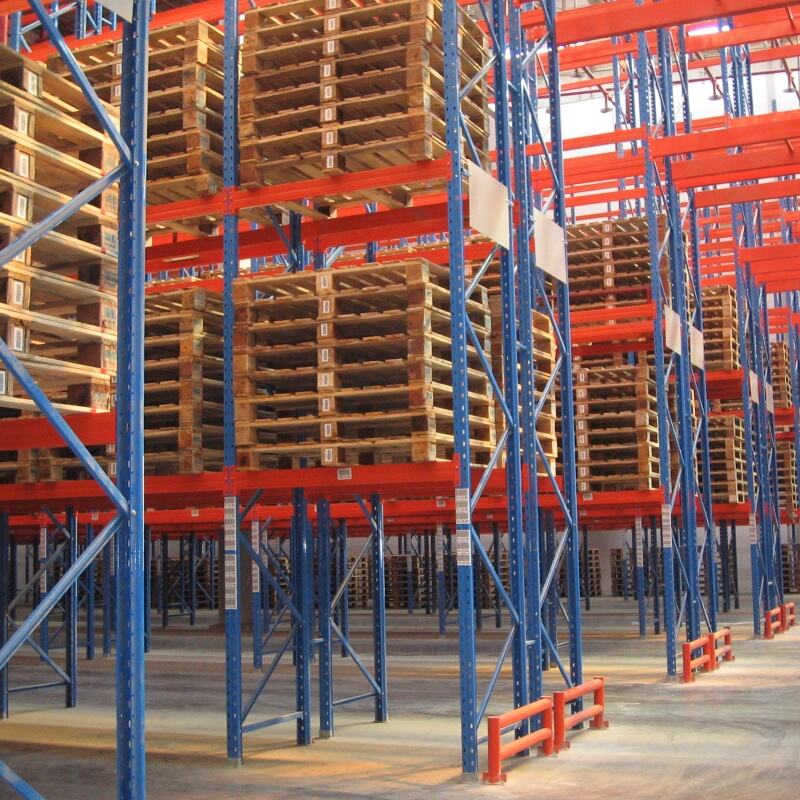
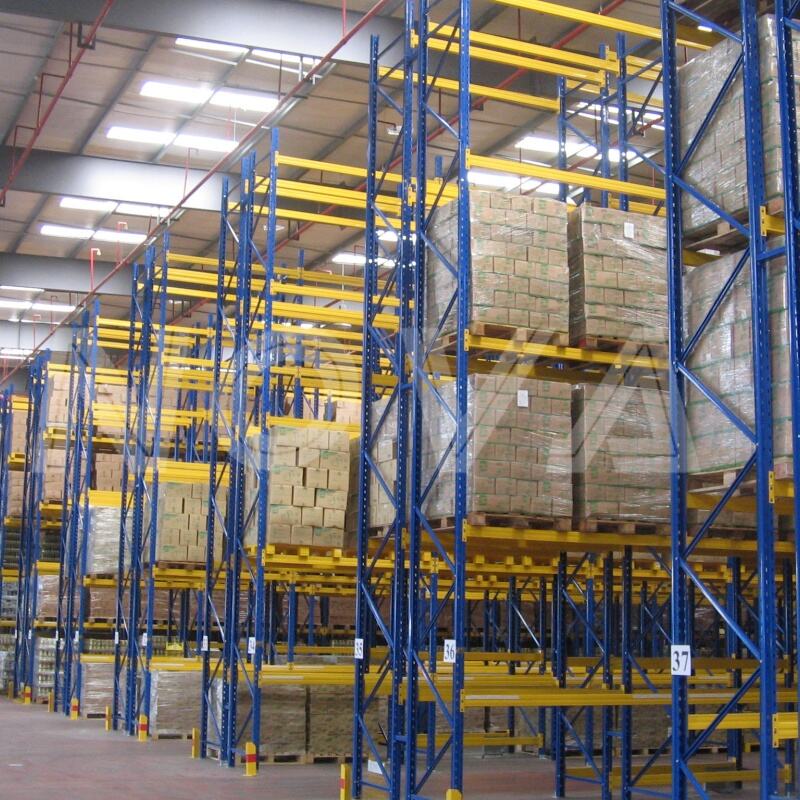
Industrial storage racking systems fundamentally transform how businesses approach warehouse space management by leveraging vertical dimensions that conventional storage methods leave unexploited. Most facilities operate with ceiling heights ranging from twelve to forty feet, yet traditional storage practices rarely utilize more than eight feet of this available space, leaving tremendous capacity untapped. These engineered systems feature upright frames and horizontal beams configured to safely access storage zones extending to within safe working distance of ceiling structures, effectively multiplying usable storage volume without expanding facility footprints. The mathematical advantage becomes immediately apparent when calculating cubic storage capacity rather than merely floor space—a warehouse measuring ten thousand square feet with twenty-foot ceilings contains two hundred thousand cubic feet of potential storage volume. Properly designed industrial storage racking systems capture this three-dimensional opportunity through configurations tailored to specific inventory characteristics and handling equipment capabilities. Selective pallet racking provides direct access to every stored unit while extending upward through multiple beam levels, typically accommodating three to six pallet positions vertically depending on ceiling height and forklift reach capacity. Drive-in and drive-through configurations maximize density for high-volume, low-variety inventory by eliminating aisles between storage lanes, allowing forklifts to enter the racking structure itself and deposit pallets on continuous rails extending deep into the system. Push-back and pallet flow systems incorporate gravity-assisted mechanisms that automatically advance products forward as front positions empty, maintaining picking faces while storing multiple pallets deep in compact footprints. The engineering precision underlying these systems ensures structural integrity under full loading conditions, with calculations accounting for beam deflection, frame stability, seismic forces, and impact resistance from material handling equipment. Professional installation teams anchor systems to floor structures according to specifications that consider both vertical loads from stored materials and horizontal forces from equipment contact and environmental factors. This vertical optimization directly impacts financial performance by deferring or eliminating costly facility expansions that disrupt operations and strain capital budgets while delivering immediate capacity increases that support revenue growth and inventory diversification strategies essential for competitive market positioning.
Enhanced Operational Efficiency and Labor Productivity Gains

Enhanced Operational Efficiency and Labor Productivity Gains

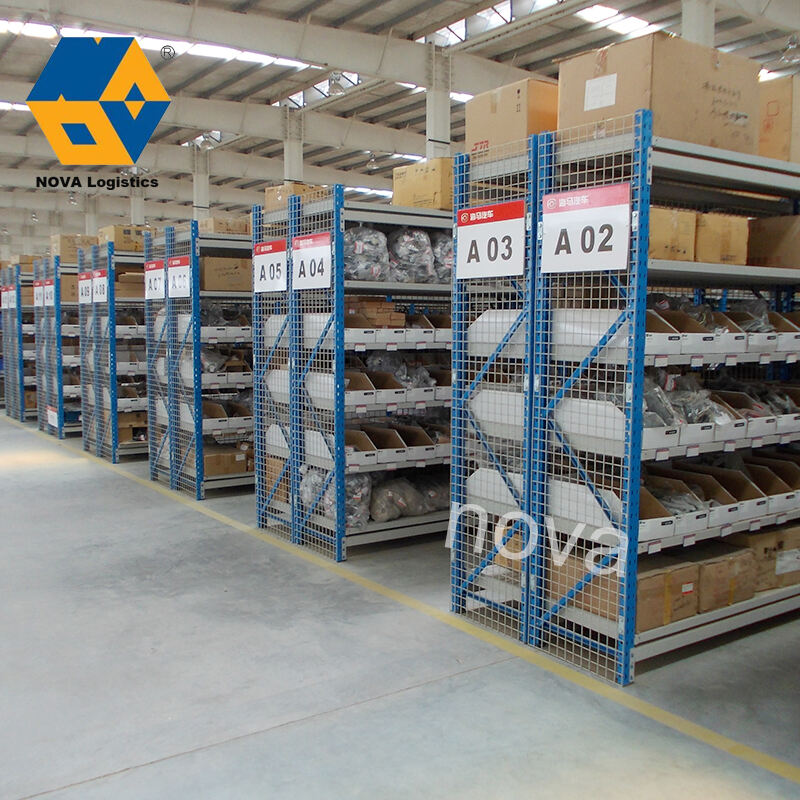
Industrial storage racking systems dramatically improve warehouse operational efficiency by establishing organized frameworks that streamline every aspect of material handling, from receiving and putaway through order picking and shipping processes. The systematic organization these structures provide eliminates time-wasting searches through disorganized inventory piles, replacing chaotic environments with logical location systems where every product occupies a designated position identifiable through clear labeling and warehouse management system integration. Workers equipped with picking lists or mobile scanning devices navigate directly to specified locations without guessing or asking supervisors for guidance, reducing order fulfillment time by substantial margins that multiply across hundreds of daily transactions. The time savings compound throughout operations as employees complete more picks per hour, enabling businesses to process increased order volumes without proportionally expanding workforce sizes or extending operating hours. Accessibility improvements inherent in properly configured industrial storage racking systems mean workers retrieve items safely from designated positions without moving obstacles or destacking pallets to reach needed products buried beneath other inventory. This direct access eliminates non-value-added handling that increases labor costs while introducing damage risks each time products undergo unnecessary movement. The ergonomic benefits of organized storage at appropriate heights reduce worker fatigue and injury rates associated with awkward lifting, excessive reaching, or climbing unsafe structures in poorly arranged warehouses. Businesses implementing these systems report measurable improvements in order accuracy as systematic storage reduces confusion between similar items and provides visual confirmation during picking operations. The reduction in picking errors directly enhances customer satisfaction by ensuring correct products reach destinations as ordered, avoiding costly returns, replacement shipments, and relationship damage from repeated mistakes. Training new employees becomes significantly easier when storage follows logical patterns within structured industrial storage racking systems rather than requiring extensive facility knowledge to locate products scattered according to available space rather than rational organization. The consistency these systems provide supports standardized operating procedures that improve quality control and enable performance measurement against clear benchmarks. Maintenance operations benefit from organized parts storage that ensures critical components remain accessible during equipment failures requiring rapid repairs to minimize production downtime that cascades through operational schedules and customer commitments.
Customizable Configurations Adapting to Diverse Storage Requirements

Customizable Configurations Adapting to Diverse Storage Requirements

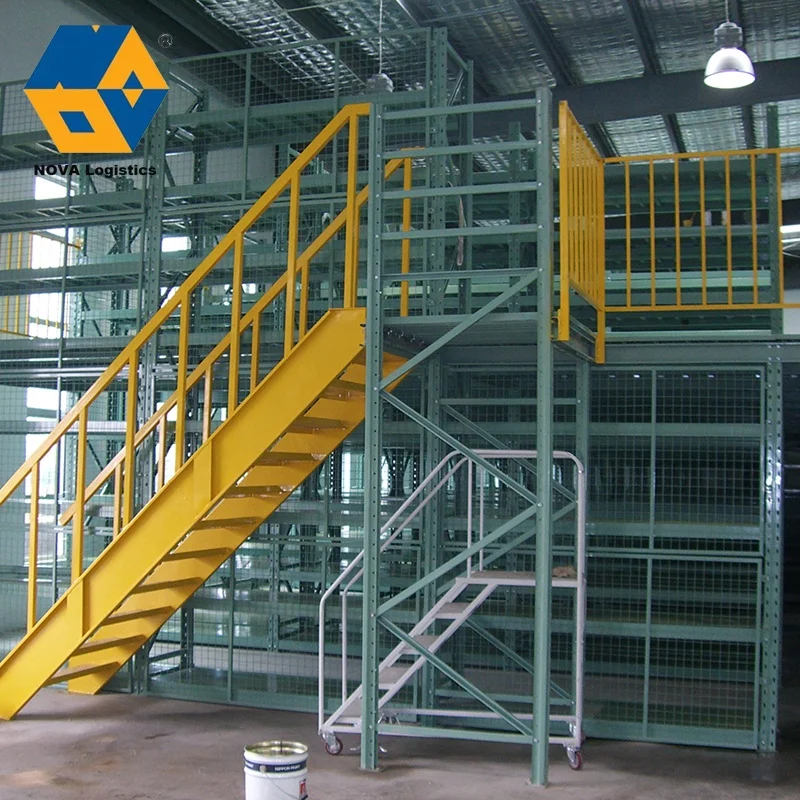
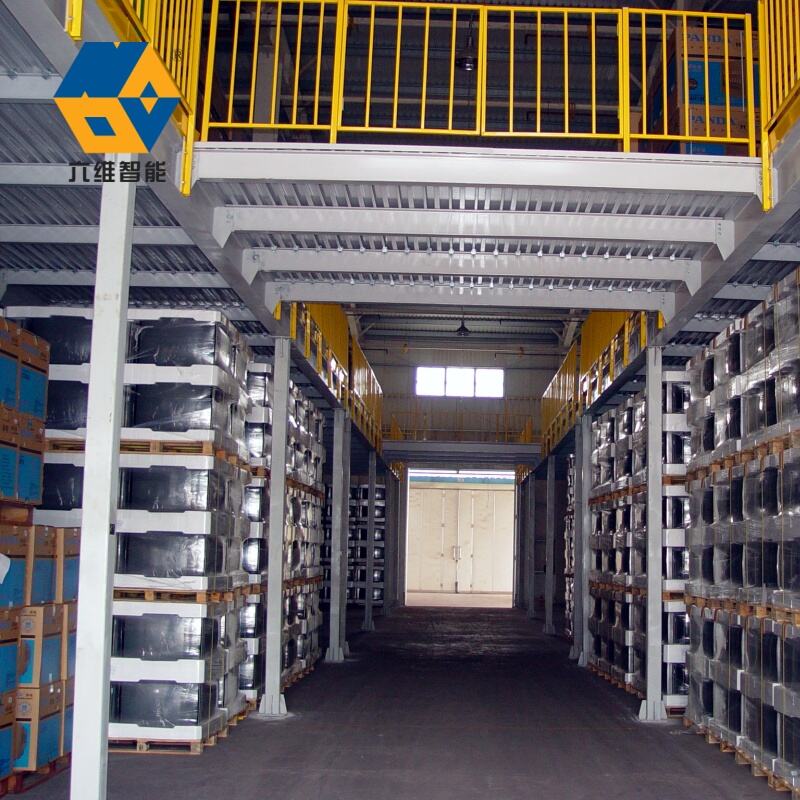
Industrial storage racking systems offer remarkable versatility through customizable configurations that address the unique storage challenges presented by different product types, handling methods, and operational workflows across various industries. This adaptability ensures businesses invest in solutions precisely matched to their specific requirements rather than forcing operations to conform to generic storage approaches that compromise efficiency. Selective pallet racking serves as the foundational configuration, providing maximum flexibility for operations handling diverse product mixes requiring individual pallet access, while adjustable beam heights accommodate products of varying dimensions without system redesign. Businesses storing long items like lumber, piping, steel bars, or carpeting benefit from cantilever racking designs that eliminate front columns, allowing unobstructed loading of extended materials that would be impossible to manage in conventional racking structures. Double-deep racking configurations increase storage density by positioning pallets two-deep while maintaining reasonable selectivity for operations willing to accept slightly reduced access in exchange for capacity gains. Industries managing high volumes of similar products maximize space through drive-in systems that sacrifice individual pallet access for dramatic density improvements, ideal for cold storage operations where building and climate control costs justify compact arrangements. Push-back racking employs wheeled carts on inclined rails that allow multiple pallets to nest in single positions, automatically presenting the next pallet as front units are removed, combining density with better rotation than static deep storage. Pallet flow systems use roller conveyors on slight inclines to move products from loading faces to picking faces through gravity, ensuring first-in-first-out rotation critical for dated products in food, pharmaceutical, and chemical industries. Mezzanine systems create entirely new floor levels within existing structures, doubling or tripling usable area for hand-picked items, offices, or light manufacturing operations without building additions. Carton flow racks employ smaller roller or wheel tracks for case picking in distribution operations, presenting products at ergonomic angles that reduce picker fatigue while maintaining organized replenishment from rear positions. Mobile racking systems mounted on powered carriages eliminate permanently fixed aisles, allowing single access corridors to move between compacted storage sections, achieving archive-density storage while maintaining complete accessibility. This configuration flexibility means industrial storage racking systems remain valuable assets as business needs evolve, with reconfiguration options protecting initial investments against obsolescence when product lines change or operational strategies shift in response to market conditions.

Get a Free Quote

Our representative will contact you soon.
Email
Name
Company Name
Message
0/1000

Get a Free Quote

Our representative will contact you soon.
Email
Name
Company Name
Message
0/1000