Processus Installationis Celeris cum Minima Interruptione Operationum
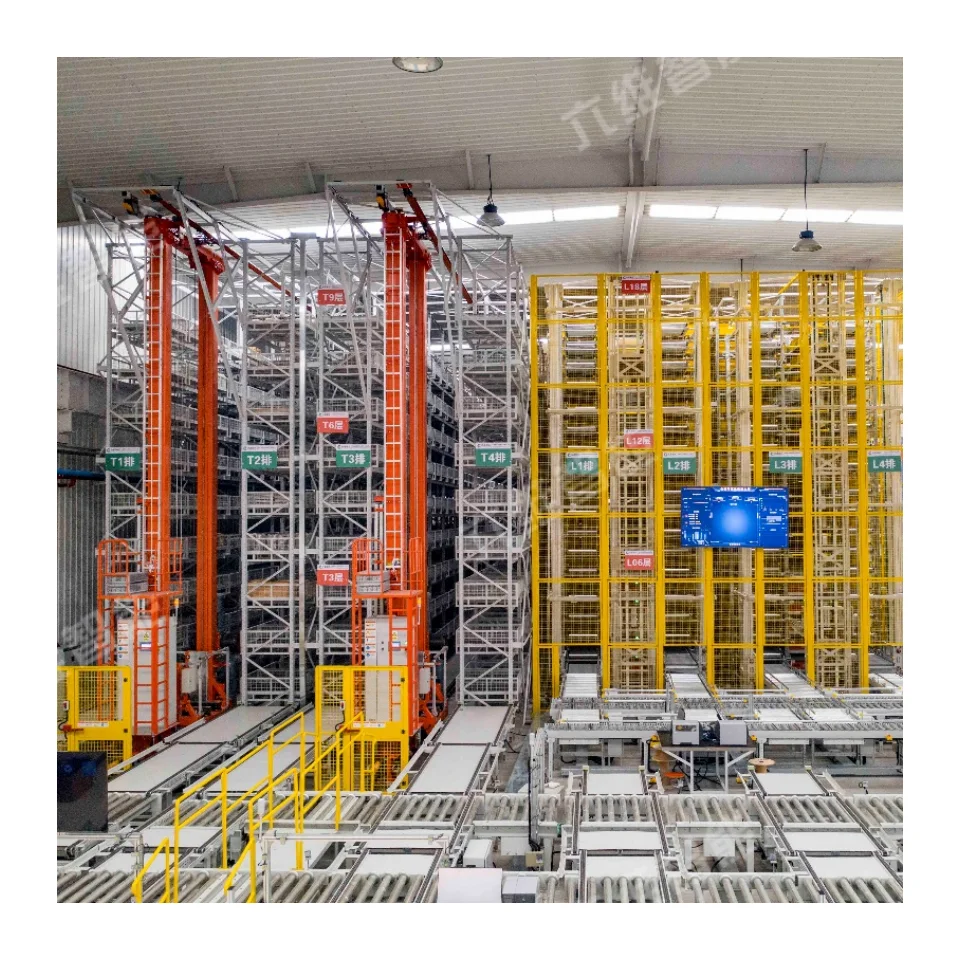
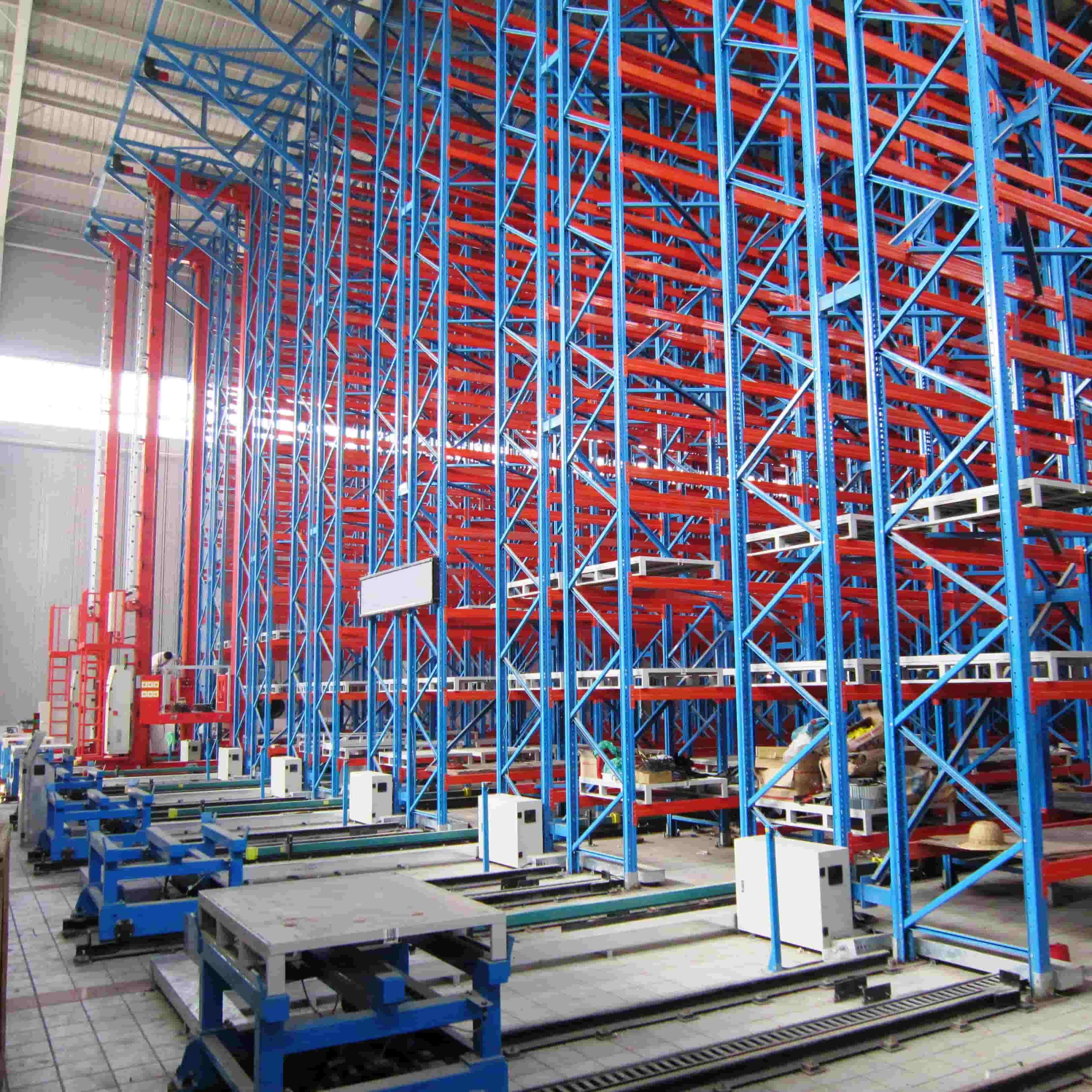
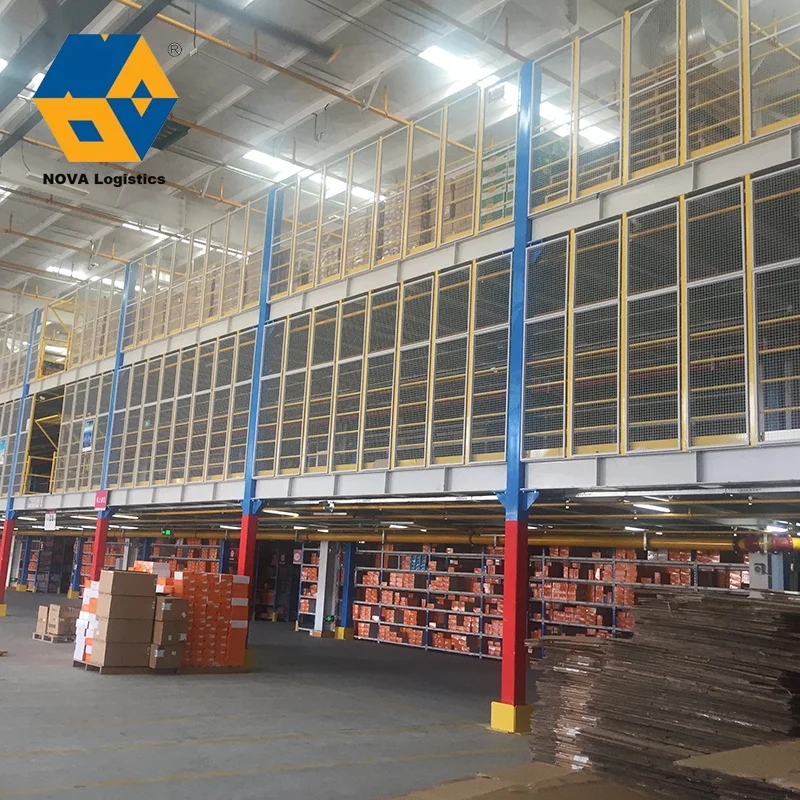
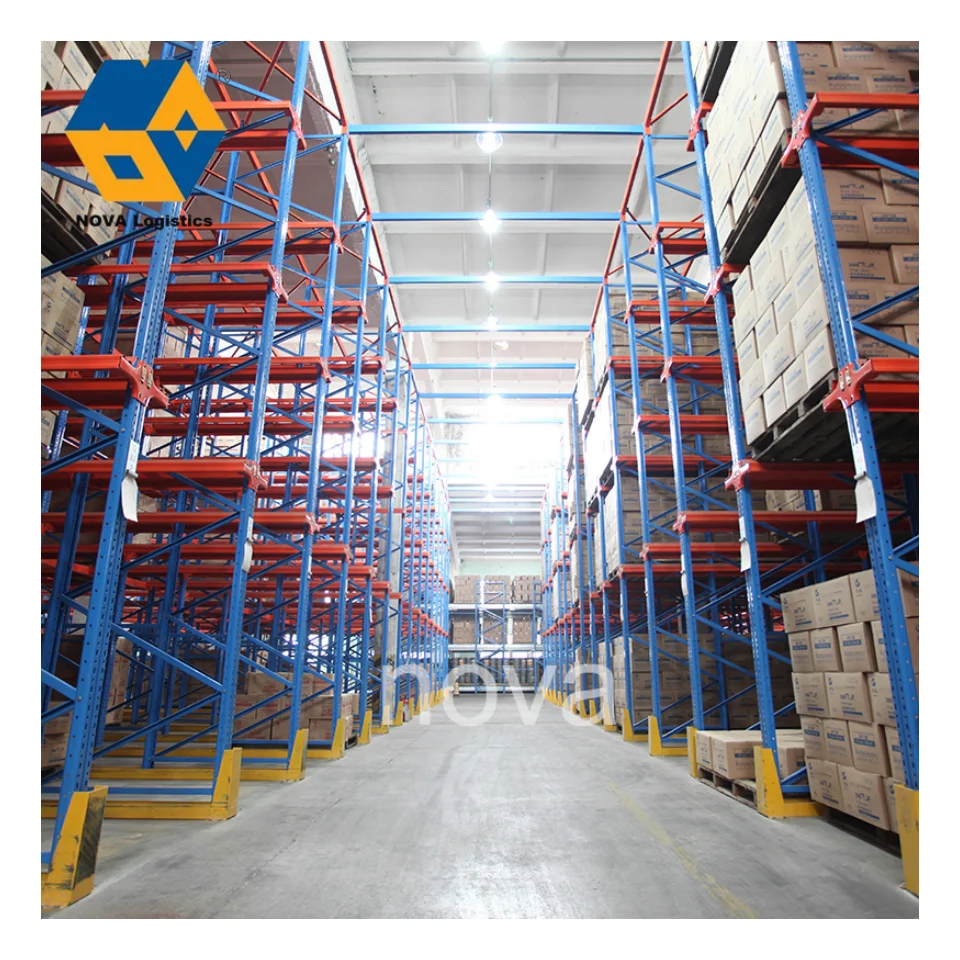
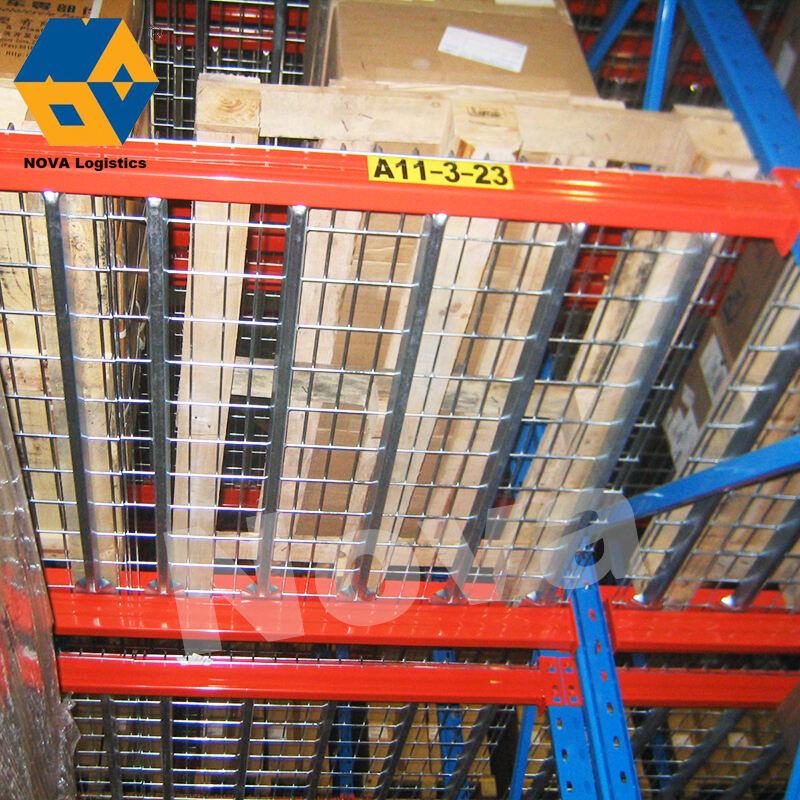
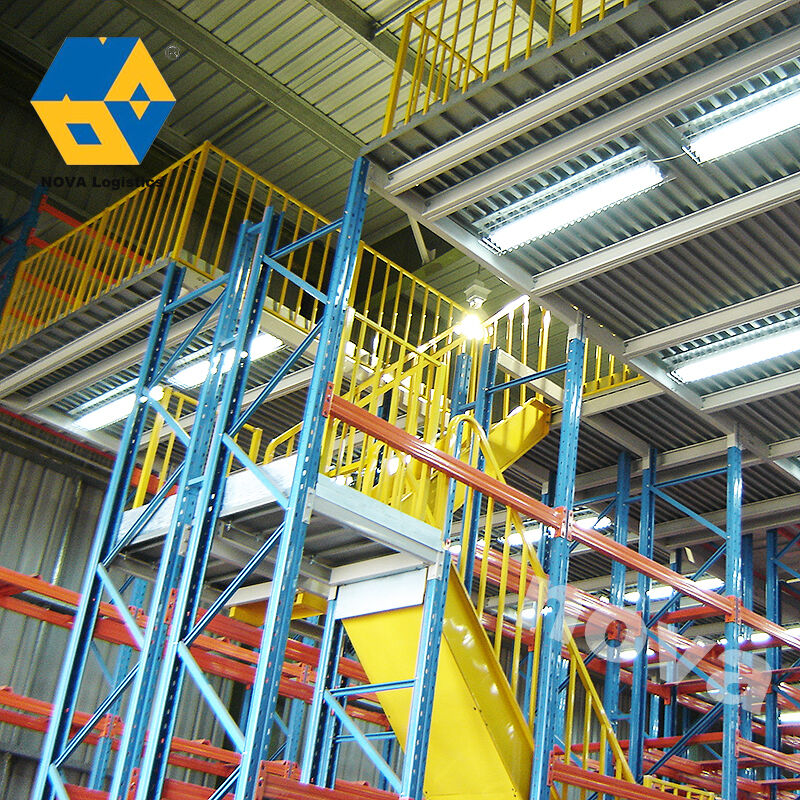
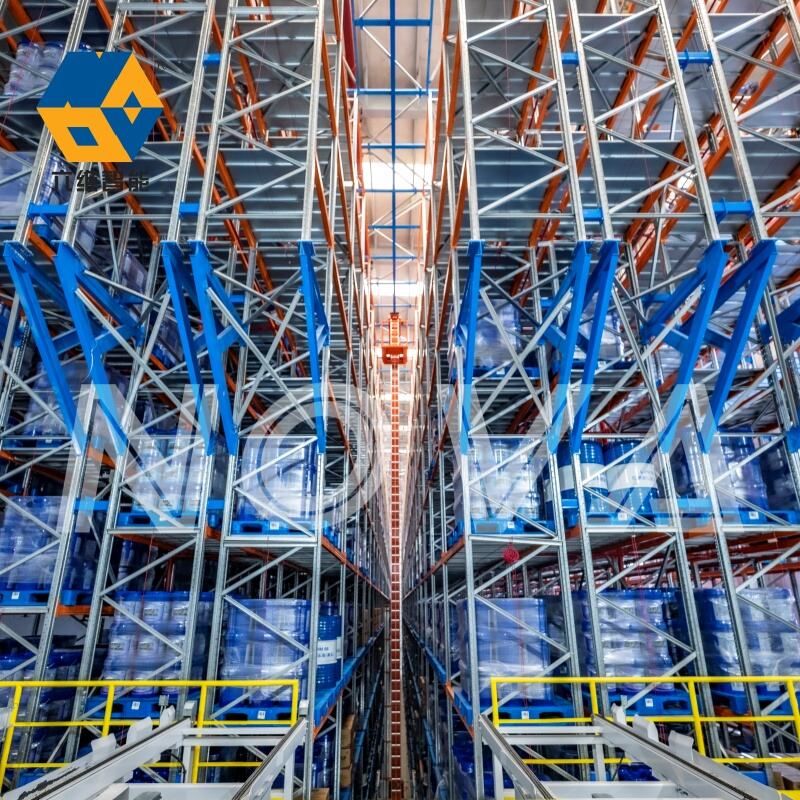
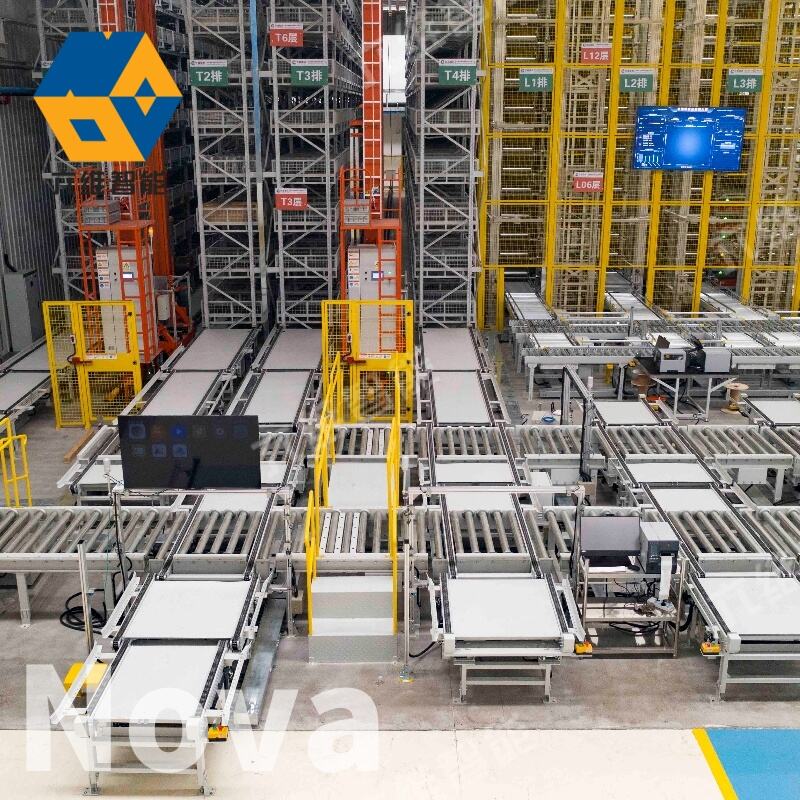
Methodus installationis, quae cum systematibus industrialibus ex armatura ferrea coniungitur, praerogativam criticam repraesentat, quae saepe in aestimatione solutionum ad conservandum neglecta est, at tamen magnopere influit in tempora operis, impensas executionis, et continuitatem negotiorum dum in aedificiis mutationes fiunt. Contra structuras permanentes ad conservandum, quae amplas operationes aedificatorias, effusionem caementorum, et longos periodos indurationis postulant, installationes industrialium armaturarum ferrearum per proceduras expeditas fiunt, quae spatium pavimenti vacuum in capactatem conservandi functionalem convertunt intra breves temporum limites. Processus ab aestimatione loci a peritis initium capit, ubi specialistae installationis conditiones pavimenti examinant, tolerantes aequationis verificant, obstacula superiora detegunt, et spatia libera ab parietibus, columnis, et systematibus aedificii confirmant, ut dispositio planificata armaturarum ferrearum industrialium perfecte cum proprietatibus aedificii iam existentibus congruat. Moderna componentia armaturarum ferrearum industrialium in locis installationis ut congregationes praefabricatae adveniunt, quae tantummodo iunctiones postulant, non autem fabricationem in loco, quod tempora installationis maxime accelerat comparatione ad alternativas ad usum specialem fabricatas. Turmae installationis plerumque magnos opuscula armaturarum ferrearum industrialium diebus, non hebdomadibus, perficiunt, utentes technicis efficacibus ad congregationem, quae ordinem erectionis structurae, installationis trabium, integrationis componentium tutelaris, et procedurarum ancorationis sequuntur, ita ut activitates supervacuae minuantur. Methodus constructionis per coniunctionem bullarum, quae in bonis systematibus armaturarum ferrearum industrialium adhibetur, necessitatem soldationis tollit, pericula incendii, curas de ventilatione, et difficultates permittendorum operum calidorum minuens, quae installationem in aedificiis activis complicare solent. Procedurae ancorationis in pavimento armaturas ferreas industriales ad tabulas caementarias per ancyra expansionis vel laminas immersas firmant, onera sismica et operationum secure distribuentes, simul reversibilitatem installationis servantes, si postea mutatio dispositionis necessaria evenerit. Fortasse maxime pro continuitate operationum, methodi installationis per partes permittunt ut negotia systemata armaturarum ferrearum industrialium gradatim implementent, sectiones aedificii successive convertentes, dum operationes in partibus adiacentibus peraguntur, sic evitando intermissionem totam operationum, quae promissa ad clientes et fluxus redituum periclitari possunt. Turmae professionalium installationis arcte cum magistris aedificii coordinantur, ut actus in temporibus minoris voluminis disponantur, perturbationem normalium fluxuum operum minuentes et effectum in productivitate reducentes. Naturam etiam normalis componentium armaturarum ferrearum industrialium futuras mutationes simplicat, ut negotia capactatem augere, dispositiones mutare, aut systemata ad novas necessitates accommodare possint, eadem methodo installationis efficaci utentes, quae flexibilitatem longi temporis servat sine magnis operibus capitalibus. Inspectiones post installationem rectam congregationem verificant, placardorum capacitas oneris confirmant, et functionem characteristicarum tutelaris probant, documenta praebentes quae adimplentur ad regulas et ad condiciones assicuratorum. Haec efficacia installationis in celeriore reditu super investitionem vertitur, quoniam negotia beneficia armaturarum ferrearum industrialium statim post consummationem operis experiuntur, non autem per longos periodos executionis patiuntur, quae meliorationes operationum et reditus pecuniarios, qui ex emendatis facultatibus conservandi oriuntur, differunt.

 EN
EN