Steel Rack Industrial Systems: Heavy-Duty Storage Solutions for Warehouses and Facilities

All Categories

Get a Free Quote

Our representative will contact you soon.
Email
Name
Company Name
Message
0/1000

steel rack industrial

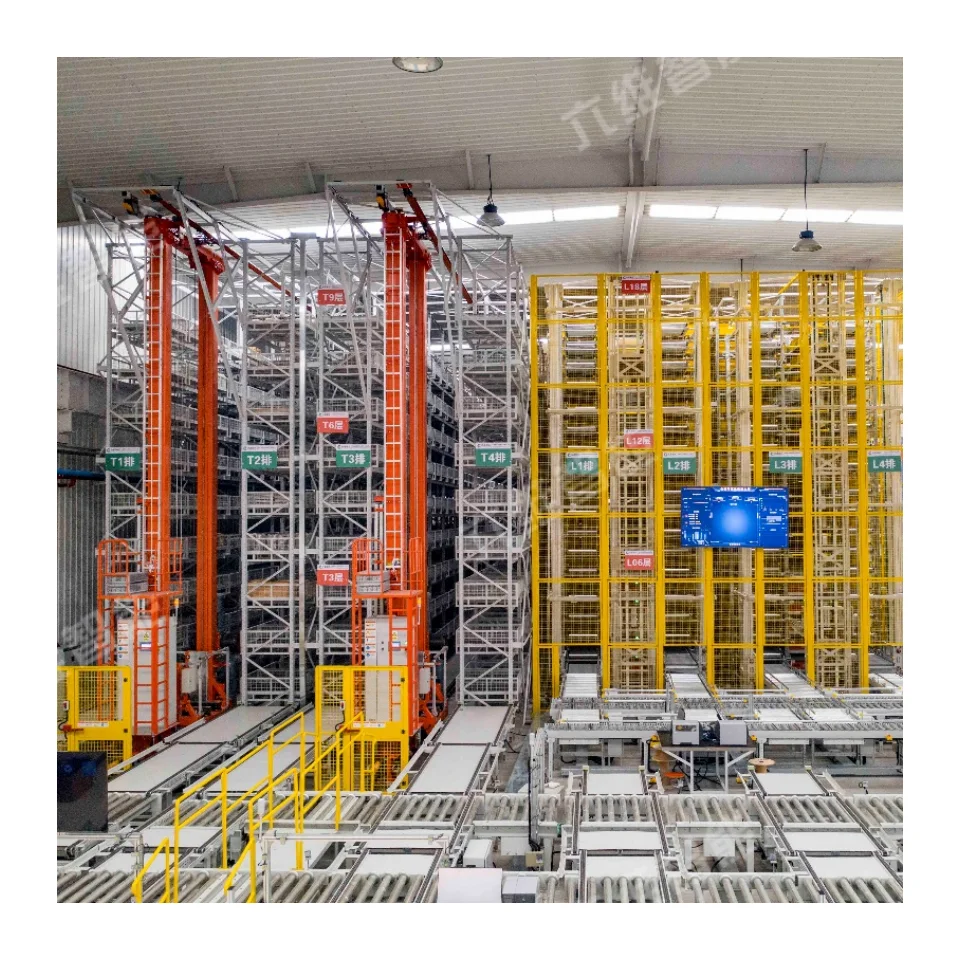
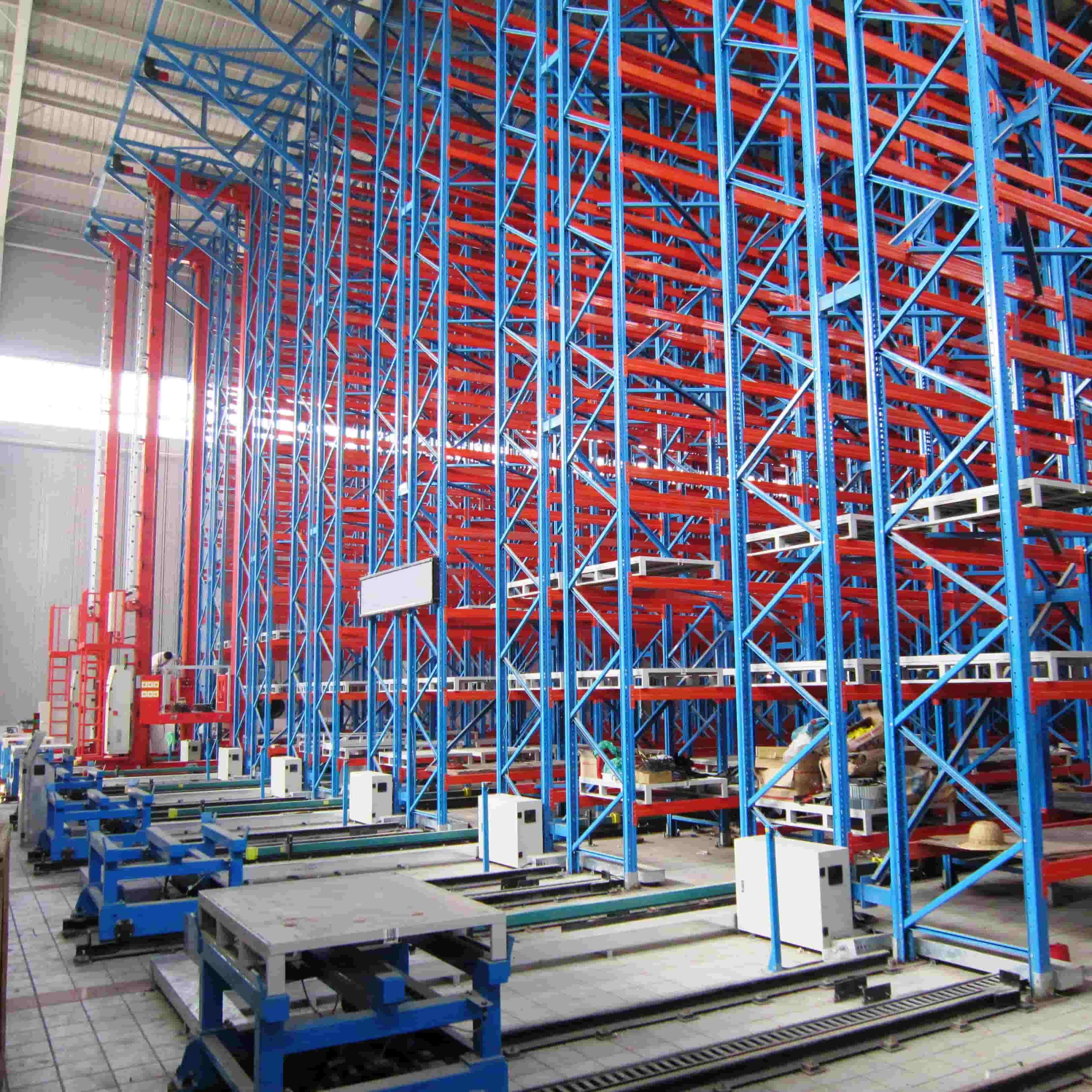
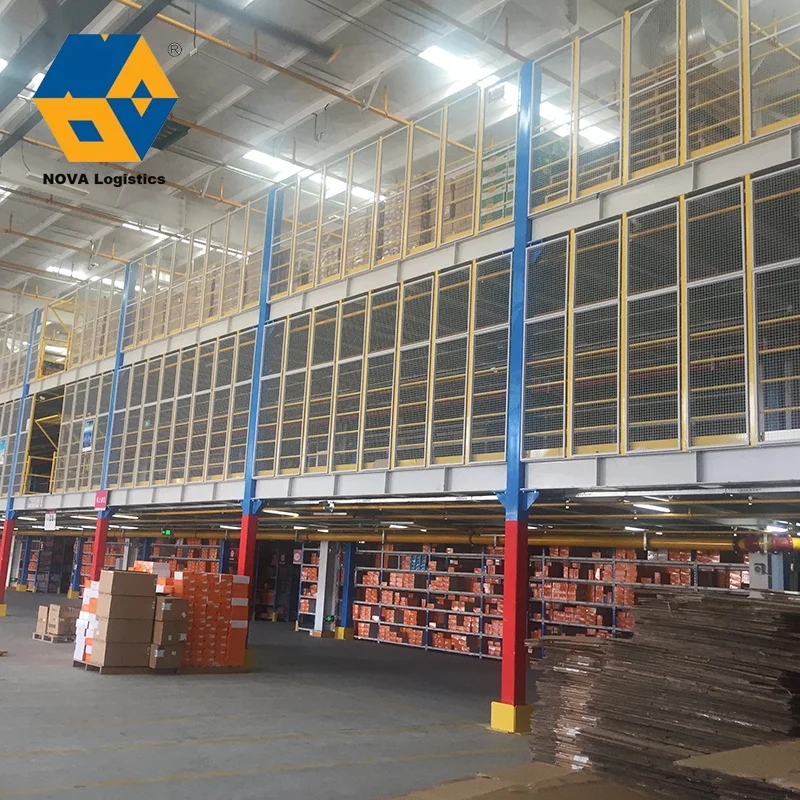
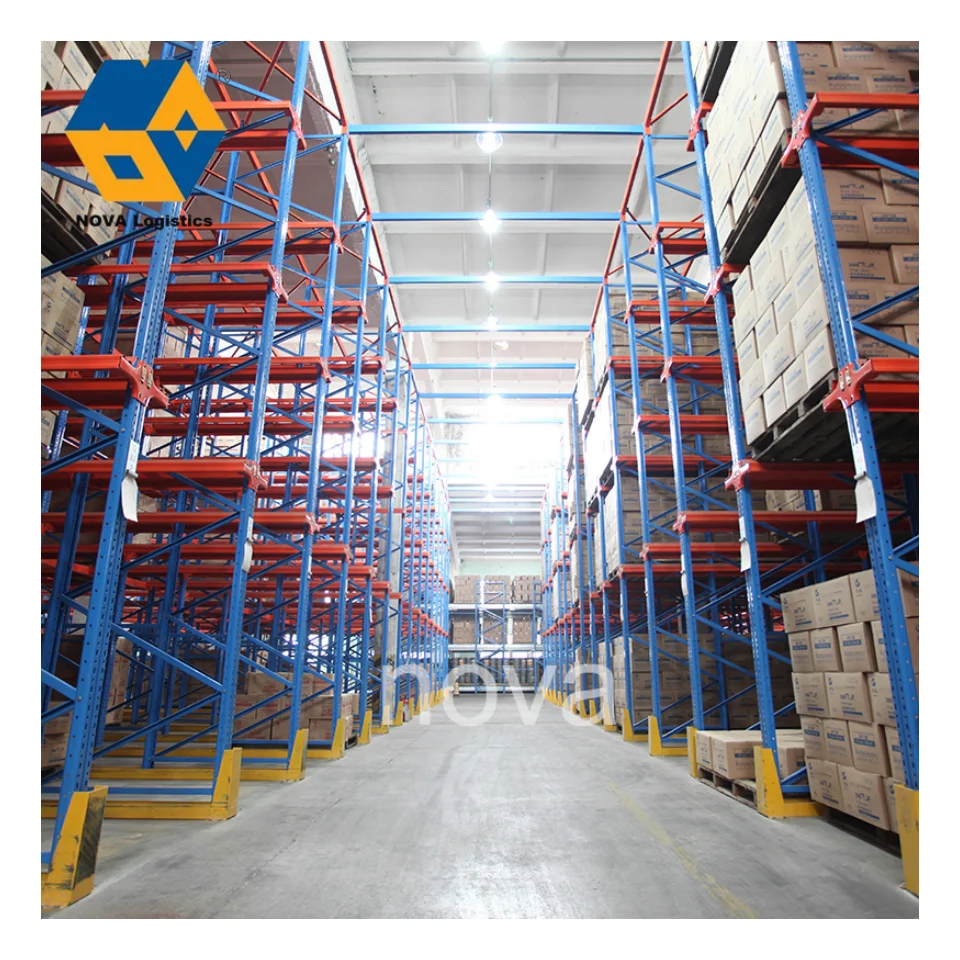
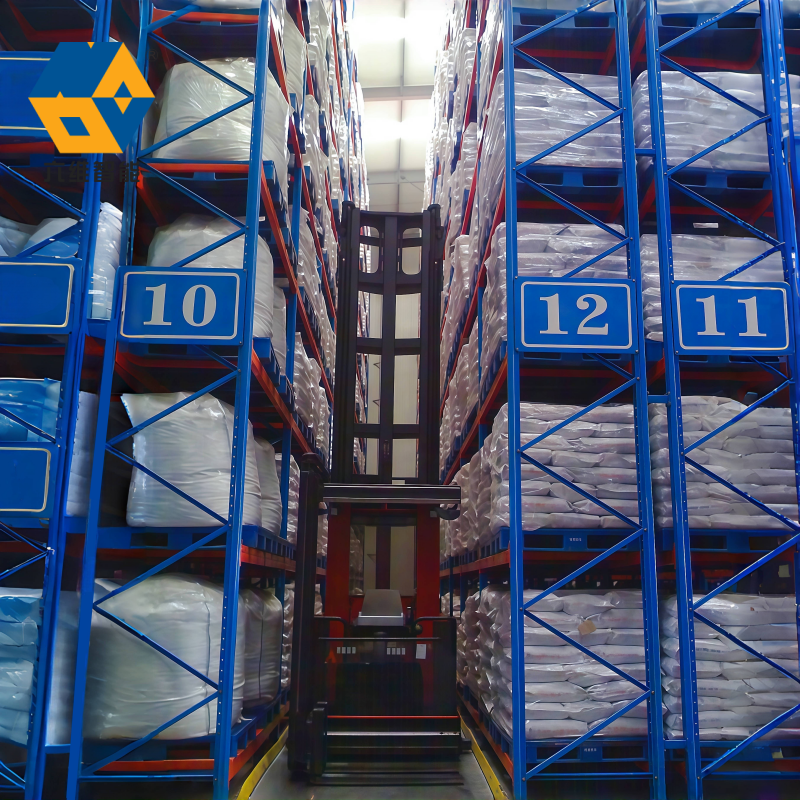
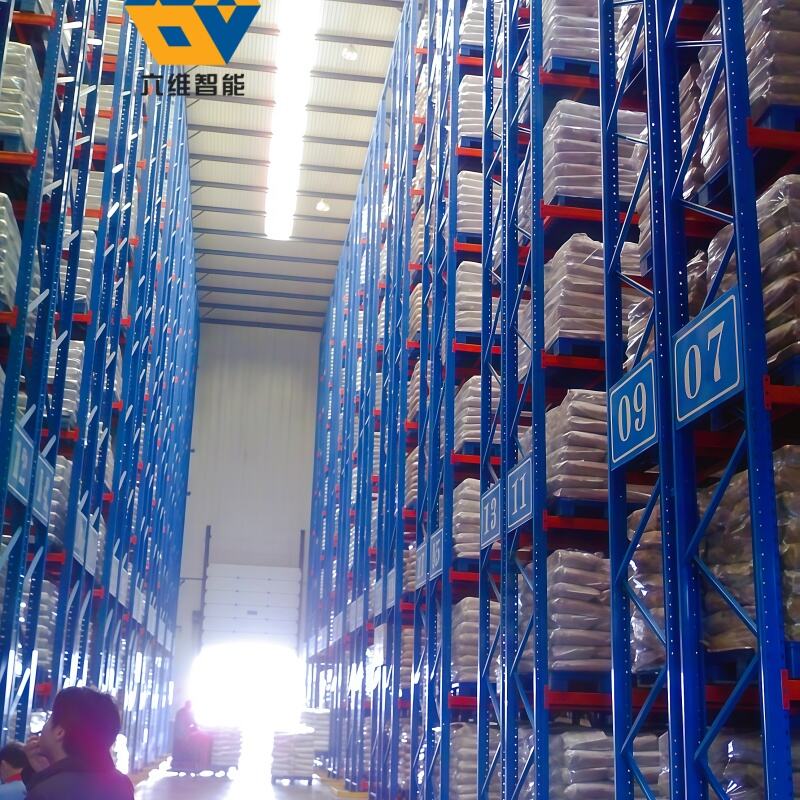
Steel rack industrial systems represent essential storage solutions designed specifically for warehouses, manufacturing facilities, distribution centers, and commercial operations requiring efficient space utilization and organized inventory management. These robust structures comprise vertical frames, horizontal beams, and decking components manufactured from high-grade steel materials, engineered to withstand substantial weight loads while maintaining structural integrity over extended operational periods. The steel rack industrial framework provides systematic storage capabilities that transform vertical space into valuable inventory zones, enabling businesses to maximize square footage without facility expansion. These systems accommodate diverse product types, ranging from small components and boxed merchandise to oversized equipment and palletized goods. The fundamental architecture of steel rack industrial installations allows for customizable configurations, adapting to specific operational requirements through adjustable beam heights, variable bay widths, and modular expansion capabilities. Modern steel rack industrial designs incorporate safety features including load capacity indicators, anti-collapse mechanisms, and reinforced anchoring systems that comply with international safety standards and building codes. The versatility of steel rack industrial solutions extends across multiple sectors, serving automotive parts warehouses, pharmaceutical distribution facilities, retail backroom operations, food processing plants, electronics manufacturing centers, and logistics hubs. Installation processes follow standardized methodologies ensuring proper alignment, secure anchoring, and optimal load distribution throughout the structure. The engineering behind steel rack industrial systems considers weight distribution principles, seismic activity requirements, and operational workflow patterns to deliver storage infrastructure that enhances productivity while minimizing safety risks. These industrial-grade storage frameworks support inventory management systems through compatible labeling zones, barcode scanning accessibility, and picking route optimization. The steel rack industrial category encompasses various specialized configurations including selective pallet racking, drive-in systems, push-back arrangements, cantilever designs for lengthy materials, and mobile carriage systems for high-density storage requirements. Each configuration addresses specific operational challenges while maintaining the core benefits of durability, accessibility, and space efficiency that define steel rack industrial applications across global markets.

New Product Recommendations

Implementing steel rack industrial systems delivers transformative benefits that directly impact operational efficiency and financial performance for businesses of all scales. The primary advantage centers on space optimization, as these vertical storage solutions multiply usable storage capacity by utilizing overhead space that typically remains underutilized in traditional storage approaches. Companies experience immediate improvements in inventory accessibility, with organized storage configurations enabling staff to locate and retrieve items quickly, reducing order fulfillment times and eliminating productivity losses associated with searching through disorganized storage areas. The durability of steel rack industrial construction ensures long-term value, as quality steel materials resist corrosion, withstand daily operational demands, and maintain structural stability under continuous loading and unloading cycles, eliminating frequent replacement costs associated with inferior storage alternatives. Safety enhancements represent another significant advantage, as properly installed steel rack industrial systems reduce workplace accidents by creating defined storage zones, preventing unstable stacking practices, and incorporating safety features that protect both personnel and inventory. Financial benefits extend beyond initial space gains, as improved organization reduces inventory shrinkage, prevents product damage from improper storage, and enables accurate stock counting procedures that support inventory control objectives. The flexibility inherent in steel rack industrial designs allows businesses to adapt storage configurations as operational needs evolve, accommodating product line expansions, seasonal inventory fluctuations, and changing merchandise dimensions without complete system replacement. Operational efficiency increases substantially as steel rack industrial installations support mechanized handling equipment including forklifts and pallet jacks, enabling rapid material movement and reducing manual labor requirements. Businesses gain competitive advantages through faster order processing, improved stock rotation capabilities, and enhanced ability to handle larger inventory volumes within existing facility footprints. The professional appearance of steel rack industrial systems creates positive impressions during client visits and regulatory inspections, demonstrating organizational commitment to proper inventory management and workplace safety standards. Environmental considerations also favor steel rack industrial solutions, as steel materials offer recyclability at end-of-life, and space efficiency reduces facility heating and cooling costs by concentrating inventory in defined zones. Return on investment calculations consistently favor steel rack industrial implementations, as productivity gains, reduced labor costs, prevented product losses, and eliminated facility expansion expenses combine to recover initial investment costs within predictable timeframes. The scalability of steel rack industrial systems means businesses can start with essential configurations and expand incrementally as growth demands, avoiding excessive upfront capital commitments while maintaining upgrade pathways that preserve existing investments.

Practical Tips

How Do Heavy Duty Rack Structures Improve Warehouse Safety?

20

May

How Do Heavy Duty Rack Structures Improve Warehouse Safety?

Warehouse safety is not an accidental outcome — it is the direct result of thoughtful infrastructure decisions. Among the most impactful of those decisions is the choice to invest in a properly engineered heavy duty rack system. These structures are ...
View More
How Can a Mezzanine Improve Workflow and Storage Organization?

13

Jan

How Can a Mezzanine Improve Workflow and Storage Organization?

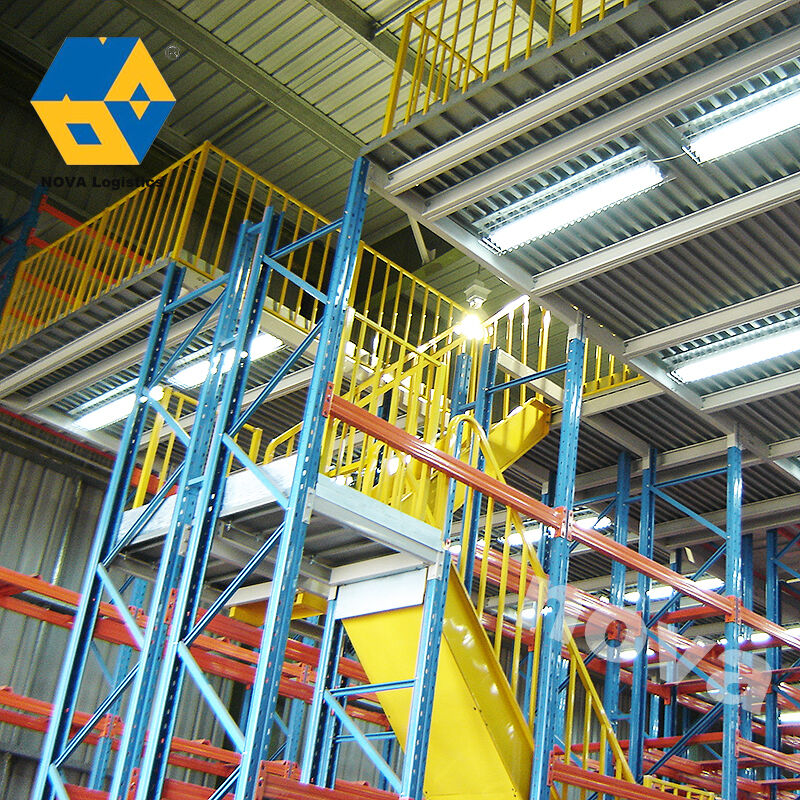
Modern warehouses face increasing pressure to maximize storage capacity while maintaining efficient workflow operations. A warehouse mezzanine offers an innovative solution that transforms vertical space into valuable storage and operational areas. T...
View More
What Makes Automated Storage and Retrieval Systems Ideal for Modern Warehouses?

05

Feb

What Makes Automated Storage and Retrieval Systems Ideal for Modern Warehouses?

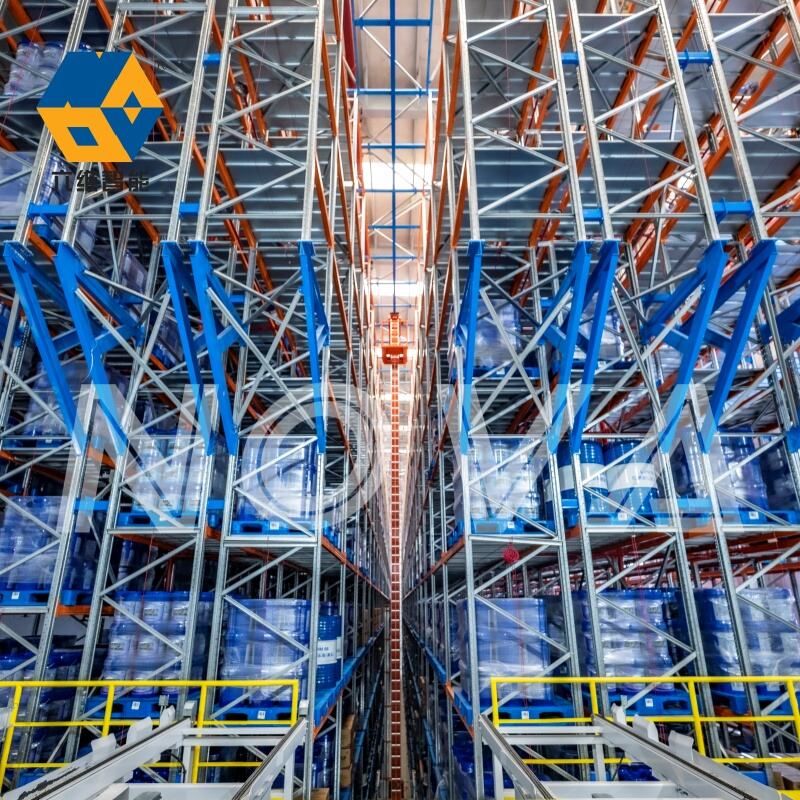
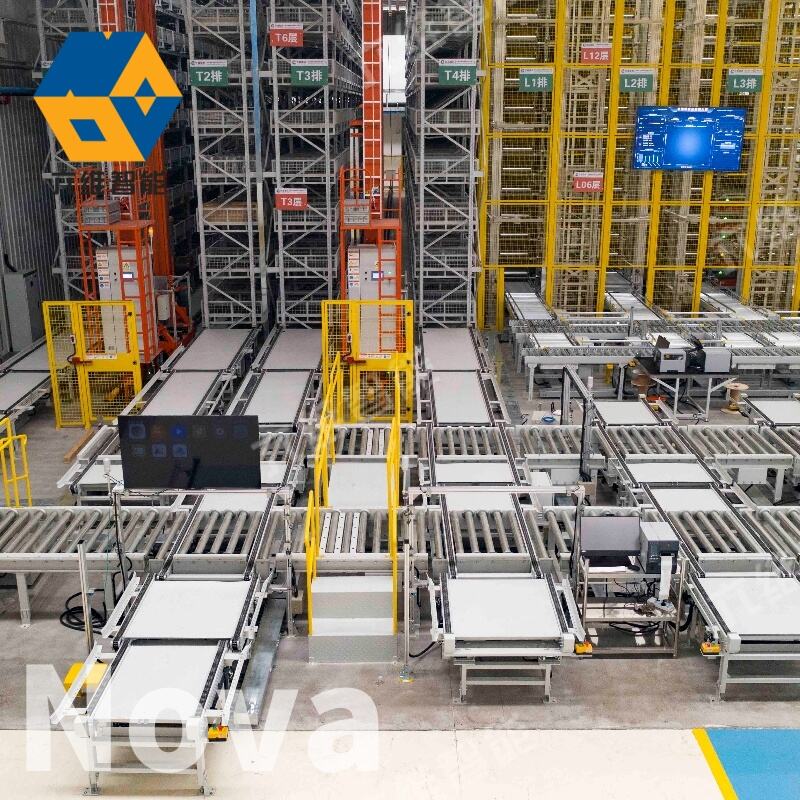
Modern warehouses face unprecedented challenges in managing inventory efficiently while meeting growing customer demands for faster delivery times. The implementation of an automated storage and retrieval system represents a transformative solution t...
View More
How to Optimize Warehouse Space with Heavy Duty Pallet Racks?

16

Mar

How to Optimize Warehouse Space with Heavy Duty Pallet Racks?

Warehouse space optimization has become a critical concern for businesses seeking to maximize storage capacity while minimizing operational costs. The implementation of proper storage solutions can dramatically transform warehouse efficiency, with he...
View More

Get a Free Quote

Our representative will contact you soon.
Email
Name
Company Name
Message
0/1000

steel rack industrial

Exceptional Load-Bearing Capacity and Structural Durability

Exceptional Load-Bearing Capacity and Structural Durability

The engineering excellence behind steel rack industrial systems manifests most prominently in their extraordinary load-bearing capabilities, which form the foundation of their widespread adoption across demanding industrial environments. Manufacturers construct these systems using premium-grade structural steel, selected specifically for its superior tensile strength, compression resistance, and fatigue endurance properties that enable sustained performance under extreme operational conditions. The steel rack industrial framework undergoes precision engineering calculations that account for distributed weight patterns, concentrated load points, and dynamic stress factors occurring during loading and unloading operations, ensuring each component operates within safe stress parameters throughout its service life. Advanced manufacturing processes including computer-controlled cutting, robotic welding, and powder-coating application create components with consistent dimensional accuracy and protective finishes that resist environmental degradation. The vertical frames of steel rack industrial systems feature reinforced column designs with strategic perforation patterns that reduce material weight while maintaining structural integrity, allowing for beam height adjustments without compromising load capacity ratings. Horizontal beams incorporate specialized locking mechanisms that secure firmly to vertical uprights, creating rigid connections capable of transferring loads efficiently throughout the structure while permitting tool-free reconfiguration when operational needs change. Load capacity ratings for steel rack industrial installations typically range from several hundred pounds per shelf level in light-duty configurations to multiple tons per beam pair in heavy-duty applications, accommodating everything from archive boxes to industrial machinery components. This remarkable strength enables businesses to consolidate inventory vertically, reducing floor space requirements while maintaining full accessibility to stored materials. The durability aspect extends beyond pure load capacity, encompassing resistance to impact damage from material handling equipment, tolerance for temperature variations in uncontrolled warehouse environments, and resilience against moisture exposure in facilities lacking complete climate control. Quality steel rack industrial systems maintain performance specifications across decades of continuous operation, with many installations exceeding twenty-year service lives while requiring only minimal maintenance interventions. This longevity translates directly to superior total cost of ownership compared to alternative storage approaches that demand frequent repairs, component replacements, or complete system renewals. The structural reliability of steel rack industrial frameworks also supports safety compliance objectives, as stable storage systems reduce collapse risks, prevent falling object hazards, and create predictable operational environments where workers can perform duties confidently.
Customizable Configuration Options for Diverse Operational Requirements

Customizable Configuration Options for Diverse Operational Requirements

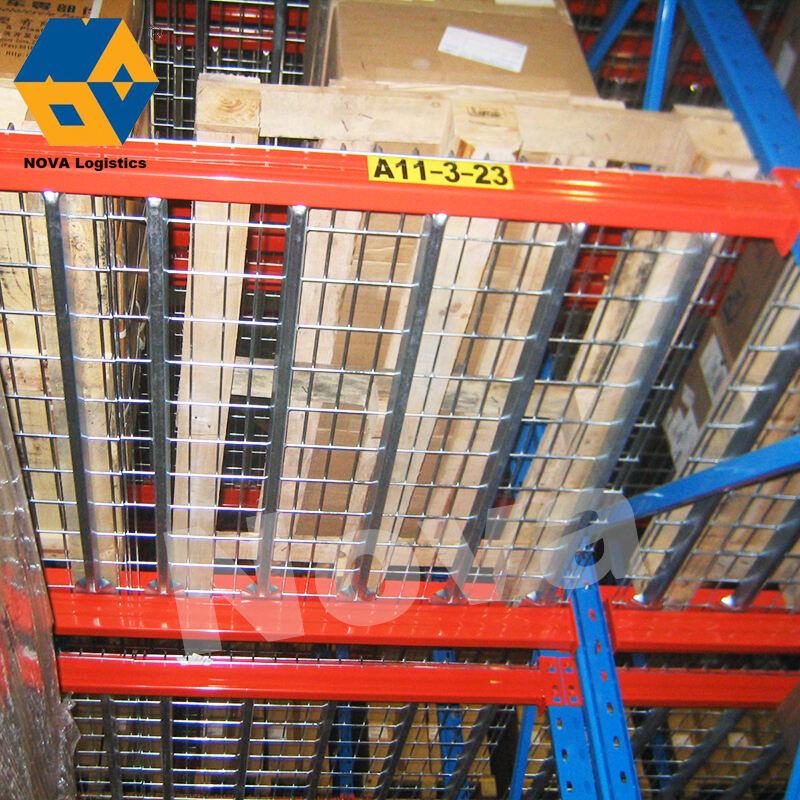
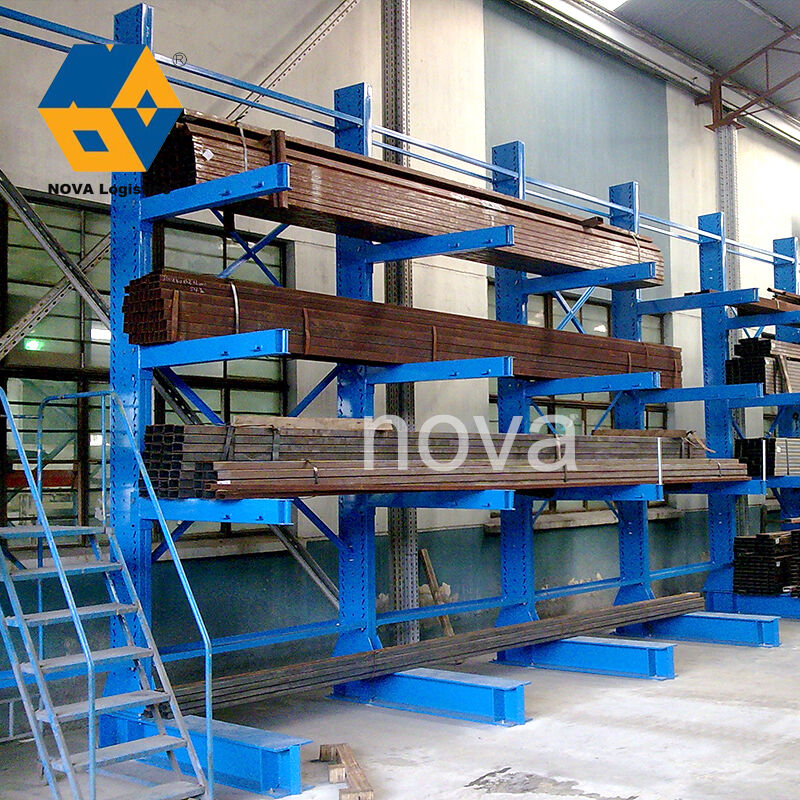
The remarkable adaptability of steel rack industrial systems distinguishes them as universal storage solutions capable of addressing vastly different operational scenarios across industries and facility types. This flexibility begins with modular design principles that treat steel rack industrial installations as component-based systems rather than fixed structures, enabling businesses to specify configurations precisely matching their unique storage challenges, inventory characteristics, and workflow patterns. Bay widths in steel rack industrial designs adjust to accommodate various pallet sizes, container dimensions, and equipment clearance requirements, with standard configurations supporting common pallet footprints while custom options address oversized or irregularly shaped items. Vertical beam spacing provides another customization dimension, allowing operators to establish shelf heights optimized for specific product dimensions, maximizing space utilization by minimizing wasted vertical gaps while ensuring adequate clearance for safe loading operations. The steel rack industrial category encompasses multiple specialized system types, each engineered for particular operational advantages: selective racking configurations provide direct access to every stored pallet, ideal for operations requiring frequent SKU access and first-in-first-out inventory rotation; drive-in and drive-through systems maximize density by eliminating aisles between rack rows, perfect for high-volume storage of identical products where last-in-first-out rotation proves acceptable; push-back rack designs combine density benefits with improved selectivity through gravity-fed cart systems that automatically present the next pallet after removal; cantilever rack configurations eliminate vertical obstructions, specifically engineered for storing lengthy materials like lumber, piping, and steel bars; mobile carriage systems mount entire rack sections on motorized bases, creating aisles on demand while achieving storage densities approaching static shelving. Beyond these fundamental types, steel rack industrial systems accommodate countless refinements including wire decking for improved load distribution and fire suppression effectiveness, pallet supports preventing pallet beam deflection, back and side guards containing stored materials, and specialized accessories addressing cold storage requirements, corrosive environments, or cleanroom specifications. The customization extends to capacity optimization, as engineers can specify heavier gauge materials, reinforced connections, and additional bracing for applications demanding extreme load capacities, or alternatively select lighter components for archive storage and small parts organization where cost efficiency takes priority. This configurability ensures steel rack industrial investments align precisely with operational realities rather than forcing businesses to adapt processes to rigid storage constraints.
Rapid Installation Process with Minimal Operational Disruption

Rapid Installation Process with Minimal Operational Disruption

The installation methodology associated with steel rack industrial systems represents a critical advantage often overlooked during storage solution evaluations, yet significantly impacting project timelines, implementation costs, and business continuity during facility upgrades. Unlike permanent storage structures requiring extensive construction activities, concrete pouring, and lengthy curing periods, steel rack industrial installations follow streamlined procedures that transform empty floor space into functional storage capacity within compressed timeframes. The process begins with professional site assessment where installation specialists evaluate floor conditions, verify level tolerances, identify overhead obstructions, and confirm compliance clearances from walls, columns, and building systems, ensuring the planned steel rack industrial layout integrates seamlessly with existing facility characteristics. Modern steel rack industrial components arrive at installation sites as prefabricated assemblies requiring only connection procedures rather than field fabrication, dramatically accelerating installation schedules compared to custom-built alternatives. Installation crews typically complete substantial steel rack industrial projects within days rather than weeks, utilizing efficient assembly techniques that sequence frame erection, beam installation, safety component integration, and anchoring procedures in logical progressions minimizing redundant activities. The bolt-together construction methodology employed in quality steel rack industrial systems eliminates welding requirements, reducing fire hazards, ventilation concerns, and hot work permitting complications that complicate installation in active facilities. Floor anchoring procedures secure steel rack industrial frames to concrete slabs using expansion anchors or embedded plates, distributing seismic and operational loads safely while maintaining installation reversibility should future reconfigurations prove necessary. Perhaps most significantly for operational continuity, phased installation approaches allow businesses to implement steel rack industrial systems incrementally, converting facility sections sequentially while maintaining ongoing operations in adjacent areas, avoiding complete operational shutdowns that jeopardize customer commitments and revenue streams. Professional installation teams coordinate closely with facility managers to schedule activities during low-volume periods, minimizing interference with normal workflows and reducing productivity impacts. The standardized nature of steel rack industrial components also simplifies future modifications, as businesses can expand capacity, reconfigure layouts, or adapt systems to new requirements using the same efficient installation methodologies, preserving long-term flexibility without major capital projects. Post-installation inspections verify proper assembly, confirm load capacity placarding, and validate safety feature functionality, providing documentation supporting regulatory compliance and insurance requirements. This installation efficiency translates to faster return on investment realization, as businesses begin experiencing steel rack industrial benefits immediately upon project completion rather than enduring extended implementation periods that delay operational improvements and financial returns associated with enhanced storage capabilities.


Get a Free Quote

Our representative will contact you soon.
Email
Name
Company Name
Message
0/1000

Get a Free Quote

Our representative will contact you soon.
Email
Name
Company Name
Message
0/1000