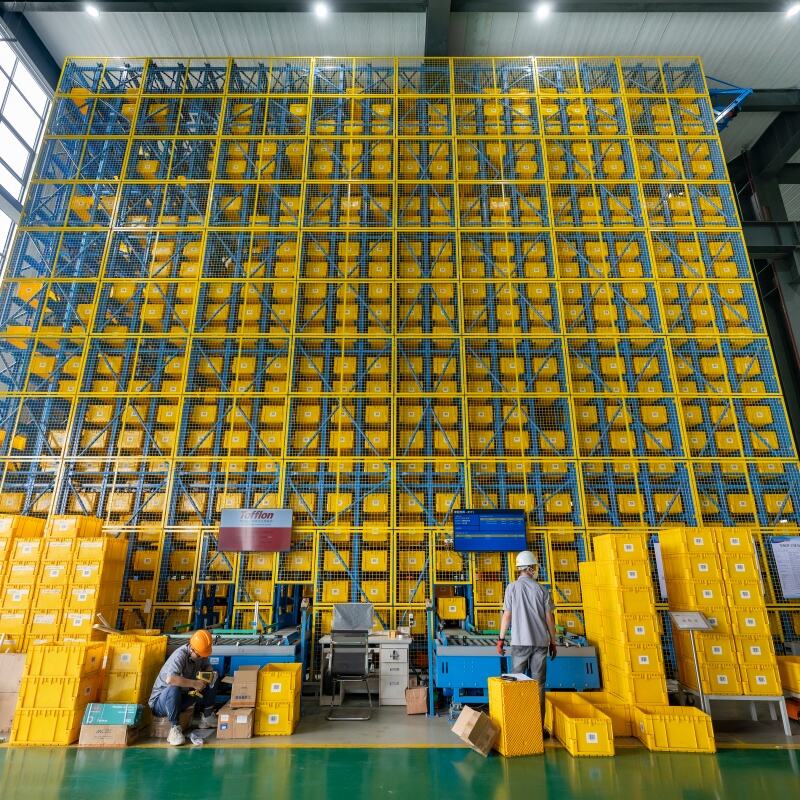
sistema ng pag-iimbak na miniload
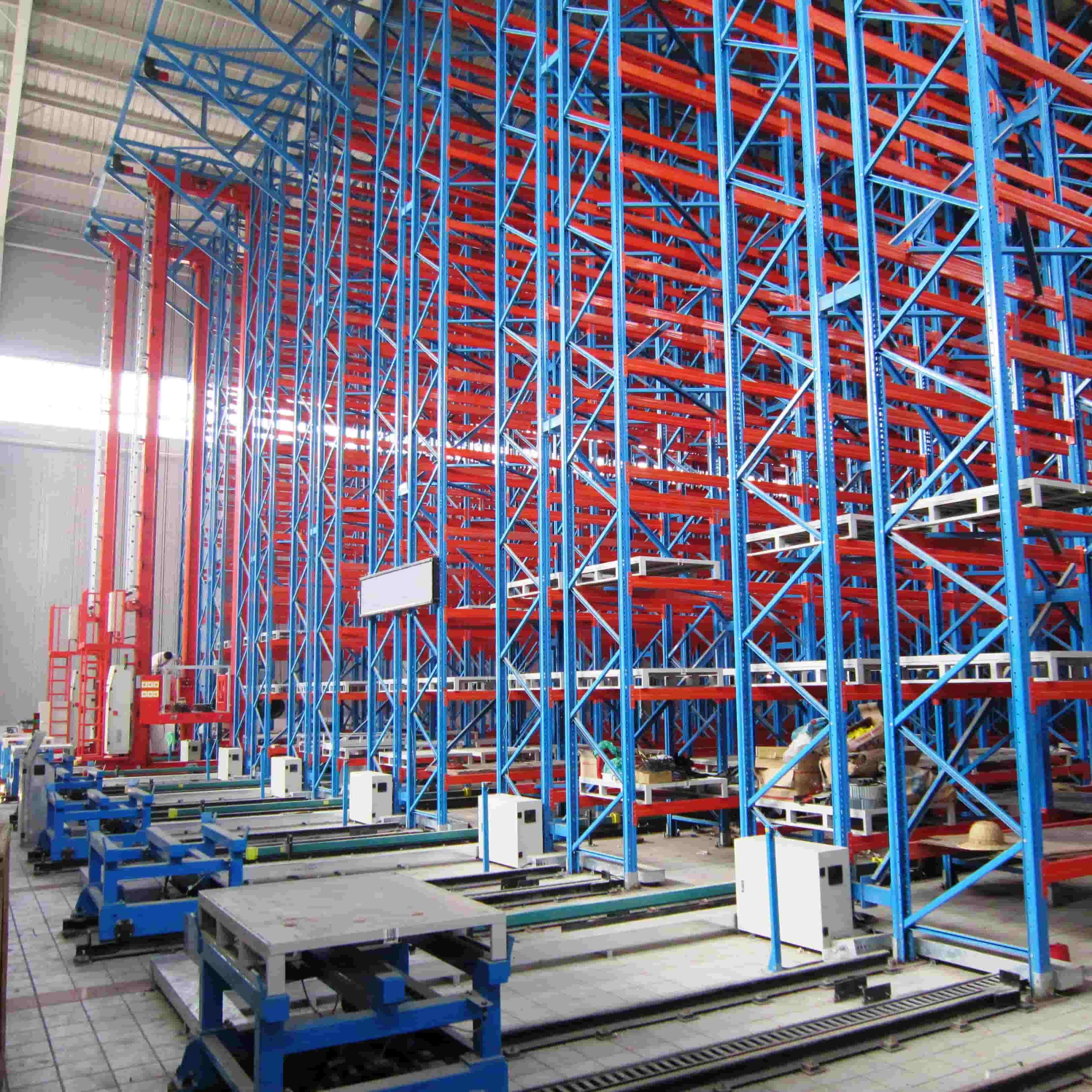
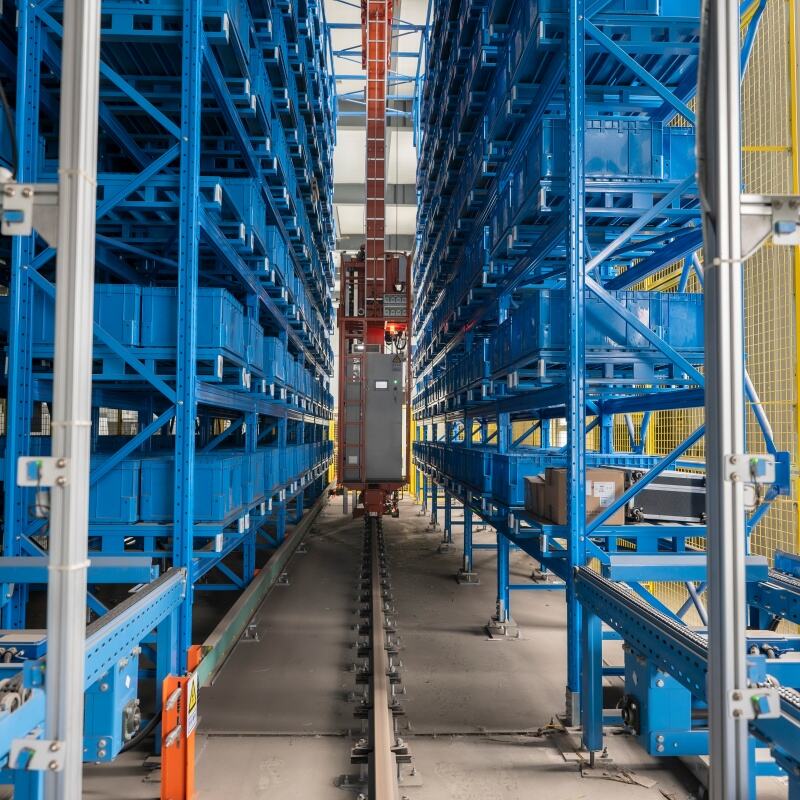
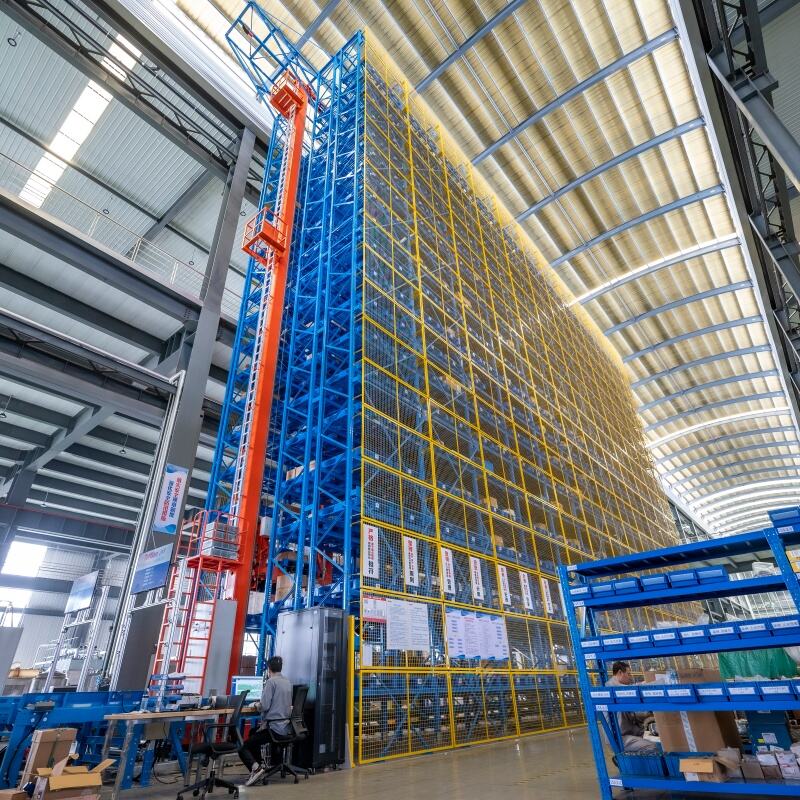
Ang sistema ng miniload na imbakan ay kumakatawan sa isang sopistikadong awtomatikong solusyon sa pag-iimbak na idinisenyo partikular para sa paghawak ng mga maliit hanggang katamtamang laki ng mga item na may napakalaking kahusayan at bilis. Ang napakahusay na teknolohiyang ito ay nagsisilbing pundasyon ng mga modernong sentro ng distribusyon, na nagpapahintulot sa mga negosyo na pasimplehin ang kanilang mga proseso sa pamamahala ng imbakan habang pinakamaksimum ang densidad ng imbakan sa loob ng limitadong espasyo sa sahig. Sa sentro nito, ginagamit ng sistema ng miniload na imbakan ang mga awtomatikong crane para sa pag-stack na gumagana sa loob ng mga makitid na daanan upang kunin at iimbak ang mga lalagyan, tray, o karton nang may napakadakilang katiyakan. Ang pangunahing mga tungkulin nito ay ang awtomatikong operasyon sa pag-iimbak at pagkuha, ang madiskarteng pagsubaybay sa imbakan, at ang maayos na integrasyon sa mga platform ng software sa pamamahala ng imbakang gusali. Ang mga sistemang ito ay lubos na epektibo sa pagpapatakbo ng mataas na dami ng kahilingan sa pagpuno ng order habang pinapanatili ang pare-parehong antas ng katiyakan na malayo nang lampas sa kakayahan ng manu-manong paghawak. Kasama sa mga tampok ng teknolohiya ang mga vertical lift module na may kahusayang inhinyero, ang mga sopistikadong algorithm sa kontrol na nag-o-optimize sa galaw ng crane, at ang mga sistema ng posisyon na batay sa sensor na nag-aaseguro ng katiyakan sa antas ng millimetro sa bawat transaksyon. Ang mga modernong implementasyon ay kasama ang mga enerhiya-episyenteng sistema ng pampagana, teknolohiya ng regenerative braking, at madiskarteng pamamahala ng kuryente upang bawasan ang mga gastos sa operasyon. Ang mga aplikasyon ng sistema ng miniload na imbakan ay sumasaklaw sa iba’t ibang industriya, kabilang ang distribusyon ng gamot, produksyon ng elektroniko, mga tagapag-suplay ng bahagi ng sasakyan, operasyon ng e-commerce fulfillment, at mga network ng retail na distribusyon. Ang mga sistemang ito ay lalo pang kapaki-pakinabang sa mga kapaligiran na nangangailangan ng imbakan na may kontroladong temperatura, mahigpit na mga protokol sa pag-ikot ng imbakan, o paghawak ng mga produktong may mataas na halaga na nangangailangan ng mas mataas na mga sukatan ng seguridad. Ang modular na disenyo ay nagbibigay-daan sa mga negosyo na palawakin ang kanilang operasyon nang paunti-unti—na nagdaragdag ng kapasidad sa imbakan o kakayahang magproseso habang lumalago ang demand nang hindi nakakaapekto sa umiiral na daloy ng trabaho. Ang kakayahang mai-integrate ay umaabot sa labas ng mga pangunahing operasyon sa imbakan, na konektado sa mga sistema ng enterprise resource planning, mga platform ng pamamahala ng transportasyon, at mga interface sa pagproseso ng order ng customer upang likhain ang isang buong ecosystem ng supply chain na tumutugon nang dinamiko sa mga nagbabagong kailangan ng negosyo at kondisyon ng merkado.

 EN
EN