
 EN
EN
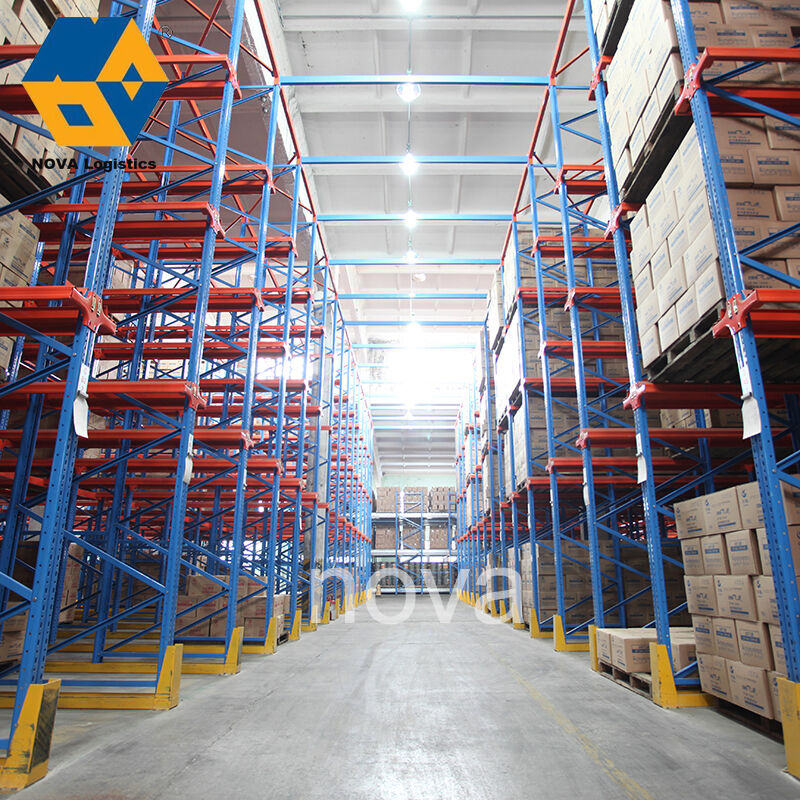
When warehouse space is at a premium and operational costs continue to climb, finding a storage solution that maximizes every cubic meter becomes a strategic priority. drive in racking has emerged as one of the most effective structural answers to high-density storage challenges across a wide range of industries. Unlike conventional selective pallet racking that dedicates an aisle to every row, drive in racking eliminates the majority of those aisles, consolidating stored goods into deep, continuous lanes that forklifts can physically enter. This fundamental design shift is precisely what makes it so compelling for operations managing large volumes of homogeneous stock.
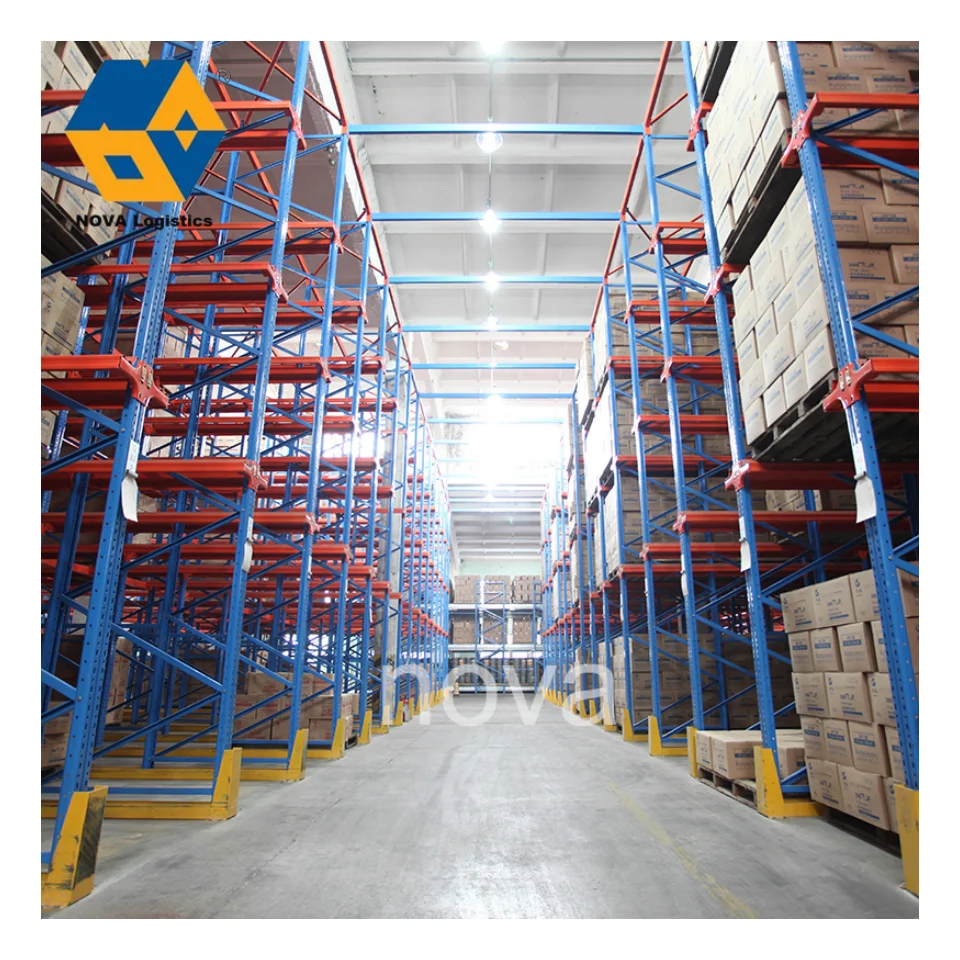
Understanding how drive in racking supports high-density storage requirements means looking beyond the surface-level benefit of fitting more pallets into a given footprint. It requires examining the structural logic, the inventory management alignment, and the operational workflows that make this system genuinely effective. Whether you are managing a cold storage facility, a food and beverage warehouse, or a bulk goods distribution center, the principles behind drive in racking offer a repeatable, scalable framework for increasing storage capacity without expanding the physical building envelope.
The Structural Logic Behind Drive In Racking and Density Gains
How Lane Depth Replaces Aisle Space
The core mechanism of drive in racking is the replacement of individual picking aisles with deep storage lanes. In a traditional selective racking layout, up to 50% of floor space can be consumed by access aisles. Drive in racking reclaims much of that space by allowing forklift trucks to drive directly into the lane structure, loading or retrieving pallets from within the system itself. The result is a dramatic increase in the number of pallet positions available per square meter of warehouse floor.
Each lane in a drive in racking system can be configured to hold anywhere from two to ten or more pallet depths, depending on the product profile and operational requirements. Structural rails run along the sides of each lane at the appropriate height intervals, guiding the forks of the forklift as it navigates inward. This guided entry mechanism ensures that pallets are placed accurately and consistently, even deep within the structure, maintaining the structural integrity of the system over time.
The upright frames and horizontal beams that form the backbone of drive in racking are engineered to withstand the lateral forces generated by forklift entry. Heavy-gauge steel construction, combined with precisely calculated load ratings, ensures that the system can support the cumulative weight of multiple pallet levels stacked across deep lanes. This structural robustness is what allows density gains to be achieved without compromising safety or stability.
Vertical Space Utilization and Multi-Level Design
Drive in racking does not only maximize floor space; it also leverages vertical height to dramatically increase total storage volume. Systems can be designed to reach significant building heights, with multiple pallet levels stacked within each lane. By combining deep horizontal lanes with tall vertical profiles, warehouses can achieve storage densities that conventional racking configurations simply cannot match.
The design of drive in racking must account for the clear height available in the facility, the weight capacity of the floor slab, and the lift height limitations of the forklift equipment in use. A well-engineered system balances all three variables to extract maximum usable volume from the building envelope. In high-bay warehouses, this can translate to an exceptionally efficient ratio of stored goods to total building volume, significantly reducing the cost per pallet position compared to lower-density alternatives.
Multi-level drive in racking configurations also benefit from a consistent structural grid that simplifies the loading and unloading process. Operators learn the lane geometry quickly, and the predictable nature of the system reduces handling time per pallet movement. This operational consistency contributes to throughput reliability even as storage density increases.
Inventory Compatibility and Product Profile Requirements
Why High-Volume Homogeneous Stock Is the Ideal Match
Drive in racking delivers its greatest value when the stored inventory consists of large quantities of the same SKU, or at minimum, a limited number of SKUs in high volume. Because pallets are stored in deep lanes with only one access point per lane, the system naturally operates on a last-in, first-out (LIFO) basis. This means that the most recently loaded pallet is also the first one retrieved, which suits products that do not require strict rotation or have shelf lives that allow for flexible sequencing.
Industries such as beverage manufacturing, building materials distribution, cold storage for frozen goods, and consumer goods logistics frequently use drive in racking because their inventory profiles align well with these characteristics. Large quantities of identical or near-identical pallets can be loaded into lanes efficiently, and the LIFO flow does not create operational complications for products that are not time-sensitive.
When evaluating whether drive in racking is suitable for a specific inventory, warehouse managers should assess the average number of pallets per SKU, the acceptable rotation flexibility, and the frequency of full-lane restocking versus partial retrieval. Products that arrive in large batch deliveries and are consumed in large quantities are particularly well served by this system, as entire lanes can be loaded and cleared in coordinated cycles.
Drive In Racking in Cold Storage and Controlled Environments
Cold storage facilities represent one of the most compelling use cases for drive in racking because the cost of refrigerated or frozen space is exceptionally high. Reducing the aisle area within a cold room means reducing the volume of air that must be chilled to operational temperatures, which directly lowers energy consumption and running costs. The density advantage of drive in racking therefore translates into both capacity and energy efficiency gains in these environments.
The structural components of drive in racking used in cold storage are typically treated or manufactured from materials that resist the moisture, temperature cycling, and condensation inherent to these environments. Galvanized or coated steel options are commonly specified to extend the service life of the system in harsh conditions. The overall robustness of drive in racking makes it a reliable long-term investment in environments where maintenance access can be challenging.
Food and pharmaceutical cold chain operations in particular benefit from the combination of high storage density and controlled environmental efficiency. Drive in racking allows these facilities to store maximum inventory within a fixed refrigerated footprint, reducing both capital expenditure on building construction and ongoing operational energy costs over the life of the installation.
Forklift Operations and Workflow Integration
Forklift Type Selection for Drive In Racking Systems
The effective use of drive in racking depends heavily on the compatibility between the racking system and the forklift equipment used to operate it. Because operators must physically drive into the lane structure, the forklift must be sized appropriately to navigate the lane width and to reach the maximum storage height required. Counterbalance forklifts are commonly used in conjunction with drive in racking, though the specific model and mast configuration must be matched to the system's lane dimensions and height specifications.
Lane width in drive in racking is calculated to provide the minimum clearance necessary for the forklift body and the pallet load to enter safely, while maximizing the number of lanes that can be accommodated across the warehouse floor. Tight clearances increase density but require operators with sufficient skill and experience to navigate consistently without causing damage to the racking structure. Many facilities invest in operator training programs specifically designed around the operational demands of drive in racking to protect both the equipment and the stock.
The rail guidance system integrated into drive in racking lanes provides passive protection against misalignment during forklift entry. Forklifts follow the rails as they move inward, reducing the risk of lateral impact with the structural uprights. This feature is particularly valuable in high-throughput environments where the frequency of forklift movements is significant and the cumulative risk of minor impacts would otherwise be elevated.
Loading and Unloading Sequencing for Maximum Efficiency
Efficient operation of drive in racking requires disciplined loading and unloading sequencing. Because the system operates on a LIFO basis, the order in which lanes are filled and emptied must be planned to avoid blocking access to stock that is needed before the stock loaded on top of it. In practice, this means that each lane should ideally be dedicated to a single product batch or a single SKU to ensure that retrieval can proceed without disruption.
Warehouse management systems (WMS) can be configured to track lane occupancy in drive in racking, assigning incoming stock to specific lanes based on product type, batch date, and expected retrieval sequence. This systematic approach prevents the ad hoc loading patterns that can undermine the density advantages of the system by creating inaccessible stock pockets. A well-managed drive in racking installation integrates seamlessly with digital inventory control tools to maintain operational clarity even as lane depth increases.
For operations that need to achieve both high density and reasonable access flexibility, some facilities combine drive in racking lanes of varying depths within the same warehouse layout. Shorter lanes may be allocated to faster-moving or more varied SKUs, while deeper lanes are reserved for bulk homogeneous stock. This hybrid approach captures the density benefits of drive in racking while preserving a degree of selectivity where the product mix demands it.
Comparing Drive In Racking to Alternative High-Density Solutions
Drive In Racking Versus Drive Through Racking
Drive in racking and drive through racking share the same lane-based structural format but differ in one critical operational aspect: drive through racking provides access from both ends of each lane, enabling a first-in, first-out (FIFO) inventory flow. This distinction matters significantly when product rotation is a compliance or quality requirement. Drive through racking requires access aisles at both ends of the lane, which slightly reduces the total density achievable compared to drive in racking, but it unlocks the ability to manage perishable or date-sensitive goods within a high-density framework.
When rotation requirements are strict, drive through racking is the more appropriate choice. When rotation flexibility exists and maximum density is the priority, drive in racking offers a more compact and cost-effective solution. Understanding this distinction helps warehouse designers allocate the appropriate system type to each storage zone within a facility, optimizing both density and operational logic simultaneously.
The structural cost of drive in racking is generally lower per pallet position than drive through racking because the closed-end lane design requires fewer structural components at the rear of the system. For budget-conscious operations that can work within LIFO constraints, drive in racking represents the more economical path to high-density storage without sacrificing structural quality.
Drive In Racking Versus Automated Storage Solutions
Automated storage and retrieval systems (AS/RS) can achieve very high storage densities and offer advantages in throughput speed and precision for certain operations. However, the capital investment required for automation is substantially higher than for drive in racking, and the lead time for installation and commissioning is typically longer. For facilities that need to increase density cost-effectively within a reasonable implementation timeline, drive in racking remains a highly competitive option.
Drive in racking also offers operational flexibility that fully automated systems do not. If product profiles, SKU mixes, or throughput volumes change over time, a drive in racking layout can often be reconfigured with comparatively modest investment. Automated systems, by contrast, are generally optimized for specific product profiles and can be costly to adapt if operational requirements shift significantly.
The decision between drive in racking and automation typically comes down to throughput volume, budget constraints, and the predictability of future operational demands. For many industrial and manufacturing warehouses, drive in racking occupies an optimal middle ground: meaningfully higher density than conventional selective racking, at a fraction of the cost and complexity of full automation.
FAQ
What types of products are best suited for drive in racking?
Drive in racking is best suited for products stored in large quantities with a limited number of SKUs, where strict rotation is not required. Common examples include frozen food, beverages, building materials, consumer goods in bulk, and industrial components stored in high volumes. The LIFO inventory flow inherent to drive in racking works most efficiently when entire lanes can be filled and emptied in coordinated cycles rather than accessed individually on a frequent basis.
How does drive in racking improve storage capacity compared to standard selective racking?
Drive in racking eliminates the majority of access aisles that consume floor space in selective racking layouts. By allowing forklifts to enter the lane structure directly, the system can increase usable pallet positions by 80% or more compared to a conventional selective racking layout in the same floor area. Combined with multi-level vertical configurations, the total storage volume gain can be substantial, making drive in racking one of the most space-efficient manual storage systems available.
Is drive in racking safe for forklift operators?
When properly designed, installed, and operated, drive in racking is a safe system for forklift operators. Built-in rail guidance systems assist operators in navigating lanes accurately, reducing the risk of lateral impacts with structural uprights. Adequate operator training, appropriate forklift selection, and regular structural inspection are all essential components of a safe drive in racking operation. Adhering to load capacity specifications and maintaining clear lane assignment records also contributes significantly to operational safety.
Can drive in racking be customized for specific warehouse dimensions?
Yes, drive in racking systems are highly customizable and can be engineered to fit the specific floor area, ceiling height, floor load capacity, and forklift specifications of a given warehouse. Lane depth, lane width, pallet beam height intervals, and upright frame dimensions can all be adjusted to optimize storage density within the constraints of the building. Professional structural design and load calculation are essential parts of the customization process to ensure safety and performance compliance.