
 EN
EN
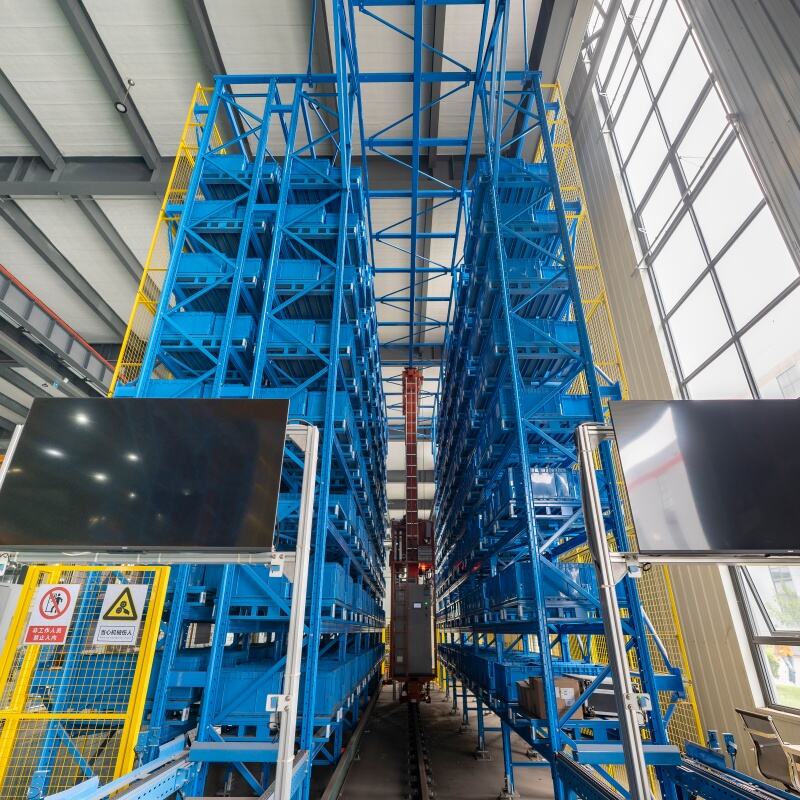
Modern warehouses face increasing pressure to process more orders with greater accuracy and in less time. As inventory volumes grow and SKU counts expand, traditional manual storage methods struggle to keep pace with operational demands. This is precisely where a miniload system steps in as a transformative solution—bringing automation, precision, and speed to the heart of inventory management in a way that fundamentally changes how facilities handle goods.
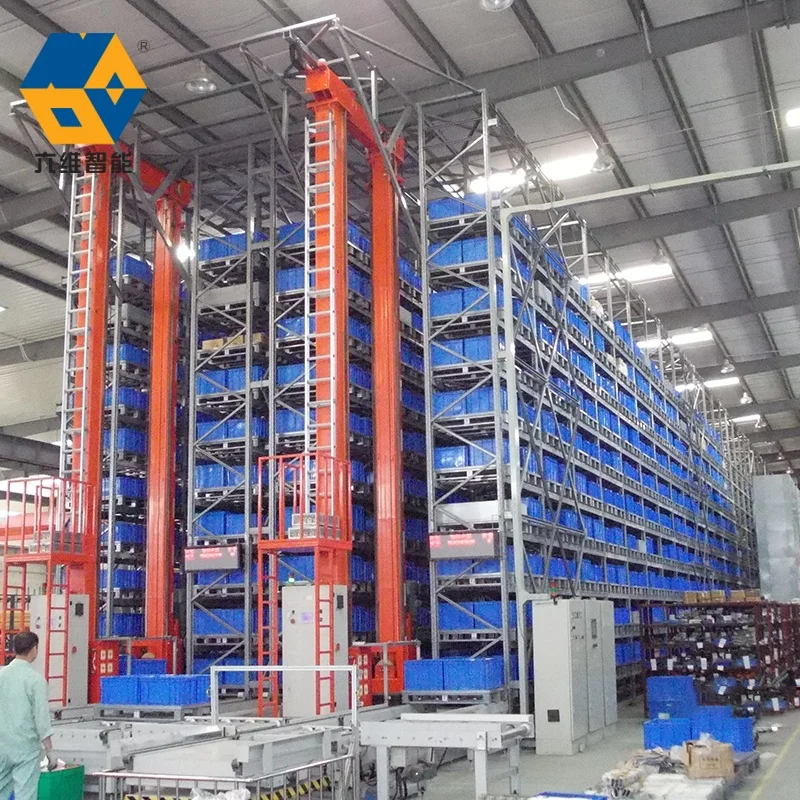
A miniload automated storage and retrieval system (AS/RS) is specifically engineered to manage small-to-medium-sized bins, totes, and cartons within a high-density racking environment. Unlike pallet-based AS/RS solutions, the miniload is designed with a focus on unit-level handling, enabling warehouses to achieve a level of inventory control that manual methods simply cannot replicate. Understanding how these systems support better inventory handling requires a closer look at their core mechanisms, their integration with warehouse workflows, and the operational advantages they deliver in real-world environments.
The Mechanical Foundation of Miniload Inventory Control
How the Storage and Retrieval Crane Works
At the center of every miniload system is the automated storage and retrieval crane, which travels along rails within narrow aisles between high-density racking structures. This crane moves both horizontally and vertically in a single coordinated motion, allowing it to reach any storage location within its assigned aisle in seconds. The precision of this movement is what makes the miniload system so effective at maintaining accurate inventory positions.
Each retrieval cycle is governed by a warehouse management system (WMS) or warehouse control system (WCS), which directs the crane to specific bin locations based on real-time inventory data. This eliminates the guesswork and human error associated with manual picking, ensuring that the right bin is retrieved from the right location every single time. The miniload crane's dual-mast or single-mast design can be configured to match aisle heights and storage densities unique to each facility.
Because the crane operates continuously and autonomously, it can handle hundreds of storage and retrieval cycles per hour without fatigue or performance degradation. This consistent throughput directly supports better inventory handling by keeping goods moving efficiently through the warehouse at all times.
Bin and Tote Management at the Unit Level
One of the most important contributions of a miniload system to inventory handling is its ability to manage individual bins and totes with extreme precision. Each bin carries a unique identification tag or barcode that the system continuously tracks, meaning that every item stored inside a bin has a traceable location in the digital inventory record. This granular tracking is essential for facilities that handle thousands of different SKUs across a compact footprint.
The miniload approach to unit-level management also supports better inventory rotation practices. The system can be programmed to follow first-in, first-out (FIFO) or first-expiry, first-out (FEFO) sequences automatically, ensuring that older or time-sensitive stock is always retrieved before newer inventory. This is particularly valuable for industries where product shelf life is a critical concern, such as pharmaceuticals, food processing, and electronics.
By treating each bin as a distinct, traceable unit within the miniload racking structure, warehouses gain a level of inventory visibility that manual systems cannot offer. Stock discrepancies become easier to identify, cycle counts become more reliable, and the overall integrity of the inventory record improves significantly.
Accuracy Improvements in Picking and Replenishment
Eliminating Human Error in Order Fulfillment
Picking errors are one of the most costly problems in warehouse operations, leading to incorrect shipments, customer dissatisfaction, and expensive return processes. A miniload system addresses this challenge directly by automating the retrieval process and delivering the correct bin to the operator at an ergonomic workstation, rather than sending the operator to search for the bin in a vast storage area. This goods-to-person approach radically reduces the opportunity for picking mistakes.
When operators work at miniload pick stations, they receive only the bin specified by the order management system, along with clear digital instructions indicating exactly how many units to pick. This guided picking environment removes ambiguity and reduces reliance on individual operator knowledge, which is especially beneficial in facilities with high staff turnover or during peak seasons when temporary workers are deployed.
The accuracy improvements enabled by a miniload system are measurable and consistent. Warehouses that transition from manual storage to automated retrieval typically report significant reductions in picking error rates, translating directly into fewer costly corrections and stronger customer service performance.
Streamlining the Replenishment Cycle
Replenishment is an often-overlooked aspect of inventory handling, yet delays or errors in restocking can disrupt the entire picking workflow. A miniload system supports more efficient replenishment by integrating stock return and refill processes into the same automated infrastructure. Operators at induction stations can scan and load incoming goods into bins, which the crane then automatically stores in the most appropriate location based on demand frequency and available space.
Slotting optimization is a key advantage here. The miniload system continuously analyzes movement data and can dynamically reassign storage locations to ensure that high-velocity items are positioned for the fastest retrieval times. This dynamic slotting capability means that the system adapts to changing inventory profiles without requiring manual reorganization efforts.
For facilities managing seasonal demand spikes or rapidly evolving product mixes, the ability of a miniload system to self-optimize its storage layout is a significant operational benefit. Replenishment becomes faster, smarter, and more responsive to actual inventory needs.
Space Utilization and Storage Density Benefits
Maximizing Vertical Storage Capacity
Floor space in warehouses is a finite and expensive resource, which is why the storage density advantages of a miniload system have such a direct impact on inventory handling efficiency. By extending racking structures vertically—often reaching heights of ten meters or more—the miniload crane can access storage positions that would be impractical or unsafe for human workers to reach. This vertical utilization dramatically increases the number of bins that can be stored within a given footprint.
The narrow aisle design inherent to miniload systems further compounds the space efficiency. Because the crane travels within fixed rails, aisles can be constructed much narrower than those required for forklift or manual cart operations. The result is a greater proportion of the total warehouse floor area being used for storage rather than transportation corridors.
For facilities operating in urban locations or constrained industrial parks where expansion is not feasible, the space savings provided by a miniload system can be transformative. More inventory can be held on-site, reducing dependence on off-site storage and the logistical complications that come with it.
Supporting High-SKU Environments Without Losing Control
As product variety increases across industries, warehouses must manage growing numbers of unique SKUs without allowing inventory visibility to suffer. The miniload system is particularly well-suited to high-SKU environments because every bin and every storage location is digitally registered and continuously updated. This means that even with thousands of distinct items in storage, the system always knows exactly where each one is located and how much stock remains.
Facilities that have adopted miniload technology for high-SKU handling consistently report improvements in inventory accuracy and a reduction in time spent searching for or counting items. The combination of high storage density and precise location tracking makes the miniload system an effective tool for controlling inventory in complex operational environments.
This capability is especially relevant in sectors like spare parts distribution, consumer electronics fulfillment, and healthcare supply, where product variety is high, individual unit values may be significant, and inventory accuracy directly affects service levels and compliance requirements.
Integration with Warehouse Management Systems
Real-Time Data Exchange and Inventory Visibility
A miniload system does not operate in isolation—it functions as a fully integrated component of the broader warehouse technology ecosystem. The connection between the miniload control system and the facility's WMS enables real-time data exchange, meaning that every storage and retrieval event is immediately reflected in the inventory record. This live synchronization eliminates the lag that exists in manual inventory tracking environments.
Real-time inventory visibility gives warehouse managers an accurate, up-to-the-minute picture of stock levels, bin occupancy rates, and picking progress. Decision-making becomes faster and more informed, particularly in scenarios where inventory availability must be confirmed before order processing can proceed. The transparency enabled by miniload integration with WMS platforms is a direct contributor to better inventory handling outcomes.
ERP system connectivity further extends this visibility, allowing inventory data from the miniload environment to be shared with procurement, finance, and logistics teams across the organization. This cross-functional data flow supports smarter purchasing decisions, more accurate demand forecasting, and tighter coordination between the warehouse and other business units.
Automated Reporting and Inventory Auditing
Manual inventory auditing is time-consuming, disruptive to operations, and prone to inaccuracies. A miniload system transforms this process by enabling continuous, automated cycle counting without halting normal warehouse activities. As the crane retrieves and stores bins throughout the day, it can simultaneously confirm the contents and location of each bin against the digital inventory record.
This ongoing verification process means that discrepancies are identified and flagged early, rather than being discovered only during periodic full-count audits. The miniload system's built-in data capture capabilities also support detailed reporting on inventory turnover, bin utilization, and retrieval performance, giving management the analytics they need to optimize storage strategies over time.
For industries subject to regulatory auditing or strict traceability requirements, the automated record-keeping features of a miniload system provide a reliable documentation trail that supports compliance without adding administrative burden to warehouse staff.
Operational Scalability and Long-Term Inventory Strategy
Adapting to Changing Inventory Volumes
One of the practical strengths of a miniload system is its scalability. As a business grows and inventory volumes increase, the system can be expanded by adding more aisle units, extending existing aisles vertically, or integrating additional cranes. This modular growth model means that the initial investment in a miniload infrastructure can continue to deliver value as operational requirements evolve, rather than becoming obsolete when capacity limits are reached.
The ability to scale the miniload system in line with inventory growth is particularly relevant for businesses in expansion phases or those entering new markets with new product lines. Rather than investing in entirely new warehouse facilities, companies can extend their existing miniload infrastructure to accommodate additional SKUs and higher throughput demands.
This scalability also applies in the downward direction. During periods of reduced activity, the miniload system continues to operate efficiently at lower throughput levels, maintaining inventory accuracy and operational readiness without the workforce management challenges associated with scaling down manual operations.
Supporting a Long-Term Automation Strategy
Implementing a miniload system is rarely a standalone decision—it typically forms part of a broader warehouse automation strategy that may include conveyor systems, robotic picking cells, automated sorting lines, and advanced WMS platforms. The miniload system serves as a central pillar in this architecture, providing the organized, accessible, and accurate inventory pool from which other automated processes draw.
By anchoring the inventory handling function in a reliable miniload infrastructure, warehouses create a stable foundation for further automation investments. Integration with robotic piece-picking systems, for example, becomes significantly more practical when inventory is already stored in consistently sized, digitally tracked bins within a miniload structure.
The long-term return on investment from a miniload system is therefore not limited to the direct savings from reduced labor and improved accuracy. It also includes the strategic value of enabling future automation upgrades that would be far more complex and costly to implement in a manually managed storage environment.
FAQ
What types of products are best suited for storage in a miniload system?
A miniload system is best suited for small-to-medium-sized items that can be placed into standardized bins, totes, or cartons. Common applications include spare parts, pharmaceutical products, electronics components, cosmetics, food items, and e-commerce goods. The system is particularly effective where high SKU counts, frequent picking cycles, and strict inventory accuracy requirements are present.
How does a miniload system improve inventory accuracy compared to manual storage?
A miniload system improves inventory accuracy by replacing human-navigated searches with automated, system-directed storage and retrieval. Every bin is digitally tracked, every transaction is recorded in real time, and continuous cycle counting can be performed without disrupting operations. This eliminates the misplacement, miscounting, and retrieval errors that commonly occur in manual environments.
Can a miniload system be integrated with an existing warehouse management system?
Yes. Modern miniload systems are designed with open communication interfaces that allow seamless integration with most warehouse management systems and ERP platforms. Data exchange between the miniload control software and the WMS enables real-time inventory updates, order-driven retrieval instructions, and consolidated reporting across the entire warehouse operation.
How long does it typically take to see operational benefits after implementing a miniload system?
Most facilities begin experiencing measurable operational benefits from their miniload system shortly after full commissioning, which typically follows a structured implementation and testing period. Immediate improvements are usually observed in picking accuracy, throughput consistency, and inventory visibility. Longer-term benefits related to labor cost reduction, space optimization, and reporting quality continue to develop as the system matures within the workflow.
Table of Contents
- The Mechanical Foundation of Miniload Inventory Control
- Accuracy Improvements in Picking and Replenishment
- Space Utilization and Storage Density Benefits
- Integration with Warehouse Management Systems
- Operational Scalability and Long-Term Inventory Strategy
-
FAQ
- What types of products are best suited for storage in a miniload system?
- How does a miniload system improve inventory accuracy compared to manual storage?
- Can a miniload system be integrated with an existing warehouse management system?
- How long does it typically take to see operational benefits after implementing a miniload system?