
 EN
EN
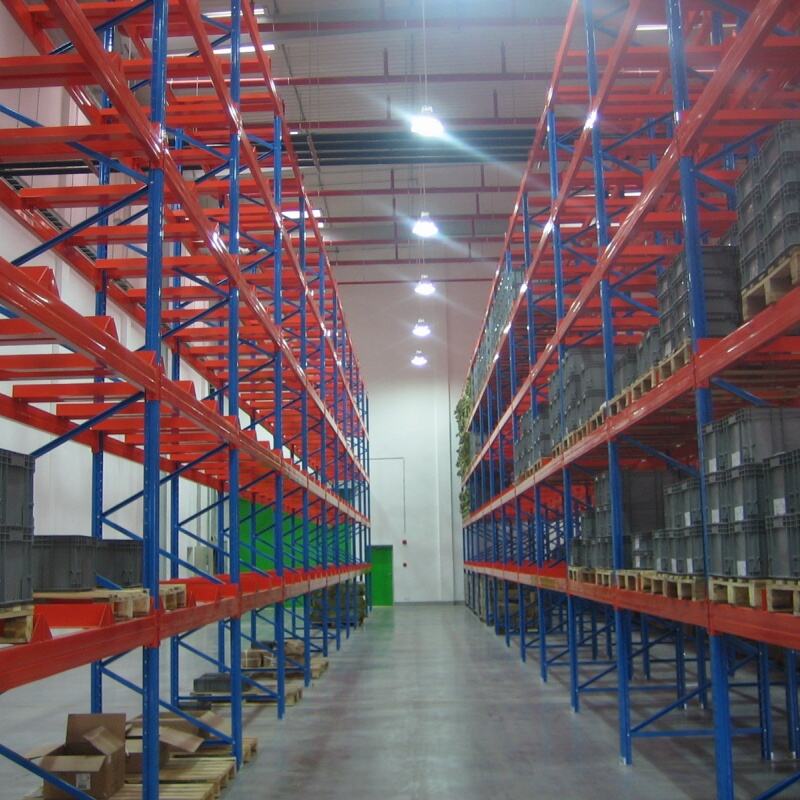
Managing a warehouse with diverse inventory is one of the most operationally complex challenges businesses face today. When you store everything from heavy auto components to lightweight spare parts and fragile finished goods in the same facility, the question of how your storage infrastructure accommodates those differences becomes critical. Warehouse racks are not a one-size-fits-all solution — their design, load capacity, configuration, and material directly influence how well they serve each inventory category housed within your facility.
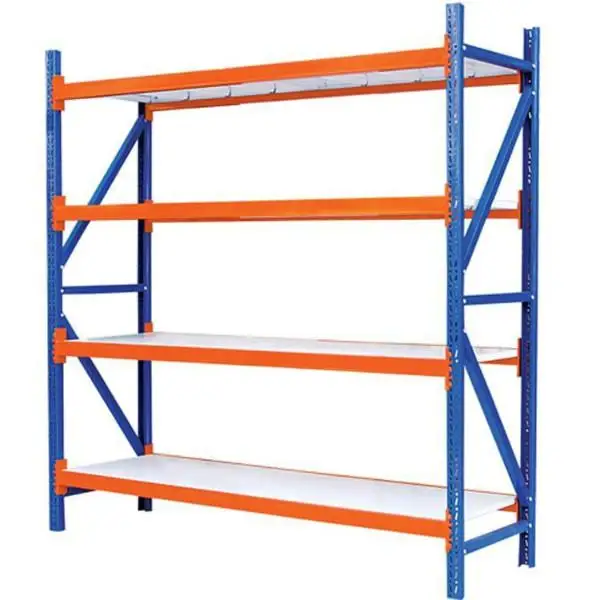
The right warehouse racks create a layered, organized storage environment that aligns physical storage characteristics with inventory behavior — whether that means fast-moving SKUs requiring quick access, bulky items needing structural reinforcement, or delicate products demanding protection. This article explores how warehouse racks can be configured, selected, and optimized to support the full range of inventory categories your facility manages, helping you make storage decisions that improve efficiency, reduce damage, and scale with operational growth.
Understanding Inventory Categories and Their Storage Demands
The Diversity of Inventory in Modern Warehouses
Modern warehouses rarely store a single type of product. A distribution center might handle electronics, packaged goods, raw materials, spare parts, and finished goods all under the same roof. Each of these categories has distinct physical properties — weight, dimensions, fragility, handling frequency, and shelf life — that directly influence which type of warehouse racks will serve them best. Ignoring these differences leads to inefficient picking, product damage, and wasted floor space.
Inventory categories can generally be grouped by weight class, access frequency, and unit size. Heavy industrial items like auto parts and metal components require rack systems engineered with high load-bearing capacity. Fast-moving consumer goods require open, accessible shelving that supports rapid picking. Fragile or high-value items may require enclosed or specialized configurations. Understanding this diversity is the foundational step in choosing warehouse racks that truly support your operation.
Without a structured approach to categorizing inventory before selecting racking, warehouses often end up with mismatched systems — overbuilt storage wasting budget on lightweight goods, or under-engineered shelving struggling under the weight of dense materials. Proper inventory categorization upstream directly informs more accurate warehouse racks selection downstream.
Key Variables That Define Rack Selection by Category
Several variables define which racking solution fits an inventory category. Load capacity is the first — the maximum weight per beam level and per bay must comfortably exceed the heaviest expected load for that category. Shelf pitch adjustability is the second, as varying SKU heights across a category require flexible beam positioning. Access pattern is the third — whether the inventory is first-in-first-out, last-in-first-out, or randomly accessed will determine the rack configuration logic.
Aisle clearance requirements also factor in. Heavy goods may need wider aisles for forklift operations, while lighter categories in a manual-pick environment can use narrower bays and tighter spacing. The physical shape of the goods — palletized, loose, boxed, or oddly shaped — determines whether standard pallet racking, longspan shelving, or medium-duty metal shelving is appropriate. Each consideration reinforces why a thoughtful match between inventory category and warehouse racks design is essential.
How Warehouse Racks Adapt to Heavy and Industrial Inventory
Structural Capacity for High-Density and Heavy Goods
Heavy industrial inventory — such as auto parts, metal components, machinery pieces, and bulk materials — places significant structural demand on any storage system. Warehouse racks engineered for this category typically feature cold-rolled steel upright frames with high gauge thickness, reinforced beam connectors, and base plates designed to distribute concentrated loads safely. These structural elements allow the system to handle not just static weight but also dynamic loads from forklifts and pickers.
Industrial warehouse racks for heavy goods are commonly configured with wider beam spans to accommodate oversized pallets or long components. Horizontal and diagonal bracing across the frame depth prevents racking under lateral stress. The beam-to-upright connection system — typically a clip-in or bolt-on mechanism — needs to be rated well above the per-level load requirement for heavy inventory to ensure long-term structural reliability.
When storing auto parts specifically, the variety of shapes and sizes within one category demands additional adaptability. Some components are boxed uniformly, while others are irregular or stacked loosely. Selecting warehouse racks with adjustable pitch at close intervals — often every 50mm — allows operators to create level configurations tailored to specific part types without wasted vertical clearance.
Longspan Shelving for Medium-Weight Industrial Categories
Not all industrial inventory reaches pallet-level weights. Medium-weight categories — spare parts bins, tooling kits, smaller components, and packaged mechanical goods — are well served by longspan shelving systems. These warehouse racks bridge the gap between heavy-duty pallet racking and light-duty boltless shelving, offering load capacities per shelf that range from 200kg to 500kg depending on configuration.
Longspan warehouse racks are particularly valued in automotive and industrial parts warehouses because they support manual picking across wide bay widths — typically 1800mm to 2700mm — without requiring forklift access at the shelf level. This makes them ideal for components that are picked individually or in small batches, reducing handling time and increasing picker productivity significantly.
The combination of structural steel uprights with particle board, steel decking, or wire mesh shelf surfaces allows longspan systems to handle a range of part sizes and weights without specialized accessories. This versatility makes them one of the most widely adopted formats of warehouse racks for industrial spare parts and similar medium-duty applications across distribution and manufacturing environments.
Supporting Light and Fast-Moving Inventory Categories
Medium-Duty Shelving for High-Frequency Picking
Fast-moving inventory categories — consumer goods, e-commerce fulfillment items, small packaged products — have fundamentally different storage requirements than heavy industrial goods. The priority here is access speed, picker ergonomics, and SKU density rather than raw load capacity. Medium-duty warehouse racks address this need with open-face shelving at multiple height levels, designed for fast manual access without mechanical assistance.
These rack systems typically feature boltless clip-in construction that allows rapid reconfiguration as product mix changes. Shelf levels can be added or repositioned within minutes, enabling warehouse managers to adapt storage depth and height to seasonal SKU changes or new product introductions. For e-commerce and retail distribution, this flexibility directly reduces downtime during layout changes and improves overall throughput.
An important design feature of medium-duty warehouse racks for fast-moving goods is the shelf surface choice. Wire mesh decks improve visibility of inventory, aid inventory counting, and allow sprinkler systems to function effectively. Steel solid shelves offer better support for lightweight packaged items prone to tipping or deformation under minimal load. Choosing the right deck type for each fast-moving category adds operational value beyond basic storage.
Adjustable Beam Spacing for Diverse SKU Heights
One of the most practical ways warehouse racks support diverse inventory categories is through adjustable beam spacing. When a facility stores products ranging from 100mm-high blister packs to 600mm-tall boxed appliances, fixed shelving creates wasted vertical space for smaller items and insufficient clearance for taller ones. Adjustable warehouse racks eliminate this inefficiency.
Beam adjustment at 50mm or 75mm pitch intervals allows warehouse managers to configure each bay specifically for the SKU range stored in that location. Over a full racking installation with dozens of bays, this precision significantly increases storage density — effectively adding extra shelf levels per bay without changing the rack footprint. For facilities managing high SKU diversity, this is one of the most direct ways warehouse racks create measurable efficiency gains.
Specialized Configurations for Unique Inventory Requirements
Floor-Level Access and Ground-Level Storage Zones
Some inventory categories perform best when stored at ground level within a racking system. Bulk replenishment stock, oversized items, and goods that require manual floor-level access benefit from the lowest beam position being set near floor height or removed entirely, leaving an open bay section. This configuration is a deliberate design choice in warehouse racks planning rather than an afterthought.
Floor-level storage zones within a rack bay are particularly effective in pick-and-pack operations where bulk quantities are broken down for individual order fulfillment. The bottom tier holds master cases while upper tiers hold individual units for picking. This zoned approach within a single bay of warehouse racks allows one rack unit to serve multiple inventory functions simultaneously, improving space utilization without adding hardware.
Compatible Accessories That Expand Category Support
Modern warehouse racks are designed as platform systems — their base frames are compatible with a wide range of accessories that expand functionality for specific inventory categories. Wire mesh decks replace standard shelves for small parts that might fall through standard beam gaps. Bin dividers segment a shelf surface into defined pick slots for small SKUs. Backstops prevent products from being pushed off the rear of the shelf during forklift operations from the opposite aisle.
For automotive and spare parts environments, row spacers and flue space accessories are important for safety compliance and fire suppression system effectiveness. These components integrate directly into the rack frame without requiring separate mounting hardware, making them practical additions that adapt warehouse racks to specific regulatory and operational requirements. The availability and quality of these accessories should be evaluated alongside the core racking system itself.
Drawer systems, label holders, and safety barriers are additional accessories that transform standard warehouse racks into category-optimized storage solutions. A rack bay configured with divided bins, labeled pick slots, and safety clips serves a small-parts spare parts category far more effectively than the same rack with no accessory investment. These enhancements are often low-cost but deliver disproportionate gains in pick accuracy and inventory organization.
Planning a Warehouse Rack Layout That Serves All Inventory Categories
Zoning the Warehouse by Inventory Type
Effective layout planning starts with a physical zoning strategy that groups inventory categories by their shared storage requirements. Heavy industrial goods occupy zones with wider aisles and heavy-duty warehouse racks configured for forklift access. Medium-weight spare parts occupy longspan shelving zones with pedestrian-width aisles. Fast-moving consumer items occupy medium-duty shelving zones positioned closest to dispatch areas for minimal travel time.
This zoning approach ensures that the physical characteristics of warehouse racks in each zone match the operational demands of the inventory assigned to it. It also simplifies safety management, as forklift traffic zones are physically separated from manual picking areas. When zoning is done thoughtfully in the initial layout design, the facility gains structural clarity that supports future scaling without requiring complete reconfiguration.
Scaling and Reconfiguring Racks as Inventory Categories Evolve
Business inventory profiles change over time — new product lines are added, existing categories grow or shrink, and operational workflows evolve. Warehouse racks that support these changes without requiring full replacement deliver long-term value. Systems built on standardized upright frame heights and compatible beam sizes allow bays to be added, heights extended, or configurations changed as needed.
The modular nature of quality warehouse racks means that uprights purchased for one zone can often be reused in a different zone if that category's storage needs change. Beams from a decommissioned bay can extend capacity in an adjacent section. This interoperability between components is a practical argument for choosing warehouse racks from a system with standardized dimensional compatibility across the product range.
When planning for reconfigurability, also consider the ease of beam adjustment, the tool requirements for disassembly, and the weight of individual components. Lighter components reduce labor costs during reconfiguration while maintaining the structural integrity needed for load categories. These practical factors are often underweighted in initial purchasing decisions but become highly relevant during operational growth phases.
FAQ
Can the same warehouse racks be used for both heavy industrial items and light consumer goods?
Yes, with appropriate configuration. Many warehouse racks systems use standardized upright frames with variable beam heights and shelf types, allowing a single system architecture to support both heavy and light categories in different zones. The key is configuring each zone specifically — using heavier beams, reinforced decks, and wider spacing for industrial goods, and lighter shelves with closer beam pitch for consumer items. Mixing categories on the same bay without configuration adjustment is not recommended.
How do warehouse racks support the safe storage of spare auto parts?
Spare auto parts vary widely in shape, weight, and packaging. Warehouse racks support these items through adjustable shelf heights that accommodate different part sizes, shelf surfaces like steel decking that support irregular shapes, and accessories like bin dividers that organize small loose components. Longspan shelving configurations are particularly effective for auto parts warehouses as they allow wide bays for manual picking without requiring forklift access at shelf level.
What load capacity should warehouse racks have for industrial inventory?
For heavy industrial inventory, warehouse racks should be specified to handle per-shelf loads that exceed your heaviest expected load by a safety margin — typically 25% to 30% above maximum working load. For very heavy goods, heavy-duty pallet racking with per-level beam capacities ranging from 1000kg to 3000kg or more may be appropriate. For medium-weight industrial categories, longspan shelving rated at 300kg to 500kg per shelf is often sufficient and more cost-effective.
How often should warehouse racks be inspected when storing diverse inventory categories?
Facilities storing diverse inventory across multiple categories should conduct visual rack inspections at least monthly and formal structural inspections annually, or after any significant impact event. Zones housing heavy inventory or subject to frequent forklift operations should be checked more frequently. Damaged warehouse racks components — bent uprights, cracked beams, or loose connectors — should be tagged and removed from service immediately. Regular inspection protects both inventory and personnel in multi-category warehousing environments.
Table of Contents
- Understanding Inventory Categories and Their Storage Demands
- How Warehouse Racks Adapt to Heavy and Industrial Inventory
- Supporting Light and Fast-Moving Inventory Categories
- Specialized Configurations for Unique Inventory Requirements
- Planning a Warehouse Rack Layout That Serves All Inventory Categories
-
FAQ
- Can the same warehouse racks be used for both heavy industrial items and light consumer goods?
- How do warehouse racks support the safe storage of spare auto parts?
- What load capacity should warehouse racks have for industrial inventory?
- How often should warehouse racks be inspected when storing diverse inventory categories?