
 EN
EN
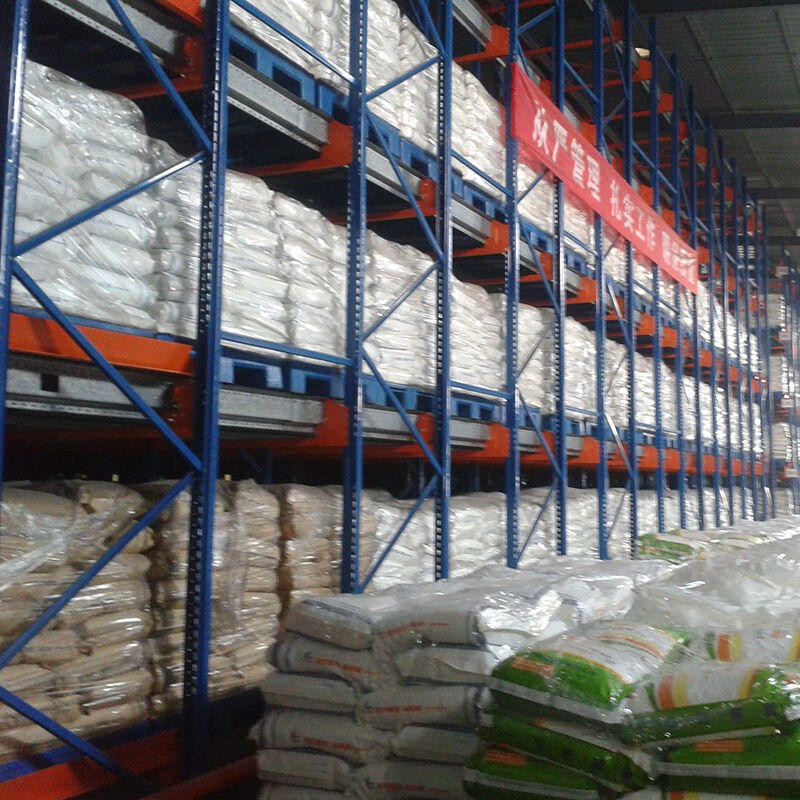
Effective warehouse organization is one of the most critical factors determining how efficiently a distribution center or storage facility operates. When products are difficult to locate, floor space is wasted, or picking errors become frequent, operational costs rise quickly and customer satisfaction drops. One of the most proven and practical solutions to these challenges is the strategic deployment of warehouse racks, which transform cluttered, underutilized spaces into structured, high-performing storage environments.
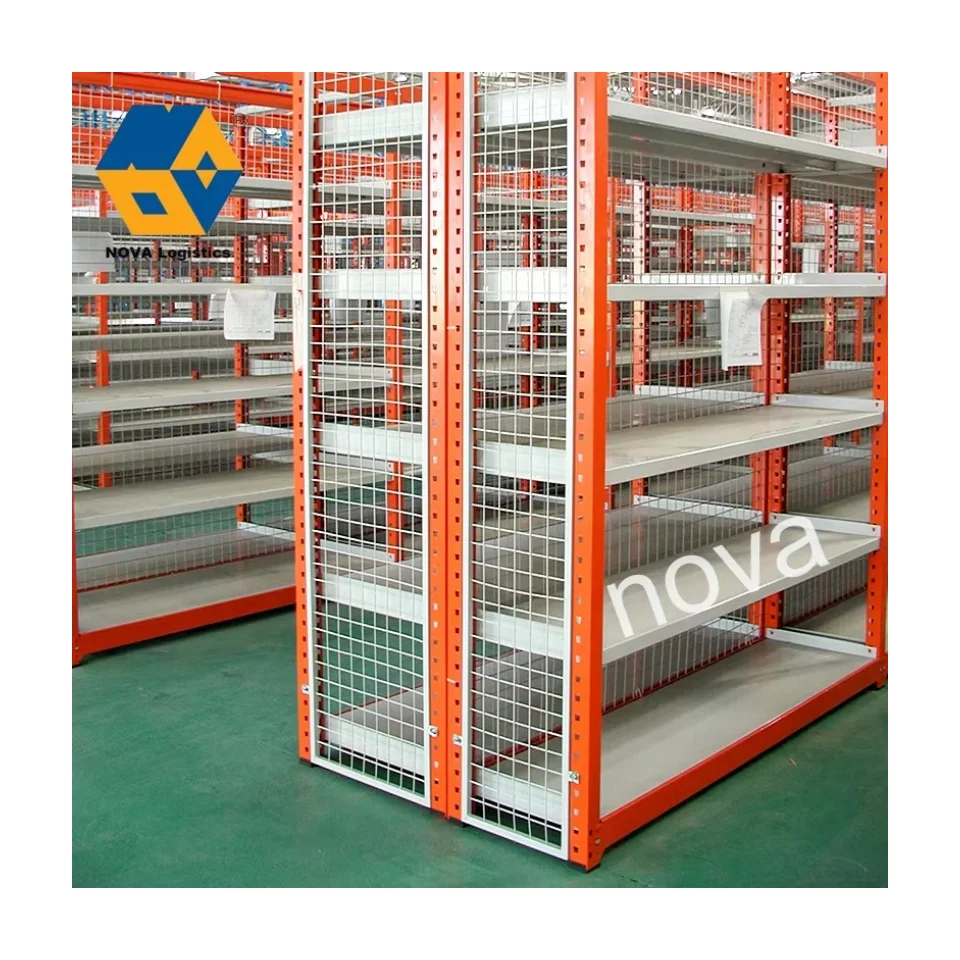
Understanding exactly how warehouse racks contribute to better organization requires looking beyond simple shelving logic. It means examining how vertical storage expands usable capacity, how systematic product placement accelerates picking workflows, how safety is preserved through structural order, and how scalable racking systems can adapt to changing inventory demands over time. This article explores all of these dimensions in depth, providing practical insight for warehouse managers, logistics planners, and operations teams evaluating their storage infrastructure.
The Role of Warehouse Racks in Maximizing Space Utilization
Vertical Storage as a Space Multiplier
One of the most immediate ways warehouse racks improve organization is by enabling vertical storage. In most facilities, the floor footprint is fixed, but the height overhead remains largely underused. By installing multi-level warehouse racks, operations can multiply usable storage capacity without expanding the building's physical footprint. This vertical approach transforms dead air space into organized, accessible inventory zones.
When products are stacked vertically in a controlled racking system rather than piled on the floor or crammed into corners, every item receives a defined position. This systematic placement eliminates the chaos of floor-level clutter and creates clear, navigable aisles. Workers can move equipment such as forklifts and pallet jacks through the space safely and efficiently because warehouse racks create predictable spatial boundaries throughout the facility.
Multi-level long span warehouse racks, in particular, are designed to accommodate heavy loads distributed across wide shelving bays without requiring a support column at every interval. This design allows for storing bulky items, large cartons, or diverse SKUs side by side, all within the same organized framework. The result is a facility where space is used intelligently rather than reactively.
Eliminating Dead Zones and Wasted Floor Space
Without warehouse racks, many facilities develop dead zones — areas where goods accumulate in disorganized piles simply because there is no structured place to put them. These zones interrupt traffic flow, slow down inventory counts, and create hazards for workers navigating the floor. Properly installed warehouse racks eliminate these dead zones by assigning every square meter of floor area a purposeful, structured role.
Adjustable medium-duty warehouse racks are particularly effective at reducing wasted space because their shelf heights can be modified to match the exact dimensions of the stored goods. Rather than leaving large gaps between shelves where smaller items would otherwise be lost or misplaced, adjustable warehouse racks allow operators to reconfigure shelf spacing so that each level is filled efficiently. This adaptability means space allocation evolves alongside inventory changes rather than becoming outdated as product lines shift.
How Warehouse Racks Create a Systematic Product Placement Framework
Zone-Based Organization and Product Categorization
Warehouse racks serve as the physical backbone of zone-based organization. When a facility is divided into clearly defined racking sections, it becomes straightforward to assign product categories, SKUs, or inventory classes to specific rack locations. This structured categorization means workers always know where to find or deposit a given item, significantly reducing search time during picking and replenishment operations.
Effective use of warehouse racks supports FIFO (First In, First Out) and LIFO (Last In, First Out) inventory management strategies. When rack bays are organized to facilitate these flows, perishable goods or time-sensitive stock can be rotated correctly, reducing waste and ensuring compliance with inventory control policies. The physical structure of warehouse racks thus reinforces the procedural logic of inventory management, making good practices easier to follow consistently.
As an added organizational benefit, warehouse racks can be labeled systematically with aisle codes, bay numbers, and level identifiers. This labeling infrastructure, only made possible by a structured racking layout, enables both manual picking operations and warehouse management system (WMS) integration. Workers and software systems can reference rack locations precisely, reducing errors and supporting real-time inventory accuracy.
Supporting High-Density Storage Without Sacrificing Accessibility
A common challenge in warehouse organization is balancing density with accessibility. Storing more products in less space is valuable, but only if those products can still be retrieved quickly and safely. Warehouse racks address this balance directly by providing structured storage that keeps goods dense but individually accessible, unlike bulk stacking methods where lower layers become unreachable.
Multi-level warehouse racks allow operators to store high volumes of goods vertically while maintaining clear access to each level. Workers with the appropriate equipment can retrieve items from any shelf position without disturbing surrounding stock. This structure means that high-density storage does not come at the cost of picking efficiency, which is a trade-off often encountered when facilities rely on floor stacking or unstructured shelving alternatives.
The Impact of Warehouse Racks on Workflow Efficiency and Picking Speed
Reducing Travel Time Through Logical Rack Layout
One of the most measurable productivity gains delivered by warehouse racks is the reduction of travel time for picking staff. When inventory is organized within a racking system according to picking frequency, product family, or order profile, workers spend less time walking between locations. High-velocity items placed in accessible rack positions close to dispatch areas, while slower-moving goods occupy deeper or higher rack locations, creates a logical flow that mirrors the actual work patterns of the facility.
This travel-time reduction compounds over thousands of daily picks. In a large facility, the difference between a disorganized floor layout and a well-structured warehouse rack system can translate to hours saved per shift, fewer labor hours per order, and a meaningful reduction in operational cost per unit shipped. Warehouse racks are therefore not just storage infrastructure — they are workflow optimization tools that directly affect throughput capacity.
Improving Accuracy and Reducing Picking Errors
Disorganized storage environments are a leading cause of picking errors. When products are mixed together without clear spatial separation, workers misidentify items, skip locations, or retrieve incorrect quantities. Warehouse racks impose physical boundaries between product lines, creating the visual and spatial separation necessary for accurate picking. Each rack bay, shelf level, and slot becomes a unique and identifiable address rather than a vague area of floor or shelving.
The structural clarity provided by warehouse racks integrates naturally with barcode scanning and WMS-directed picking. When a system directs a picker to a specific rack location identified by aisle, bay, and level, the worker can confirm the rack position visually and scan the product barcode as a second confirmation. This combination of physical rack structure and digital verification creates a picking environment where accuracy rates improve and costly errors decline substantially.
Even in facilities that have not yet implemented advanced WMS technology, the organizational logic of warehouse racks improves accuracy through intuitive visual cues. Color-coded rack sections, consistent product placement, and clear shelf labeling all emerge naturally from a well-designed racking layout and contribute to lower error rates without requiring sophisticated technology investment.
Safety and Compliance Benefits Delivered by Warehouse Racks
Structural Order as a Foundation for Workplace Safety
Beyond productivity, warehouse racks play a vital role in maintaining workplace safety. Disorganized warehouses are inherently more dangerous environments. Products stacked on floors create trip hazards, unstable piles pose crush risks, and blocked aisles prevent safe equipment movement. Warehouse racks resolve these conditions by providing a stable, load-rated structure that keeps goods elevated, separated, and securely positioned.
Well-designed warehouse racks are engineered to specific load capacities per shelf level and per bay. When operators respect these ratings and use the racking system as intended, the risk of structural collapse or product falling is minimized. This load management discipline is far easier to enforce when warehouse racks provide the physical structure and defined limits — compared to unstructured stacking where load limits are often ignored or unknown.
Clear aisle widths maintained by the racking layout also ensure that forklift operators and pedestrian workers can coexist safely in the facility. Warehouse racks define traffic zones implicitly by their placement, creating a natural spatial logic that supports safe human and equipment movement throughout the day and across all shifts.
Meeting Regulatory and Audit Standards Through Organized Infrastructure
Regulatory inspections and third-party audits increasingly scrutinize warehouse safety standards, including how goods are stored, how weight loads are managed, and whether aisles meet fire safety and emergency egress requirements. Facilities using structured warehouse racks with proper labeling, load capacity signage, and maintained clearances are far better positioned to pass these audits than those relying on informal floor storage practices.
Warehouse racks also support compliance with fire safety regulations by keeping stored goods off the floor, away from sprinkler deflection zones, and organized within defined bays where fire suppression systems can function as intended. This compliance value is often overlooked when evaluating the business case for warehouse racks, but it represents a genuine risk mitigation benefit that can prevent costly violations, shutdowns, or insurance complications.
Scalability and Adaptability of Modern Warehouse Rack Systems
Adjustable Systems That Evolve With Inventory Needs
One of the most strategically valuable characteristics of modern warehouse racks is their adjustability. Adjustable medium-duty warehouse racks allow shelf positions to be reconfigured without tools in many designs, enabling rapid adaptation when product dimensions change, new SKUs are introduced, or seasonal stock profiles shift the storage requirements of the facility. This flexibility means the racking investment remains useful and relevant over many years rather than becoming obsolete as the business evolves.
Facilities that rely on rigid, non-adjustable shelving often find themselves managing a persistent mismatch between storage structure and actual inventory. Wasted shelf space above short items, overfull bays unable to accommodate taller products, and inefficient use of vertical height all stem from this structural inflexibility. Adjustable warehouse racks solve this problem by treating shelf configuration as a dynamic variable rather than a permanent constraint.
Modular Expansion to Match Business Growth
Beyond adjustability, well-engineered warehouse racks are designed with modular expansion in mind. Additional bays, levels, and shelving accessories can typically be added to an existing racking installation as storage needs grow, without requiring a complete system replacement. This modularity makes warehouse racks a cost-effective long-term infrastructure investment rather than a fixed expense that must be entirely repeated when the business scales.
For growing e-commerce operations, third-party logistics providers, or manufacturing facilities with expanding product lines, the ability to incrementally scale warehouse racks in response to demand is a significant operational advantage. It allows storage infrastructure investment to track business growth proportionally, avoiding both over-investment early and under-capacity constraints later. The organizational benefits of warehouse racks thus scale in direct proportion to the business itself, making them a reliably productive asset across the growth lifecycle.
When evaluating warehouse racks as a long-term investment, operations leaders should consider not only the immediate organization benefits but also how the system's modularity and adjustability will serve the facility five to ten years forward. A racking system that can grow, reconfigure, and adapt is fundamentally more valuable than one that solves today's problem but creates tomorrow's constraint.
FAQ
What types of warehouse racks are best suited for improving general warehouse organization?
Multi-level long span warehouse racks and adjustable medium-duty warehouse racks are among the most versatile options for improving general warehouse organization. Long span racks accommodate a wide range of product sizes without frequent support columns, while adjustable medium-duty racks allow shelf heights to be reconfigured as inventory profiles change. The best choice depends on the specific weight requirements, product dimensions, and picking frequency patterns of the facility.
How do warehouse racks contribute to faster order fulfillment?
Warehouse racks reduce order fulfillment time by organizing inventory into clearly defined, accessible locations that reduce travel time and eliminate search time for picking staff. When high-velocity products are placed in strategically positioned rack locations and all goods have a known, labeled address, workers can execute picks faster with fewer errors. The structural clarity of warehouse racks also supports WMS integration, further accelerating accurate fulfillment.
Can warehouse racks be reconfigured after installation to match changing inventory needs?
Yes, adjustable warehouse racks are specifically designed to allow shelf height reconfiguration after installation. In many systems, shelf levels can be repositioned using simple tools or tool-free clip mechanisms, making it practical to adapt the racking layout as product lines, seasonal demands, or storage priorities evolve. This adjustability is one of the primary reasons warehouse racks remain a relevant and cost-effective storage solution over multi-year operational horizons.
How do warehouse racks support workplace safety standards in storage facilities?
Warehouse racks support workplace safety by eliminating floor-level clutter, providing load-rated storage with defined weight limits, maintaining clear aisle widths for safe equipment and pedestrian movement, and keeping goods elevated and separated in a structurally stable configuration. Proper use of warehouse racks also supports compliance with fire safety regulations, sprinkler clearance requirements, and emergency egress standards, reducing regulatory and insurance risk for facility operators.
Table of Contents
- The Role of Warehouse Racks in Maximizing Space Utilization
- How Warehouse Racks Create a Systematic Product Placement Framework
- The Impact of Warehouse Racks on Workflow Efficiency and Picking Speed
- Safety and Compliance Benefits Delivered by Warehouse Racks
- Scalability and Adaptability of Modern Warehouse Rack Systems
-
FAQ
- What types of warehouse racks are best suited for improving general warehouse organization?
- How do warehouse racks contribute to faster order fulfillment?
- Can warehouse racks be reconfigured after installation to match changing inventory needs?
- How do warehouse racks support workplace safety standards in storage facilities?