
 EN
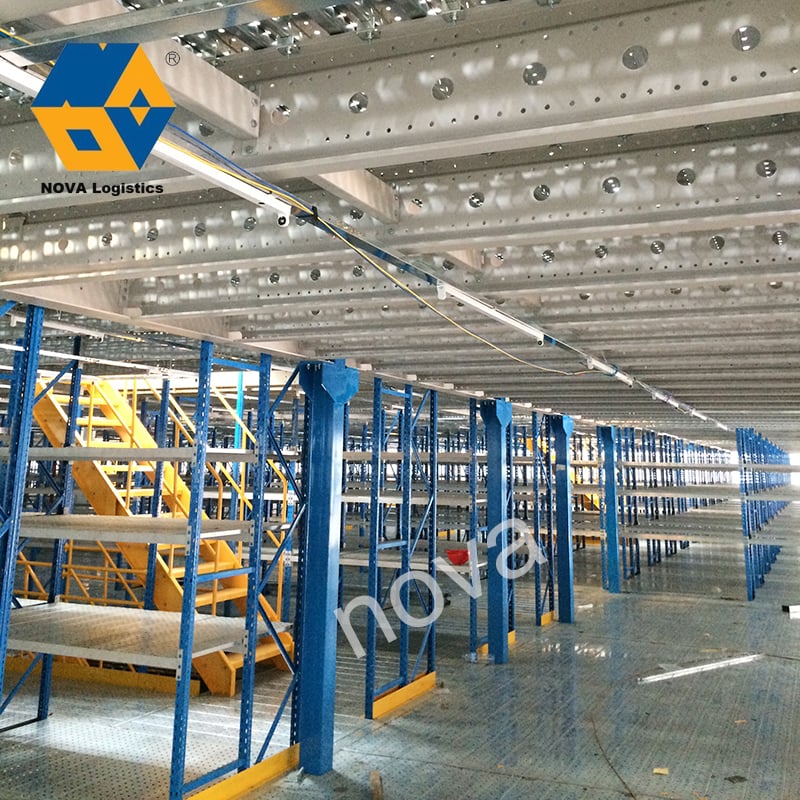
Facilities managers and operations leaders face mounting pressure to accommodate growth without breaking expansion budgets. When floor space runs out, most companies default to costly real estate solutions—leasing additional warehouses, relocating operations, or undertaking extensive site expansions. Yet a warehouse mezzanine offers a proven alternative that maximizes existing real estate while maintaining operational flow. This structural investment unlocks hidden vertical capacity, transforms underutilized airspace into productive storage zones, and delivers measurable returns without the disruption of traditional expansion projects.
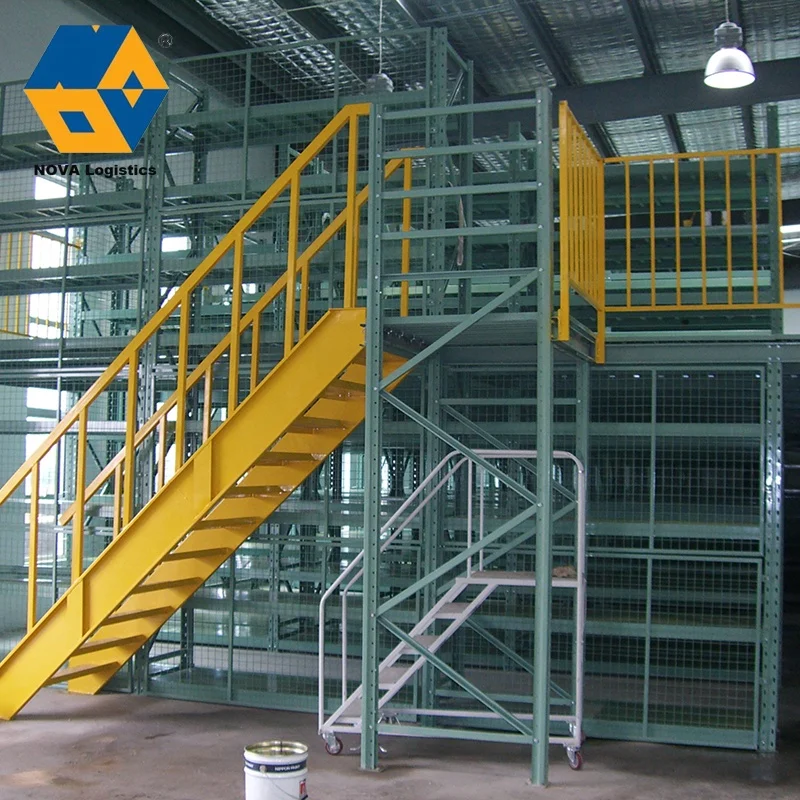
A warehouse mezzanine is fundamentally a platform structure installed between existing floor levels, creating additional usable square footage without expanding the building footprint. This intermediate deck system allows companies to nearly double storage and operational capacity within their current facility envelope. The strategic deployment of a warehouse mezzanine addresses the core tension between growth demand and real estate constraints—enabling scale without relocation, premium leasing costs, or construction delays that would otherwise sideline operations for months.
The Financial Impact of a Warehouse Mezzanine
Direct Cost Savings Over Building Expansion
Traditional warehouse expansion requires acquiring additional land, constructing new buildings, or leasing supplementary facilities at market rates. A warehouse mezzanine eliminates these capital-intensive pathways by repurposing existing airspace at a fraction of the cost. Installation timelines for a warehouse mezzanine typically span weeks rather than the months or years demanded by conventional construction. This speed-to-deployment reduces operational disruption, allowing teams to resume normal workflows while new capacity comes online, whereas building expansion forces extended relocations, inventory staging, and workflow reorganization that drain productivity across entire quarters.
Operational Efficiency Gains
Beyond upfront savings, a warehouse mezzanine streamlines logistics and inventory management by consolidating distributed operations into a single, vertically organized facility. Companies no longer need to split inventory across multiple locations, which reduces transportation costs, minimizes inventory tracking complexity, and improves order fulfillment speed. Employees work within a unified space rather than traveling between distant warehouses, reducing labor hours and coordination overhead. The physical proximity enabled by a warehouse mezzanine accelerates picking cycles, reduces administrative overhead, and creates natural efficiency gains that compound month after month.
Operational and Structural Advantages of a Warehouse Mezzanine
Flexibility and Customization
Every warehouse mezzanine installation can be tailored to specific operational needs. Whether your facility requires heavy-duty pallet storage, light assembly zones, or climate-controlled product areas, a warehouse mezzanine accommodates modular configurations that evolve alongside business demands. Racking systems, workstations, and safety railings integrate seamlessly into a warehouse mezzanine design, allowing management to reconfigure layouts without major reconstruction. This adaptability means your warehouse mezzanine investment protects against future uncertainty—as product lines shift, inventory profiles change, or operational needs pivot, the underlying structure remains valuable and repurposable.
Safety and Compliance Standards
A properly engineered warehouse mezzanine meets industrial safety codes, load-bearing regulations, and fire safety requirements specific to your jurisdiction. Professional installation ensures that a warehouse mezzanine includes adequate support columns, load ratings matched to intended storage density, and egress routes that satisfy regulatory inspection. This compliance foundation protects against liability exposure and ensures employee safety across all operational levels. Unlike informal storage workarounds that create hazardous conditions, a warehouse mezzanine provides certified structural integrity and documented safety certification that auditors and insurers require.
Strategic Pressures a Warehouse Mezzanine Relieves
Growth Without Relocation
For companies experiencing rapid demand growth, a warehouse mezzanine removes the painful choice between facility relocation and constrained operations. Startups and scale-ups often occupy leases with limited expansion optionality—their landlords offer no adjacent space, and relocating erases institutional knowledge of site logistics, supplier relationships, and client service proximity. A warehouse mezzanine within the current facility preserves all operational context while enabling 30–50 percent capacity increases, granting management runway to negotiate lease renewals from a position of established operations rather than desperation. This strategic breathing room allows planning teams to make deliberate expansion decisions rather than reactive emergency moves.
Seasonal and Cyclical Demand Management
Many industries experience pronounced seasonal peaks where demand swells for specific quarters—retail holiday seasons, agricultural harvests, or promotional campaigns create temporary storage needs. A warehouse mezzanine provides flexible capacity that absorbs these surges without committing long-term capital to permanent facilities. When seasonal demand recedes, the same warehouse mezzanine space can rotate to different product categories, creating portfolio flexibility. This dynamic utilization means your warehouse mezzanine investment pays returns year-round rather than sitting idle during off-season months, improving overall return on invested capital.
FAQ
How much vertical space does a typical warehouse mezzanine add?
A warehouse mezzanine typically occupies 20–50 percent of the floor plan and creates a second operational level, effectively adding 20–50 percent usable square footage to the facility. The exact percentage depends on racking configuration, aisle requirements, and equipment access needs. Many facilities realize 30–40 percent capacity gains from a single warehouse mezzanine installation, with the potential for multiple levels in high-ceiling facilities. Your operations team and a structural engineer determine the optimal warehouse mezzanine footprint based on inventory density and workflow requirements.
What types of products can a warehouse mezzanine store?
A warehouse mezzanine accommodates diverse storage applications including palletized inventory, carton storage, work-in-process components, finished goods, and light assembly operations. Heavy industrial products, automotive components, pharmaceuticals, textiles, and consumer goods all suit warehouse mezzanine installations. The key consideration is weight distribution and load requirements—a warehouse mezzanine engineer confirms that deck capacity matches your inventory density. Specialized warehouse mezzanine designs incorporate climate control, fire suppression, or powder-coated finishes for sensitive product categories, ensuring your warehouse mezzanine meets industry-specific compliance standards.
What is the typical ROI timeline for a warehouse mezzanine investment?
Most warehouse mezzanine installations deliver positive ROI within 18–36 months when compared against alternative expansion costs. The calculation compares warehouse mezzanine installation and system costs against the expenses of additional lease premiums, facility relocation, or new construction. Companies experiencing rapid growth or operating in high-rent markets see accelerated warehouse mezzanine payback—some recoup investment within 12–18 months through avoided lease escalations and relocation costs. Your financial analysis should model utilization rates, inventory turns, and labor productivity improvements alongside direct construction expenses to capture the full financial picture of your warehouse mezzanine decision.