
 EN
EN
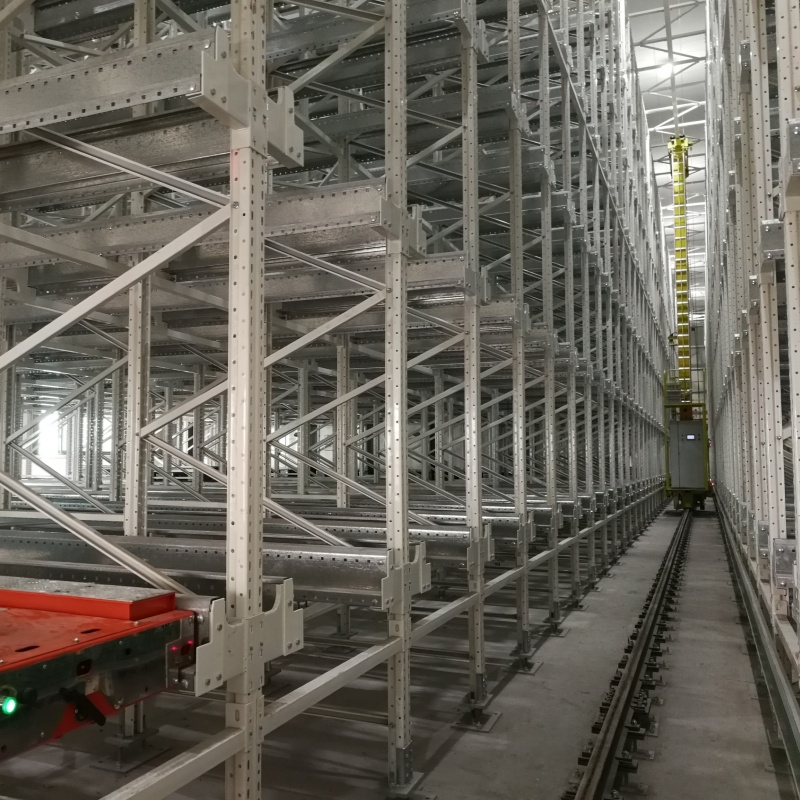
Heavy duty pallet racks form the backbone of modern warehouse operations, storing thousands of pounds of inventory with precision and efficiency. Yet many facility managers underestimate how maintenance directly impacts the longevity and safety of these critical storage assets. Understanding and implementing proper maintenance practices can dramatically extend heavy duty pallet racks lifespan, protect worker safety, reduce unplanned downtime, and preserve your warehouse investment for years to come.

The structural integrity of heavy duty pallet racks depends on regular attention to multiple components, from frame uprights to beam connections and cross-bracing elements. Neglecting maintenance creates hidden risks: rust formation weakens structural stability, loose bolts compromise beam seating, and damaged decking reduces load distribution capacity. A proactive maintenance program transforms heavy duty pallet racks into reliable, long-lasting infrastructure that supports business growth without expensive emergency repairs or safety incidents.
Routine Inspection and Assessment
Visual Inspection Protocols
Effective maintenance of heavy duty pallet racks begins with systematic visual inspections conducted on a monthly or quarterly schedule. Trained personnel should examine frame uprights for signs of bending, impact damage, or rust formation that signals corrosion beginning beneath the surface. Heavy duty pallet racks should be checked for misaligned beams, missing or damaged cross-braces, and any visible deformation in the structural components.
These visual assessments identify emerging problems before they escalate into costly repairs or safety hazards. Pay special attention to areas where heavy duty pallet racks connect to floor systems, as settling and vibration can loosen fasteners over time. Document all findings in a maintenance log linked to specific rack sections, creating a historical record that reveals patterns and problem areas requiring targeted intervention.
Load Capacity Verification
Heavy duty pallet racks carry specific weight ratings that depend on proper assembly, maintenance condition, and beam configuration. Regular inspections should verify that actual loading patterns align with design specifications for your heavy duty pallet racks. Over time, settling, vibration, and minor damage can subtly reduce load capacity without obvious visual signs, making capacity reassessment essential for safe operations.
Engage qualified engineers to conduct periodic load capacity audits, especially after significant modifications, relocations, or if heavy duty pallet racks have experienced impacts or stress events. This proactive approach prevents overloading scenarios that could trigger structural failure or collapse, protecting both inventory and personnel while extending the operational lifespan of your warehouse infrastructure.
Structural Component Maintenance
Bolt Tightening and Fastener Management
Vibration from daily warehouse operations causes bolts and fasteners in heavy duty pallet racks to gradually loosen, creating dangerous gaps between beam seats and uprights. A comprehensive maintenance program includes scheduled bolt-tightening procedures every six to twelve months, using torque wrenches to ensure proper tension that matches manufacturer specifications for your heavy duty pallet racks. Loose fasteners reduce beam stability and can allow pallets to shift, increasing accident risk and accelerating wear on affected components.
Heavy duty pallet racks require high-quality fasteners rated for industrial environments, as corrosion or degradation compromises structural reliability. Replace corroded bolts, washers, and locking devices immediately to prevent further deterioration. Maintaining a spare inventory of genuine fasteners ensures quick repairs when needed, preventing extended downtime while waiting for replacement parts to arrive.
Rust Prevention and Corrosion Control
Moisture, temperature fluctuations, and chemical exposure create ideal conditions for rust formation on heavy duty pallet racks, especially in warehouses with high humidity or outdoor exposure. Rust weakens steel components by eating away at structural material, reducing load capacity and compromising the integrity of connections. Preventive rust management protects the investment in heavy duty pallet racks while maintaining safe working conditions throughout the facility.
Clean heavy duty pallet racks regularly to remove dust, moisture, and contaminants that accelerate rust development. Inspect for early-stage rust spots and treat them with rust converters or protective coatings before they spread deeper into the metal. High-humidity warehouses benefit from environmental controls like dehumidifiers, while proper ventilation helps minimize moisture accumulation on heavy duty pallet racks and other metal infrastructure.
Damage Repair and Component Replacement
Impact Damage Assessment and Remediation
Forklifts, pallet jacks, and equipment movements inevitably cause occasional impacts to heavy duty pallet racks, from minor dents to significant structural damage. A maintenance protocol must distinguish between cosmetic damage and structural concerns that compromise safety or load capacity. Minor dents in frames or beams may be acceptable if they do not affect dimensions or component function, but bent uprights or damaged beam seats require immediate attention to prevent further deterioration.
Develop clear damage reporting procedures so warehouse staff immediately alert maintenance teams when impacts occur to heavy duty pallet racks. Swift response prevents secondary damage, allows for targeted reinforcement or repair, and documents incidents for insurance and safety records. Severely damaged components should be replaced rather than repaired to restore full structural integrity and eliminate long-term weakness in your heavy duty pallet racks system.
Beam and Decking Replacement Strategies
Beams and decking in heavy duty pallet racks experience the highest stress during normal operations, bearing the weight of palletized inventory and experiencing repeated loading-unloading cycles. Over time, wear patterns emerge: sagging beams, bent deck supports, or corroded fastener connections reduce load capacity and increase safety risks. Preventive maintenance includes periodic replacement of worn beams and decking before failure occurs, extending the overall lifespan of heavy duty pallet racks while maintaining full functionality.
Establish replacement schedules based on inspection findings, load history, and component age rather than waiting for failure. Heavy duty pallet racks benefit from modular design that allows individual beam replacement without disrupting entire systems. Schedule replacements during low-activity periods to minimize operational disruption, and ensure replacement components meet or exceed original specifications to maintain design load capacity and structural reliability.
Environmental and Operational Considerations
Climate Control and Moisture Management
Environmental conditions profoundly affect the longevity of heavy duty pallet racks, particularly moisture levels that accelerate rust and corrosion processes. Warehouses in humid climates or those exposed to seasonal temperature swings require enhanced environmental controls to protect heavy duty pallet racks and extend their operational lifespan. Proper insulation, ventilation systems, and dehumidification equipment reduce moisture accumulation on metal surfaces, slowing rust formation significantly.
Temperature extremes also affect heavy duty pallet racks through thermal expansion and contraction, which loosens fasteners and stresses connections over time. Climate-controlled warehouses provide a more stable environment for metal infrastructure, reducing stress on components and extending the functional lifespan of heavy duty pallet racks systems considerably.
Safe Loading Practices and Weight Distribution
How warehouse personnel use heavy duty pallet racks directly impacts component wear and system longevity. Proper loading practices ensure weight distributes evenly across beams, reducing stress concentration that accelerates fatigue and failure. Training staff to follow load capacity guidelines, center heavy loads appropriately, and avoid impact during placement protects heavy duty pallet racks from premature wear and maintains safe working conditions.
A culture of care extends equipment lifespan dramatically. When workers understand that careful handling protects their safety and the facility's infrastructure, they become invested in proper maintenance practices. Heavy duty pallet racks systems perform optimally when every team member participates in responsible use and immediate damage reporting that enables quick intervention.
FAQ
How often should heavy duty pallet racks be inspected for maintenance?
Heavy duty pallet racks should undergo visual inspections every one to three months, with more frequent checks in high-utilization warehouses or those experiencing environmental stress. Comprehensive inspections involving load capacity assessment and structural analysis should occur annually or after significant incidents affecting heavy duty pallet racks systems.
What are the first signs that heavy duty pallet racks need repair?
Watch for visible bending or warping of uprights, rust spots or corrosion on heavy duty pallet racks surfaces, loose or missing bolts, sagging beams, gaps between components, or unusual noises during loading. These warning signs indicate that maintenance or repair of heavy duty pallet racks should begin immediately to prevent safety risks and structural failure.
Can proper maintenance truly extend the lifespan of heavy duty pallet racks significantly?
Yes, comprehensive maintenance practices can extend heavy duty pallet racks lifespan by 20 to 40 percent beyond nominal life expectancy. Regular inspections, timely repairs, rust prevention, bolt tightening, and component replacement when needed keep heavy duty pallet racks functioning safely and reliably for decades, providing exceptional value on your warehouse infrastructure investment.