
 EN
EN
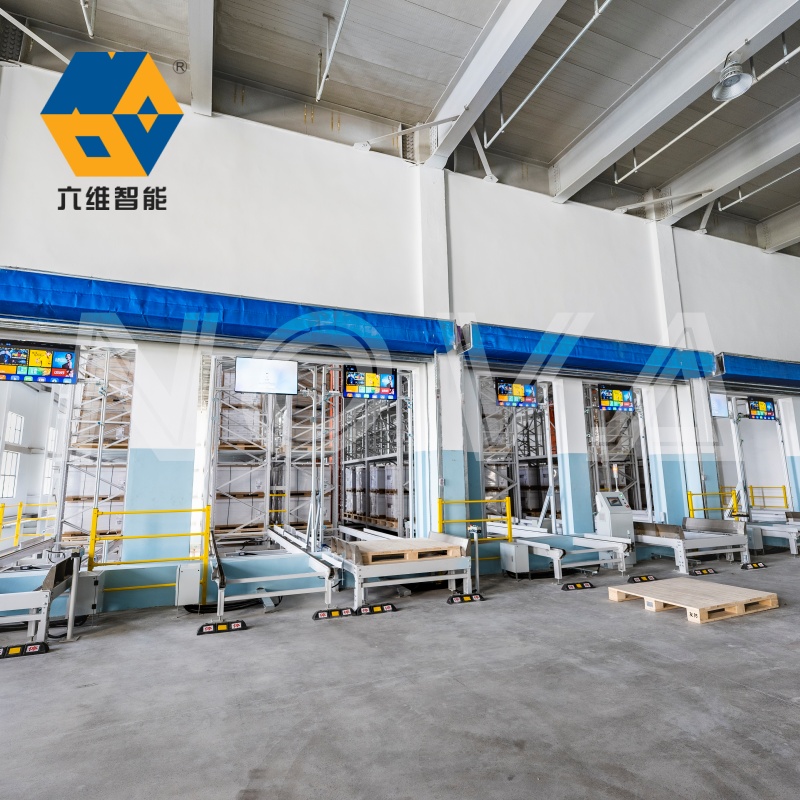
An automated warehouse represents one of the most significant capital investments in modern logistics operations. These sophisticated systems integrate conveyor networks, robotic sorters, automatic retrieval mechanisms, and complex control software to handle thousands of product movements daily. However, the operational success of an automated warehouse depends entirely on proactive maintenance strategies that prevent breakdowns, extend equipment lifespan, and maintain peak throughput. Without a structured approach to maintenance, even the most advanced automated warehouse technology can experience costly downtime that ripples through supply chains and damages customer satisfaction. Understanding which maintenance practices deliver the highest reliability is essential for any facility manager responsible for an automated warehouse operation.
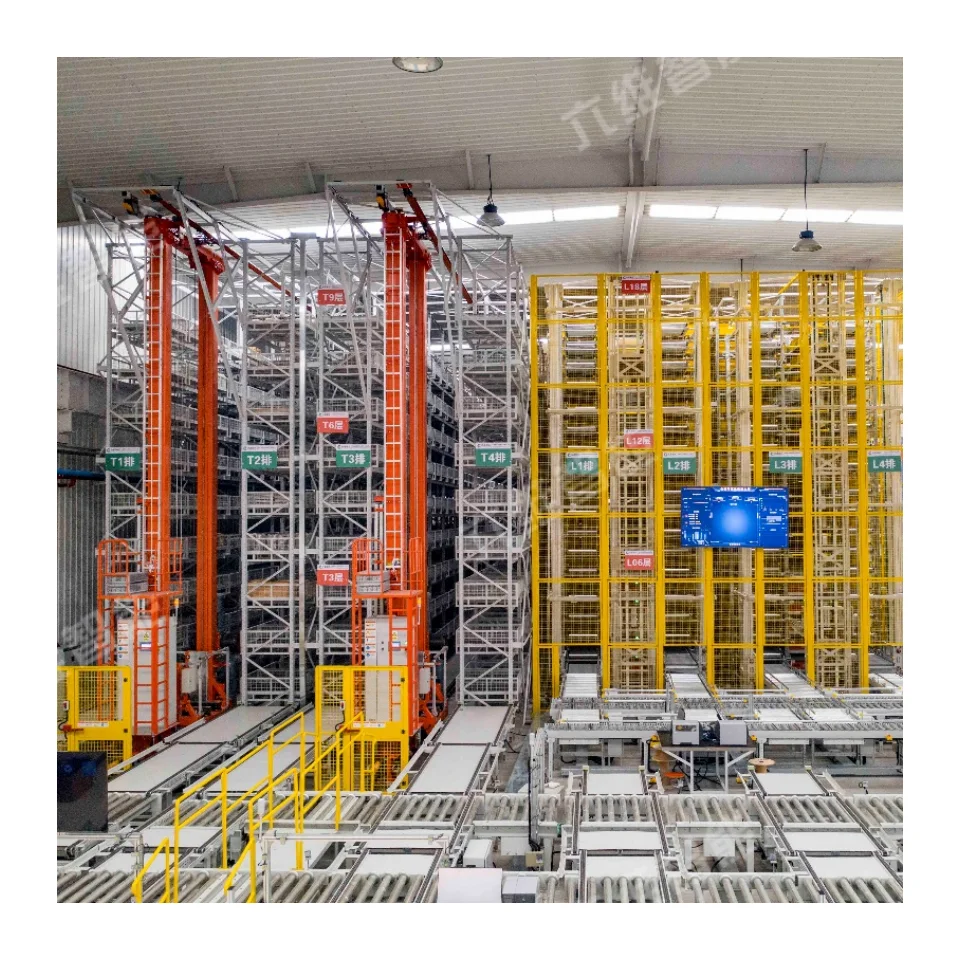
The strategic difference between reactive and proactive maintenance determines whether an automated warehouse runs smoothly or suffers frequent interruptions. Many facilities still rely on corrective maintenance, responding only after equipment fails. This approach inevitably leads to unexpected stoppages, inventory backlogs, and inflated repair costs. Conversely, an automated warehouse designed around predictive and preventive maintenance frameworks experiences dramatically fewer failures, maintains consistent throughput, and delivers measurable cost savings. The maintenance strategies outlined in this guide address the unique technical demands of an automated warehouse environment and provide actionable frameworks that facility teams can implement immediately to strengthen system reliability.
Predictive Maintenance for Automated Warehouse Systems
Sensor Monitoring and Condition-Based Assessment
Predictive maintenance transforms how an automated warehouse operates by continuously monitoring equipment condition rather than following fixed maintenance schedules. Modern sensors embedded in conveyors, sorters, and robotic systems collect real-time data on vibration, temperature, noise, and electrical current draw. When these parameters drift outside normal ranges, the facility receives early warnings before actual failure occurs. An automated warehouse equipped with comprehensive sensor networks can identify bearing wear weeks before catastrophic failure, allowing maintenance teams to schedule replacement during planned downtime rather than during peak operating hours. This condition-based approach reduces emergency repairs by up to seventy percent and dramatically extends component lifespan. For an automated warehouse, sensor data integration with the central control system creates a transparent view of equipment health across all subsystems.
Data Analytics and Failure Pattern Recognition
An automated warehouse generates enormous volumes of operational data that, when properly analyzed, reveals emerging failure patterns before they manifest as breakdowns. Advanced analytics platforms process sensor readings, maintenance logs, throughput metrics, and error codes to identify correlations between environmental conditions and equipment degradation. For instance, analysis might reveal that conveyor belt failures in an automated warehouse cluster during high-humidity seasons or follow specific usage intensity patterns. By recognizing these patterns, maintenance teams can implement targeted interventions. An automated warehouse operator using predictive analytics can schedule preventive measures during optimal windows, avoiding cascading failures that affect multiple interconnected systems. This data-driven approach ensures that an automated warehouse maintenance budget targets the highest-risk areas with maximum precision.
Preventive Maintenance Programs for Automated Warehouse Operations
Scheduled Component Replacement and Lubrication Protocols
Preventive maintenance establishes fixed intervals for routine tasks that keep an automated warehouse running reliably. High-wear components such as conveyor belts, motor bearings, hydraulic seals, and coupling elements follow manufacturer-recommended replacement cycles tailored to the specific automated warehouse environment. Lubrication protocols are particularly critical because inadequate or excessive lubrication directly impacts bearing life and operational efficiency. An automated warehouse experiencing excessive vibration or noise often traces to lubrication failures. Systematic application of manufacturer-specified lubricants at precise intervals prevents wear acceleration and ensures smooth operation throughout an automated warehouse. Documentation of every lubrication and replacement task builds a maintenance history that informs future scheduling decisions and helps facility managers justify capital budget requests for preventive investments in the automated warehouse.
Electrical System Inspections and Software Updates
An automated warehouse relies on sophisticated electrical distribution networks, variable frequency drives, programmable logic controllers, and safety interlocks that require regular inspection and calibration. Preventive electrical maintenance includes thermographic scanning to detect overheating connections, megohm testing to verify insulation integrity, and load-balance verification across three-phase power supplies. An automated warehouse experiencing intermittent faults or unexplained downtime often stems from subtle electrical degradation invisible to standard visual inspection. Firmware and software updates represent another critical preventive task because an automated warehouse control system relies on secure, stable code to manage thousands of sorting decisions per minute. Regular software patching addresses security vulnerabilities, improves algorithm efficiency, and patches known bugs that could trigger unnecessary stops. An automated warehouse maintenance calendar must allocate dedicated windows for electrical inspections and software validation at least quarterly.
Environmental and Operational Controls for Automated Warehouse Longevity
Climate Control and Contamination Prevention
Environmental conditions inside an automated warehouse facility directly influence equipment reliability and maintenance frequency. Extreme temperature fluctuations cause thermal stress on electrical components and hydraulic systems, accelerating seal degradation and circuit board failures. High humidity promotes corrosion in mechanical linkages and electrical contacts, while dust accumulation clogs cooling vents and bearings. An automated warehouse designed with proper climate control maintains temperature within manufacturer-specified ranges, typically sixty to eighty degrees Fahrenheit, with humidity controlled below fifty-five percent. Contamination prevention through air filtration systems, sealed bearing enclosures, and regular cleaning protocols directly extends component lifespan within an automated warehouse. Facilities that implement comprehensive environmental management report significant reductions in maintenance incidents compared to automated warehouse operations lacking these controls.
Operator Training and Usage Discipline
Even perfectly maintained equipment fails prematurely when operated beyond design parameters or in ways that violate manufacturer specifications. An automated warehouse achieves maximum reliability when all operators and supervisors understand system capabilities, normal operating ranges, and procedures for reporting anomalies. Well-trained staff recognize early warning signs such as unusual noise, vibration changes, or throughput degradation and escalate concerns before minor issues become major breakdowns. An automated warehouse operator who understands the mechanical principles underlying conveyor tension, sorter alignment, and speed control makes better decisions that preserve equipment integrity. Regular training programs ensure that as personnel rotate through an automated warehouse facility, accumulated knowledge about system peculiarities and optimal operational practices transfers to incoming team members. Discipline in following prescribed procedures—such as gradual acceleration during startup sequences and controlled deceleration during shutdown—reduces mechanical shock that damages bearings and couplings in an automated warehouse.
FAQ
How often should an automated warehouse undergo comprehensive maintenance inspections?
Comprehensive inspections of an automated warehouse should occur quarterly as a baseline, with monthly spot inspections of critical components. The exact frequency depends on throughput intensity, system age, environmental conditions, and historical failure patterns. High-speed sorting systems in an automated warehouse processing over ten thousand units daily benefit from more frequent assessments. Review manufacturer maintenance schedules, your automated warehouse operational history, and sensor data to establish optimal inspection intervals that balance prevention with operational continuity.
What are the most common failure modes in an automated warehouse system?
Conveyor belt slippage and misalignment, bearing wear in sorting mechanisms, hydraulic seal degradation, electrical contact corrosion, and software glitches represent the most frequent failure causes in an automated warehouse. Bearing failures account for approximately thirty percent of unexpected downtime in high-speed systems, while electrical issues cause roughly twenty-five percent. An automated warehouse that tracks failure data over time identifies which specific mechanisms within your facility present highest risk, enabling targeted preventive efforts. Address root causes systematically rather than repeatedly repairing the same component.
Can predictive maintenance technologies reduce an automated warehouse maintenance budget?
Yes, implementing predictive maintenance in an automated warehouse typically reduces total maintenance costs by fifteen to thirty percent within the first two years. An automated warehouse avoids emergency repairs requiring expedited service calls and overtime labor, both dramatically more expensive than planned maintenance. Extending component lifespan through condition-based replacement rather than time-based replacement optimizes capital efficiency. An automated warehouse investment in sensor systems and analytics platforms shows positive return on investment within two to three years through downtime prevention and repair cost reduction.