
 EN
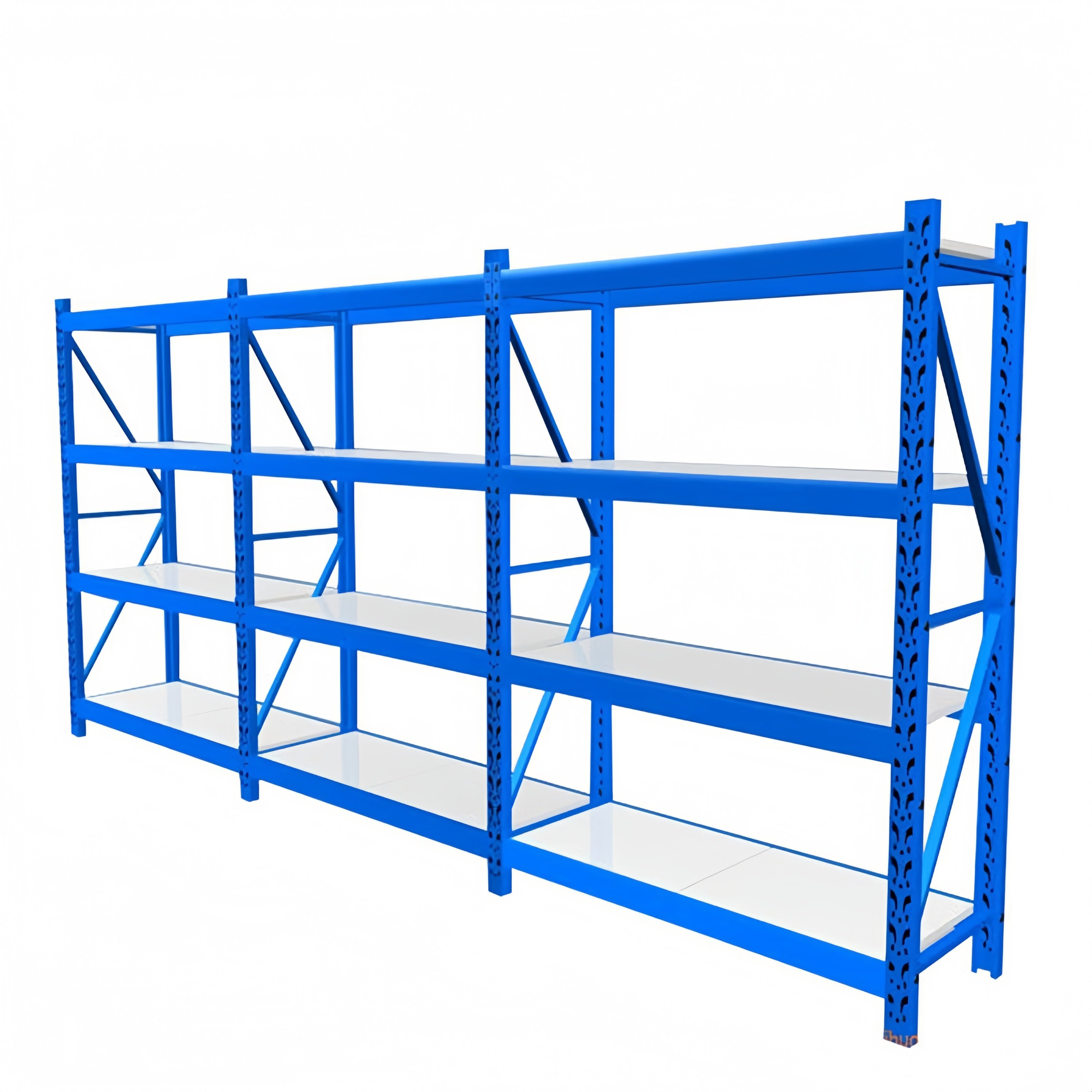
Selecting the right rack shelf design is one of the most critical decisions warehouse managers face when optimizing storage capacity and operational efficiency. The correct rack shelf configuration directly impacts inventory accessibility, safety compliance, staff productivity, and long-term cost performance. Commercial warehouses operate under unique constraints—high throughput demands, regulatory requirements, space limitations, and the need for flexible reconfiguration as inventory changes. A poorly chosen rack shelf system can lead to bottlenecks, damaged goods, safety violations, and wasted floor space. Understanding which rack shelf designs align with your warehouse's specific operational profile ensures you invest in storage solutions that scale with your business.
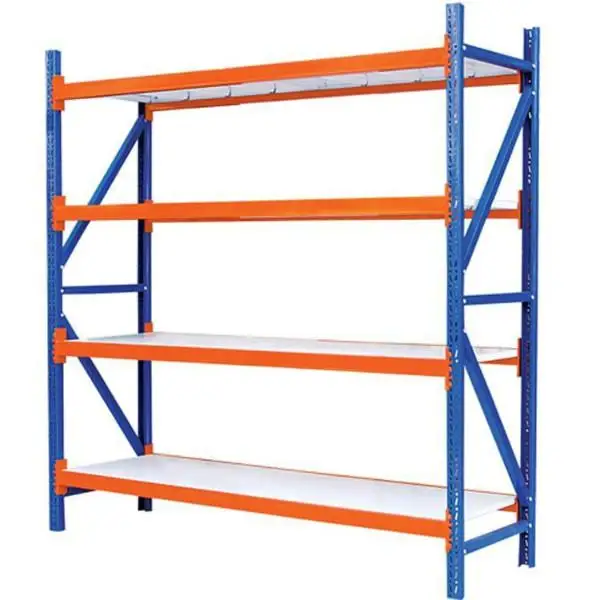
Commercial warehouse storage demands far exceed simple stacking. Your rack shelf system must balance load capacity, aisle accessibility, inventory velocity, and regulatory compliance while maintaining cost-effectiveness. Different warehouse operations—from high-velocity e-commerce fulfillment to slow-moving spare parts storage—require distinctly different rack shelf approaches. This guide explores the major rack shelf designs available today, their operational strengths, suitability by warehouse type, and practical selection criteria to help you make the right decision for your facility.
Understanding Rack Shelf Capacity and Load Ratings
Weight Capacity as the Foundation
Every rack shelf design begins with weight capacity specifications. A rack shelf rated for light-duty applications typically handles 300 to 500 pounds per level, making it suitable for small parts, documents, or packaged goods. Medium-duty rack shelf systems support 500 to 2,000 pounds per level and serve general warehouse inventory, retail stock, and automotive components. Heavy-duty rack shelf designs exceed 2,000 pounds per level and accommodate bulk materials, machinery parts, and industrial components. Selecting the wrong capacity rating for your rack shelf creates cascading problems—undersized systems risk collapse and safety incidents, while oversized rack shelf infrastructure wastes capital and floor space. Commercial warehouse managers must audit their average and peak load weights, then match those requirements precisely to an appropriate rack shelf rating.
Shelf Depth and Span Considerations
Rack shelf depth—the distance from front to back—directly influences both load capacity and accessibility. Shallow rack shelf designs, typically 12 to 18 inches deep, work well for fast-moving smaller items where pickers need quick retrieval from the front. Medium-depth rack shelf configurations, ranging from 24 to 30 inches, accommodate standard carton sizes and balance accessibility with storage density. Deep rack shelf systems, extending 36 to 48 inches or beyond, maximize vertical cubic utilization but require careful organization to prevent items from becoming inaccessible in the back. The optimal rack shelf depth for your warehouse depends on your typical carton dimensions, pick frequency, and layout efficiency. Additionally, rack shelf span—the unsupported distance between vertical uprights—affects both deflection and safety. Longer spans require heavier-gauge materials or additional support bracing to maintain a rigid rack shelf structure under load.
Major Rack Shelf Design Types for Commercial Warehouses
Selective Pallet Rack with Shelving
Selective pallet rack with added rack shelf platforms represents one of the most flexible and widely adopted systems in commercial warehouses. This design allows workers to access every pallet or carton without moving others, maximizing picking productivity and inventory rotation. Operators can easily add or reconfigure rack shelf levels as business needs evolve, making this system highly adaptable to changing product mixes. The modular nature of this rack shelf approach reduces installation time and allows incremental expansion. However, selective pallet rack with rack shelf configuration sacrifices some cubic density compared to deeper storage systems, making it ideal for facilities prioritizing pick efficiency and frequent inventory changes over maximum space utilization.
Cantilever Rack Shelf Systems
Cantilever rack shelf designs eliminate vertical uprights in the load zone by using horizontal arms extending from a central column. This unique rack shelf architecture excels at storing long, irregular items such as lumber, tubing, sheet metal, or furniture frames where traditional uprights would obstruct the load. Cantilever rack shelf systems offer superior accessibility and typically require less floor footprint than conventional systems for the same cubic volume. The rack shelf arms can be adjusted vertically in increments, allowing flexible accommodation of varying item sizes. Cantilever designs work exceptionally well in automotive warehouses, building supply facilities, and industrial parts distribution centers. The primary trade-off is that cantilever rack shelf systems cost more per unit and typically handle lower weight densities than heavy-duty pallet racks, making them best suited to moderate-load, high-variety applications.
Drive-In and Drive-Through Rack Shelf Configurations
Drive-in rack shelf systems allow forklifts to drive directly into the rack shelf structure, eliminating aisles between rows and dramatically increasing cubic density. In a drive-in rack shelf setup, loads are stored in a Last-In-First-Out (LIFO) pattern, making this design ideal for seasonal inventory, bulk commodities, or slow-moving stock where picking sequence is less critical. Drive-through rack shelf systems operate similarly but allow entry from both sides, enabling First-In-First-Out (FIFO) rotation essential for perishables or time-sensitive inventory. These rack shelf configurations achieve 40 to 60 percent greater density than selective systems by eliminating aisle space. However, drive-in and drive-through rack shelf designs carry higher safety risks, require precise load placement and retrieval discipline, and make damage to the rack shelf structure more likely from forklift contact. Commercial warehouses should reserve drive-in rack shelf systems for specific inventory categories where the density gains clearly justify operational constraints.
Matching Rack Shelf Design to Your Warehouse Type
E-Commerce and Fast-Moving Inventory Facilities
E-commerce warehouses prioritize speed, accuracy, and system flexibility above all. For this operation type, selective pallet rack with modular shelving creates the ideal rack shelf environment. Pick rates of hundreds or thousands of orders daily demand that every item remain immediately accessible without moving obstructing loads. The ability to quickly adjust rack shelf configurations as product assortment changes proves essential when seasonal lines rotate in and out weekly. Medium-duty rack shelf ratings typically suffice since e-commerce items are generally lightweight. Smart rack shelf labeling and barcode systems integrate seamlessly with picking software, allowing workers to navigate aisles and locate items with minimal errors. The slightly lower space density of this rack shelf approach matters far less than the massive productivity and accuracy gains that speed order fulfillment and reduce returns from misshipped items.
Bulk Storage and Slow-Moving Inventory Warehouses
Facilities storing bulk raw materials, seasonal inventory, or slow-moving finished goods operate under entirely different constraints. For these operations, drive-in or drive-through rack shelf systems deliver superior economics. Lower pick frequency means LIFO or FIFO limitations of specialized rack shelf designs create no operational friction. The 40 to 60 percent density advantage translates directly into smaller facility footprints and lower rent per stored unit. Heavy-duty rack shelf construction handles the weight of bulk materials and large pallet loads characteristic of these operations. Commercial warehouses managing seasonal spikes—Christmas inventory, back-to-school products, agricultural commodities—find that temporary rack shelf expansion using drive-in systems proves far more economical than maintaining aisle space year-round for items accessed only briefly.
Industrial Components and Parts Distribution Centers
Automotive, machinery, and equipment parts facilities typically store hundreds of SKUs in moderate quantities, requiring balanced accessibility and density. Medium-duty cantilever rack shelf systems perform exceptionally well in this environment. The ability to store irregular shapes, varying sizes, and long components without vertical obstructions eliminates the frustration of uprights blocking access to needed items. Adjustable rack shelf arm heights accommodate parts ranging from small fasteners in containers to large castings or subassemblies. The superior visibility of cantilever rack shelf designs compared to deep selective pallet racks reduces picking errors and accelerates inventory counts. While cubic utilization trails drive-in systems, cantilever rack shelf configurations outperform selective systems for irregular inventory while maintaining superior picking productivity compared to deep storage strategies.
Technical and Safety Considerations for Rack Shelf Selection
Material Quality and Corrosion Resistance
Rack shelf longevity and safety depend critically on material quality. Commercial warehouses typically choose between cold-rolled steel, stainless steel, and powder-coated finishes for rack shelf construction. Cold-rolled steel offers excellent strength and cost-effectiveness for most indoor applications, though it requires regular inspection for surface rust in humid environments. For food storage, pharmaceutical facilities, or coastal locations with salt air, stainless steel rack shelf systems eliminate corrosion concerns despite higher initial costs. Powder-coat finishes protect rack shelf surfaces while adding minimal cost, making this upgrade worthwhile for any facility where aesthetics or cleanliness matter. Commercial warehouses should verify that their chosen rack shelf supplier applies consistent, even coatings and allows inspection before final payment. Poor-quality rack shelf finishes fail prematurely, leading to structural degradation and potential collapse.
Seismic Bracing and Safety Compliance
Regulatory compliance shapes rack shelf selection in facilities located in seismic zones or subject to strict safety inspections. Modern building codes require specific bracing patterns, anchor points, and deflection limits for rack shelf systems depending on location and load ratings. Diagonal bracing creates rigid rack shelf frameworks that resist lateral forces from earthquakes or wind loads. Rack shelf systems in California, Washington, and similar high-risk areas must meet stringent seismic requirements documented through engineering calculations. Facilities overlooking these requirements face liability exposure and potential operational shutdown during inspections. Commercial warehouse managers should require their rack shelf supplier to provide engineering certifications, installation drawings with all required bracing, and documentation of compliance with applicable codes before purchase.
Inspection, Maintenance, and Damage Assessment
Even properly selected rack shelf systems degrade over time through normal wear, minor collisions, and corrosion. Commercial warehouses should establish monthly inspection protocols to identify bent rack shelf uprights, dented shelves, loose fasteners, and rust formation. Small damage to rack shelf components may seem cosmetic but often indicates structural weakness. A dented uprights may reduce load capacity by 20 percent or more without visible signs of severity. Warehouse staff should understand when damage requires immediate rack shelf removal versus repair versus cosmetic touch-up. Progressive corrosion on rack shelf surfaces, particularly at weld points and fasteners, accelerates structural failure. Facilities that maintain rigorous rack shelf inspection schedules identify problems early, prevent costly failures, and maintain safety compliance without business disruption.
FAQ
What factors should I consider when comparing different rack shelf designs?
Start by analyzing your inventory characteristics—item weight, shape, size, and pick frequency. Calculate your required cubic capacity and maximum daily pick volume. Assess your facility footprint and available height. Define your regulatory requirements, including seismic codes and safety certifications. Then evaluate rack shelf options against these criteria: load capacity, accessibility, density efficiency, reconfigurability, cost per cubic foot, and installation timeline. The best rack shelf design matches your specific operational profile, not the one with the highest density or lowest initial cost.
How often should I inspect my rack shelf system for safety and damage?
Industry best practices recommend monthly visual inspections of all rack shelf structures, with detailed audits quarterly or when changes occur. After any collision, forklift impact, or weather event, inspect the affected rack shelf area immediately. Facilities with heavy throughput should assign a trained staff member to oversee rack shelf maintenance and inspection. Document all inspections in writing, photograph any damage, and initiate repairs promptly. This disciplined approach catches problems before they escalate into safety hazards or cause downtime.
Can I mix different rack shelf designs in a single warehouse?
Yes, using multiple rack shelf designs in different zones is a smart strategy for warehouses with diverse inventory. High-velocity items belong in selective pallet rack with modular shelving for maximum picking speed. Seasonal or bulk goods fit well in drive-in rack shelf systems. Irregular components work best in cantilever rack shelf configurations. This mixed approach optimizes each zone for its specific operation while maintaining overall efficiency and safety. Ensure your aisle layout and material handling equipment support all system types without creating conflicts.