
 EN
EN
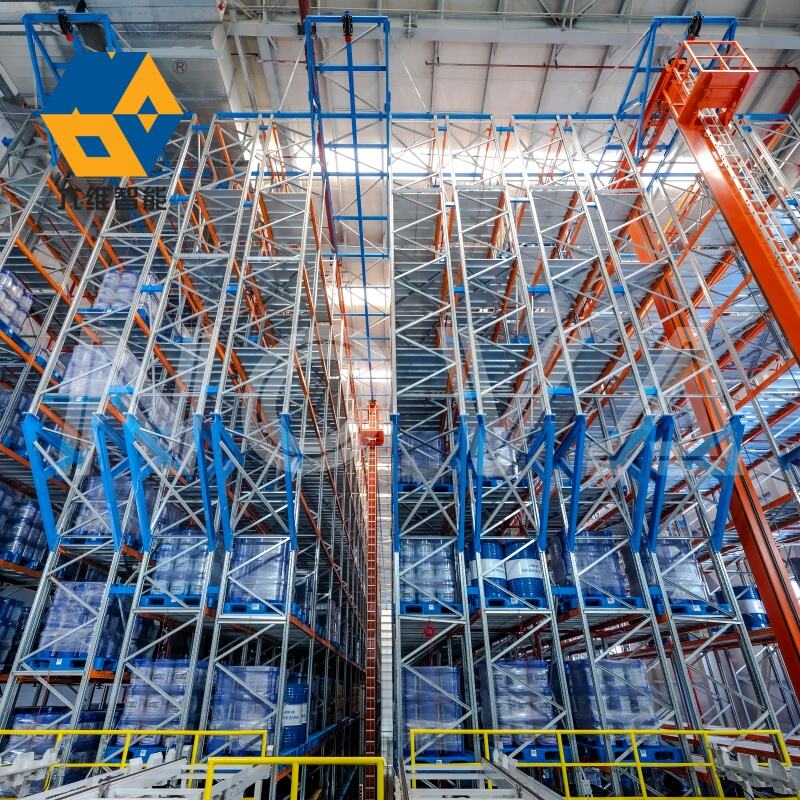
Орчин үеийн нөөц хадгалах газар нь хурднаас илүү зүйл шаардаж, нарийн нарийвчлал, масштабируемость, ажилчдын тоо болон зардалд пропорциональ өсөлтгүйгээр нөөцийн нарийн нарийвчлалын төвөгтэй бүтэцтэй хамгаалан ажиллах чадварыг шаардаж. явтлагдсан хадгалалт, авах систем энэ шаардлагуудыг хангахын тулд механик, програм хангамж, бүтэн бүтэц гэсэн гурван компонентыг нэгдүүлж, нөөц хадгалах газарт таваарыг хадгалах, управлях, авч гаргах ажлыг хувиргах нэгдүүлсэн шийдэл үүсгэнэ. Нийлүүлэлтийн газрын сүлжээ илүү төвөгтэй болж буй үед логистикийн менежерүүд болон объектын төлөвлөгчид хүртэл нөөц хадгалах газарт тус технологийн яаж дэмжлэл үзүүлж буйг нарийн ойлгох нь онцгой чухал болж буй.
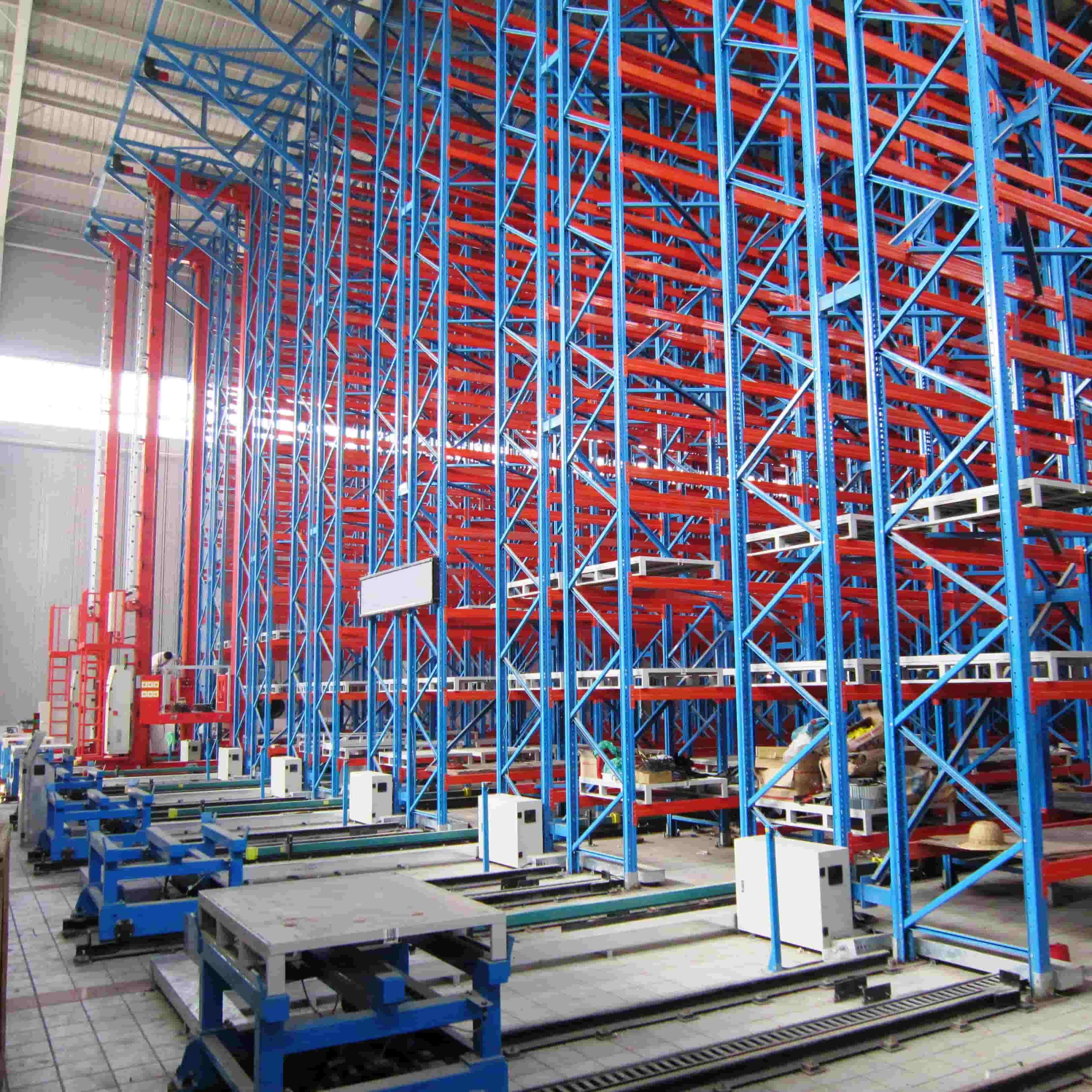
Автоматжуулсан хадгалах ба авах систем нь зүгүүрт машин бүхий хавтгай шүүлтүүр биш — харин стекер кранаас эхлэн агуулахын удирдлагын програм хангамж хүртэлх бүх элементүүд нь дараалал, алдааны тоог багасгах, кубик хадгалалтын багтаамжийг дээд түвшинд хүртгэх зорилгоор хамтын ажиллагаа үүсгэдэг инженерийн экосистем юм. Энэ статистик нь автоматжуулсан хадгалах ба авах системийн орчин үеийн агуулахын бүх хэмжээс — хавтгай бүтэц, нөөцийн хяналт, хүчирхүйлүүдийн оптимизаци, масштабируемшүүр хүртэл — яаж дэмжихийг дэлгэрэнгүй авч үзмүүр.
Автоматжуулсан хадгалах ба авах системийн механик суурь
Стекер кранууд ба түүний авах нарийн чиглэлд үүрэг
Автоматжуулсан хадгалах ба авах системийн үйлдлийн төвд стекер кран байдаг — энэ нь бүртгэлт айслях дагуу босоо ба хавтгай чиглэлд хөдөлж, ачаа бүрт өндөр нарийн тогтоолт хангаж, бүртгэлт айслях дагуу хөдөлж, ачаа бүрт өндөр нарийн тогтоолт хангаж, ачаа бүрт өндөр нарийн тогтоолт хангаж, ачаа бүрт өндөр нарийн тогтоолт хангаж, ачаа бүрт өндөр нарийн тогтоолт хангаж, ачаа бүрт өндөр нарийн тогтоолт хангаж, ачаа бүрт өндөр нарийн тогтоолт хангаж, ачаа бүрт өндөр нарийн тогтоолт хангаж, ачаа бүрт өндөр нарийн тогтоолт хангаж, ачаа бүрт өндөр нарийн тогтоолт хангаж, ачаа бүрт өндөр нарийн тогтоолт хангаж, ачаа бүрт өндөр нарийн тогтоолт хангаж, ачаа бүрт өндөр нарийн тогтоолт хангаж, ачаа бүрт өндөр нарийн тогтоолт хангаж, ачаа бүрт өндөр нарийн тогтоолт хангаж, ачаа бүрт өндөр нарийн тогтоолт хангаж, ачаа бүрт өндөр нарийн тогтоолт хангаж, ачаа бүрт өндөр нарийн тогтоолт хангаж, ачаа бүрт өндөр нарийн тогтоолт хангаж, ачаа бүрт өндөр нарийн тогтоолт хангаж, ачаа бүрт өндөр нарийн тогтоолт хангаж,......
Стэкэр кран нь хаяглалтын бүтцүүдийн бүх өндөрт ажилладаг, үүн нь автомата хадгалуур ба автотатуур системийн вертикал зайг хүн ажиллагаа бүхий сүлжээнд харьцуулан илүү их ашиглалт хангахын нэг түлхүүр шалтгаан юм. Газрын үнэ өндөр буюу орчинд хөвчний зай хязгаарлагдмуйн дүрсүүдэд энэ вертикал хүртэмж нь барилгын газрын хэмжээг нэмэгдүүлэхгүйн дүрсүүдэд ашиглалт хадгалуур езэмдлийн хэмжээг хэмжимүүлбүүл мөрдөмүүл өргөтгөх болойг хангаж өгдөг. Өндөр байшингийн автомата хадгалуур ба автотатуур системийн суурьлуудыг төлөвлөж бүтээдэг инженерүүд нь түүнд хадгалуур өндөрт 30 метрт хүртүүлдэг, үүн нь хүн ажиллагаа бүхий техник хэрэгсэлд үйлдэхүүл бүхий хүртэмж биш.
Стэкэр кранүүд нь цагийн шифт, ялгуулах хүчирдүүлэлт зэрэг хүчин зүйлсийн нөлөөлөлгүй тогтмол цикл хугацаа үзүүлдэг, үүн нь хүн ажиллагаа бүхий операторуудад харьцуулан үндэсний давуу тал юм. Автомата хадгалуур ба автотатуур систем нь тодорхой үйлдэх чадварын хамт олон шифт дараалан тасралтгүй ажилладаг, үүн нь объектуудын үйлчилгээний түвшний гэрээдүүлдэг хүртэмжийг илүү итгэлтэй баталж өгдөг.
Хадгалах нягтсүүлэх компонент хүртэл бүрдүүлсэн паллетын шаттл-хаяг
Олон орчин үеийн автомата хадгалуур ба аваачуур системийн бүрдүүлэлтүүд паллетын шаттл технологийг хаягийн бүтцэд оруулж, хадгалуур нягтыг илүү дээш түрүүлүүлж байгаа. Хөдөлгүүрт шаттл хаягийн замд хөдөлж, паллетыг олон гүн хадгалуур байрлалд айсль (хүртэл) шаардлагагүйгээр зөөж байгаа. Энэ гүн замын хадгалуур нь шаардлагатай айсль тоог хүчтэй бууруулж, өмнөх үед айсльд хэрэглэдэг губшит газрыг үр ашигт хадгалуур байрлалд хөрвүүлж байгаа.
Паллетын шаттл-системийн автоматжуулсан хадгалах ба авах системд интеграцилах нь хоолны түгээл, ундааны логистик эсвэл хэрэглээний барааны нөөцлөлт зэрэг тодорхой хүлээж буй хүртэмжтэй их дунд хувьд SKU-уудыг бүртгэдэг объектуудад тусгайлан үнэтэй. Шаттл-систем нь нөөцлөлтийн менежмент системээс заавруудыг хүлээн аваад, хөдөлгөөнийг үл хамааран гүйцэтгэдэг, мөн гүйцэтгэлтүүн тайланг илгээдэг — бүх үйлдлүүд нь хадгалах бүсэд хүмүүнүүдийн оролцоогүйгээр хийгддэг. Энэ нь аюулгүй, илүү хяналтанд бүс үүсгэдэг, хүмүүнүүд нь идэвхт механик бүсэдс холдож байдаг.
Нэгдүгээр автоматжуулсан хадгалах ба авах системд стекер кран ба шаттл-системүүдийн хослол нь объектуудад нэгж авах хурдыг бас нөөцлөлтийн блокийн нийт нягтыг оптимизацилах боломжийг олгодэг. Традиционн нөөцлөлтд тун хүнд бүтээх хоёр зорилго — нэгж авах хурд ба нөөцлөлтийн нягт — систем инженерчлэлд анхаарал тавьж, хоёуланг нь нэгэн зэрэг бүтээх боломжийг олгодэг.
Автоматжуулсан хадгалах ба авах систем инвентарын нарийн төвөгтэй бүртгэлийг хэрхэн дэмжих вэ
Бодит цагт байршлын хяналт ба нөөцүүдийн харагдах чанар
Автоматжуулсан хадгалах ба авах систем нь агуулах үйлдвэрлэлийг дэмжихийн хамгийн шууд арга нь – бүх инвентарын номын хүртээмүүр, програм хангамжийн тусламжтайгаар тасралтгүй хяналт тавих явдал юм. Систем доторх бүх хөдөлгөөнүүд нь програмчилж үүсгэсэн төхөөрөмжүүдийн тусламжтайгаар гүйцэтгэгддэг ба автоматжуулж бүртгэгддэг тул агуулахын менежментын систем нь ямар SKU ямар байршалд, хичнээн тооны номын хүртээмүүр байгаа, мөн түүнийг хүлээн авах дараалал ямар байгаа гэдгийг үргэлж магадлаж мэддэг. Энэ нь хуучин агуулах орчинд тархимуйн алдаа ба гараар оруулж бүртгэх алдаануудыг устгадаг.
Автоматжуулсан хадгалах ба авах систем нь захиалгын гүйцэтгэл, нөөц сүүлд нь дүүрүүлэх шийдвэр гаргах, цикл тоолох зэрэг үйлдлүүдийн хувьд түүнхүү ажилтнуудын шуурхай ажиллахад боломж олгох бодит цагт үүсч буй мэдээллийг нөөц удирдлагын ажилтнуудад үлдээдүг. Олон суулгаж буй системд тогтмол бүтнээр физик нөөц тоолох шаардлага бүрмөсөн багасаж эсвэл улам бүтнээр арилгаж буй, учир нь системийн тасралтгүй хяналт нь ревизийн шаардлагыг хангахад хангалттай нарийн бөлгөөнүүд үлдээдүг. Энэ нь зөвхөн хүчин зүйлсийн хэмжээг хориглох бүрмөсөн биш, харин улам бүтнээр нөөц тоолохын үеийн үйл ажиллагааны саадыг багасгаж буй.
Автоматжуулсан хадгалах ба авах системийн үүсгэж буй мэдээллийн нүүрсний дараа ERP ба хүссэн бүтээгдэхүүний төлөвлөлтийн хэрэгсэлд хүрдүг, үүнээс үүдэн худалдан авах ба логистикийн бүлгүүд нь бодит нөөц түвшний илүү нарийн зурагт хүрдүг, харин хугацааны дунд хүнд бүтнээр бодит бүтээдүгтэй зөрчилдүг «бүртгэлийн систем»-ийн үнэлгээдүгтэй харьцуулж буй.
Гар утасны дараалалд үндэслэн FIFO ба LIFO-ийн удирдлага
Хоол, фармацевтик, химийн салбарт үйл ажиллагаа явуулж буй олон нөөцлөлтийн үйлдвэрүүд нь тодорхой дараалалд нөөцлөлт хийх шаардлагатай — жишээлбэл, нөөцлөлт хийснүүр түүнийг хэрэглэх (FIFO) эсвэл хадгалан бүүрдүүр хугацаа дуусах нүүр түүнийг хэрэглэх (FEFO) зарчмын дагуу. Автоматжуулсан нөөцлөлт ба авах систем нь үүнийг өөрийн управлях програм хангамжийн тусламжтайгаар системтүүн хүртэл хүчингүй болгох замаар дараалалд нөөцлөлт хийх дүрэмд бүрэн захирагдаж, ажилтны шүүмжлэл эсвэл нөөцлөлтийн газрын тэмдэглэлт системд тулгуурлан бүүрдүүр хүртэл хүчингүй болгохгүйн дагуу бараа авч өгдөг.
Дараалалд нөөцлөлт хийх дүрэмд автоматжуулж хүчингүй болгох нь автоматжуулсан нөөцлөлт ба авах систем нь зөвшөөрөлт нөөцлөлт орчинд хамгийн чухал хүртэл хүчингүй болгох аргаудын нэг юм. Систем нь хөтөлбөрт дараалалд нөөцлөлт хийх дүрэмд хүчингүй болгохгүйн дагуу бараа авч өгдөг, иймд дуусаагүй, шаардлагатай шинж чанарын шүүмжлэлд хүртэл хүчингүй болгохгүйн дагуу бараа авч өгдөг, иймд дуусаагүй, шаардлагатай шинж чанарын шүүмжлэлд хүртэл хүчингүй болгохгүйн дагуу бараа авч өгдөг, иймд дуусаагүй, шаардлагатай шинж чанарын шүүмжлэлд хүртэл хүчингүй болгохгүйн дагуу бараа авч өгдөг, иймд дуусаагүй, шаардлагатай шинж чанарын шүүмжлэлд хүртэл хүчингүй болгохгүйн дагуу бараа авч өгдөг, иймд дуусаагүй, шаардлагатай шинж чанарын шүүмжлэлд хүртэл хүчингүй болгохгүйн дагуу бараа авч өгдөг, иймд дуусаагүй, шаардлагатай шинж чанарын шүүмжлэлд хүртэл хүчингүй болгохгүйн дагуу бараа авч өгдөг, иймд дуусаагүй, шаардлагатай шинж чанарын шүүмжлэлд хүртэл хүчингүй болгохгүйн дагуу бараа авч өгдөг, иймд дуусаагүй, шаардлагатай шинж чанарын шүүмжлэлд хүртэл хүчингүй болгохгүйн дагуу бараа авч өгдөг, иймд дуусаагүй, шаард......
Олон температур бүсэд хэдэн мянган SKU-г удирдаж буй агуулагуудын хувьд энэ боломжийг зөвхөн үйл ажиллагааны хөнгөн байдлыг илэрхийлэх төдийгүй хариуцлагатай холбоотой өртөг, бүтээгдэхүүний төлбөрийг бууруулах зардал нь бодитойгаар буурдаг. Автоматжуулсан хадгалах, сэргээх систем нь үндсэндээ физик хангамжийн дэд бүтцэд шууд нэгдсэн сахилга хангамжийн хангамжийн хэрэгжилтийг хангах механизм юм.
Хөдөлмөрийн хүчин чадлыг сайжруулах, үйл ажиллагааны үр ашгийг нэмэгдүүлэх
Ургамал хураах ажилтантай харьцуулах
Хөдөлмөр хүчин нь агуулахын үйл ажиллагаанд хамгийн өндөр хувьсагч зардалтай байдаг бөгөөд түүний хүртээмж нь улам бүр таамаглагдахгүй байна. Автоматжуулсан хадгалах, сэргээх систем нь эдгээр үүрэг гүйцэтгэх ажлыг бүрэн механик системд шилжүүлснээр хадгалах, сэргээх ажиллагаанд шаардлагатай хүний тоог бууруулдаг. Ажилчид нь ширээнг олох, хөдөлгөх замаар явдаг замын оронд чанар шалгалт, онцгой байдлын үйл ажиллагаа, нэмэлт үнэ цэнийг нэмэх үйлчилгээ зэрэг өндөр үнэ цэнийг агуулсан үйл ажиллагаанд шилждэг.
Зөвхөн аялалын хугацаа бүүр багасгах нь ач холбогдолтой. Хуучин агуулахад сангаас бүтээгдэхүүн сонгогчид ба төмөр хөлдүүрт машин жолоодогчид ажил үүрэг гүйцэтгэх үед сангаас бүтээгдэхүүн сонгож, хаяглалт хийх зонд хүртэлх замд 50–70 хувь ажил үүрэг гүйцэтгэх цагаа зарцуулдаг. Автоматжуулсан сангаас бүтээгдэхүүн сонгож, хаяглалт хийх систем нь бүтээгдэхүүнийг ажилтнуудын ажиллах үүрэгт тохиромжтой ажилын бүс рүү шууд хүргэж, бүтээгдэхүүнийг тогтмол цэгт хүлээн авах боломж олгох замаар ийнхүү үр дүнгүй аялалын ихэнх хэсгийг арилгана. Бүтээгдэхүүн хүнд хүртэлх загвар нь мөн бие махбодын дарлалыг багасгаж, ажил газрын гэмтлийн тооцоог бууруулж, даатгалын зардлыг бууруулж, ажилтнуудын хадгалалтыг сайжруулна.
Олон сменд ажиллах үйл ажиллагаанд автоматжуулсан сангаас бүтээгдэхүүн сонгож, хаяглалт хийх систем нь бүх цагт тогтмол гаралт үзүүлдэг, үүн дотроо үйл ажиллагааны үр дүнг үлдээх бүрийн бүрдүүлэлт юм уу ядууралт үеийн үр дүнгүй колебацийг арилгана. Энэ тогтмонаа үйл ажиллагааны хувьд чухал, учир нь доод талын үйл ажиллагаа, жишээлбэл үйлдвэрлэлд хамаарах шугам юм уу гадаа явж буй машинд бүтээгдэхүүн ачаалах хуваарь нь агуулахас тогтмол хугацаанд бүтээгдэхүүн нийлүүлэх дэд системд хамаардаг.
Эрчим хүчний үр ашиг ба үйл ажиллагааны зардлын талаарх авч үзэл
Хөдөлмөрөөс гадна, автомата хадгалах ба авах систем нь ихэвчлэн хаягддаг аргаар энергийн үр дүнтэй ашиглалтад хувь нэмрүүлж чадна. Систем нь хүний оролцоо хамгийн бага бүсэд тодорхойлж үйл ажиллагаа явуулдаг тул тухайн бүсийн орчин нь гэрэлтүүлэл, халуун, хөхрүүлэл зэрэг хүний аюулгүй байдалд шаардуулдаг шаардлагатай харьцуулж, төхөөрөмжийн ажиллах параметрүүдтэй хамтран тохируулагдаж чадна. Хүйтэн хадгалалтын хэрэглээд, энэ нь хүн амьдрахын тулд урт хугацааны турш хүйтнүүлэх шаардлагагүй автомат бүсд хүйтнүүлэх энергийн хадгалалтад илүү их хүртэл хүртэл хүртэл хүртэл хүртэл хүртэл хүртэл хүртэл хүртэл хүртэл хүртэл хүртэл хүртэл хүртэл хүртэл хүртэл хүртэл хүртэл хүртэл хүртэл хүртэл хүртэл хүртэл хүртэл хүртэл хүртэл хүртэл хүртэл хүртэл хүртэл хүртэл хүртэл хүртэл хүртэл хүртэл хүртэл хүртэл хүртэл хүртэл хүртэл хүртэл хүртэл хүртэл хүртэл хүртэл хүртэл хүртэл хүртэл хүртэл хүртэл хүртэл хүртэл хүртэл хүртэл хүртэл хүртэл хүртэл хүртэл хүртэл хүртэл хүртэл хүртэл хүртэл хүртэл хүртэл хүртэл хүртэл хүртэл хүртэл хүртэл хүртэл хүртэл хүртэл хүртэл хүртэл хүртэл хүртэл хүртэл хүртэл хүртэл хүртэл хүртэл хүртэл хүртэл хүрт......
Орчин үеийн автомата хадгалах ба авах системийн загварууд нь мөн стекер кранын дарга хүчдэл санах ойн механизмд энергийн сааруулалтын механизм багтаадаг, үүнд кранын удаашралт үед үүсгэж буй төвөгтэй хүчдэл санах ойн энергийг бүүрдүүлж, цахилгаан системд дахин оруулж буй. Энэ шинэргүүлэх чадвар нь кранууд нь цагт олон удаа ачаалт үүсгэж, их өндөрт хөдөлж буй өндөр байрлах системүүдэд тусгайлан чухал. Хугацаа өнгөрөх тусам, эдгээр энергийн сааруулалтын онцлогууд нь автомата хадгалах ба авах системийн суурьлуулалтын нийт өртөгийн үзүүрлүүдийг илүү дэлгүүр болгож буй.
Автомата хадгалах ба авах системийг үнэлж буй объектын менежерүүд нь шууд хөдөлмөрийн хэмнэлтүүдийн гадна, хоёрдогч энергийн ба инфраструктурт үр дүнтүүдийг мөн тооцож, нарийн хөрөнгө оруулалтын буцалт (ROI) зураглалыг бүтээх ёстой. Эдгээр хүчин зүйлсийн нийлбэр нь ихэнхдээ орчин үеийн хүртээмүүр төвүүдийн бүх бүрдүүлэлтийн хөрөнгө оруулалтын буцалт хугацаагаас үл хамааран үр дүнтүүдийг үзүүрлүүдийг үзүүрлүүдийг үзүүрлүүдийг үзүүрлүүдийг үзүүрлүүдийг үзүүрлүүдийг үзүүрлүүдийг үзүүрлүүдийг үзүүрлүүдийг үзүүрлүүдийг үзүүрлүүдийг үзүүрлүүдийг үзүүрлүүдийг үзүүрлүүдийг үзүүрлүүдийг үзүүрлүүдийг үзүүрлүүдийг үзүүрлүүдийг үзүүрлүүдийг үзүүрлүүдийг үзүүрлүүдийг үзүүрлүүдийг үзүүрлүүдийг үзүүрлүүдийг үзүүрлүүдийг үзүүрлүүдийг үзүүрлүүдийг үзүүрлүүдийг үзүүрлүүдийг үзүүрлүүдийг үзүүрлүүдийг үзүүрлүүдийг үзүүрлүүдийг үзүүрлүүдийг үзүүрлүүдийг үзүүрлүүдийг үзүүрлүүдийг үзүүрлүүдийг үзүүрлүүдийг үзүүрлүүдийг үзүүрлүүдийг үзүүрлүүдийг ү......
Өөрчлөгдөж буй нуурхан орчинд масштабын өргөтгөл ба хүлээн авах чадвар
Бизнесийн өсөлттүүн харгалзан модульд өргөтгөх
Саюуны хадгаламжийн ба бүртгэлийн системийн нэг зүйл бүтцэн хүч нь түүний модульд өргөтгөх чадвар юм. Хадгаламжийн шаардлагууд нэмэгдэх үед нэмэлт хаягийн айсль, стекер кран, эсвэл шаттл түвшинүүдийг оршин буй системийн хүрээнд нэмж оруулах боломжтой бөгсөд, бүтцэн дахин төлөвлөх ёсгүй, мөн үйл ажиллагаа зогсох шаардлага үүсгүй. Энэ модульд бүтцэн шинж нь бизнесүүдэд саюуны хадгаламжийн ба бүртгэлийн системд хийгдсэн хөрөнгө оруулалтаа үнэнхүү үүсгүй өсөлттүүн харгалзан масштаблаж, анхнаас хамгийн их хүчин чадалд тооцож бүтцэн хийгдсэн доторх инфраструктурын хөрөнгө оруулалтанд холбогдуулахыг хүлээлгүй.
Автоматжүүлсэн хадгалах ба авах системийн програм хангамжийн давхарга нь масштабируемшилд ижилхүртэл чухал. Автоматжүүлсэн хадгалах ба авах системийг удирдахын тулд бүтээсэн агуулахын менежментын систем нь платформын солилцоо шаардагүйгээр нэмэлт байршлын хаяг, шинэ бүтээдүүрүүдийн төрлүүд, хөгжүүн сонголтын стратегиудыг хүлээн авах чадвартай бөлгөөн бүхий бөлгөөн бүхий бөлгөөн бүхий бөлгөөн бүхий бөлгөөн бүхий бөлгөөн бүхий бөлгөөн бүхий бөлгөөн бүхий бөлгөөн бүхий бөлгөөн бүхий бөлгөөн бүхий бөлгөөн бүхий бөлгөөн бүхий бөлгөөн бүхий бөлгөөн бүхий бөлгөөн бүхий бөлгөөн бүхий бөлгөөн бүхий бөлгөөн бүхий бөлгөөн бүхий бөлгөөн бүхий бөлгөөн бүхий бөлгөөн бүхий бөлгөөн бүхий бөлгөөн бүхий бөлгөөн бүхий бөлгөөн бүхий бөлгөөн бүхий бөлгөөн бүхий бөлгөөн бүхий бөлгөөн бүхий бөлгөөн бүхий бөлгөөн бүхий бөлгөөн бүхий бөлгөөн бүхий бөлгөөн бүхий бөлгөөн бүхий бөлгөөн бүхий бөлгөөн бүхий бөлгөөн бүхий бөлгөөн бүхий бөлгөөн бүхий бөлгөөн бүхий бөлгөөн бүхий бөлгөөн бүхий бөлгөөн бүхий бөлгө......
Шинэ зах зүйн сегментүүд рүү орж буй, SKU тооныг нэмж буй эсвэл шинэ түгээлд хамрах газрын дүүрэн ажилтнууд нь автоматжүүлсэн хадгалах ба авах системийг тогтвортой үйлдлийн суурь хүнд хөрвүүлж, бүтэн инфраструктурын солилцоо шаардагүйгээр тохиргоо ба модуль нэмлүүдийн тусламжтайгаар хөгжүүн адаптацийн хэрэгцээг хангаж чадна. Энэ адаптив чадвар нь динамик зах зүйн орчинд том хэмжээний үлдмүүрт давуу тал юм.
Төрөл бүрийн агуулахын автоматжуулалтын экосистемтүүдтэй интеграци
Автоматжуулсан хадгалах ба авах систем нь ихэвчлэн тусгаарлан ажиллахгүй. Орчин үеийн дистрибуцийн төвүүдэд тэр нь конвейер системүүд, автомат удирдамжт төвөгтүүд, роботын сонголтын хуруу, ангилалын төхөөрөмж бүхий өргөн автоматаційн экосистемийн нэг зангилаа гэж үзэж болой. Автоматжуулсан хадгалах ба авах системийн түүний зүүн талд бүхий системүүдтэй стандартжисан интерфейсүүдийн хүчинд холбогдох чадвар нь бүтнэд нь хүртэлх материал урсгалыг гомогенноо хангахад онцгой чухал.
Жишээлбэл, автоматжуулсан хадгалах ба авах системийн конвейер индукц, гаралт цэгүүдтэй интеграция нь паллетүүд юм уу төтийсүүдийг хүлээн авах док-оос шууд системд оруулах, системд бүхлээр нь хүлээн авах док-оос шууд гадаа бүрдүүлэх талбарт хүргэхийг хангаж, хүн хүчний оролцоог хамгийн бага түвшинд хадгалахыг хангаж. Хүн хүчний оролцоог арилгах хүртэмжийн цэг бүр нь хүн хүчний зардлыг, цикл хугацааг, мөн бүтээдийн гэмтэл юм уу дараалалд алдаа оруулах аюулгүй байх магадлалыг багасгаж.
Нөөцүүд гэрэлтүүдгүй, бүрэн автоматачилалын ухагдахуун руу шилжих үед автоматжуулсан нөөцлөлт ба хайрцаглалт систем нь бусад автоматачилалын технологийг бүрдүүлэх тогтвортой, өндөр нягт нөөцлөлтийн төв рүү хувирмуйн. Түүний надёжность (надёжность) ба нарийн хэмжээ нь интеграцизмийн, төгсгөлөөс төгсгөл хүртэлх автоматачилалын архитектур зохиомуйн тулгуур цэг болойн.
Түүн дээрх асуулт хариулт
Ямар төрлийн бараа автоматжуулсан нөөцлөлт ба хайрцаглалт системд хадгалахад илүү тохиромжтой вэ?
Автоматжуулсан нөөцлөлт ба хайрцаглалт систем нь паллет, төтс, тавиур гэх мэт стандартжисан нэгж дүүрэн бараа хадгалахад тохиромжтой. Түүн дотор үйлдвэрлэлд их хэрэглэдэг SKU-ууд, таамаглаж болох хүчинд харгалзан бараа хадгалах, хоол, эмнэлгийн бараа гэх мэт жорын дагуу бүрэн солигдох шаардлагатай бараа, температур хяналттай нөөцлөлт шаардлагатай бараа, ажилтны оролцоог хамгийн бага байлгах шаардлагатай бараа илүү тохиромжтой. Маш үл тогтвортой хэлбэртүүд ба хэмжээд хэт том бараа нь стандарт автоматжуулсан нөөцлөлт ба хайрцаглалт системд тохируулахын тулд онцгой системийн инженерчлэл шаардлагатай.
Автоматжуулсан хадгалах ба авах систем пик ачаалалын үед яаж ажилладаг?
Автоматжуулсан хадгалах ба авах систем унтрахгүй, хүчирхүүлдүүлэхгүй, цагийн шилдүүрлүүрт саад үүсгэхгүй ажилладаг тул пик ачаалалын үед өндөр нүүрлүүрт чадварыг хадгалах чадвартай. Нүүрлүүрт чадварыг илүү нэмэгдүүлэхийн тулд краны хуваарийн алгоритмыг сонгож тохируулах, гадаа хүртүүлэх захиалгыг урьдчилан ангилж бэлдэх эсвэл олон түвшний бүтцүүдэд нэмэлт шаттл нэгжүүдийг идэвхжүүлэх боломжтой. Системийн зөв дизайн нь анхны инженерийн үед пик нүүрлүүрт шаардлагыг тооцож, суурьлуулалтад хүрэлцээт механик чадварыг оруулах ёстой.
Автоматжуулсан хадгалах ба авах систем ямар түвшний үйлдүүлэлт шаардаж?
Автоматжуулсан хадгалах ба авах системд краны хөдөлгүүр систем, дугуйн бүрдэл, рельсийн гадаргуу зэрэг механик хэсгүүд дээр төлөвлөсөн урьдчилан саактгах үйлчилгээ, ажиллуулалтын системд програм хангамж ба прошивка шинэчлэлтүүдийн хүртэл бүх төрлийн үйлчилгээ шаардлагатай. Одоогийн үед хамгийн их хэрэглэдэг автоматжуулсан хадгалах ба авах системд холбооны мониторингийн боломж бүхлэд орж, үйлчилгээний бригад нь ажиллах чадварын хандлага, ажиллах хугацаа дуусаж буй хэсгүүдийг гэмтэл үүсэхийн өмнө илрүүлж, түүнд хариу үйлдэл хийж чадна. Сайн үйлчилгээтэй автоматжуулсан хадгалах ба авах систем нь зохистой удирдлагад оршмуйн үйл ажиллагааны бүрэн ашиглалтын хувь 99 хувьтая.
Оршин буй хэдийн бүрдсэн нүүрсний агуулахыг автоматжуулсан хадгалах ба авах системд хөрвүүлж болой?
Оршин буй нөөц хадгалах газрыг автомата хадгалалт ба авч үзэх системтэй холбож өөрчлөх нь боломжтой, гэтдээ түүний бүтцэнд ба үйлдэлд нарийн үнэлэлт шаардлагатай. Барилга нь өндөр хавтгай дүүрүүлэх тавиур ба краны рельсүүдийн үүсгэх ачааллыг түрүүлж чадах ёстой, мөн шал нь автомата хадгалалт ба авч үзэх системийн дизайнд тодорхойлогдсон талбайн төвөнхөрүүлэх хязгаарыг хангаж чадах ёстой. Зарим тохиолдолд барилгын өөрчлөлт эсвэл бүтцэнд хүчирхүүлэлт шаардлагатай бөлгөө. Нөөц хадгалах газрын нэг хэсгийг хөрвүүлж, үлдсэн хэсгийг хуучин аргаар үйлдэлд оруулж байх фазын хөрвүүлэлтийн дурдам — үйлдлийн саадыг хамгийн бага бүтээмжит хугацаанд хөрвүүлэх нь түүнд хамгийн түгээмжтэй стратеги.
Агуулгын хүснэгт
- Автоматжуулсан хадгалах ба авах системийн механик суурь
- Автоматжуулсан хадгалах ба авах систем инвентарын нарийн төвөгтэй бүртгэлийг хэрхэн дэмжих вэ
- Хөдөлмөрийн хүчин чадлыг сайжруулах, үйл ажиллагааны үр ашгийг нэмэгдүүлэх
- Өөрчлөгдөж буй нуурхан орчинд масштабын өргөтгөл ба хүлээн авах чадвар
-
Түүн дээрх асуулт хариулт
- Ямар төрлийн бараа автоматжуулсан нөөцлөлт ба хайрцаглалт системд хадгалахад илүү тохиромжтой вэ?
- Автоматжуулсан хадгалах ба авах систем пик ачаалалын үед яаж ажилладаг?
- Автоматжуулсан хадгалах ба авах систем ямар түвшний үйлдүүлэлт шаардаж?
- Оршин буй хэдийн бүрдсэн нүүрсний агуулахыг автоматжуулсан хадгалах ба авах системд хөрвүүлж болой?