Automated Pallet Storage System: Advanced Warehouse Solutions for Maximum Efficiency

All Categories

Get a Free Quote

Our representative will contact you soon.
Email
Name
Company Name
Message
0/1000

automated pallet storage system

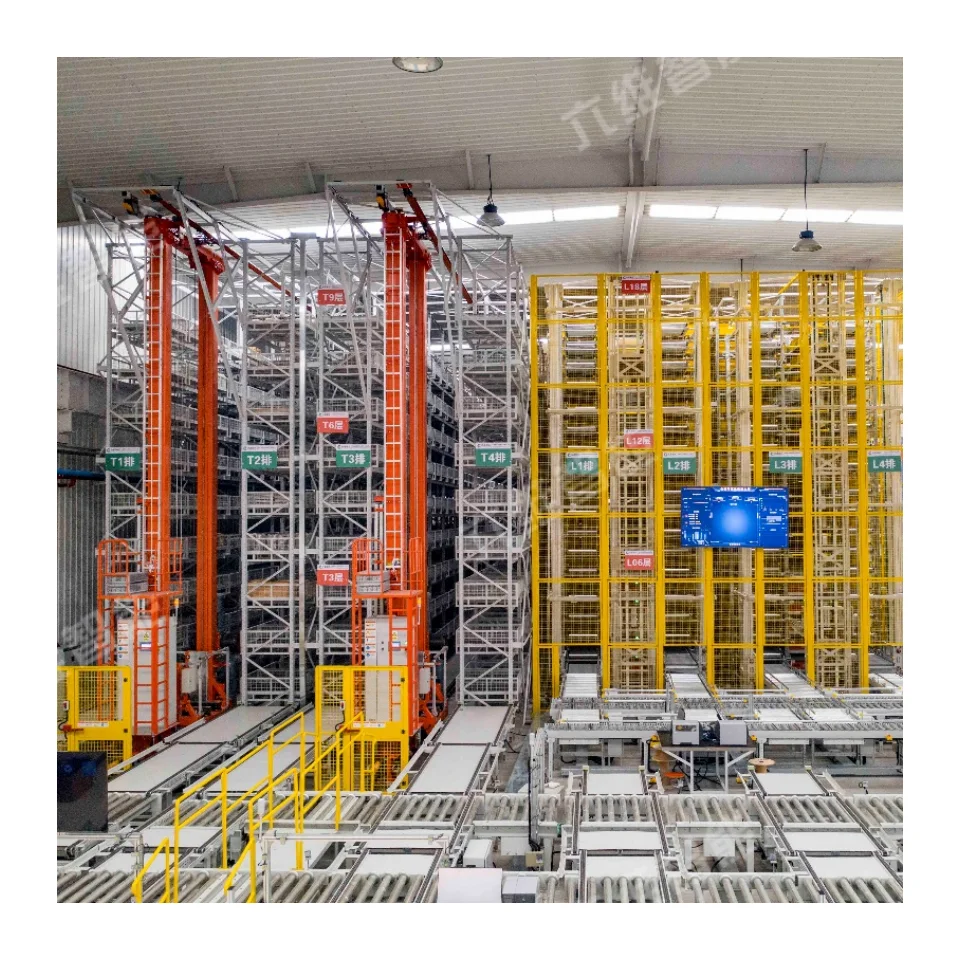
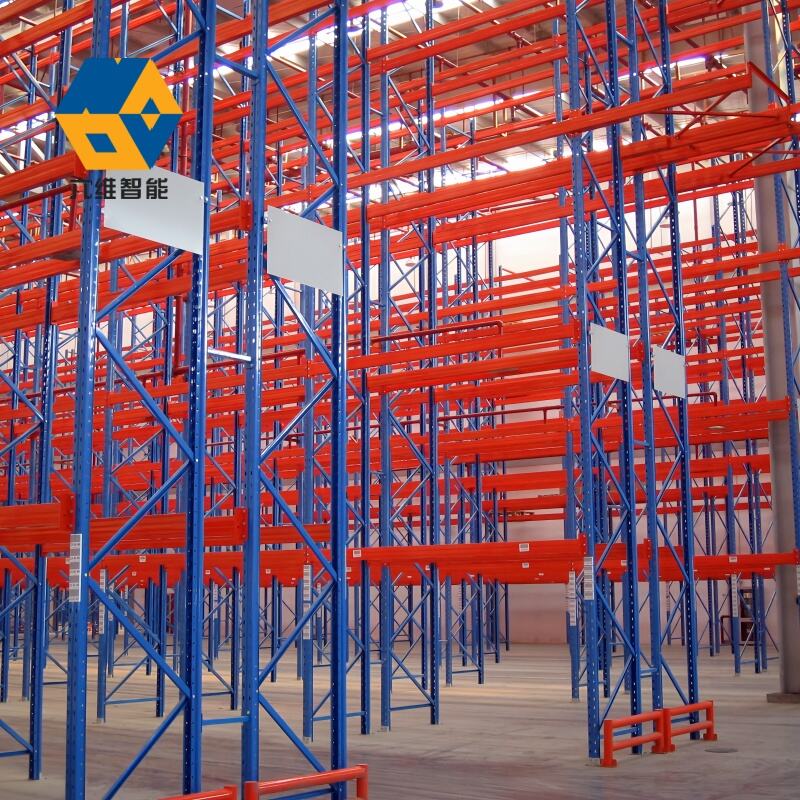
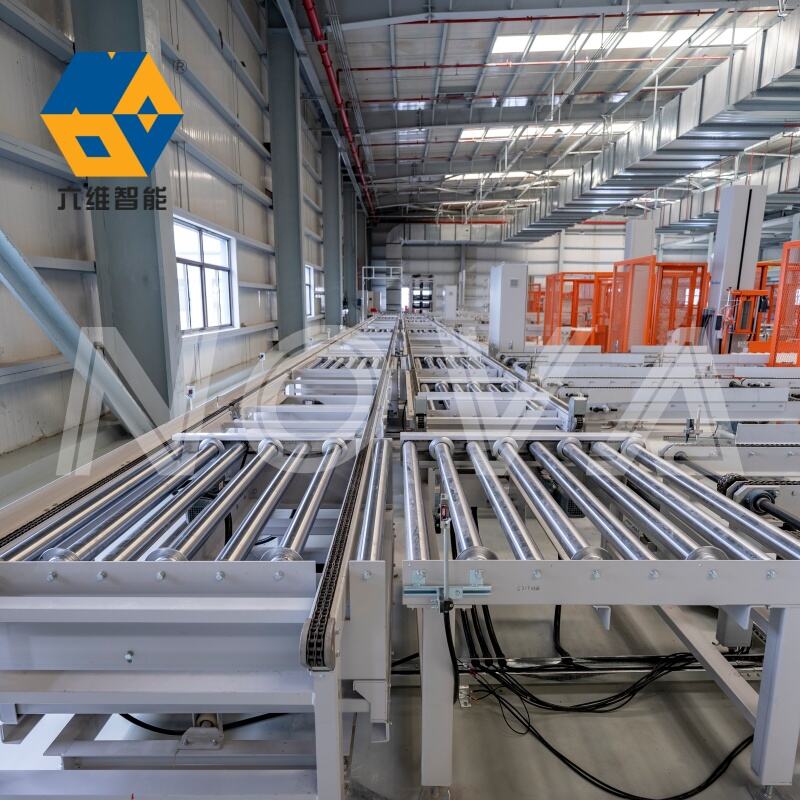
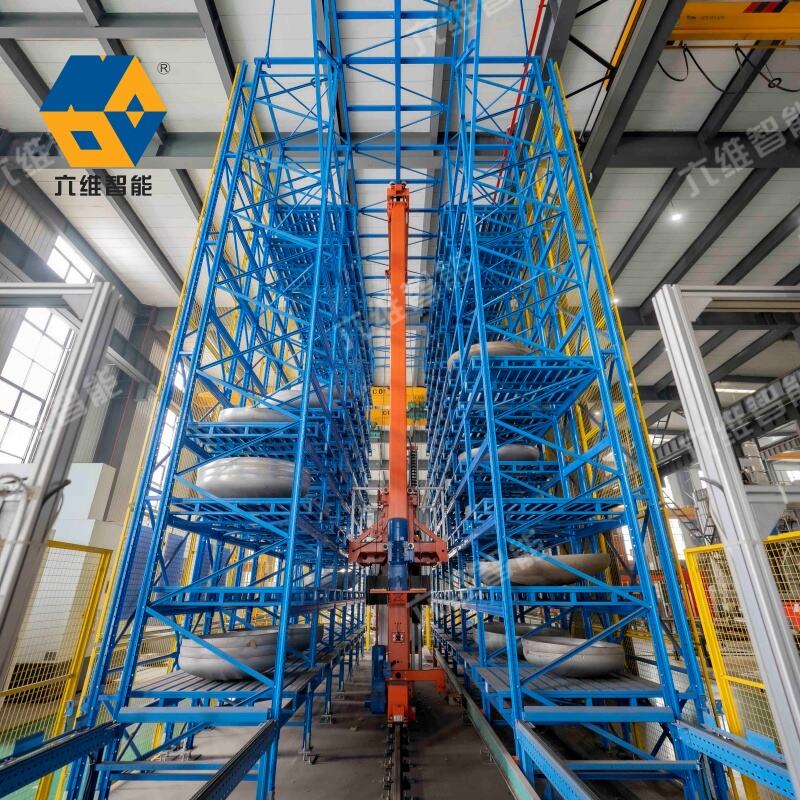
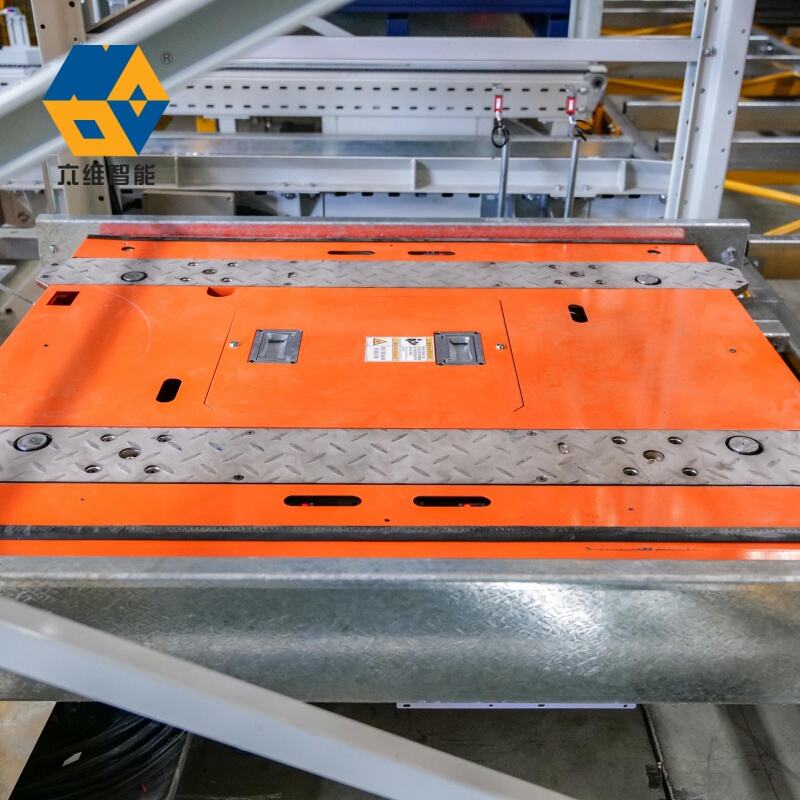
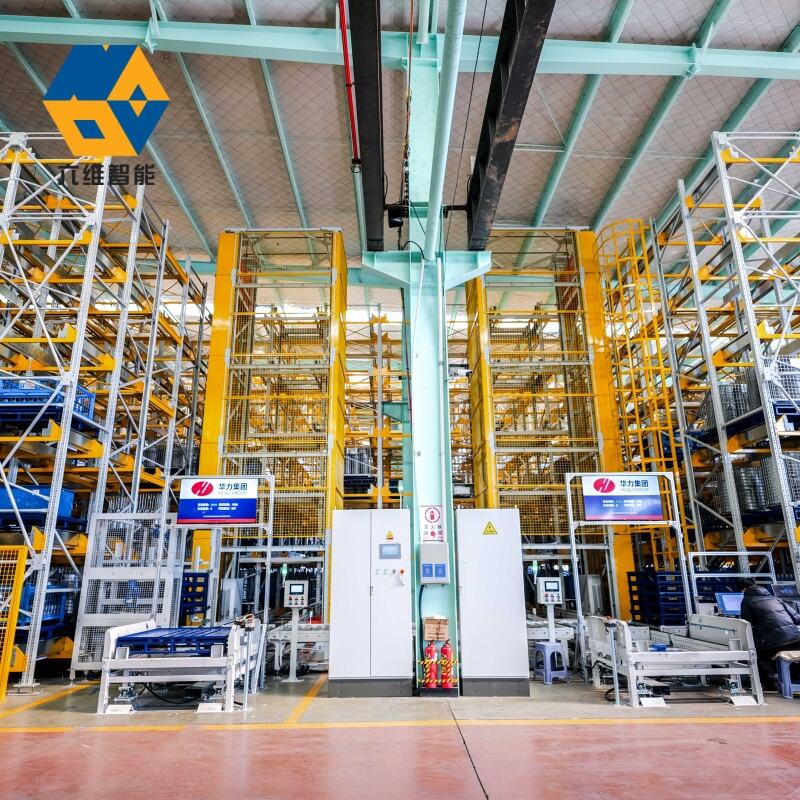
An automated pallet storage system represents a cutting-edge warehousing solution that revolutionizes how businesses manage their inventory and logistics operations. This sophisticated technology combines mechanical engineering, computer software, and intelligent control systems to create a seamless storage environment that maximizes space utilization while minimizing human intervention. At its core, the automated pallet storage system uses computer-controlled cranes, conveyors, and shuttles to transport pallets throughout a facility, storing and retrieving them with remarkable precision and speed. The system operates through a warehouse management software platform that tracks every pallet's location, contents, and movement history in real-time. This technological marvel consists of several key components including high-density racking structures that can reach impressive heights, automated stacker cranes that move vertically and horizontally along defined pathways, conveyor systems that transport pallets between different zones, and sophisticated control software that orchestrates all operations. The main functions of this system encompass receiving incoming pallets, automatically assigning optimal storage locations based on product characteristics and demand patterns, retrieving items when orders are placed, and managing inventory levels with exceptional accuracy. Technological features include laser-guided positioning systems that ensure millimeter-perfect placement, weight sensors that verify loads, barcode or RFID scanning for instantaneous identification, and predictive algorithms that optimize storage strategies. Applications span numerous industries including food and beverage distribution where temperature-controlled environments can be maintained, pharmaceutical storage requiring strict compliance and traceability, automotive parts management demanding high throughput, retail distribution centers handling diverse product ranges, and manufacturing facilities coordinating just-in-time production. The system adapts to various operational scales, from compact warehouses seeking to triple their capacity to massive distribution hubs processing thousands of pallets daily, making it a versatile solution for modern supply chain challenges.

Popular Products

Implementing an automated pallet storage system delivers transformative benefits that directly impact your bottom line and operational efficiency. First and foremost, these systems dramatically increase your usable storage capacity without requiring additional floor space. By building upward rather than outward, you can store up to three times more inventory in the same footprint, effectively eliminating the need for costly facility expansions or additional warehouse leases. This vertical optimization translates into substantial real estate savings and better utilization of your existing assets. Labor cost reduction represents another compelling advantage, as automation eliminates the need for forklift operators, reduces picking errors, and allows your workforce to focus on higher-value tasks rather than repetitive material handling. Companies typically report labor savings of forty to sixty percent after implementation, while simultaneously improving workplace safety by removing workers from potentially hazardous environments where forklift accidents and repetitive strain injuries commonly occur. The precision of automated systems virtually eliminates product damage caused by human error during handling, protecting your inventory investment and reducing costly shrinkage. Speed and throughput improvements enable you to process orders faster and more accurately, with many systems capable of completing retrieval operations in under two minutes compared to ten or fifteen minutes for manual processes. This acceleration means you can fulfill more orders per shift, improve customer satisfaction through faster delivery times, and respond more dynamically to market demands. Energy efficiency also factors prominently, as modern systems incorporate LED lighting that activates only in operational zones, climate control optimization in automated sections, and regenerative braking systems that capture energy during crane operations. Inventory accuracy reaches near-perfect levels, typically exceeding 99.9 percent, because the system tracks every movement and eliminates counting errors associated with manual stocktaking. This precision enables better demand forecasting, reduces safety stock requirements, and prevents stockouts that frustrate customers. The system provides complete visibility into your inventory with real-time data accessible from any device, empowering managers to make informed decisions quickly. Scalability represents a crucial long-term benefit, as these systems can expand alongside your business growth through modular additions without disrupting ongoing operations. Return on investment typically materializes within three to five years through combined savings in labor, space, damage prevention, and operational efficiency gains, making this technology not just an operational improvement but a strategic financial decision that strengthens your competitive position in increasingly demanding markets.

Practical Tips

How Does a Rack System Support Better Warehouse Safety Standards?

20

May

How Does a Rack System Support Better Warehouse Safety Standards?

Warehouse safety is a critical operational priority for any facility that handles significant volumes of inventory, equipment, or materials. At the center of most modern warehouse safety strategies is the rack system — a structural solution that orga...
View More
Why Do Retail Backrooms Prefer Longspan Racks for Flexible Storage?

13

Jan

Why Do Retail Backrooms Prefer Longspan Racks for Flexible Storage?

Retail backrooms face constant pressure to maximize storage efficiency while maintaining quick access to inventory. Modern retail operations require storage solutions that adapt to changing merchandise sizes, seasonal demands, and evolving product li...
View More
Why Is Automated Storage and Retrieval System Adoption Growing Globally?

05

Feb

Why Is Automated Storage and Retrieval System Adoption Growing Globally?

The global logistics landscape is experiencing a revolutionary transformation as businesses increasingly recognize the strategic importance of automated storage and retrieval system implementation. Companies across industries are embracing these soph...
View More
How Can a Shuttle Rack Improve Inventory Management Efficiency?

16

Mar

How Can a Shuttle Rack Improve Inventory Management Efficiency?

Modern warehouses face unprecedented challenges in managing inventory efficiently while maximizing storage capacity. Traditional storage systems often fall short of meeting the demands of high-density storage requirements and rapid inventory turnover...
View More

Get a Free Quote

Our representative will contact you soon.
Email
Name
Company Name
Message
0/1000

automated pallet storage system

Maximized Space Utilization Through Intelligent Vertical Storage

Maximized Space Utilization Through Intelligent Vertical Storage

The automated pallet storage system excels at transforming wasted vertical space into highly productive storage capacity, fundamentally reimagining how warehouses operate. Traditional storage methods typically utilize only thirty to forty percent of available cubic space because they are constrained by forklift reach heights, aisle requirements, and human safety considerations. In contrast, an automated pallet storage system builds racking structures that can reach heights of thirty meters or more, accessed by precision-engineered stacker cranes that operate safely and efficiently at any level. This vertical approach means a facility that previously stored five thousand pallets can suddenly accommodate fifteen thousand or more without expanding the building footprint. The economic implications are profound, particularly in urban areas where real estate costs continue escalating and zoning restrictions make expansion difficult or impossible. Rather than investing millions in new construction or leasing additional facilities miles away from your primary operations, you optimize what you already own. The system calculates the most efficient storage location for each pallet based on multiple variables including product velocity, weight distribution requirements, and retrieval patterns, ensuring that fast-moving items remain easily accessible while slower inventory occupies higher positions. This dynamic slotting capability continuously adapts as your product mix changes throughout seasonal cycles or business evolution. The narrow aisles required by automated systems, often just slightly wider than the pallets themselves, eliminate the wide turning radius needed for forklifts, reclaiming thousands of square feet previously dedicated to navigation space. Additionally, the structural integrity of purpose-built automated racking systems allows for denser storage configurations than conventional racking, with reduced safety clearances between levels because there is no risk of human operation errors. The warehouse management software maintains a precise three-dimensional map of every storage location, tracking not just horizontal position but exact vertical placement and depth within multiple-deep storage lanes. This granular control prevents the location confusion common in manual systems where pallets get misplaced or forgotten in back positions. For businesses experiencing growth, this space multiplication effect delays or eliminates the need for facility expansion, preserving capital for other strategic investments while maintaining operational proximity and logistical efficiency.
Unprecedented Operational Speed and Accuracy for Competitive Advantage

Unprecedented Operational Speed and Accuracy for Competitive Advantage

Speed and precision represent the dual cornerstones that make automated pallet storage systems indispensable for businesses competing in today's demanding marketplace where customer expectations for rapid fulfillment continue intensifying. The system orchestrates storage and retrieval operations with computer-controlled precision that human operators simply cannot match, completing complex sequences in fractions of the time required by conventional methods. When an order enters the system, sophisticated algorithms instantly identify the optimal retrieval sequence, dispatching multiple cranes simultaneously to gather required pallets while calculating the most efficient travel paths to minimize movement and energy consumption. A typical retrieval cycle completes in ninety seconds to two minutes from command initiation to pallet delivery at the output station, compared with the ten to twenty minutes a forklift operator might require to locate, travel to, retrieve, and transport the same pallet through a traditional warehouse. This speed multiplication means your facility can process substantially more orders per shift without adding labor or extending operating hours, directly increasing revenue potential and customer satisfaction. The accuracy component proves equally valuable, as the system eliminates the picking errors that plague manual operations where workers might select incorrect pallets, retrieve wrong quantities, or damage products during handling. Every movement is tracked and verified through barcode scanning, RFID technology, or vision systems that confirm the correct pallet is moving to the correct destination, achieving accuracy rates above 99.9 percent. This precision cascades throughout your supply chain, reducing returns, eliminating the costly correction processes required when wrong items ship, and building customer trust through consistent order fulfillment. The system never experiences fatigue, distraction, or the productivity variations inherent in human operations, maintaining consistent performance throughout extended shifts and peak demand periods. Real-time inventory visibility means your customer service team can provide accurate availability information instantly, your planning team can make decisions based on current rather than outdated data, and your management can identify trends and issues as they emerge rather than discovering problems during periodic physical counts. The speed advantage also enables just-in-time inventory strategies that reduce carrying costs and minimize obsolescence risk, while the accuracy ensures you maintain optimal stock levels without excessive safety buffers that tie up capital in unnecessary inventory.
Enhanced Safety and Reduced Operating Costs Through Automation

Enhanced Safety and Reduced Operating Costs Through Automation

The financial and human benefits of transitioning to an automated pallet storage system extend far beyond simple efficiency gains, fundamentally transforming the cost structure and safety profile of warehouse operations. Labor represents one of the largest and fastest-growing expense categories in logistics, with warehouse wages increasing steadily while worker availability becomes more challenging in tight employment markets. An automated pallet storage system dramatically reduces labor requirements by eliminating the need for forklift operators, reducing picking staff, and allowing remaining workers to focus on supervisory roles and value-added activities that machines cannot perform. Facilities typically report labor cost reductions of forty to sixty-five percent, savings that continue accruing year after year and provide predictable operating expenses insulated from wage inflation pressures. Beyond direct wage savings, the system reduces workers' compensation insurance premiums because it removes employees from the high-risk environment of forklift operations, where accidents cause injuries, product damage, and facility infrastructure impacts. Forklift incidents account for substantial injury rates in traditional warehouses, with associated costs including medical expenses, lost productivity, replacement worker training, potential regulatory penalties, and the immeasurable impact on employee morale and company culture. By isolating automated operations in defined zones separate from human work areas, the system creates an inherently safer environment where people and heavy machinery do not interact. Energy costs decrease through multiple mechanisms including LED lighting systems that illuminate only active zones rather than entire facilities, climate control optimization in automated sections where temperature requirements may be less stringent without human occupancy, and the regenerative braking and efficient motor systems employed by modern cranes and conveyors. Maintenance costs remain predictable and manageable because automated systems operate with consistent, controlled movements that reduce wear compared to the variable, sometimes aggressive operation of human-driven equipment. Product damage rates plummet when automation eliminates the bumps, drops, and impacts that occur during manual handling, protecting your inventory investment and reducing the write-offs that erode profitability. The system extends building lifespan by reducing floor damage from forklift traffic, preventing rack impacts that compromise structural integrity, and eliminating the building penetrations and wear associated with conventional material handling. Insurance carriers often provide favorable premium rates for automated facilities due to reduced fire risk from eliminating forklift propane or battery charging areas, decreased theft potential through controlled access zones, and comprehensive system logging that provides complete operational transparency for claims investigation and risk assessment.


Get a Free Quote

Our representative will contact you soon.
Email
Name
Company Name
Message
0/1000

Get a Free Quote

Our representative will contact you soon.
Email
Name
Company Name
Message
0/1000