ការប្រើប្រាស់ទំហំផ្ទៃដែលមានបានអតិបរមាដោយសារការផ្ទុកឡើងលើតាមបែបឆ្លាតវៃ
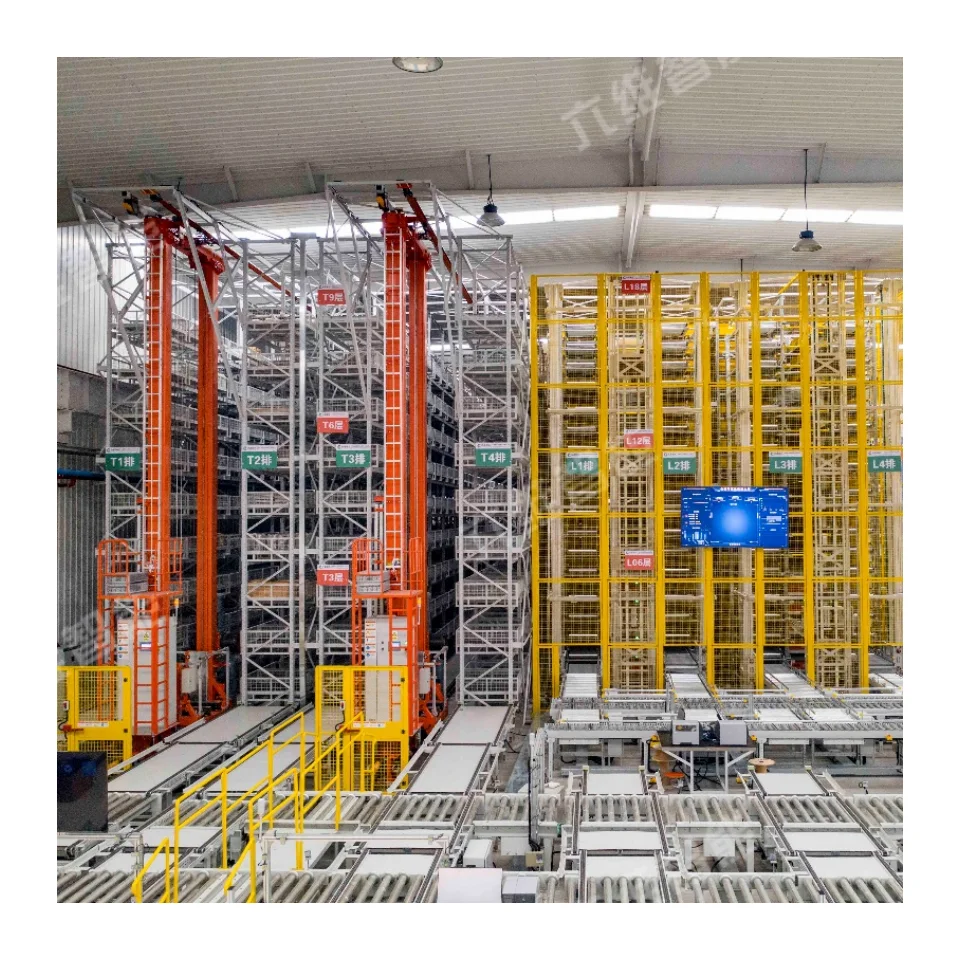
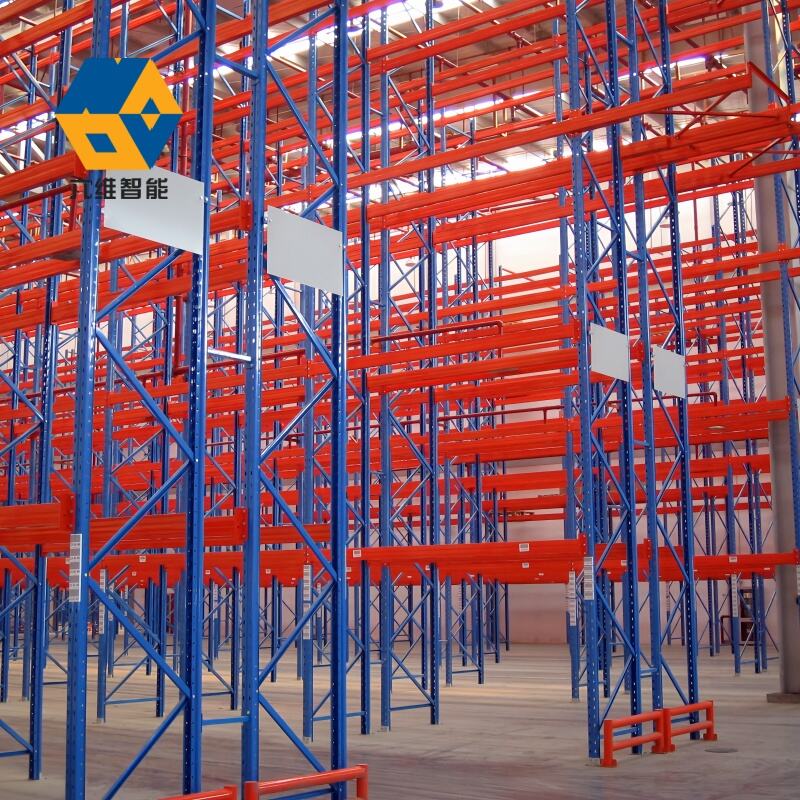
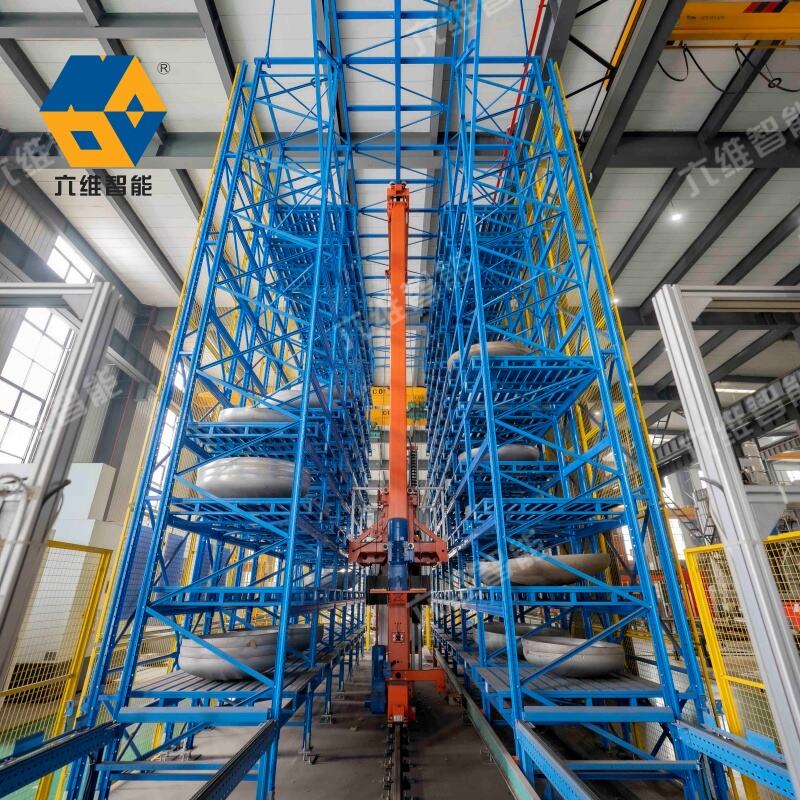
ប្រព័ន្ធអប់រំ pallet ដែលមានស្វ័យប្រវត្តិ គឺមានសមត្ថភាពក្នុងការផ្លាស់ប្តូរទីតាំងទទឹង ដែលបាត់បង់ទៅជាសមត្ថភាពអប់រំដែលមានផលិតភាពខ្ពស់ ដោយបង្កើតឡើងជាថ្មីនូវរបៀបដំណើរការរបស់អប់រំ។ វិធីសាស្ត្រអប់រំប្រពៃណីជាធម្មតាប្រើតែ ៣០ ទៅ ៤០ ភាគរយនៃទីតាំងគូបដែលមានលទ្ធភាពដោយសារតែពួកគេត្រូវបានរឹតត្បិតដោយកំពស់នៃការឈានដល់ forklift, តម្រូវការផ្លូវ, និងការគិតគូរអំពីសុវត្ថិភាពមនុស្ស។ ផ្ទុយទៅវិញ ប្រព័ន្ធ ស្តុក ប៉ាឡេ ត ដោយ ស្វ័យប្រវត្តិ បាន កសាង រោង ចក្រ ស្តុក ដែល អាច ឈាន ដល់ កម្ពស់ ៣០ ម៉ែត្រ ឬ ច្រើន ជាង នេះ ដែល អាច ចូល ទៅ បាន ដោយ កង់ ស្តុក ដែល មាន ការ រចនា ដោយ ប្រសិទ្ធភាព ដែល ដំណើរការ ដោយ សុវត្ថិភាព និង ប្រសិ វិធីសាស្ត្រ នេះ មានន័យថា រោងចក្រ ដែល ធ្លាប់ រក្សាទុក អណ្តូងថ្ម ៥ ពាន់ គ្រឿង អាច ផ្ទុក ១៥ ពាន់ គ្រឿង ឬច្រើនជាងនេះ ដោយមិន ពង្រីក ទីតាំង នៃ អគារ នោះទេ ។ ផលប៉ះពាល់សេដ្ឋកិច្ចមានលក្ខណៈធំធេង ជាពិសេសនៅក្នុងតំបន់ជនបទ ដែលតំលៃអចលនទ្រព្យនៅតែកើនឡើង និងការរឹតត្បិតការកែច្នៃតំបន់ ធ្វើឱ្យការពង្រីកពិបាក ឬមិនអាចធ្វើបាន។ ជាង ការ វិនិយោគ លាន ដុល្លារ ក្នុង ការ សាងសង់ ថ្មី ឬ ជួល ទីតាំង បន្ថែម ដែល នៅ ឆ្ងាយ ពី ទីតាំង ប្រតិបត្តិការ របស់ អ្នក អ្នក ត្រូវ ធ្វើ ឲ្យ ប្រសើរ ឡើង នូវ អ្វី ដែល អ្នក មាន។ ប្រព័ន្ធនេះបានរចនាទីតាំងទីតាំងទីតាំងល្អបំផុតសម្រាប់ pallet នីមួយៗ ផ្អែកលើចលនានៃផលិតផលជាច្រើនរួមមានល្បឿនផលិតផល តម្រូវការការចែកចាយទម្ងន់ និងការទាញយករូបរាងដែលធានាថាទំនិញដែលចល័តយ៉ាងលឿននៅមានភាពងាយស្រួលក្នុងការ សមត្ថភាពនៃការបំពាក់កម្រិតចល័តនេះត្រូវបានប្រែប្រួលជាបន្តបន្ទាប់ នៅពេលផលិតផលរបស់អ្នកផ្លាស់ប្តូរតាមរយៈរដូវកាលនៃរដូវកាល ឬការវិវត្តន៍នៃអាជីវកម្ម។ ផ្លូវថ្នល់ថ្នល់ដែលតម្រូវឱ្យដោយប្រព័ន្ធអូតូម៉ែត្រ, ជាញឹកញាប់តែធំជាង pallets ផ្ទាល់ខ្លួន, លុបចោលកម្រិតកំដៅធំដែលត្រូវការសម្រាប់ forklifts, ការលុបបំបាត់ពពុះពណ៌ពណ៌ពណ៌ពណ៌ពណ៌ពណ៌ពណ៌ពណ៌ បន្ថែមលើនេះទៀត ការពេញលេញនៃរចនាសម្ព័ន្ធនៃប្រព័ន្ធរោងចក្ររោងចក្រដោយស្វ័យប្រវត្តិដែលត្រូវបានសាងសង់សម្រាប់គោលដៅអនុញ្ញាតឱ្យមានការរៀបចំទីតាំងចតុកោណធនធនជាងរោងចក្ររោងចក្រធម្មតា ជាមួយនឹងការកាត់បន្ថយ កម្មវិធីគ្រប់គ្រងមហាសេដ្ឋី (warehouse management software) នេះ រក្សាទុកផែនទីទំហំបីទំហំដ៏ត្រឹមត្រូវនៃទីតាំងដាក់សំរាមនីមួយៗ ដោយមិនត្រឹមតែតាមដានតំណែងទិសដៅទិសដៅទេ ប៉ុន្តែការដាក់តាំងទិសដៅទិសដៅទិសដៅ និងកម្រិតក្នុងខ្សែ ការត្រួតពិនិត្យដ៏សាមញ្ញនេះបានបង្ការការភាន់ច្រឡំទីតាំងដែលសាមញ្ញនៅក្នុងប្រព័ន្ធដៃដែល pallets ត្រូវបានបាត់បង់ឬត្រូវបានភ្លេចនៅក្នុងតំណែងក្រោយ។ សម្រាប់អាជីវកម្មដែលកំពុងរីកចម្រើន, ឥទ្ធិពលនៃការបង្កើនទីតាំងនេះពន្យារពេលឬលុបចោលតម្រូវការនៃការពង្រីកទីតាំង, ការរក្សាសាច់ប្រាក់សម្រាប់ការវិនិយោគយុទ្ធសាស្ត្រផ្សេងទៀតដោយរក្សាសាច់ប្រាក់ប្រតិបត្តិការជិតខាងនិងប្រសិទ្ធភាពល

 EN
EN