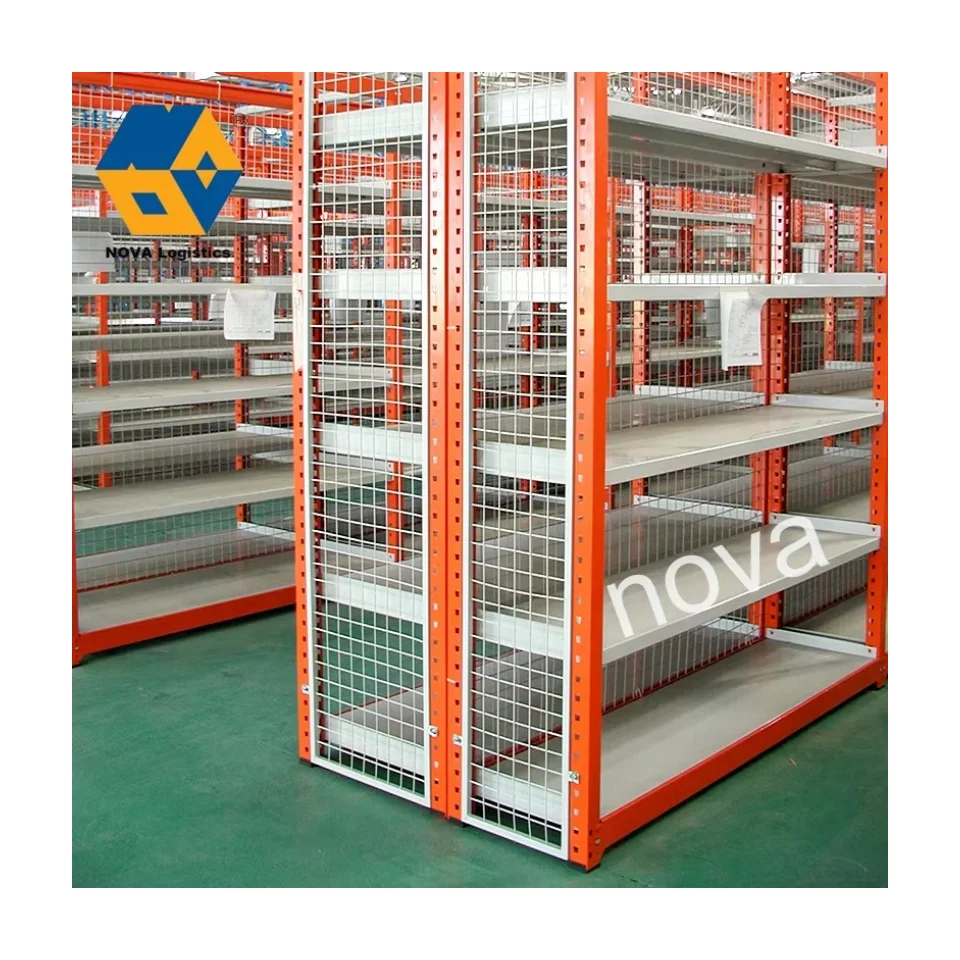
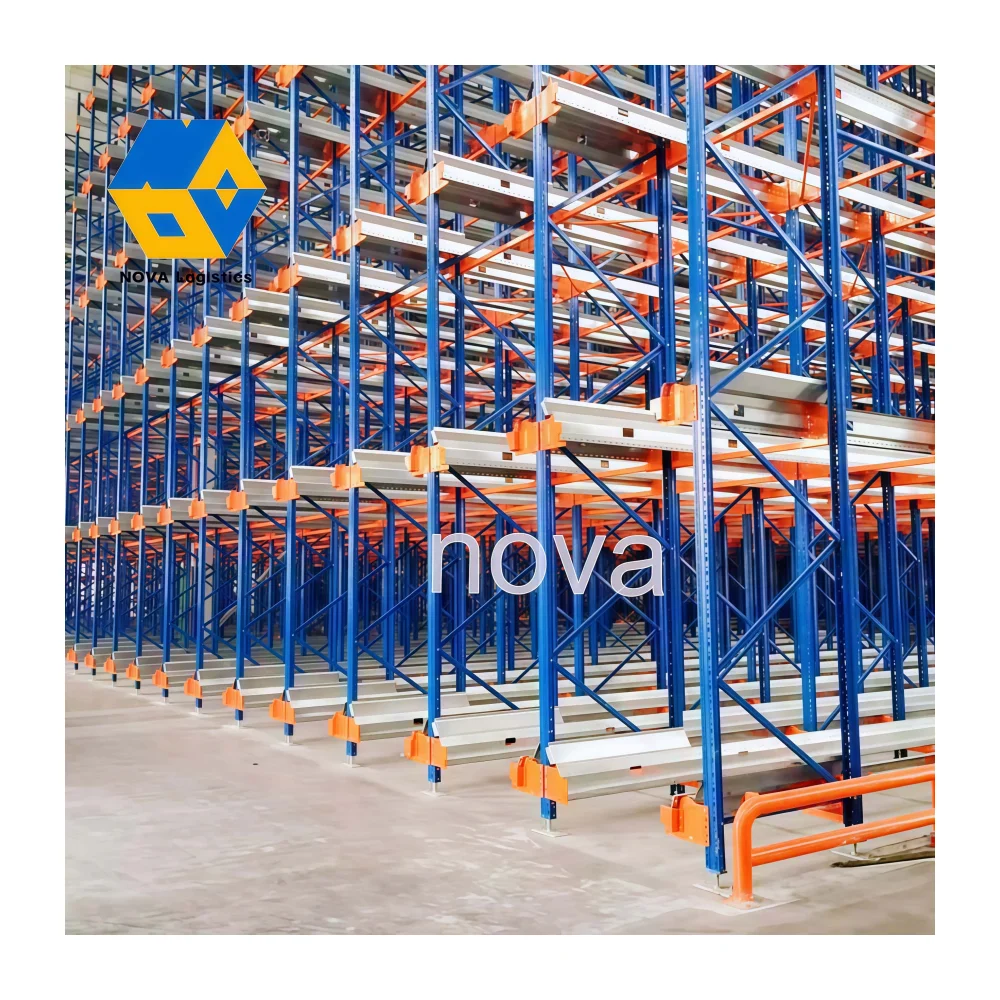
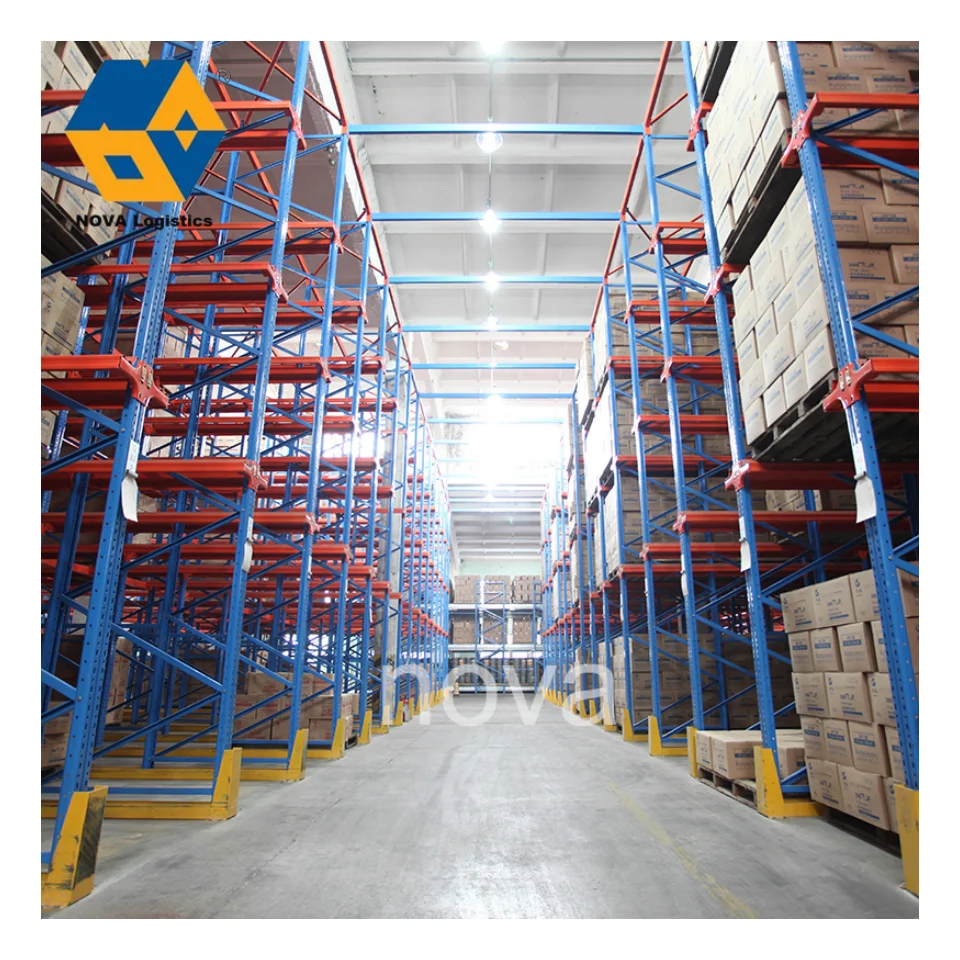
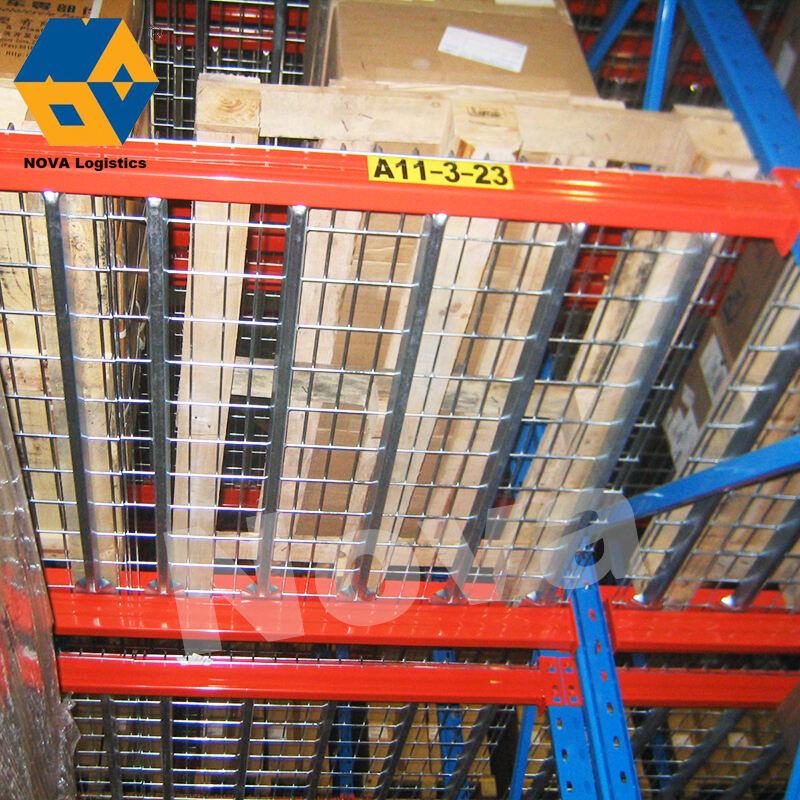
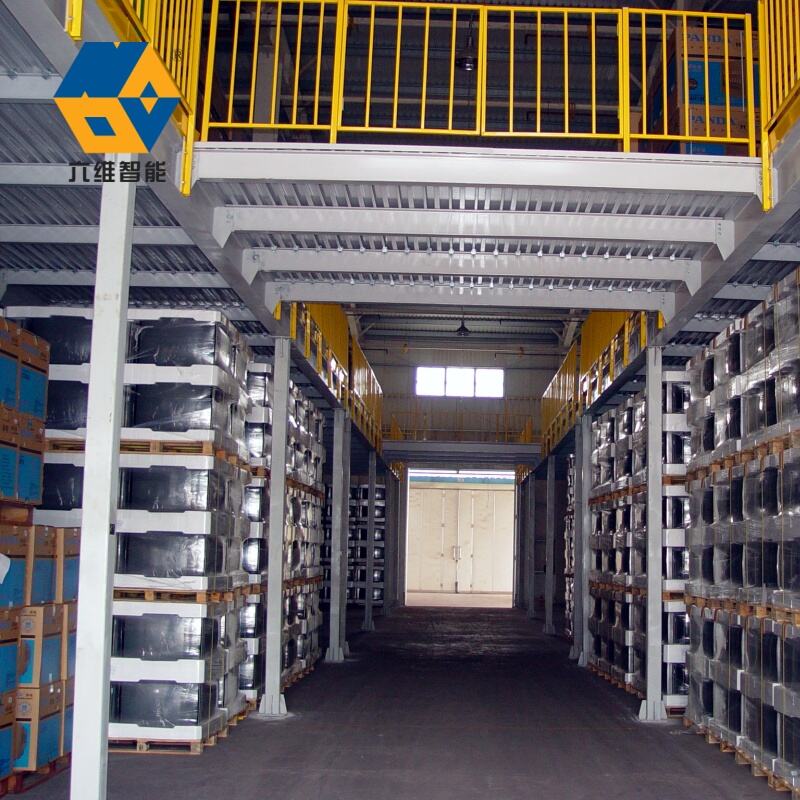
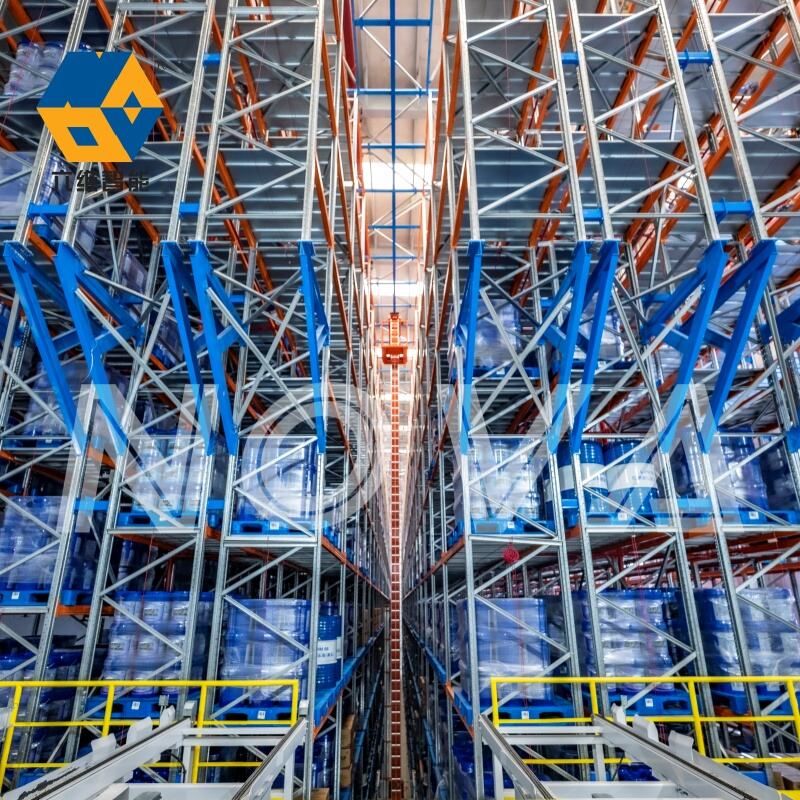
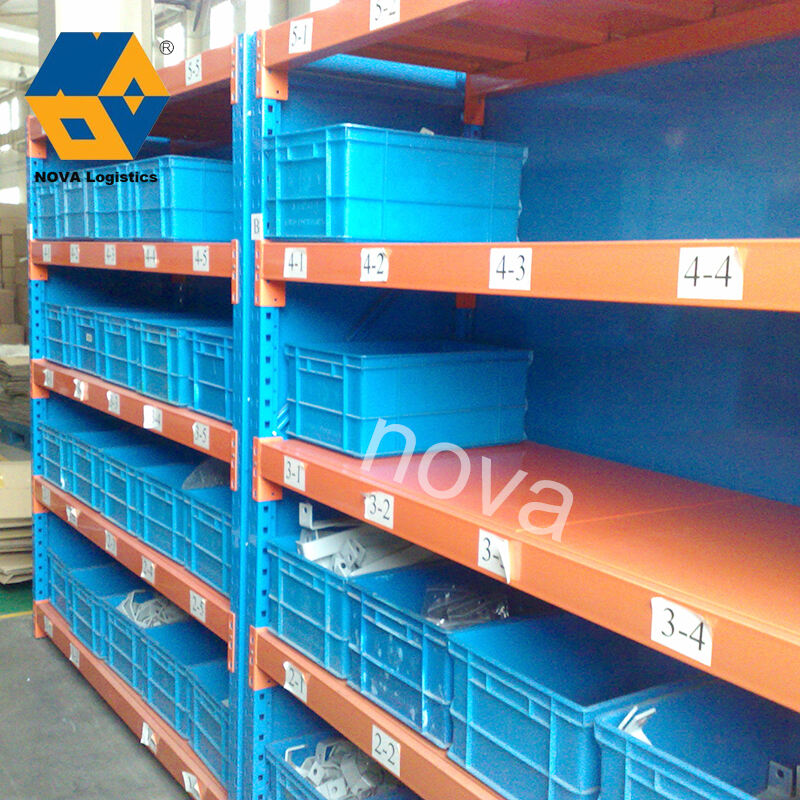
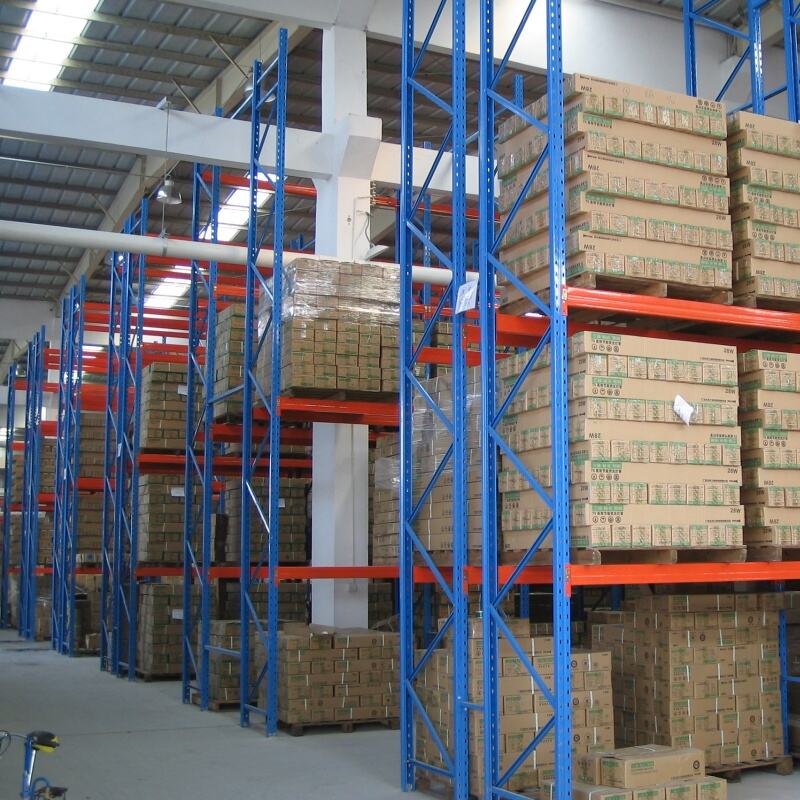
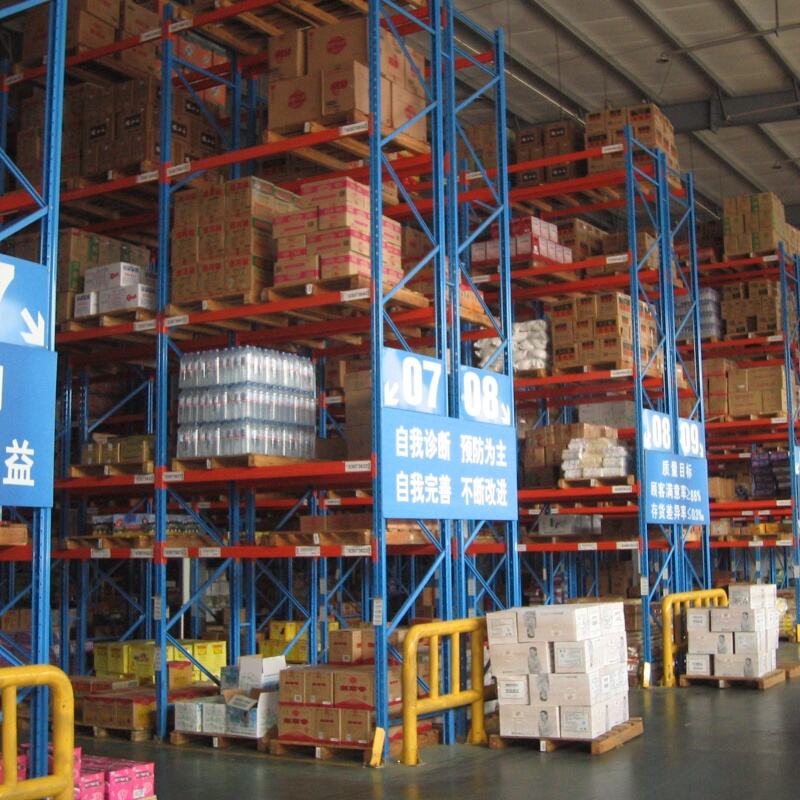
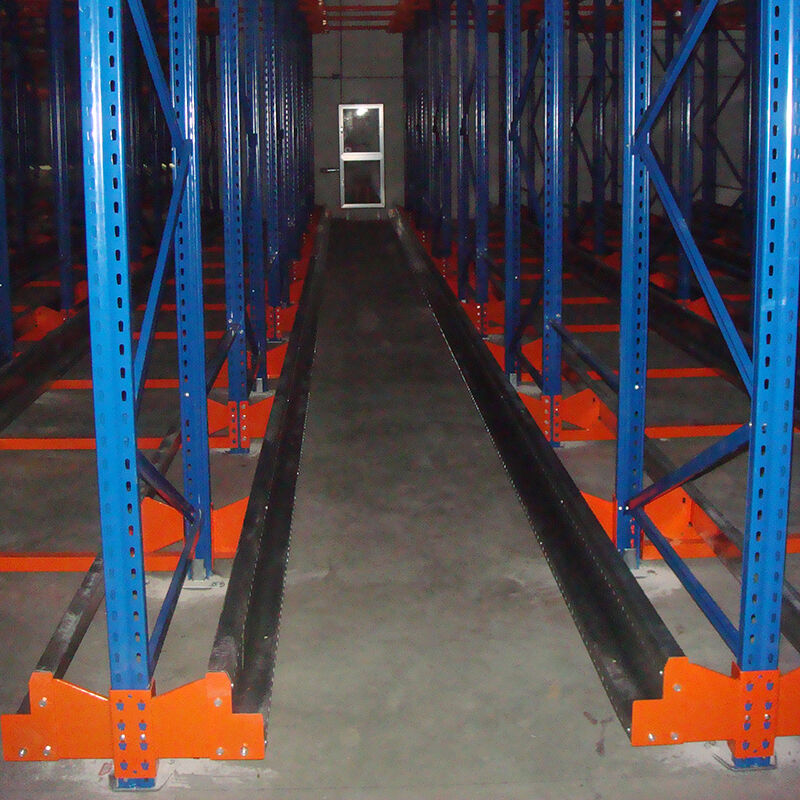
automated racking system for warehouse
An automated racking system for warehouse represents a revolutionary approach to modern storage management, combining cutting-edge technology with intelligent design to transform traditional storage facilities into highly efficient distribution centers. This sophisticated solution integrates motorized shelving units, computerized control systems, and advanced software platforms to create a seamless storage and retrieval environment. The automated racking system for warehouse operates through a network of programmable components that work together to maximize vertical space utilization while minimizing the need for manual labor. At its core, this system features electronically controlled racks that move horizontally or vertically on demand, allowing operators to access specific inventory items with precision and speed. The main functions include automated storage positioning, real-time inventory tracking, intelligent space optimization, and rapid order fulfillment capabilities. Technological features encompass sensor-based safety mechanisms, wireless communication protocols, machine learning algorithms for predictive maintenance, and integration capabilities with existing warehouse management systems. The system employs servo motors, programmable logic controllers, and sophisticated positioning technology to ensure accurate placement and retrieval of goods. Applications span across diverse industries including e-commerce fulfillment centers, pharmaceutical distribution, automotive parts warehousing, cold storage facilities, and retail distribution networks. Manufacturing plants utilize these systems for raw material storage and finished goods handling, while food and beverage companies rely on them for temperature-controlled inventory management. The automated racking system for warehouse proves particularly valuable in environments where space constraints, labor costs, or inventory accuracy present significant operational challenges. This technology enables businesses to handle increased order volumes without proportionally expanding their workforce or physical footprint, making it an essential tool for companies seeking competitive advantages in today's fast-paced logistics landscape.

 EN
EN