Rapid Installation and Minimal Operational Disruption
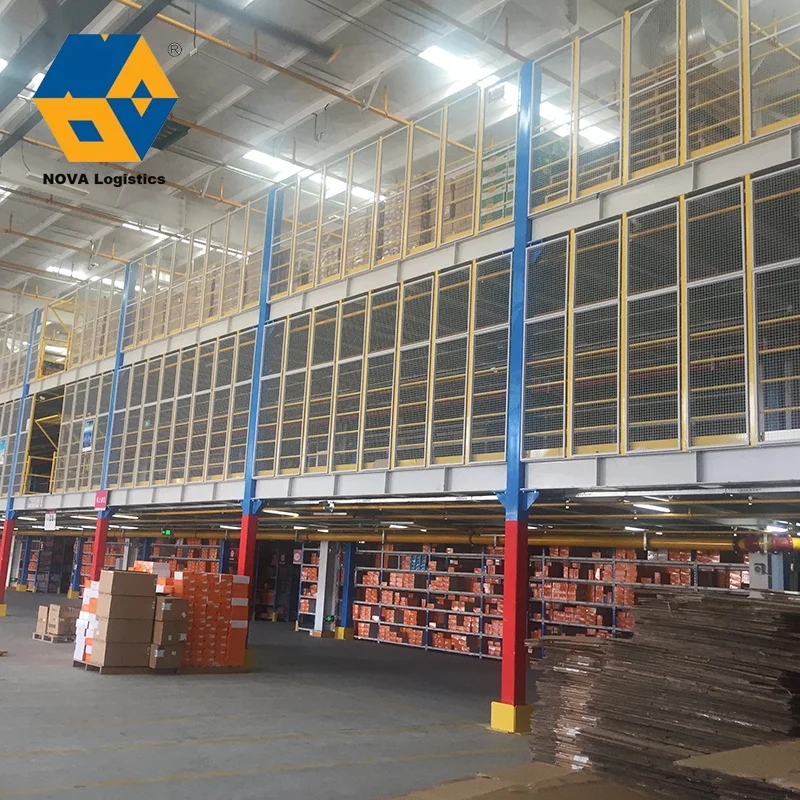
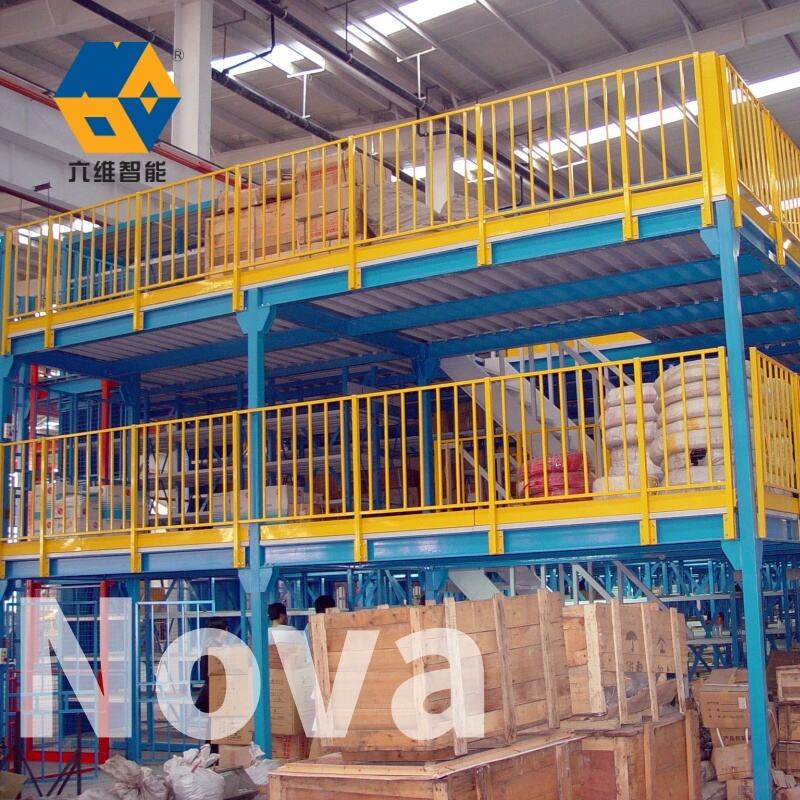
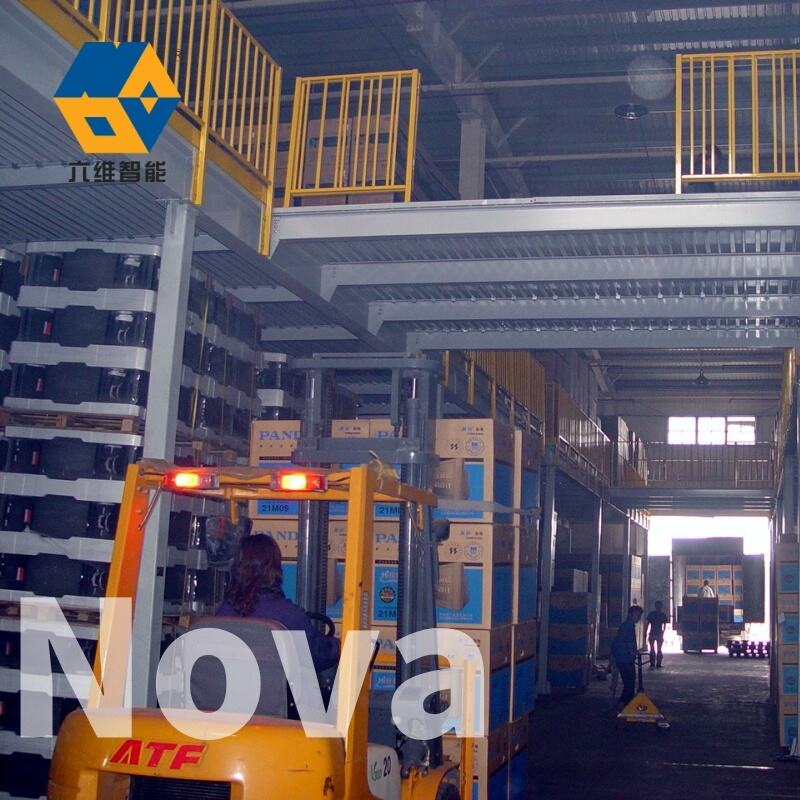
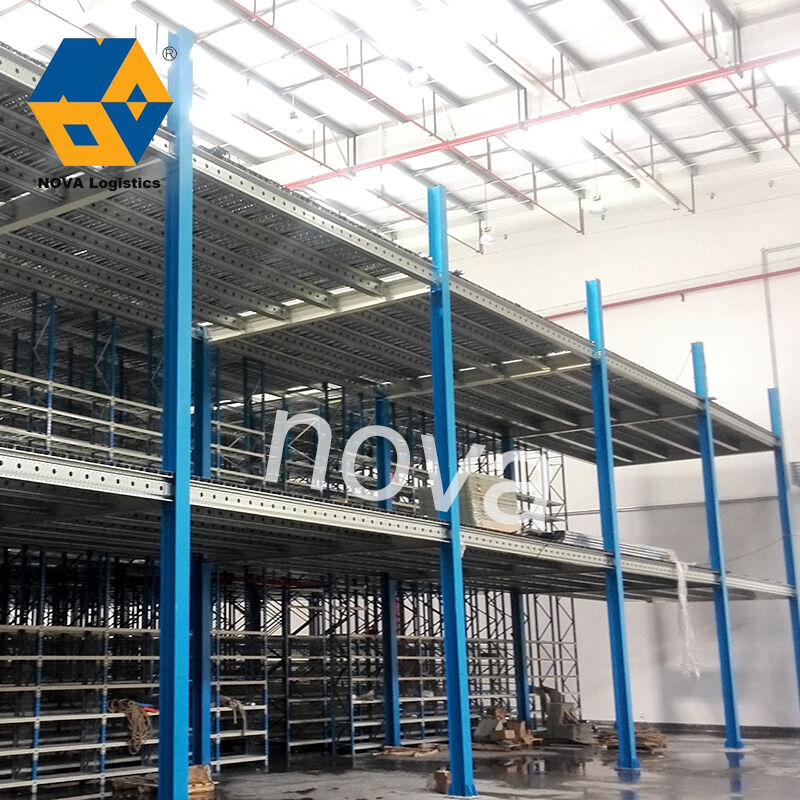
The implementation timeline for a heavy duty mezzanine represents a decisive advantage over alternative expansion strategies, with professional installation teams typically completing projects within two to six weeks depending on size and complexity. This rapid deployment minimizes disruption to ongoing operations, allowing businesses to maintain productivity throughout the installation process. The speed advantage stems from several factors inherent to mezzanine construction methodology. Manufacturing occurs off-site in controlled factory environments where precision fabrication equipment produces components to exact specifications. This prefabrication approach eliminates weather delays, ensures consistent quality, and allows concurrent site preparation while components are being manufactured. When materials arrive at the installation location, assembly proceeds systematically using engineered connection systems that require no welding or extensive modification. Bolt-together construction techniques enable quick assembly while maintaining structural integrity equivalent to welded connections. Installation crews work efficiently with minimal equipment requirements, often operating during off-hours or in phased sections that allow portions of the facility to remain operational throughout the process. This stands in stark contrast to traditional building expansion projects that can require six months to multiple years, involving extensive permitting processes, foundation work, structural construction, and finishing trades. During such lengthy construction periods, businesses face noise, dust, restricted access, and potential safety hazards that impact employee productivity and customer experience. The heavy duty mezzanine installation process generates minimal debris, requires limited demolition or modification to existing structures, and typically qualifies for simplified permitting as non-permanent equipment rather than structural building additions. Site preparation involves verifying floor slab capacity, marking column locations, and potentially installing anchor bolts, tasks completed quickly with minimal disruption. Once installation begins, the systematic assembly process creates visible progress daily, with the basic structure often erected within the first week and decking, stairs, and railings added progressively. Safety systems including handrails and kick plates install concurrently, ensuring code compliance throughout construction. Final inspections verify structural integrity, load capacity, and safety feature functionality before operational handoff. Businesses can begin utilizing the new space almost immediately upon completion, realizing return on investment without the extended waiting periods associated with building expansions. This time efficiency proves particularly valuable for businesses facing urgent capacity constraints, seasonal demand spikes, or rapid growth trajectories that cannot accommodate lengthy construction schedules. The minimal disruption also preserves employee morale and customer relationships, avoiding the frustrations and inefficiencies that accompany prolonged construction projects in active operational environments.

 EN
EN