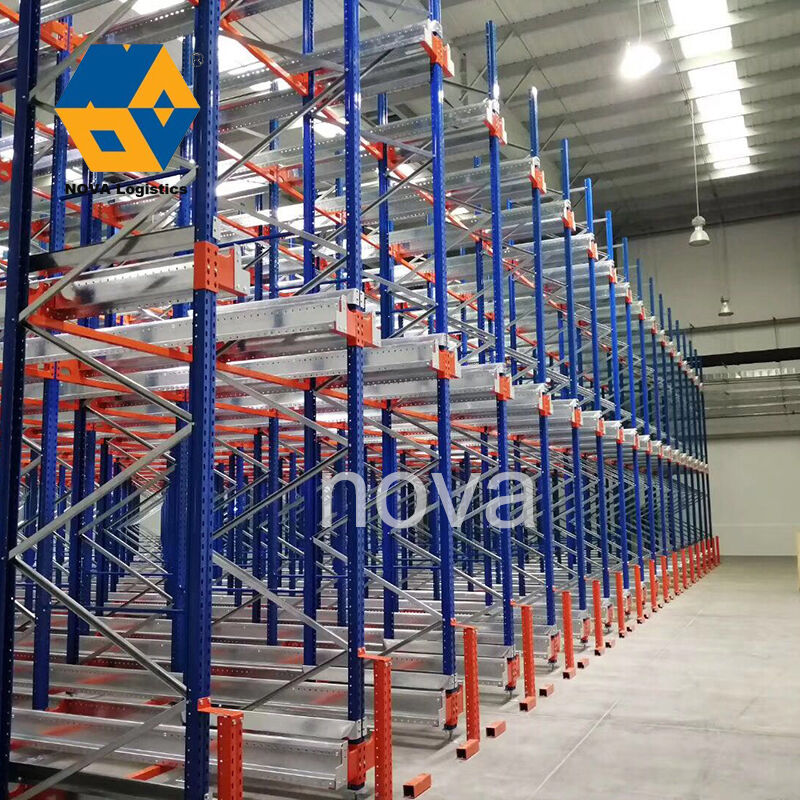
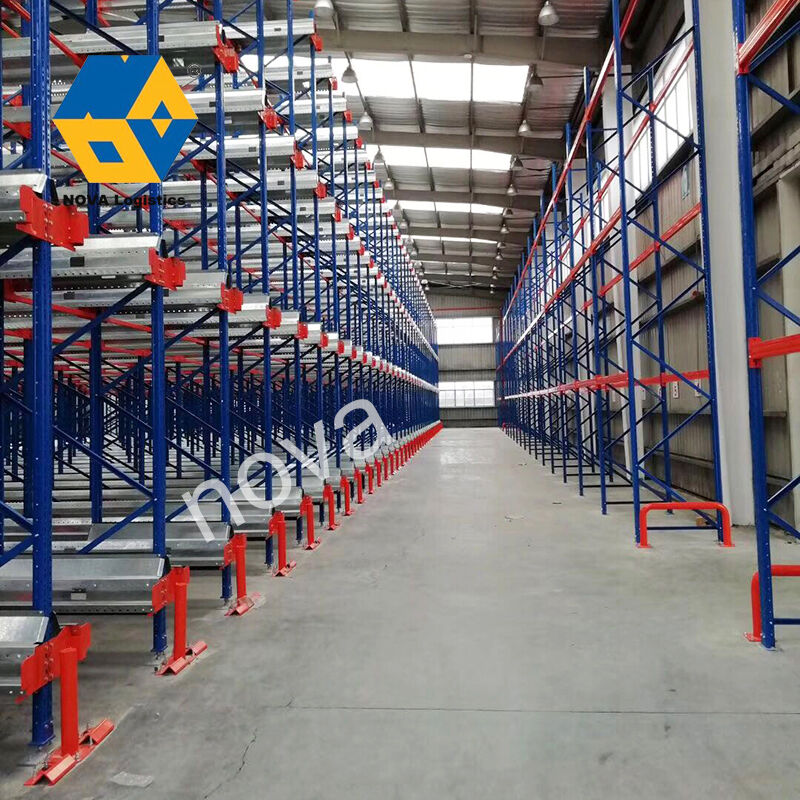
Superior Safety Performance And Risk Mitigation Capabilities
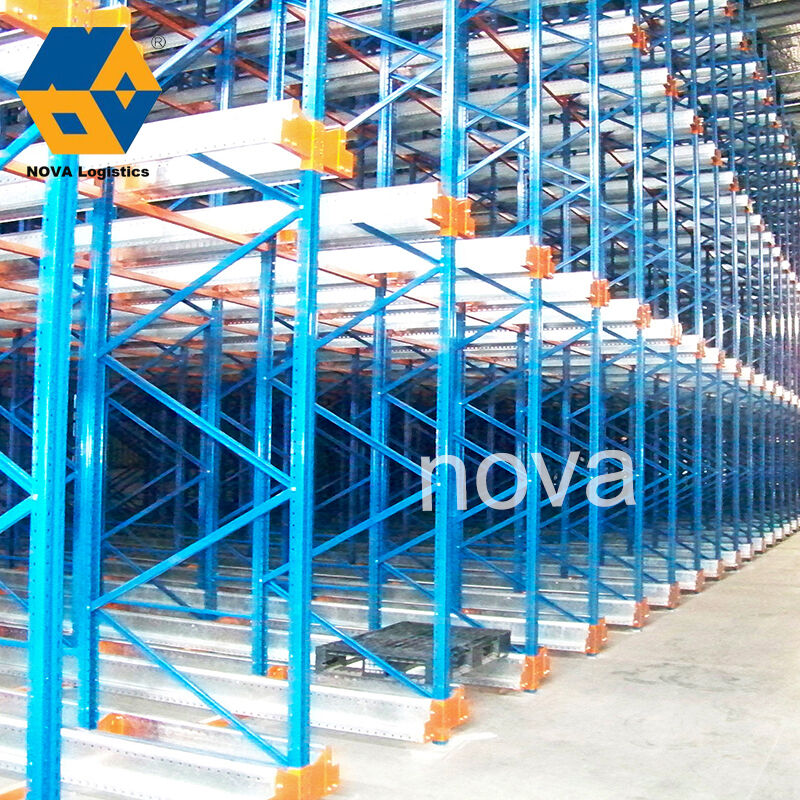
The radio shuttle system delivers exceptional safety performance that protects your workforce, inventory, and facility infrastructure while reducing liability exposure and insurance costs. Traditional warehouse operations place personnel directly into high-risk environments where narrow aisles, limited visibility, and repetitive maneuvering create numerous accident opportunities. Forklift operators navigating deep storage lanes face particular challenges, including restricted sightlines around load corners, difficulty judging distances in confined spaces, and fatigue from sustained concentration during precise positioning tasks. The radio shuttle system removes personnel from these dangerous situations by keeping operators at lane entrances where visibility remains clear and maneuvering space stays adequate for safe forklift operation. Shuttle carts handle all movement within the racking structure, eliminating human exposure to collision risks with rack uprights, overhead beams, and stored products. This separation creates a fundamental safety barrier that prevents the most common warehouse accidents. The technology incorporates multiple protective features including advanced sensors that detect obstacles, automatic speed regulation based on load conditions, and emergency stop functions activated through remote control or automatic triggers. Shuttle carts operate at controlled speeds optimized for safe pallet handling rather than the variable speeds of human-operated equipment influenced by productivity pressure or operator judgment. The consistent, predictable movement patterns reduce structural stress on racking systems, minimizing the gradual damage accumulation that leads to catastrophic failures in traditional high-traffic storage areas. Your inventory receives superior protection as shuttle carts use gentle acceleration and deceleration profiles that prevent load shifting, a major cause of product damage in conventional handling. The system's precision positioning eliminates the scraping and impacts that occur when forklift operators misjudge clearances in tight spaces. Temperature-controlled environments gain particular safety advantages as reduced human exposure to extreme cold minimizes health risks associated with prolonged freezer work while maintaining operational continuity. Workers avoid the physical strain of operating heavy equipment in bulky cold-weather gear, reducing fatigue-related accidents and long-term health issues. The wireless control interface allows operators to maintain safe distances from active storage areas, eliminating risks associated with falling objects or equipment malfunctions. Comprehensive diagnostic systems continuously monitor shuttle performance, identifying potential mechanical issues before they cause failures that might endanger personnel or damage goods. Maintenance personnel work on shuttle carts in controlled shop environments rather than performing repairs in awkward positions within racking structures. This safer maintenance approach reduces injury rates and improves repair quality. Insurance providers recognize these safety improvements through reduced premiums, while regulatory compliance becomes simpler with fewer reported incidents and enhanced safety documentation. The system creates a more attractive work environment that aids recruitment and retention of quality warehouse personnel who value employer commitment to their wellbeing.

 EN
EN