
 EN
EN
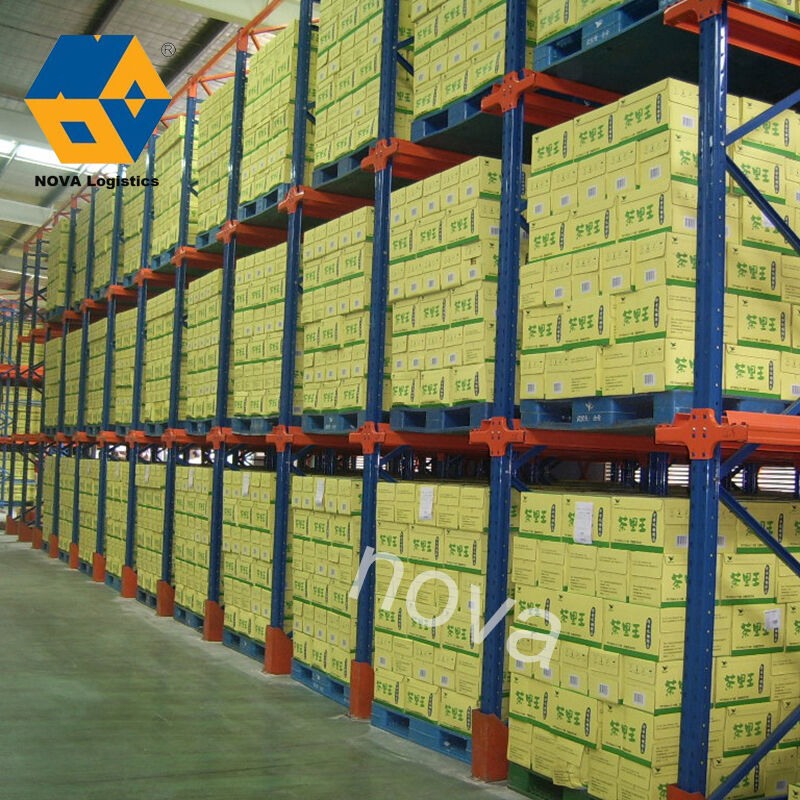
In high-density warehouse environments, drive in racking plays a critical role in maximizing storage capacity while minimizing aisle space. These robust structural systems are engineered to support large volumes of palletized goods, but their very design — with forklifts regularly entering the rack lanes — exposes them to unique physical stresses and wear patterns. Without a consistent maintenance strategy, even the most well-built drive in racking installation can develop structural vulnerabilities that compromise both safety and operational efficiency over time.
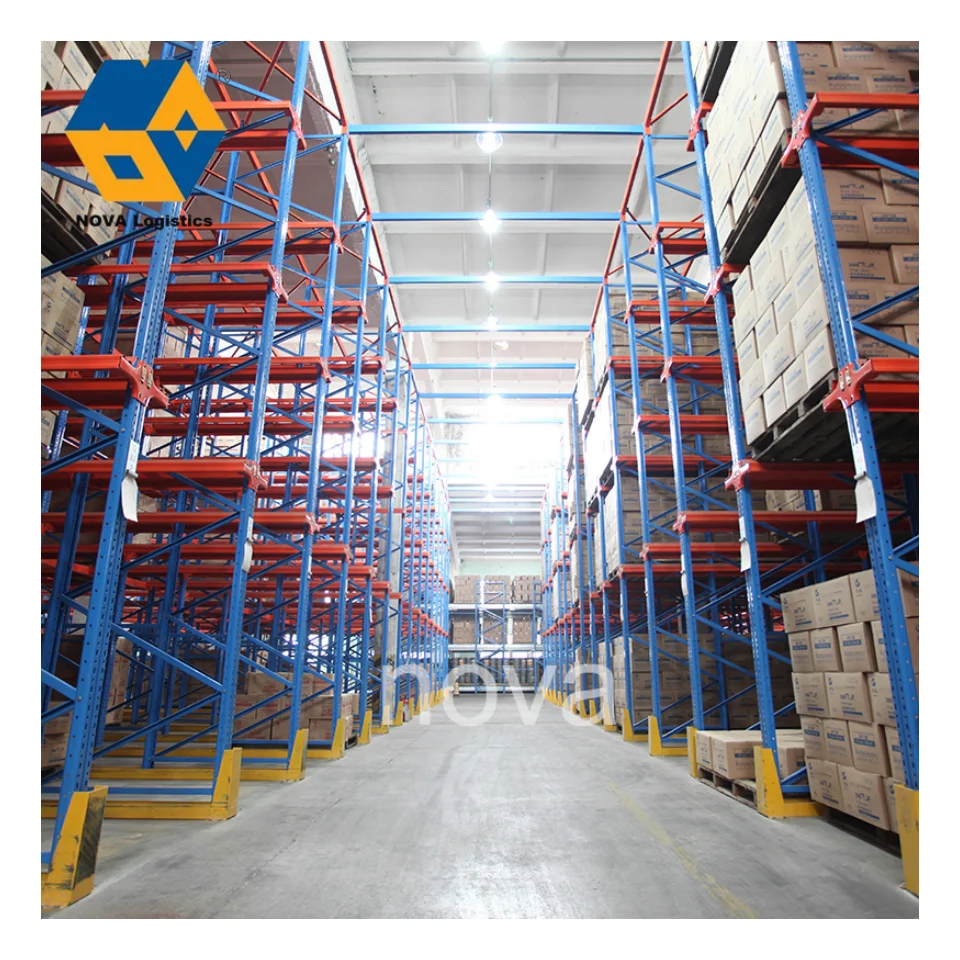
Understanding what maintenance practices genuinely protect drive in racking structures requires looking beyond surface-level inspections. It means addressing the cumulative impact of daily forklift contact, load distribution demands, environmental exposure, and the natural aging of steel components. This article outlines the essential maintenance tips warehouse managers, safety officers, and logistics professionals should implement to extend the service life of their drive in racking systems and maintain a safe working environment.
Understanding the Structural Demands of Drive In Racking
How Drive In Racking Differs From Conventional Rack Systems
Unlike selective pallet racking where each pallet position is individually accessible from an aisle, drive in racking is designed for forklifts to enter directly into the rack structure. This creates a last-in, first-out storage pattern that dramatically increases storage density. However, it also means that the uprights, rails, and base components are continuously exposed to moving equipment traveling within close tolerances.
The structural loads on a drive in racking system are therefore more dynamic than those placed on standard selective systems. Rail guides, column protectors, and floor anchors endure repetitive impact forces that can gradually loosen or deform components. Recognizing this inherent operational stress is the first step in developing a proactive maintenance program tailored specifically to drive in racking demands.
The design of drive in racking also concentrates weight over fewer support points per storage lane compared to beam-type systems. This means structural deflections or component failures tend to have a larger cascading impact on overall system integrity, making regular assessment even more essential.
Common Stress Points in Drive In Racking Configurations
The most vulnerable areas in any drive in racking configuration are the lower upright sections, rail entry points, and floor anchor connections. These locations absorb the majority of forklift contact and load transition forces. Over months of operation, even minor repeated impacts can cause progressive deformation that is difficult to detect without systematic inspection protocols.
Rail guide arms — the horizontal supports that guide pallets into position — are another high-wear component in drive in racking systems. These elements frequently receive glancing blows from pallets being inserted or retrieved, leading to bending, cracking, or displacement from their mounting brackets. Identifying and addressing damage at these points early prevents load instability in upper levels.
Cross bracing and back frames in drive in racking provide essential lateral rigidity. Any compromise to these elements, whether through corrosion, mechanical impact, or fastener loosening, can reduce the system's resistance to rack sway under load. Maintenance teams must understand these stress concentration zones to prioritize their inspection routes effectively.
Routine Inspection Practices That Protect Drive In Racking Integrity
Establishing a Structured Inspection Schedule
A reliable maintenance program for drive in racking begins with a clearly defined inspection schedule. Industry best practices recommend daily visual checks conducted by warehouse staff at the start of each shift, weekly walkthroughs by team supervisors, and comprehensive structural assessments by qualified racking inspectors on a quarterly or annual basis. The frequency should be adjusted based on operational intensity and the volume of forklift activity within the racking lanes.
Daily checks for drive in racking should focus on visible deformation, unusual leaning, displaced components, and any debris that may obstruct forklift entry lanes. Staff should be trained to recognize early warning signs — such as bent upright profiles, misaligned rail guides, or loosened base plates — and report findings through a formal documentation system rather than relying on verbal communication alone.
Quarterly inspections of drive in racking should include load capacity verification, anchor bolt torque checks, corrosion assessment, and measurement of any upright deviation from plumb. Any deviations beyond the tolerances specified by the rack manufacturer should trigger immediate load removal from the affected bays and prompt professional assessment before the system is returned to use.
Documenting Damage and Tracking Repair History
Maintaining detailed records is an often-overlooked aspect of drive in racking maintenance. A well-kept inspection log allows maintenance managers to identify recurring damage patterns in specific rack lanes, which may indicate forklift operator technique issues or structural design mismatches with current load profiles. Without this historical data, recurring problems are repeatedly patched rather than systematically resolved.
Each damage event recorded for a drive in racking component should include the location within the racking grid, the nature and severity of the damage, the date of discovery, the action taken, and the identity of the inspector. This creates an auditable trail that is also valuable if the warehouse undergoes a safety audit or insurance review following an incident.
Digital inspection tools and warehouse management platforms now make it practical to attach photographic evidence to each inspection record for drive in racking systems. Visual documentation is particularly useful when comparing the condition of a component over multiple inspection cycles, helping maintenance teams make objective decisions about whether a component requires immediate replacement or can safely continue in service under monitoring.
Repair and Component Replacement Guidelines for Drive In Racking
Knowing When to Repair Versus Replace Components
One of the most critical maintenance decisions in drive in racking management is determining when a damaged component can be safely repaired in place versus when full replacement is required. Straightening bent uprights in situ is generally not an acceptable practice, as the cold-working process that bends steel also weakens its structural properties. Any upright in a drive in racking system that has experienced significant deformation should be replaced with a manufacturer-approved equivalent component.
Minor surface rust on drive in racking steel — particularly in high-humidity or refrigerated warehouse environments — can often be addressed with wire brushing, rust treatment, and recoating, provided the cross-section of the steel has not been materially reduced. However, where corrosion has clearly compromised section thickness, especially on uprights or primary horizontal members, full component replacement is necessary to maintain rated load capacities.
For rail guide arms in drive in racking, minor bending within defined manufacturer tolerances may be acceptable if the guide continues to perform its load-positioning function without creating instability. Cracks, fractures at welded joints, or displacement from mounting brackets require immediate replacement regardless of how minor the damage may appear visually, because these components are critical to safe pallet positioning within the lane.
Using Manufacturer-Approved Parts and Professional Installation
All replacement components used in a drive in racking structure must match the original specifications provided by the system manufacturer. Substituting components from a different manufacturer — even if the dimensions appear similar — risks introducing incompatibilities in load capacity ratings, connection geometry, or material strength that could compromise the overall structural rating of the system.
When replacing uprights or bracing in an active warehouse, the repair process itself introduces temporary risks to adjacent drive in racking bays. It is essential that loads are removed from the affected section and any neighboring bays that share structural connections before repair work begins. A qualified racking engineer or authorized installer should conduct or supervise all structural repairs to ensure compliance with applicable standards.
Repaired or replacement sections of drive in racking should be re-inspected and load tested where appropriate before being returned to full operational use. Load capacity signage may need to be reviewed and updated if the system configuration has changed as a result of the repair, particularly if different bay dimensions or beam levels have been introduced during the restoration process.
Preventive Strategies That Reduce Long-Term Drive In Racking Wear
Forklift Operator Training and Lane Management
The single most impactful preventive measure for protecting drive in racking from premature wear is comprehensive and ongoing forklift operator training. Because operators drive directly into the rack structure during picking and putaway cycles, the margin for error is significantly smaller than in conventional racking environments. Operator errors — including entering lanes at incorrect angles, traveling at excessive speeds, or misjudging pallet positions — are the leading cause of structural damage in drive in racking systems.
Training programs should cover correct entry and exit procedures specific to drive in racking lanes, appropriate load heights for the depth of the lane, speed limitations within the structure, and the proper technique for placing pallets onto rail guides without dropping or impacting components. Refresher training should be scheduled at regular intervals and whenever new equipment or pallet types are introduced to the operation.
Lane entry guides, floor markings, and physical speed restrictor systems can supplement operator training by providing structural cues that reduce the likelihood of misalignment. Some warehouses operating drive in racking at high throughput also implement camera-based monitoring of lane activity, which both deters careless behavior and provides evidence for post-incident analysis.
Protective Accessories and Environmental Controls
Installing column guards and end-of-aisle protectors is a straightforward preventive investment that significantly extends the service life of drive in racking uprights. These steel or high-density polyethylene barriers absorb and redistribute impact energy from forklift collisions before it reaches the structural steel, reducing the frequency and severity of damage events. Guards should be inspected as part of the regular maintenance routine and replaced when they show evidence of significant deformation.
Floor anchor protectors and rail end stops provide additional safeguards at the critical entry points of drive in racking lanes. These components help guide forklifts into correct alignment and limit overtravel within the lane, preventing contact between the forklift or load with the back frame of the structure. Their condition directly affects both safety and the long-term structural health of the racking installation.
In environments where drive in racking is exposed to moisture, temperature cycling, or chemical vapors — such as cold storage, food processing, or chemical warehousing — the corrosion protection applied to the steel requires periodic monitoring and renewal. Touch-up painting, zinc spray applications, or corrosion-inhibiting coatings should be part of the scheduled maintenance program, particularly for uprights at floor level where water ingress is most likely to occur.
FAQ
How often should drive in racking be formally inspected by a qualified professional?
At minimum, drive in racking should receive a formal inspection by a qualified racking inspector at least once per year. However, in high-throughput environments with intensive forklift activity, semi-annual professional inspections are strongly recommended. This is in addition to the regular internal checks conducted by trained warehouse staff on a daily and weekly basis. The professional inspector will assess structural tolerances, anchor conditions, and overall system compliance that internal teams may not have the technical expertise to evaluate.
Can damaged uprights in drive in racking be straightened and reused?
No. Attempting to straighten a bent upright in a drive in racking system is not a safe or acceptable repair method. The process of bending steel compromises its metallurgical properties, reducing its load-bearing capacity even if the upright appears straight after the correction. Any upright that has suffered significant deformation must be removed from the system and replaced with a manufacturer-approved component before the affected section of racking is returned to service.
What load signage requirements apply to drive in racking systems?
Every drive in racking installation should display clearly visible load capacity notices at the end of each lane or bay, specifying the maximum pallet weight, maximum number of pallets per lane level, and the overall bay load limits. These signs must reflect the actual rated capacity of the installed system and should be reviewed whenever repairs, modifications, or component substitutions are made. Compliance with the applicable national or regional racking standards — such as EN 15512 in Europe or ANSI MH16.1 in North America — typically mandates this signage as a minimum safety requirement.
What steps should be taken immediately after a forklift impacts a drive in racking structure?
Following any forklift collision with a drive in racking structure, the affected lane or bay should be immediately taken out of service and clearly barricaded to prevent further use. Any stored loads should be carefully removed by qualified personnel before a structural assessment is conducted. A trained inspector or racking engineer should evaluate the extent of the damage before the system is returned to operation. Even impacts that appear minor may have caused hidden deformation or loosened anchor connections that affect the structural integrity of the entire system.
Table of Contents
- Understanding the Structural Demands of Drive In Racking
- Routine Inspection Practices That Protect Drive In Racking Integrity
- Repair and Component Replacement Guidelines for Drive In Racking
- Preventive Strategies That Reduce Long-Term Drive In Racking Wear
-
FAQ
- How often should drive in racking be formally inspected by a qualified professional?
- Can damaged uprights in drive in racking be straightened and reused?
- What load signage requirements apply to drive in racking systems?
- What steps should be taken immediately after a forklift impacts a drive in racking structure?