Pozoruhodná univerzálnost pro různé aplikace ve skladu
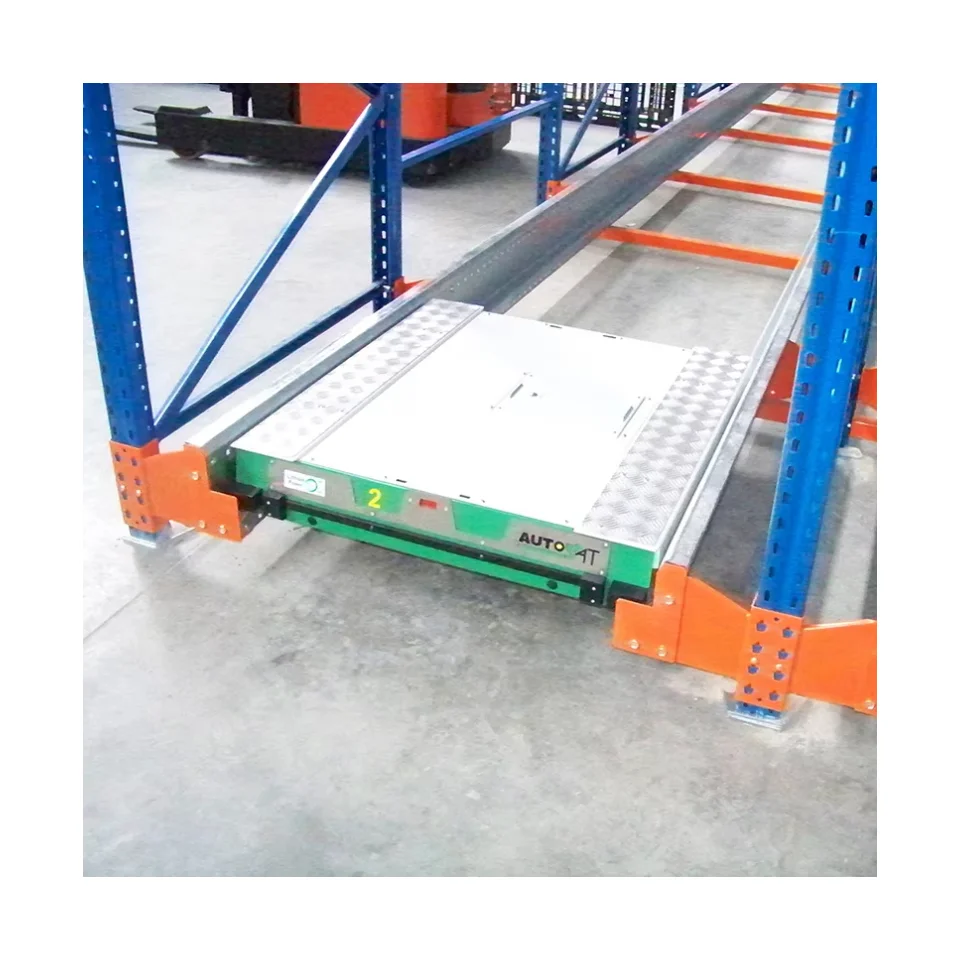
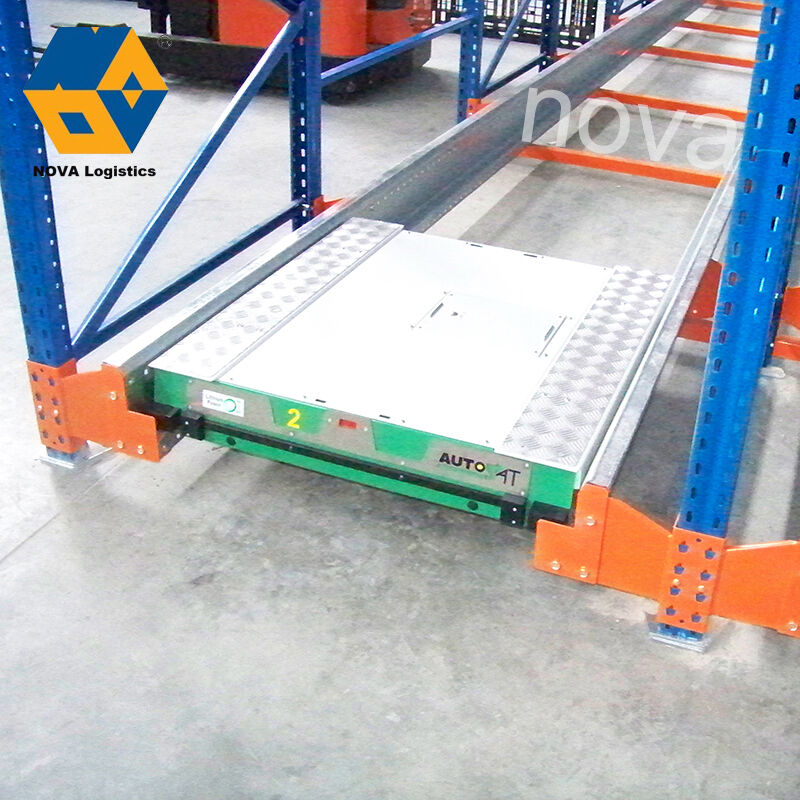
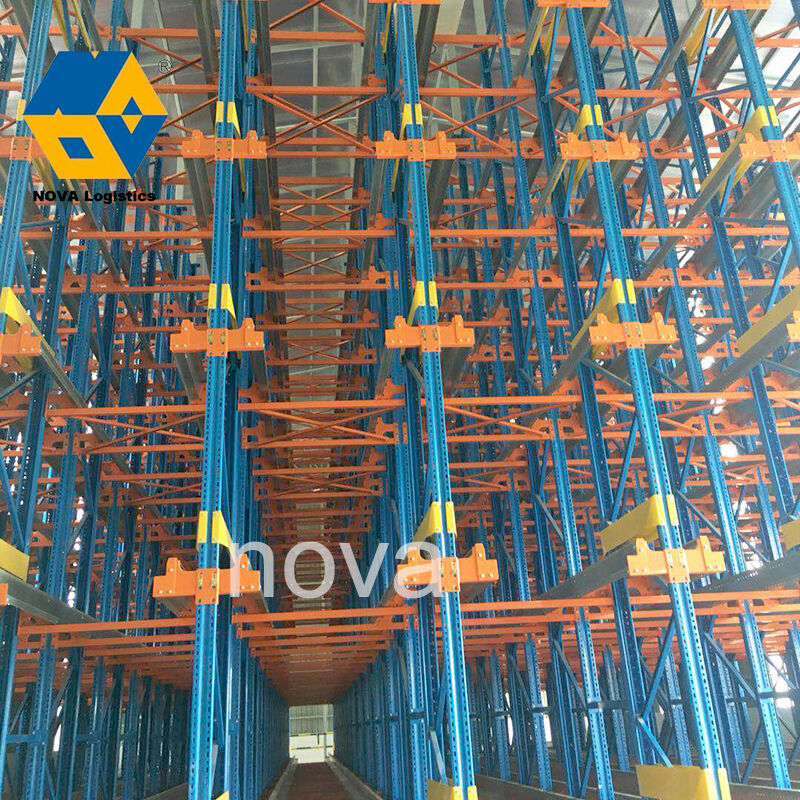
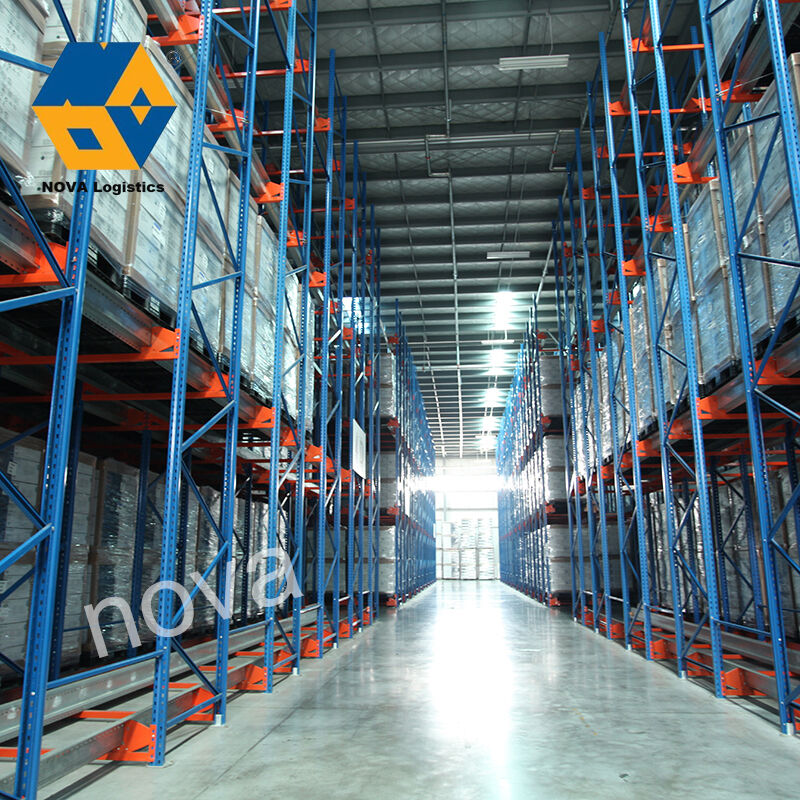
Skladovací systém s vozíky na paletových regálech vykazuje výjimečnou přizpůsobivost v široké škále skladových aplikací, poskytující přizpůsobená řešení pro různé průmyslové odvětví, typy výrobků a provozní strategie, přičemž zachovává základní výhody z hlediska výkonu. Tato univerzálnost činí systém vhodným pro podniky od malých regionálních distributorů až po mezinárodní logistické operace a od zboží s vysokou obrátkou (FMCG) až po průmyslové komponenty s nízkou obrátkou. Základní flexibilita začíná konfigurovatelnými skladovacími strategiemi, které umožňují jak FIFO (první dovnitř – první ven), tak LIFO (poslední dovnitř – první ven) rotaci zásob v rámci stejné fyzické infrastruktury. Provozy zabývající se zbožím snadno kazitelným nebo datově citlivým nakládají do drah FIFO tak, že naloží z jednoho konce a vyberou z opačného konce, čímž je zajištěno, že nejstarší zásoby jsou odesílány jako první, což minimalizuje kazivost a zastaralost. Výrobní provozy, které skladují suroviny nebo komponenty, často upřednostňují konfiguraci LIFO, kdy se náklad nahrává i vybírá ze stejného konce dráhy, čímž se zjednodušuje provoz a snižuje počet manipulačních kroků. Systém s vozíky na paletových regálech umožňuje obě tyto metody bez nutnosti fyzických úprav – stačí změnit provozní postupy, aby bylo možné mezi strategiemi přepínat. Jednotlivé dráhy dokonce mohou běžet současně s různými metodami rotace: některé dráhy mohou být nastaveny na FIFO, zatímco sousední dráhy používají LIFO, čímž se dosahuje přesné kontroly zásob přizpůsobené konkrétním požadavkům jednotlivých výrobků. Systém efektivně škáluje od malých instalací s pouhými několika drahami určenými pro konkrétní výrobky s vysokým objemem až po komplexní, celoskladové implementace spravující tisíce paletových pozic. Tato škálovatelnost umožňuje podnikům začít s cílenými pilotními instalacemi, které řeší okamžité problémové oblasti a demonstrují návratnost investice (ROI), než se přejde k rozsáhlejšímu nasazení – tím se minimalizuje finanční riziko a zároveň se buduje organizační odbornost. V případě růstu provozu nebo změny sortimentu lze do stávajících struktur bezproblémově začlenit další dráhy a vozíky, čímž se chrání původní investice a zároveň se přizpůsobují měnícím se požadavkům. Systém s vozíky na paletových regálech vyniká i v náročných prostředích, která zatěžují běžná zařízení. V chladných skladových a mrazíkových aplikacích přináší obrovské výhody, protože akumulátorové vozíky spolehlivě fungují i při teplotách až minus 30 °C, kde hydraulické systémy selhávají a produktivita zaměstnanců výrazně klesá. Snížení doby, po kterou zaměstnanci pobývají v mrazivém prostředí, zvyšuje jejich pohodlí a bezpečnost a zároveň snižuje zdravotní potíže související s chladem. U skladování nebezpečných látek využívá systém své schopnosti minimalizovat lidskou expozici nebezpečným látkám – zaměstnanci zůstávají bezpečně mimo skladové dráhy, zatímco vozíky manipulují s materiálem v potenciálně kontaminovaných oblastech. Technologie se přizpůsobuje různým rozměrům palet i nosnostem: zvládá standardní palety 48 × 40 palců běžné v Severní Americe, evropské standardní palety i speciální rozměry určené pro konkrétní průmyslová odvětví. Nosnost se pohybuje v rozmezí 1000 až 3000 liber na paletu v závislosti na specifikacích vozíku, což umožňuje manipulaci s lehkým baleným zbožím i s těžkými průmyslovými výrobky. Tato rozměrová flexibilita zajišťuje, že systém s vozíky na paletových regálech může obsluhovat rozmanitý sortiment výrobků bez nutnosti zavádět samostatné specializované systémy pro různé kategorie SKU.

 EN
EN