Heavy Duty Industrial Racking Solutions - Maximize Warehouse Storage Capacity and Efficiency

All Categories

Get a Free Quote

Our representative will contact you soon.
Email
Name
Company Name
Message
0/1000

heavy duty industrial racking

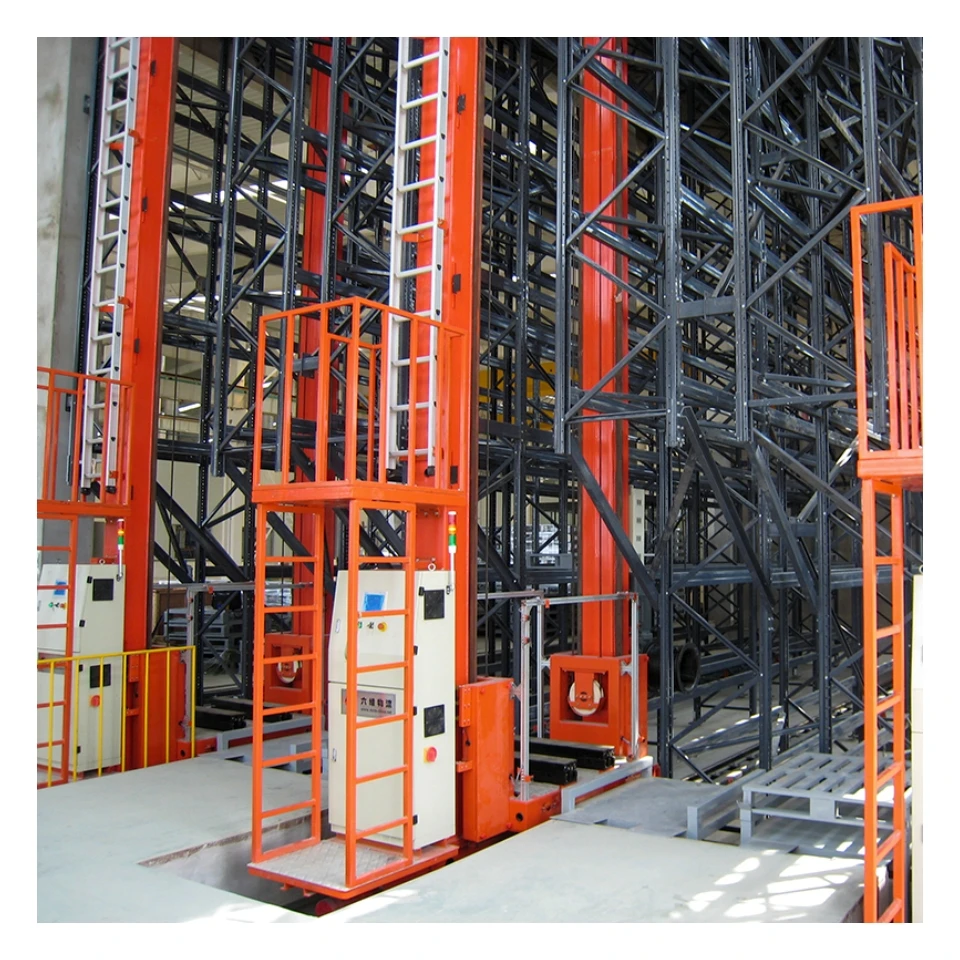
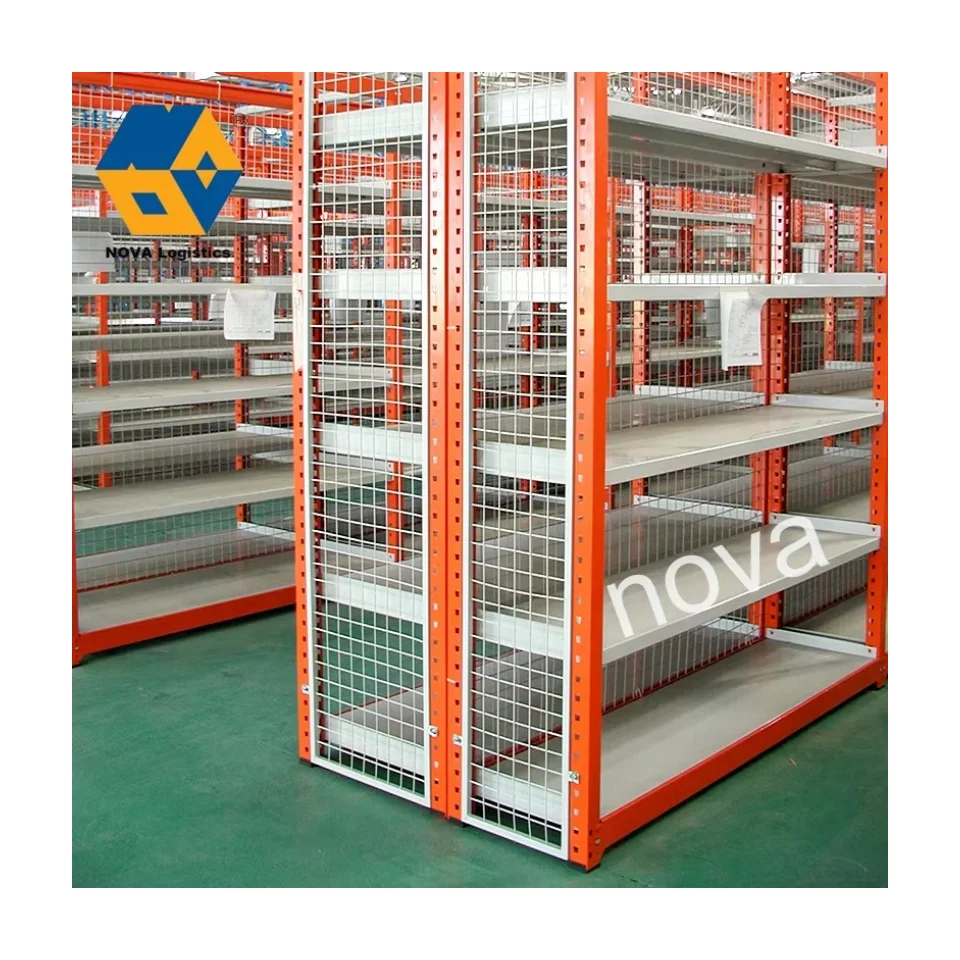
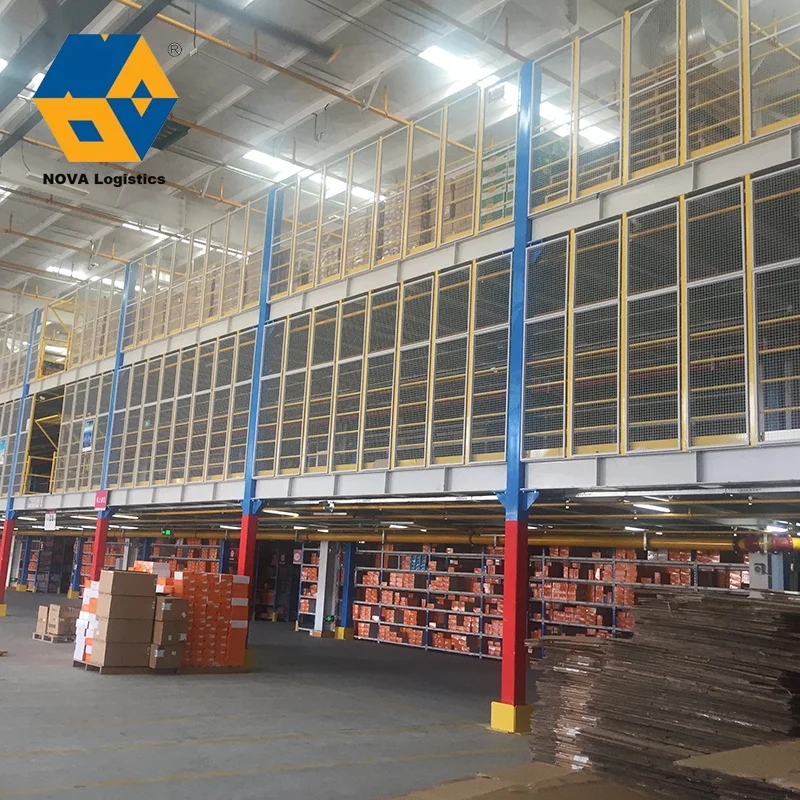
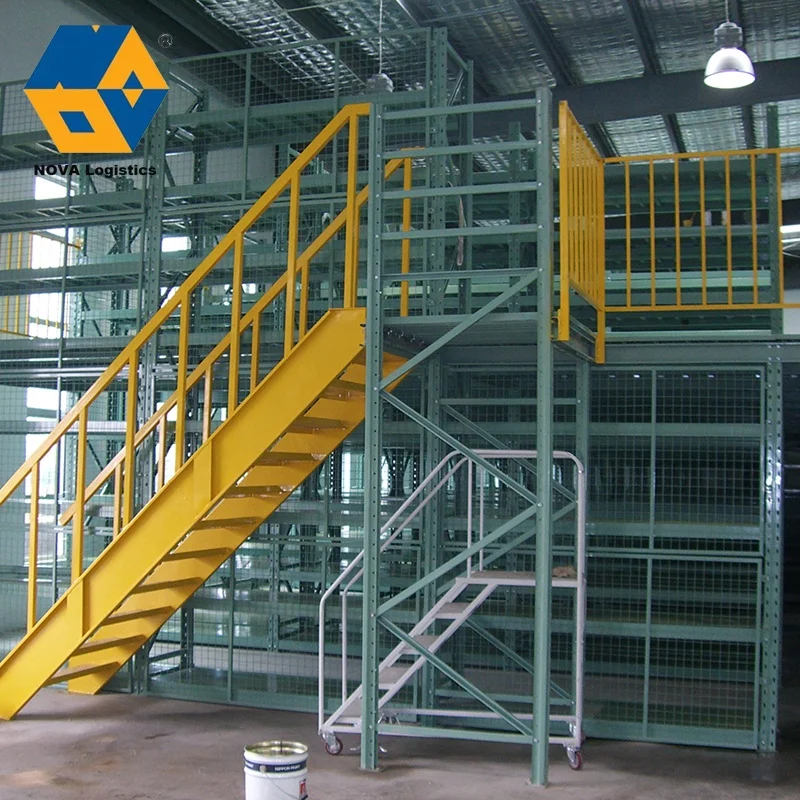
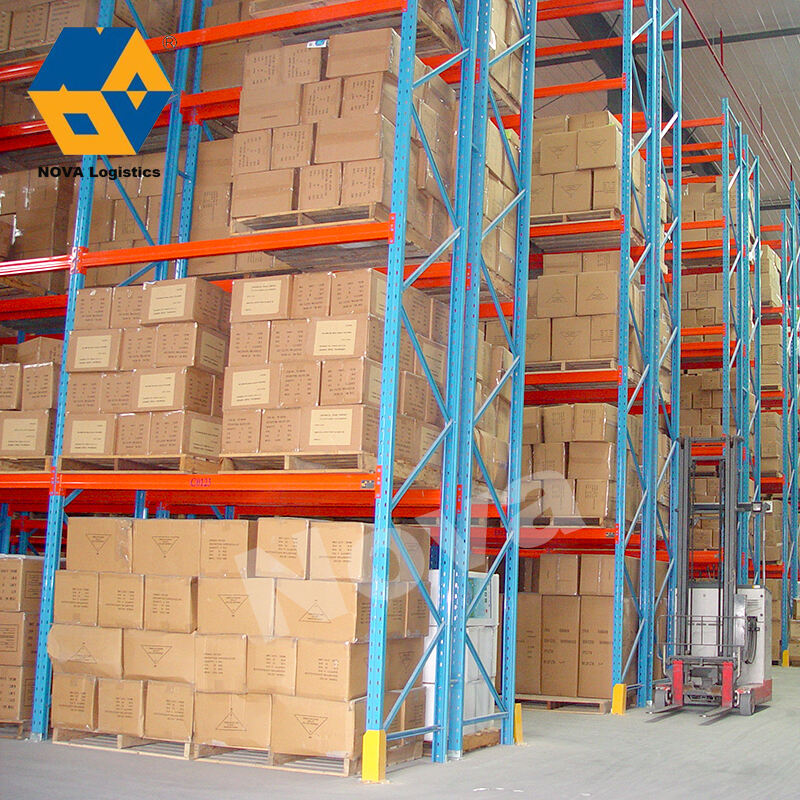
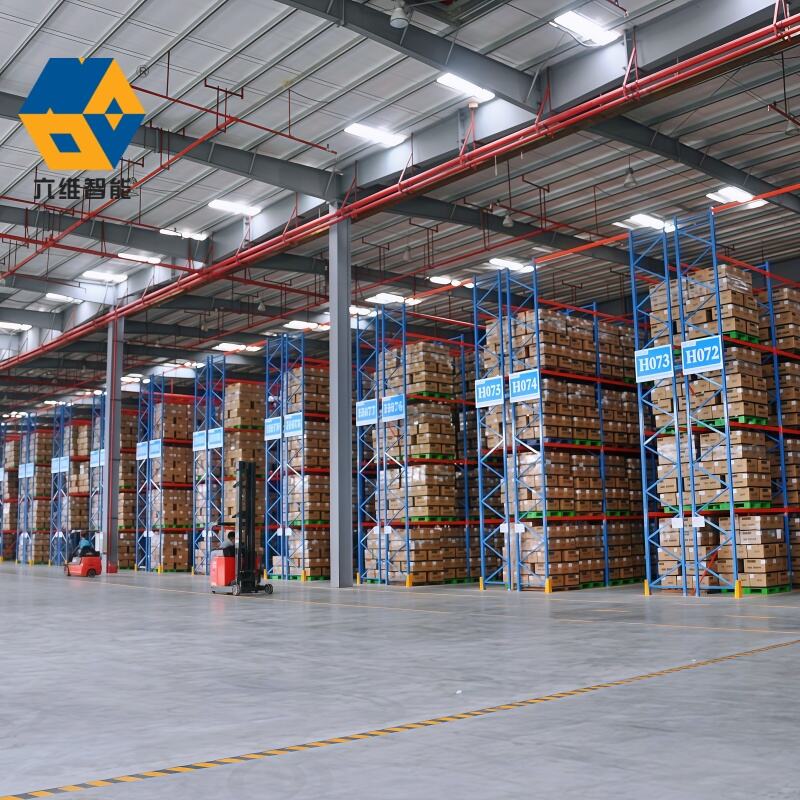
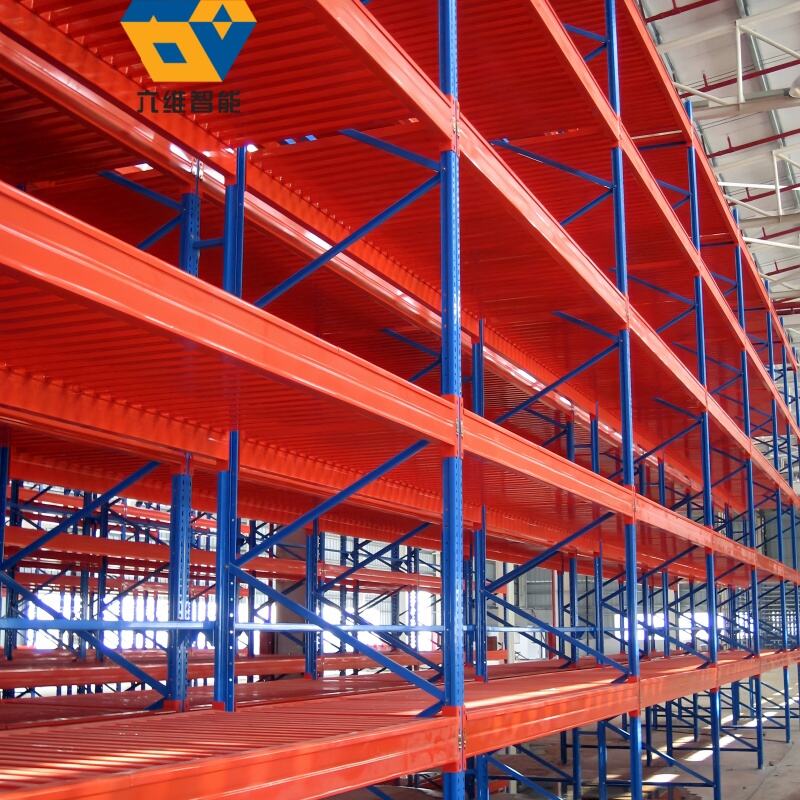
Heavy duty industrial racking represents a cornerstone solution for modern warehouse and distribution center operations, providing robust storage infrastructure designed to handle substantial weight loads and optimize vertical space utilization. These specialized storage systems are engineered to accommodate palletized goods, bulk materials, and oversized items that require exceptional structural integrity and load-bearing capacity. The primary function of heavy duty industrial racking revolves around maximizing storage density while maintaining safe and accessible inventory management protocols. These systems typically support loads ranging from 1,000 to 4,000 kilograms per level, with some configurations capable of handling even greater weights depending on beam specifications and upright frame construction. The technological features incorporated into heavy duty industrial racking include precision-engineered steel components, adjustable beam heights, and modular design elements that allow for customized configurations tailored to specific operational requirements. Advanced manufacturing processes ensure consistent quality, with components undergoing rigorous testing to meet international safety standards and load capacity certifications. The racking systems utilize a combination of upright frames, horizontal beams, and safety accessories such as row spacers, column protectors, and beam locks to create a stable and secure storage environment. Applications for heavy duty industrial racking span across diverse sectors including manufacturing facilities, automotive parts distribution, food and beverage warehousing, retail distribution centers, pharmaceutical storage, and third-party logistics operations. These systems prove particularly valuable in environments where inventory turnover rates demand efficient picking processes combined with high-density storage capabilities. The versatility of heavy duty industrial racking allows businesses to adapt their storage infrastructure as operational needs evolve, with the ability to reconfigure bay widths, adjust shelf heights, and expand capacity without complete system replacement. This adaptability makes heavy duty industrial racking an investment that grows alongside business development, providing long-term value and operational flexibility that supports changing market demands and inventory profiles.

New Product Releases

Implementing heavy duty industrial racking delivers immediate and lasting benefits that directly impact operational efficiency and bottom-line profitability for businesses of all sizes. First and foremost, these systems dramatically increase storage capacity by utilizing vertical space that would otherwise remain unutilized, effectively multiplying available storage area without requiring facility expansion or relocation. This vertical optimization allows companies to store significantly more inventory within their existing footprint, reducing or eliminating the need for costly additional warehouse space. The structural strength of heavy duty industrial racking ensures safe storage of heavy products, reducing the risk of accidents, product damage, and workplace injuries that can result in expensive insurance claims and operational disruptions. The organized structure these systems provide transforms chaotic storage areas into streamlined operations where inventory can be quickly located, accessed, and moved, cutting down on labor hours spent searching for products and improving order fulfillment speed. Workers can navigate aisles efficiently using forklifts and material handling equipment, with clear sight lines and systematic organization that reduces picking errors and increases accuracy rates. The durability of heavy duty industrial racking translates to exceptional return on investment, as properly maintained systems can serve facilities for decades without requiring replacement, withstanding the daily rigors of busy warehouse environments. These racking systems adapt to changing business needs through their modular nature, allowing companies to reconfigure layouts, add levels, or modify bay dimensions as product lines evolve or inventory requirements shift. This flexibility prevents obsolescence and protects the initial investment by ensuring the system remains relevant throughout various business cycles. Improved inventory management becomes achievable as heavy duty industrial racking creates designated locations for products, enabling better stock rotation practices, accurate cycle counting, and efficient space allocation based on product velocity and turnover rates. The professional appearance of organized racking systems also enhances workplace morale and creates positive impressions during client visits or facility tours, demonstrating operational competence and attention to detail. Safety features integrated into heavy duty industrial racking designs protect both personnel and inventory, with load capacities clearly marked, beam locks preventing accidental dislodgement, and optional safety accessories like netting or backing panels containing stored items. The cost savings extend beyond space optimization to include reduced product damage from ground-level storage vulnerabilities such as moisture, pests, and accidental impacts from equipment. Companies also benefit from improved compliance with safety regulations and industry standards, as properly installed heavy duty industrial racking meets rigorous engineering specifications and building codes that protect businesses from liability concerns.

Latest News

How Do Heavy Duty Rack Structures Improve Warehouse Safety?

20

May

How Do Heavy Duty Rack Structures Improve Warehouse Safety?

Warehouse safety is not an accidental outcome — it is the direct result of thoughtful infrastructure decisions. Among the most impactful of those decisions is the choice to invest in a properly engineered heavy duty rack system. These structures are ...
View More
How Automated Storage and Retrieval Systems Enhance Inventory Accuracy

05

Feb

How Automated Storage and Retrieval Systems Enhance Inventory Accuracy

Modern warehouses face unprecedented challenges in maintaining accurate inventory levels while managing increasing order volumes and customer expectations. Traditional manual tracking methods have become insufficient for businesses seeking competitiv...
View More
What Makes Automated Storage and Retrieval Systems Ideal for Modern Warehouses?

05

Feb

What Makes Automated Storage and Retrieval Systems Ideal for Modern Warehouses?

Modern warehouses face unprecedented challenges in managing inventory efficiently while meeting growing customer demands for faster delivery times. The implementation of an automated storage and retrieval system represents a transformative solution t...
View More
Comparing Heavy Duty Racks with Standard Pallet Rack Systems

16

Mar

Comparing Heavy Duty Racks with Standard Pallet Rack Systems

When it comes to optimizing warehouse storage capacity and operational efficiency, selecting the right pallet racking system becomes a critical decision that impacts both immediate functionality and long-term profitability. The choice between heavy d...
View More

Get a Free Quote

Our representative will contact you soon.
Email
Name
Company Name
Message
0/1000

heavy duty industrial racking

Superior Load Capacity Engineering for Maximum Storage Efficiency

Superior Load Capacity Engineering for Maximum Storage Efficiency

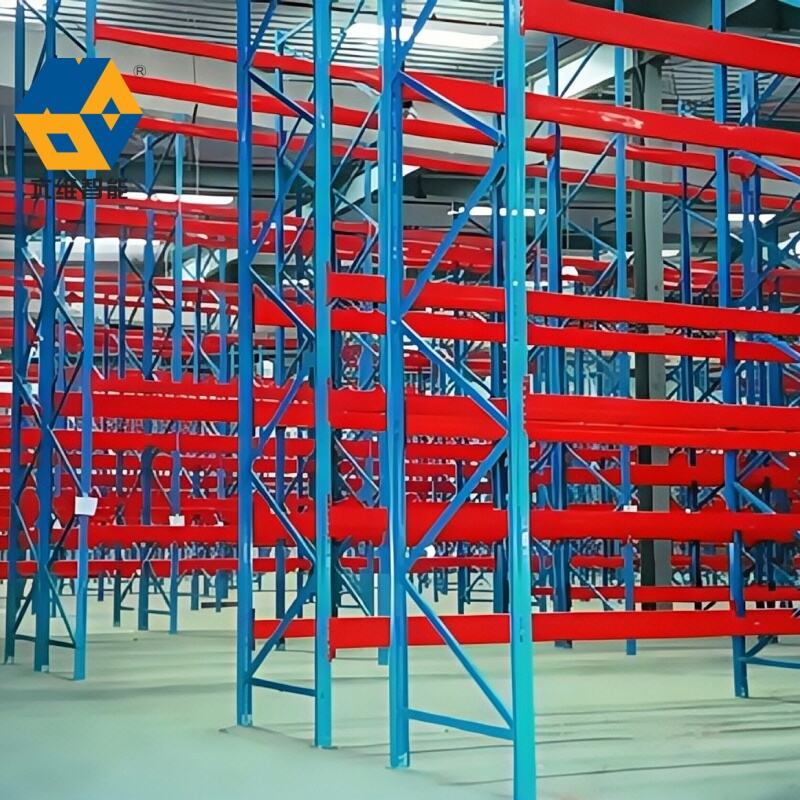
The engineering excellence behind heavy duty industrial racking sets it apart as the premier choice for facilities requiring dependable storage of substantial inventory weights. These systems incorporate high-grade steel components manufactured through precision rolling and forming processes that create structural members capable of supporting extraordinary loads without deflection or failure. The upright frames feature heavy-gauge steel profiles with strategically designed perforations that allow for beam height adjustments while maintaining structural integrity throughout the column length. Each beam component undergoes specific engineering calculations to ensure it can safely support designated load capacities, with safety factors built into specifications that exceed typical working loads to provide additional security margins. The connection points between beams and uprights utilize specialized locking mechanisms that create secure attachments capable of withstanding both vertical loads and horizontal forces that may occur during loading operations or seismic events. Heavy duty industrial racking systems receive load capacity certifications from independent testing laboratories that verify performance claims through rigorous physical testing protocols, giving facility managers confidence in published specifications. The design methodology considers not just static loads but also dynamic forces generated during forklift operations, ensuring the entire structure remains stable during active loading and unloading activities. This comprehensive engineering approach means businesses can confidently store their heaviest products on upper levels without concerns about structural adequacy or safety compromises. The distributed load capacity across multiple levels allows for optimal space utilization where heavier items occupy lower positions while lighter products utilize upper storage locations, creating balanced systems that maximize cubic storage potential. Frame designs incorporate base plates with multiple anchor points that secure the structure to concrete floors, preventing movement and ensuring the entire racking system functions as an integrated unit rather than independent components. The engineering precision extends to considerations of aisle widths and bay dimensions that accommodate specific forklift equipment while maintaining adequate clearances for safe operation. Heavy duty industrial racking systems can be configured with selective access arrangements where every pallet remains individually accessible, or with higher-density configurations like double-deep or drive-in designs that prioritize storage capacity over immediate access. This engineering versatility means the same fundamental components can be arranged in multiple configurations to match specific operational workflows and inventory characteristics, providing adaptability that serves diverse business requirements within a single system architecture.
Modular Flexibility and Scalability for Growing Business Operations

Modular Flexibility and Scalability for Growing Business Operations

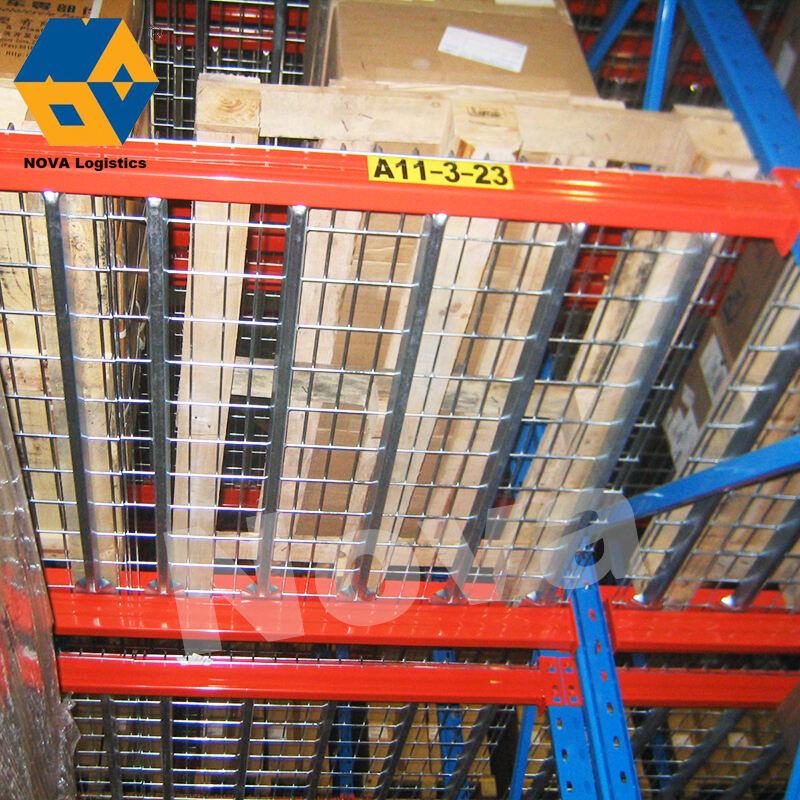
The modular design philosophy inherent in heavy duty industrial racking delivers unmatched flexibility that allows storage systems to evolve in parallel with business growth and changing operational requirements. Unlike fixed shelving or permanent structures, these racking systems consist of interchangeable components that can be reconfigured, expanded, or modified without complete replacement, protecting capital investments while accommodating new business realities. The standardized connection systems mean that additional frames and beams integrate seamlessly with existing installations, allowing for capacity expansion through vertical additions that add more levels or horizontal growth that extends row lengths and creates additional bays. This scalability proves invaluable for businesses experiencing growth phases where inventory volumes increase steadily, enabling incremental investments in storage infrastructure that align with revenue growth rather than requiring large upfront capital expenditures. The adjustable beam heights built into heavy duty industrial racking provide immediate adaptability for changing product dimensions, allowing warehouse managers to modify shelf spacing to accommodate taller items or create additional levels for smaller products without purchasing new components. This adjustment capability happens quickly with simple tools, meaning layout modifications can occur during regular operations without extended downtime or complex installation procedures. Businesses that experience seasonal inventory fluctuations benefit tremendously from this flexibility, as racking configurations can be temporarily adjusted to accommodate peak season storage needs and then reconfigured for normal operations without permanent modifications. The modular nature extends to optional accessories that enhance functionality for specific applications, including wire decking for supporting non-palletized items, dividers that create compartments within bays, and specialized attachments for hanging garments or storing unusually shaped products. Companies can start with basic configurations and progressively add sophistication as operational needs become more complex, building system capabilities over time rather than attempting to anticipate all future requirements during initial installation. The relocation capability of heavy duty industrial racking provides additional value for businesses that may move facilities, as the systems can be disassembled, transported, and reinstalled in new locations, preserving the investment and avoiding the waste associated with permanent structures. This portability also supports optimization projects where racking may be relocated within a facility to improve workflow patterns or accommodate new equipment installations. The standardization of components across the industry means that businesses can source additional elements from multiple suppliers, avoiding vendor lock-in situations and ensuring competitive pricing for expansion projects. The flexibility extends to integration with various material handling equipment types, from standard counterbalance forklifts to reach trucks, order pickers, and automated guided vehicles, ensuring the racking system supports both current equipment fleets and future automation initiatives that may transform warehouse operations.
Enhanced Safety Features and Compliance with Industry Standards

Enhanced Safety Features and Compliance with Industry Standards

Safety considerations form the foundation of heavy duty industrial racking design, with multiple integrated features and engineering principles working together to protect personnel, inventory, and facilities from accidents and structural failures. The robust construction begins with structural calculations performed by qualified engineers who apply recognized design standards to ensure adequate load capacities with appropriate safety factors that account for real-world operating conditions. Each installation receives specific attention to anchoring requirements, with base plates secured to floor surfaces using appropriate fasteners that prevent racking movement during seismic events or accidental impacts from material handling equipment. The upright frames feature protective elements including column guards or bollards installed at vulnerable corner positions where forklift traffic creates impact risks, absorbing collision forces before they compromise structural integrity. Beam safety locks represent critical components that prevent accidental beam dislodgement during loading operations, with mechanical locking devices that engage automatically when beams are properly seated in frame connections. Heavy duty industrial racking systems incorporate clearly visible load capacity signage that communicates maximum safe loads for each beam level, ensuring operators understand weight limits and avoid overloading situations that could lead to structural failure. The design includes considerations for adequate clearances between stored loads and overhead sprinkler systems, maintaining fire safety compliance while maximizing storage density. Optional safety accessories enhance protection for specific applications, including back panels or netting that prevent products from falling through rear openings, wire mesh decking that supports non-palletized items while maintaining visibility and sprinkler effectiveness, and end-of-aisle protection barriers that shield racking structures from vehicle impacts. Regular inspection protocols form part of comprehensive safety programs, with visual assessments identifying damaged components that require replacement before minor issues escalate into serious hazards. The standardized component approach facilitates these safety inspections, as trained personnel can quickly identify non-standard conditions or unauthorized modifications that may compromise system integrity. Compliance with recognized industry standards such as RMI specifications in North America or FEM guidelines in Europe ensures that heavy duty industrial racking meets rigorous engineering requirements developed through decades of industry experience and safety research. This standards compliance provides legal protection for facility operators while demonstrating commitment to workplace safety that reduces insurance premiums and improves employee confidence. The inherent stability of properly designed and installed heavy duty industrial racking systems means they perform reliably under normal operating conditions while providing safety margins that accommodate occasional overload situations or impacts without catastrophic failure. Training programs for warehouse personnel emphasize proper loading techniques, weight distribution principles, and operational practices that maintain system safety throughout daily use, creating a culture of safety awareness that extends beyond the physical equipment. The durability of heavy duty industrial racking components means safety features remain effective throughout extended service lives, with corrosion-resistant finishes protecting steel from environmental degradation that could compromise structural performance over time.

Get a Free Quote

Our representative will contact you soon.
Email
Name
Company Name
Message
0/1000

Get a Free Quote

Our representative will contact you soon.
Email
Name
Company Name
Message
0/1000