drive in pallet rack system
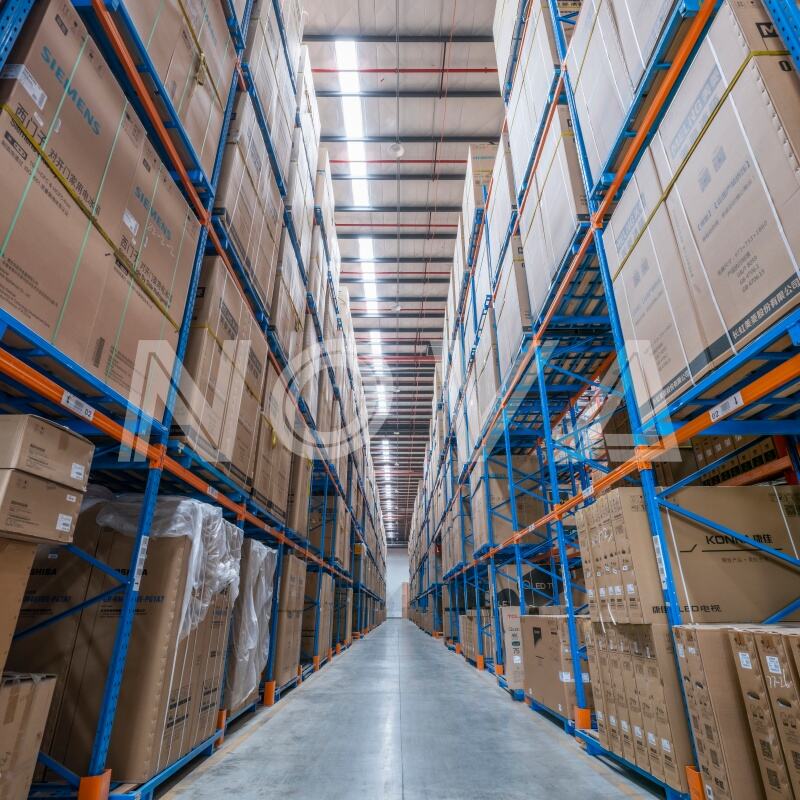
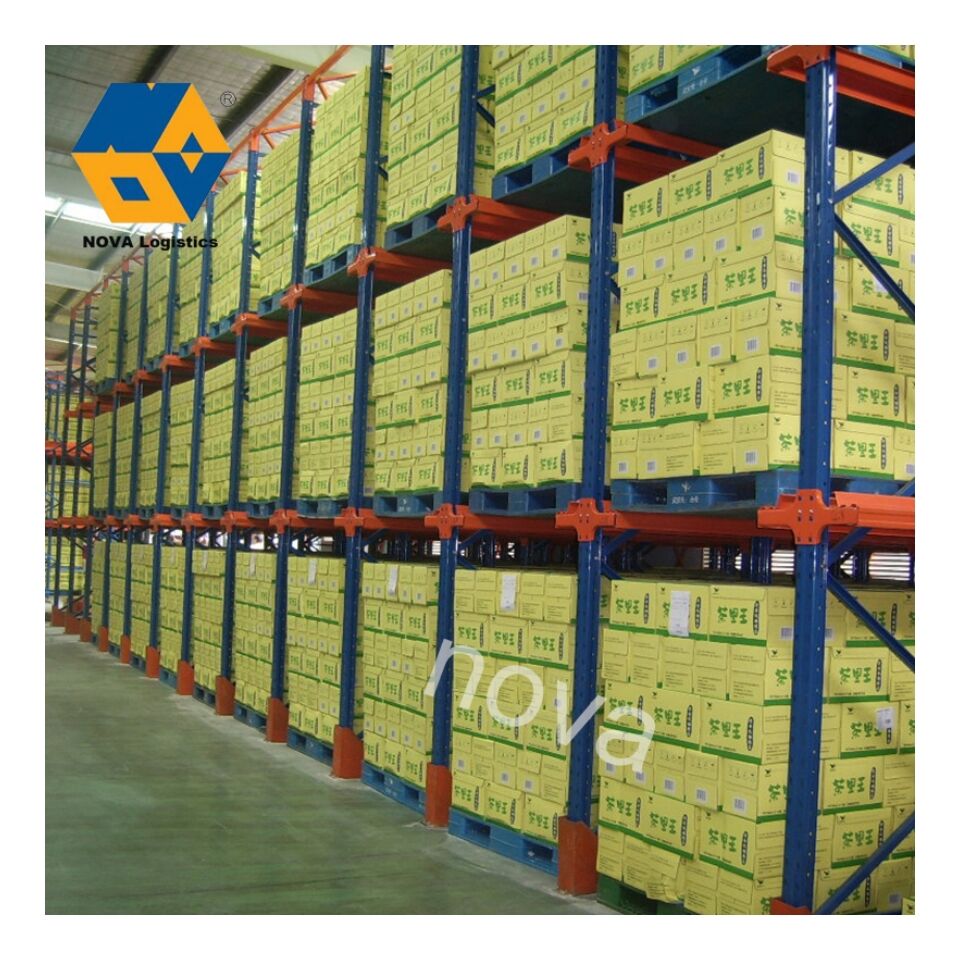
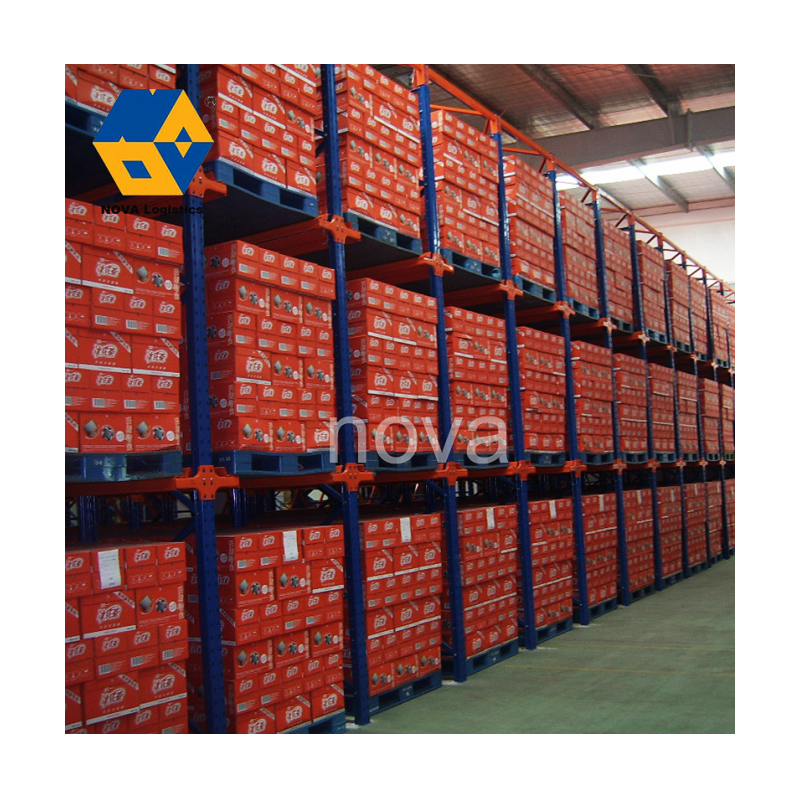
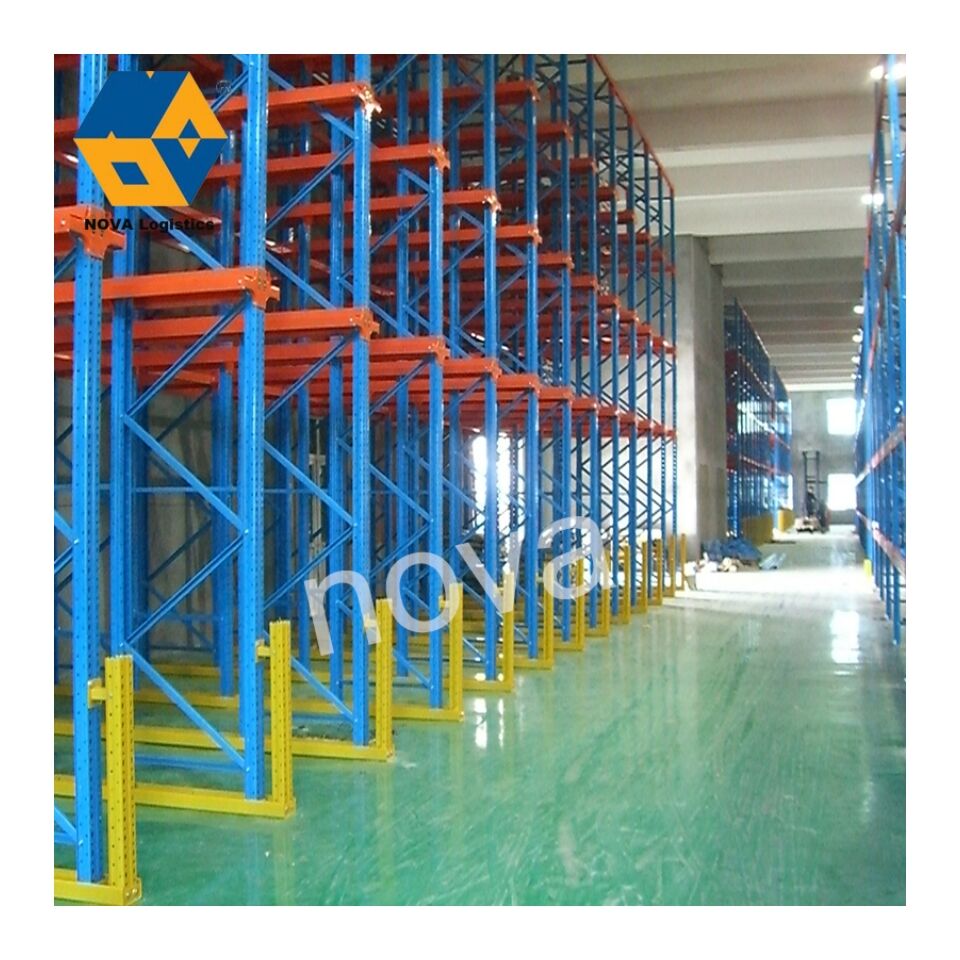
The drive in pallet rack system represents a sophisticated warehousing solution designed to maximize storage density while maintaining efficient inventory management capabilities. This innovative storage methodology operates on a last-in, first-out principle, allowing forklifts to drive directly into the rack structure through entry corridors to place or retrieve pallets positioned on rails that run perpendicular to the aisle. Unlike conventional selective racking systems where each pallet position requires dedicated aisle access, the drive in pallet rack system eliminates multiple aisles by creating deep storage lanes that can accommodate pallets stacked both vertically and horizontally, significantly increasing cubic space utilization within warehouse facilities. The structural framework consists of upright columns connected by horizontal rails, cross-bracing elements, and specialized guide rails that provide stability while directing forklift operators safely through the storage lanes. This configuration proves particularly valuable for businesses managing large quantities of homogeneous products with lower SKU variety, as the system prioritizes storage capacity over selective accessibility. The technological architecture incorporates heavy-duty steel components engineered to withstand repeated forklift traffic and support substantial weight loads distributed across multiple pallet positions. Modern drive in pallet rack system installations frequently integrate safety features including rail protectors, column guards, and end barriers that protect both inventory and equipment while reducing potential damage from operational activities. Applications span diverse industries including food and beverage distribution, cold storage facilities, manufacturing operations, pharmaceutical warehousing, and retail distribution centers where inventory turnover patterns align with batch processing requirements. The system's adaptability extends to various temperature-controlled environments, making it especially advantageous for refrigerated and frozen storage applications where maximizing capacity directly correlates to operational cost efficiency and energy consumption reduction.

 EN
EN