Drive In Rack System: High-Density Storage Solutions for Maximum Warehouse Efficiency

All Categories

Get a Free Quote

Our representative will contact you soon.
Email
Name
Company Name
Message
0/1000

drive in rack system

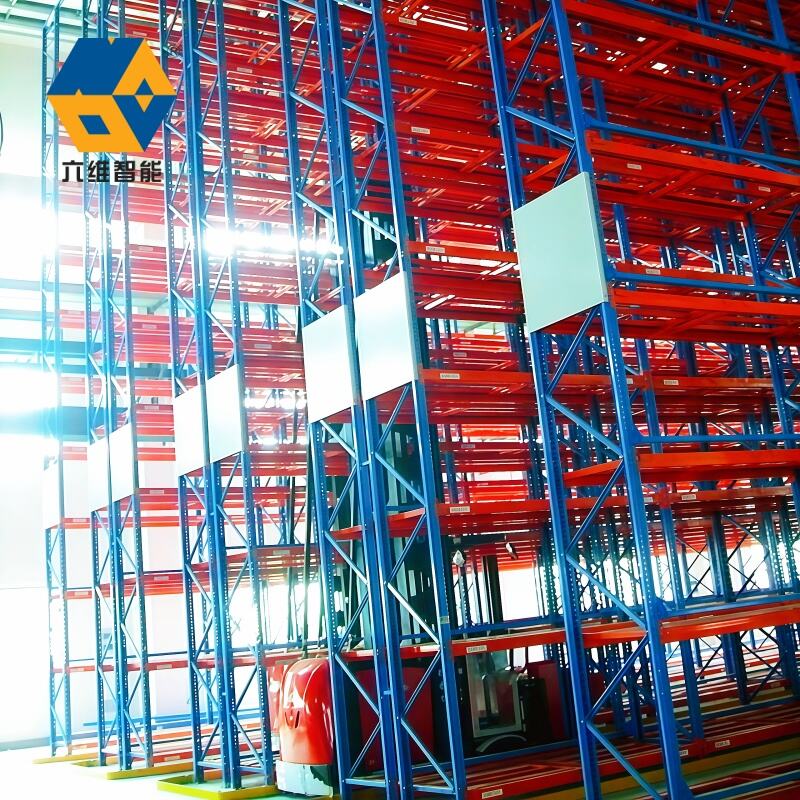
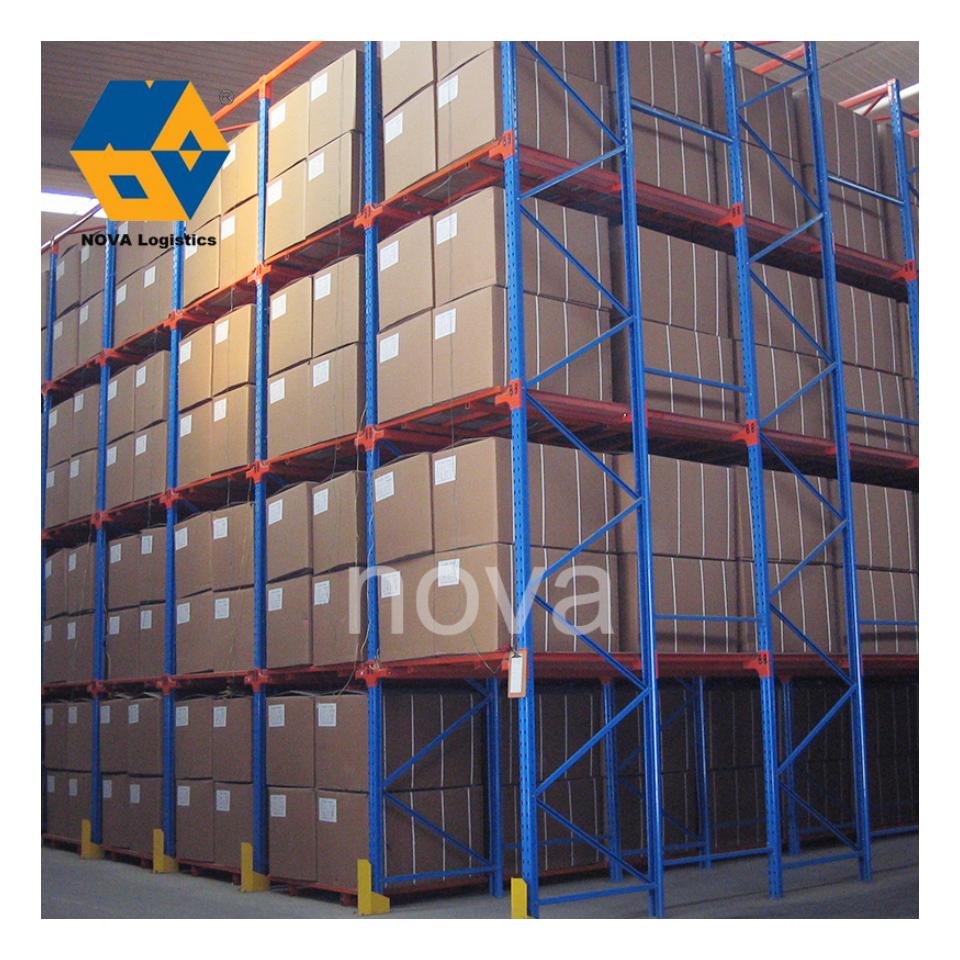
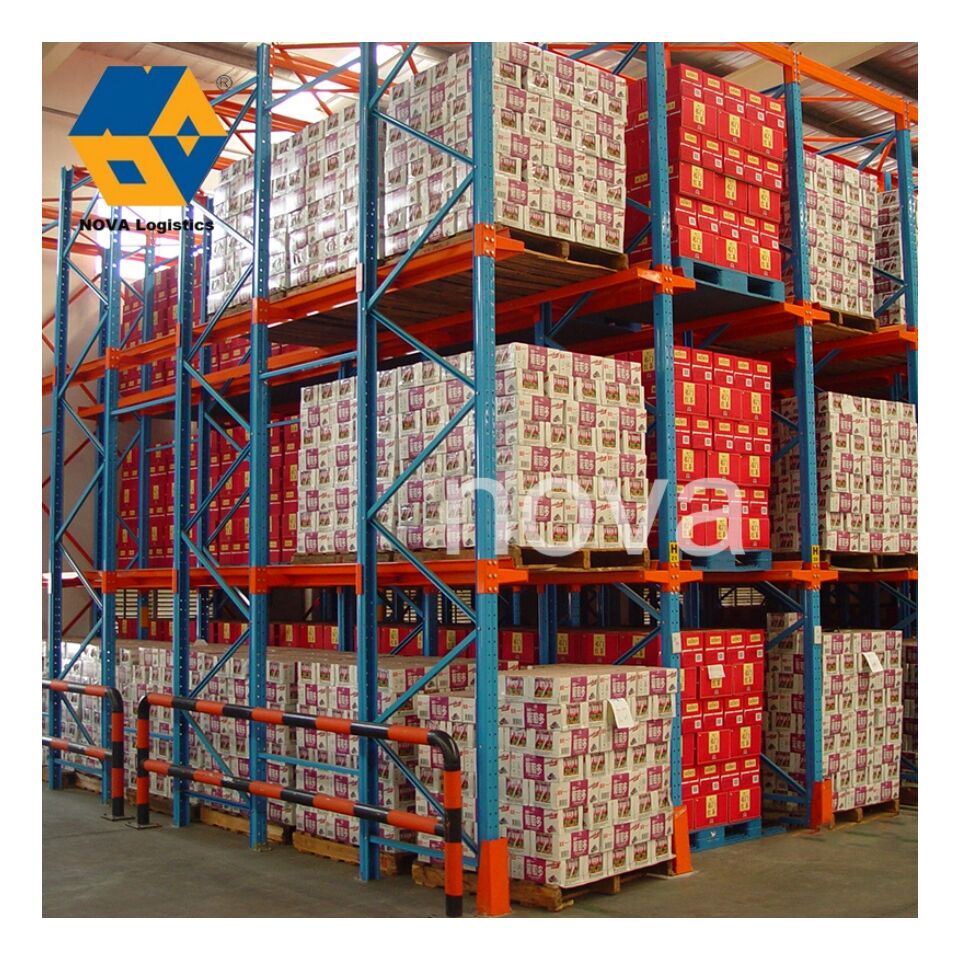
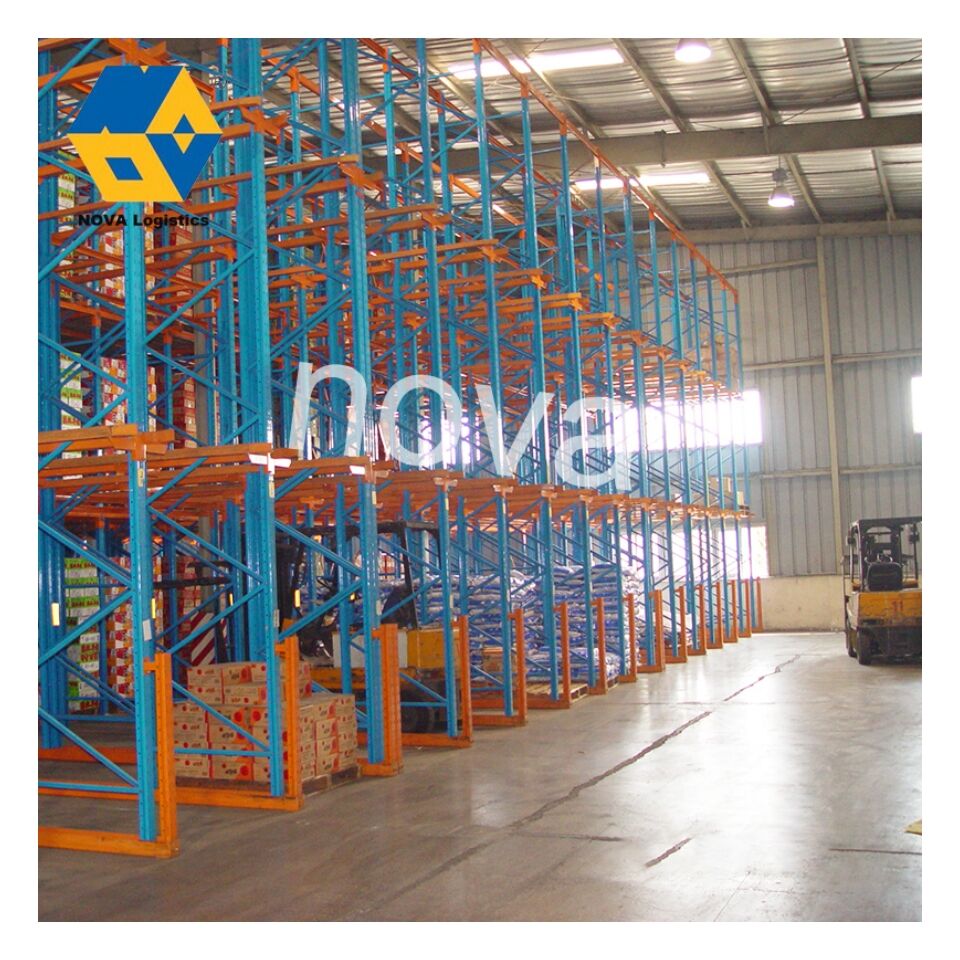
The drive in rack system represents an innovative storage solution designed to maximize warehouse space utilization through high-density configuration. This specialized racking structure allows forklifts to drive directly into the rack lanes to access pallets stored in depth, eliminating the need for aisles between each row of racking. The drive in rack system operates on a last-in, first-out inventory management principle, making it particularly suitable for storing large quantities of homogeneous products with lower turnover rates. The main function of this system centers on providing businesses with the ability to store more products within the same square footage compared to traditional selective racking methods. Technologically, the drive in rack system features robust structural components including heavy-duty uprights, horizontal rails, and continuous rails that guide forklifts safely through the storage lanes. The engineering behind this configuration ensures load-bearing capacity while maintaining stability throughout the entire structure. Entry points are carefully designed to accommodate standard forklift dimensions, with guide rails protecting both the racking infrastructure and the handling equipment from accidental damage. The application scope of the drive in rack system spans multiple industries including food and beverage distribution, cold storage facilities, manufacturing operations, and any business requiring bulk storage of similar stock-keeping units. Temperature-controlled environments particularly benefit from this design since it reduces the cubic volume requiring climate control. The system typically supports pallet loads ranging from 1000 to 2000 kilograms per position, with configurations extending up to six pallets deep depending on specific operational requirements. Installation flexibility allows for customization based on ceiling heights, typically reaching between 7 to 12 meters, enabling vertical space optimization. The drive in rack system integrates seamlessly with existing warehouse management systems, supporting efficient inventory tracking despite the high-density storage format. Material handling equipment compatibility ensures smooth operations with reach trucks, counterbalance forklifts, or narrow-aisle trucks depending on the specific layout and operational preferences of each facility.

New Product Recommendations

Choosing a drive in rack system delivers substantial practical benefits that directly impact your bottom line and operational efficiency. Space utilization improvements stand as the most immediate advantage, with businesses typically achieving 80 to 90 percent floor space usage compared to only 50 to 60 percent with conventional racking systems. This increased density means you can store significantly more inventory within your existing facility without requiring costly building expansions or additional warehouse leases. Your storage capacity can increase by up to 85 percent when implementing this solution, translating to real cost savings on real estate expenses. The financial benefits extend beyond space savings, as the drive in rack system reduces the overall investment required per pallet position stored. Since fewer aisles mean less square footage devoted to forklift traffic, your capital expenditure focuses on productive storage rather than operational space. Energy cost reductions become particularly noticeable in refrigerated or climate-controlled warehouses where the compact storage configuration minimizes the volume requiring temperature regulation. Your utility bills decrease proportionally to the reduced cubic space, delivering ongoing operational savings month after month. Inventory management becomes more straightforward when dealing with products that share similar characteristics or expiration dates. The drive in rack system works exceptionally well for seasonal products, promotional items, or any goods where batch storage makes logical sense. Your warehouse team can load entire production runs into dedicated lanes, simplifying picking operations and reducing the potential for stock rotation errors. Product protection improves through the structured lane design, which minimizes handling frequency and reduces the risk of damage during storage. Each pallet remains securely positioned on rails, protected from accidental contact compared to floor stacking alternatives. Your inventory stays organized and accessible despite the high-density configuration, with clear visibility into stock levels for each product category. Loading and unloading operations maintain efficiency through the continuous rail design that guides forklifts smoothly through each storage lane. Operators quickly become proficient with the predictable lane layout, reducing training time and improving workplace safety. The system accommodates rapid loading during peak receiving periods, allowing your team to quickly clear receiving docks and maintain operational flow. Flexibility in configuration means the drive in rack system adapts to changing business needs, with adjustable beam levels accommodating different pallet heights as your product mix evolves. Your investment remains relevant even as inventory profiles change over time, protecting the long-term value of your storage infrastructure. Maintenance requirements stay minimal due to the robust construction and straightforward design, with periodic inspections ensuring continued safe operation without demanding extensive upkeep resources.

Practical Tips

How Can a Mezzanine Improve Workflow and Storage Organization?

13

Jan

How Can a Mezzanine Improve Workflow and Storage Organization?

Modern warehouses face increasing pressure to maximize storage capacity while maintaining efficient workflow operations. A warehouse mezzanine offers an innovative solution that transforms vertical space into valuable storage and operational areas. T...
View More
What Makes Automated Storage and Retrieval Systems Ideal for Modern Warehouses?

05

Feb

What Makes Automated Storage and Retrieval Systems Ideal for Modern Warehouses?

Modern warehouses face unprecedented challenges in managing inventory efficiently while meeting growing customer demands for faster delivery times. The implementation of an automated storage and retrieval system represents a transformative solution t...
View More
Maintenance Tips for Long-Lasting Heavy Duty Pallet Racks

16

Mar

Maintenance Tips for Long-Lasting Heavy Duty Pallet Racks

Industrial warehouses rely heavily on robust storage solutions to maintain efficient operations and maximize space utilization. Heavy duty pallet racks form the backbone of modern warehouse infrastructure, supporting thousands of pounds of inventory ...
View More
What Are Essential Safety Tips for Installing a Steel Platform?

16

Mar

What Are Essential Safety Tips for Installing a Steel Platform?

Industrial facilities worldwide rely on steel platforms to maximize vertical storage space and improve operational efficiency. These robust structures serve as elevated work areas, storage solutions, and access points in warehouses, manufacturing pla...
View More

Get a Free Quote

Our representative will contact you soon.
Email
Name
Company Name
Message
0/1000

drive in rack system

Exceptional Storage Density That Transforms Warehouse Economics

Exceptional Storage Density That Transforms Warehouse Economics

The drive in rack system revolutionizes how businesses approach warehouse storage by delivering unmatched storage density that fundamentally changes facility economics. Traditional selective racking requires an aisle for every rack position, consuming valuable floor space that generates no direct storage value. This conventional approach means that roughly half of your warehouse footprint serves only as forklift travel space rather than productive storage area. The drive in rack system eliminates this inefficiency by allowing multiple pallets to be stored in depth along common entry lanes, dramatically reducing the total aisle space required. This configuration typically enables businesses to utilize 80 to 90 percent of available floor space for actual storage compared to the 50 to 60 percent achievable with standard racking systems. The practical implications of this density improvement are profound for your business operations. Consider a warehouse with 10,000 square meters of floor space: traditional racking might accommodate 2,000 pallet positions, while a drive in rack system could store 3,500 to 3,700 positions within the same footprint. This represents an 85 percent capacity increase without expanding your building or leasing additional facilities. The financial impact extends across multiple dimensions of your operation. Real estate costs decrease on a per-pallet-stored basis, as you maximize the return on investment from your existing facility. For businesses facing capacity constraints, implementing this system often eliminates the need for expensive building expansions or secondary warehouse locations, avoiding significant capital expenditures. The density advantages become even more compelling in high-cost real estate markets where every square meter carries premium pricing. Cold storage operations gain particularly dramatic benefits from the space efficiency of the drive in rack system. Refrigerated and frozen storage facilities face substantially higher construction costs per square meter compared to ambient warehouses, making space optimization critically important to operational viability. The compact storage configuration reduces the total cubic volume requiring temperature control, directly lowering both initial construction investments and ongoing energy consumption. Your refrigeration systems operate more efficiently when cooling or freezing a smaller volume, translating to reduced utility costs month after month throughout the system's operational lifetime. The vertical storage capabilities of the drive in rack system further enhance density benefits by effectively utilizing ceiling height that often goes underutilized in traditional storage layouts. Configurations can extend upward to match your facility's available clearance, with installations commonly reaching 10 to 12 meters high, enabling three-dimensional space optimization that multiplies storage capacity without expanding horizontal footprint.
Streamlined Operations For Homogeneous Inventory Management

Streamlined Operations For Homogeneous Inventory Management

The drive in rack system excels in operational environments where businesses manage large quantities of similar products, delivering streamlined inventory control that simplifies warehouse management while maintaining accessibility. This storage solution is purpose-built for scenarios where you handle multiple pallets of identical stock-keeping units, making it ideal for manufacturers, distributors, and retailers dealing with product lines that share common characteristics. The last-in, first-out inventory flow inherent to this system design works exceptionally well for non-perishable goods, seasonal merchandise, promotional items, and any products where specific lot rotation is less critical than maximizing storage capacity. Your warehouse operations gain significant efficiency through the logical organization that the drive in rack system naturally creates. Each storage lane typically accommodates a single product type, allowing your team to designate specific locations for particular items and maintain clear inventory segregation. This organized approach reduces picking errors, as operators know exactly which lane contains which product, eliminating the confusion that can arise in mixed-storage environments. The visual clarity of having dedicated lanes for each stock-keeping unit simplifies inventory counts and cycle counting procedures, enabling your team to quickly verify stock levels without extensive searching or scanning. Loading operations become remarkably efficient with the drive in rack system configuration. During receiving periods, your forklift operators can rapidly deposit incoming pallets into designated storage lanes, working from the back of the lane forward as space permits. This continuous loading process allows you to clear receiving docks quickly, maintaining operational flow even during peak delivery times. The structured lane approach means new inventory integrates seamlessly into existing stock, with each pallet finding its logical position within the appropriate product lane without requiring complex placement decisions. Product consolidation benefits emerge naturally from this storage methodology, particularly valuable for businesses managing seasonal demand fluctuations or promotional campaigns. When you need to store large quantities of specific items for limited periods, the drive in rack system accommodates these bulk storage requirements without disrupting your overall warehouse organization. Entire production runs can occupy dedicated lanes, keeping related inventory grouped together and simplifying subsequent retrieval when orders arrive. The system supports batch picking operations effectively, as your team can access multiple pallets of the same product from a single lane location, reducing travel time and improving picking productivity. Inventory visibility remains strong despite the depth storage configuration, with warehouse management systems easily tracking which products occupy which lanes and how many pallets remain in each location. Your inventory control maintains accuracy through systematic location management, with clear records of product placement and quantities enabling reliable stock reporting and forecasting.

Robust Construction Ensuring Long-Term Reliability And Safety

Robust Construction Ensuring Long-Term Reliability And Safety

The drive in rack system is engineered with robust construction principles that prioritize structural integrity, operational safety, and long-term durability, delivering a storage investment that protects both your inventory and your workforce throughout decades of demanding use. The structural design incorporates heavy-duty steel components manufactured to withstand the substantial loads and repeated forklift traffic inherent to high-density storage operations. Upright frames form the foundational skeleton of the system, constructed from high-strength steel profiles that provide exceptional load-bearing capacity while maintaining stability across the entire structure. These vertical supports are precisely engineered to distribute weight evenly throughout the racking system, preventing stress concentration that could compromise structural integrity over time. The horizontal rails that support individual pallets are designed with specific load ratings clearly marked, ensuring your team understands weight limitations and maintains safe loading practices. Continuous guide rails represent a critical safety feature integrated throughout the drive in rack system design, serving dual protective functions that enhance operational security. These rails guide forklifts smoothly through storage lanes, providing physical reference points that help operators navigate confined spaces with confidence and precision. The guidance function reduces the risk of operator error during entry and exit maneuvers, particularly valuable for less experienced personnel or during busy operational periods when attention might be divided. Simultaneously, these guide rails protect the racking structure itself from accidental impact damage, absorbing minor contact that would otherwise strike and potentially damage the main structural components. This protective barrier extends the operational lifespan of your racking investment by preventing cumulative damage from routine forklift operations. Material specifications for the drive in rack system reflect the demanding operational environment these structures must endure. Steel components undergo specific treatment processes including galvanizing or powder coating to resist corrosion, particularly important in cold storage environments where temperature fluctuations can promote rust formation. The protective finishes ensure your racking maintains structural integrity and aesthetic appearance throughout years of service, avoiding deterioration that could compromise safety or require premature replacement. Connection points between structural components utilize engineered fastening systems designed to maintain secure attachment under dynamic loading conditions. These connections are tested to ensure they withstand the vibrations and stresses generated by forklift traffic and loading operations, providing reliable performance throughout the system's operational lifetime. Installation procedures follow rigorous safety standards, with professional installation teams ensuring proper alignment, leveling, and anchoring that establishes a stable foundation for your storage operations. The anchoring system secures the racking structure to your facility's floor, preventing lateral movement or tipping that could occur under loading stresses. Quality installation protects your investment by ensuring the system operates as engineered, delivering the full safety and performance benefits the design intends.

Get a Free Quote

Our representative will contact you soon.
Email
Name
Company Name
Message
0/1000

Get a Free Quote

Our representative will contact you soon.
Email
Name
Company Name
Message
0/1000