Warehouse Mezzanine Platform Solutions - Maximize Storage Space & Efficiency

All Categories

Get a Free Quote

Our representative will contact you soon.
Email
Name
Company Name
Message
0/1000

warehouse mezzanine platform

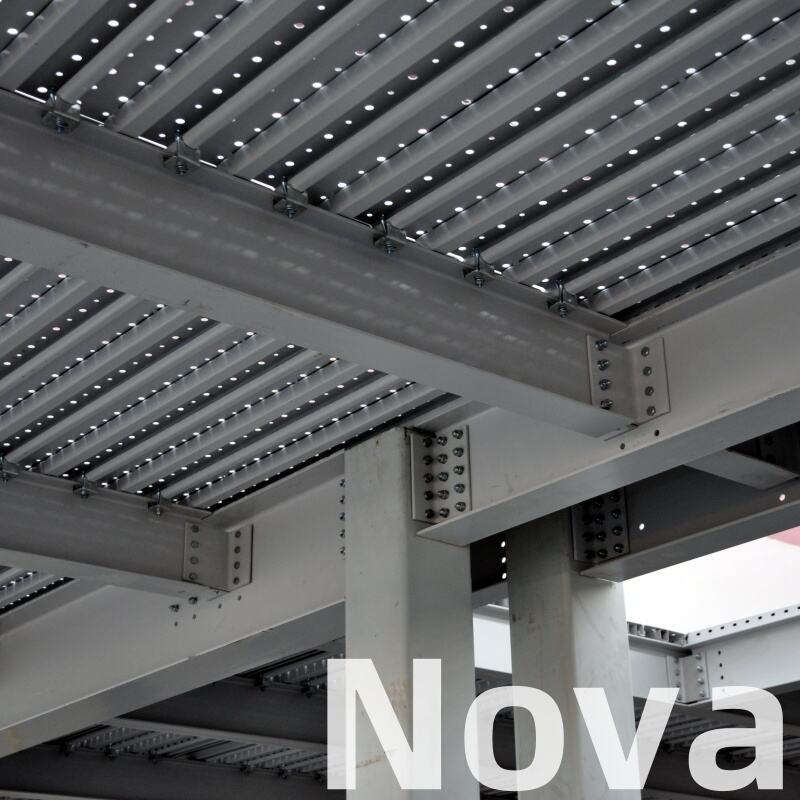
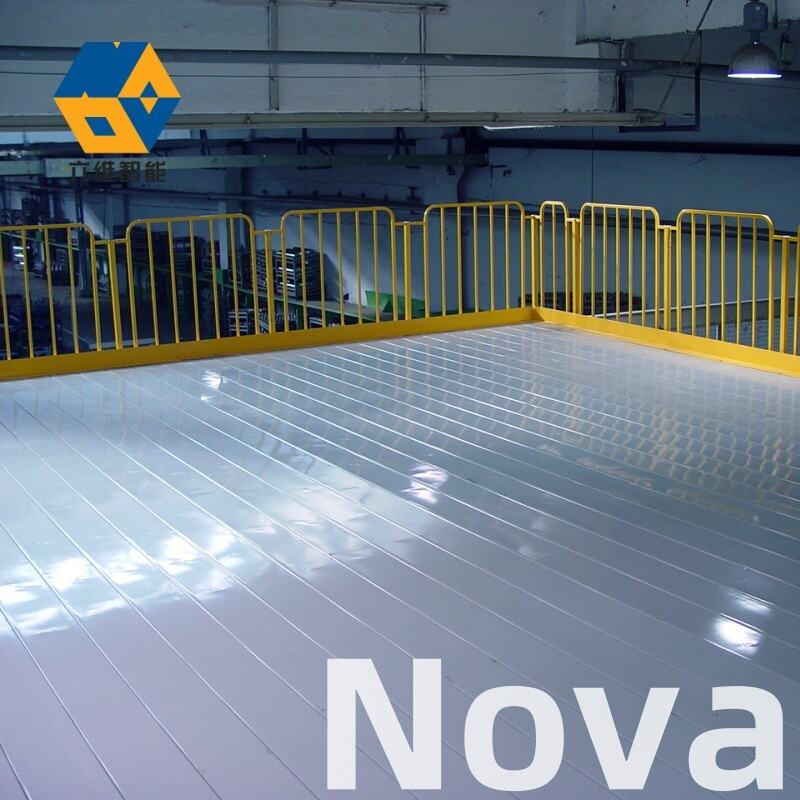
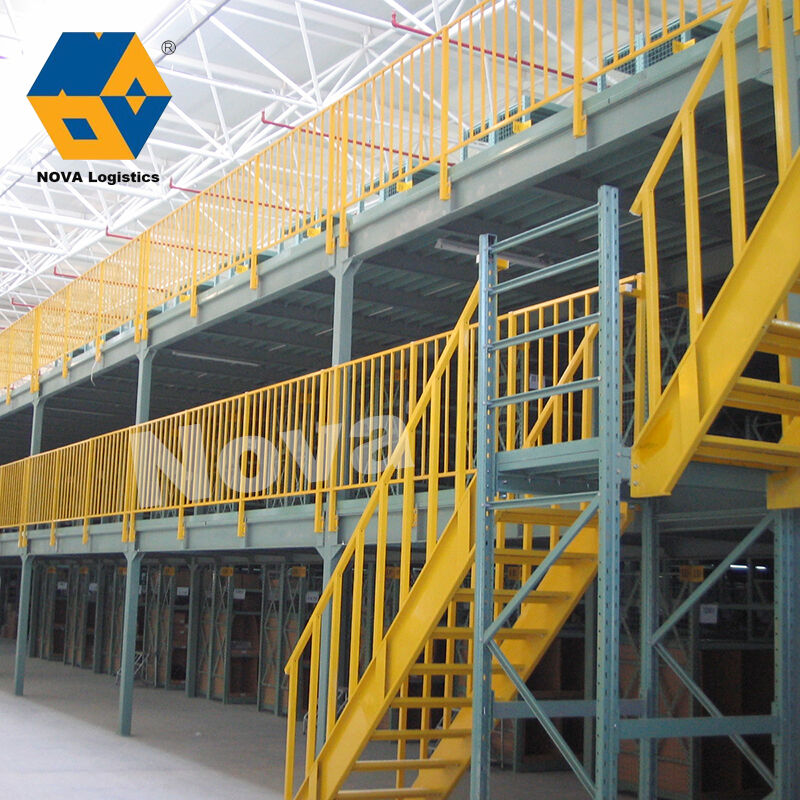
A warehouse mezzanine platform represents an innovative storage solution that maximizes vertical space within existing facilities without requiring costly building expansions. This intermediate floor structure installs between the ground level and ceiling, effectively doubling or even tripling usable storage capacity. The warehouse mezzanine platform consists of sturdy steel frameworks, reinforced flooring panels, safety railings, and integrated access systems including staircases or material lifts. These structures support various load capacities ranging from light-duty applications to heavy industrial requirements. Modern warehouse mezzanine platforms incorporate modular designs that allow businesses to customize dimensions, load ratings, and configurations according to specific operational needs. The technological features include adjustable height settings, quick assembly systems, and compatibility with existing warehouse equipment such as forklifts and conveyor systems. Safety features encompass handrails, kick plates, safety gates, and non-slip flooring surfaces that comply with international safety standards. Applications span across multiple industries including e-commerce fulfillment centers, manufacturing plants, automotive parts storage, retail distribution centers, and pharmaceutical warehouses. The warehouse mezzanine platform serves various purposes such as creating additional picking areas, establishing quality control stations, providing office spaces above storage zones, or organizing seasonal inventory. Installation typically requires minimal disruption to ongoing operations, with many systems featuring bolt-together construction that eliminates welding requirements. The platforms accommodate different flooring materials including resin-bonded chipboard, steel grating, or concrete-filled panels depending on usage requirements. Integration capabilities allow seamless connection with pallet racking systems, shelving units, and automated retrieval systems, creating comprehensive storage ecosystems that enhance operational efficiency and workflow optimization throughout the facility.


Popular Products

The warehouse mezzanine platform delivers substantial cost savings compared to relocating facilities or constructing building extensions. By utilizing vertical space that typically remains unused, businesses immediately increase storage capacity without paying for additional square footage or property taxes. This approach proves particularly valuable in urban areas where real estate costs remain prohibitively expensive. The return on investment typically occurs within two to three years through improved storage efficiency and reduced operational costs. Installation speed represents another significant advantage, as most warehouse mezzanine platforms require only weeks to complete rather than months needed for traditional construction projects. This rapid deployment means businesses maintain normal operations throughout installation with minimal downtime or productivity losses. The flexibility offered by these platforms allows companies to adapt configurations as business needs evolve. Organizations can expand, relocate, or reconfigure their warehouse mezzanine platform systems without permanent alterations to the building structure. This adaptability proves especially beneficial for growing businesses or those experiencing seasonal fluctuations in inventory levels. Improved organization and accessibility result from creating dedicated zones for different product categories or operational functions. Workers can separate fast-moving items from slow-moving inventory, establish dedicated picking stations, or create specialized areas for quality control and packaging operations. This organization reduces picking times, minimizes errors, and streamlines workflows throughout the facility. Enhanced safety standards come naturally with properly installed warehouse mezzanine platforms that include comprehensive safety features protecting workers at elevated levels. The platforms create clearly defined work areas that reduce congestion on ground-level floors, decreasing accident risks and improving overall warehouse safety records. Better space utilization extends beyond simple storage increases, as businesses often incorporate offices, break rooms, or technical equipment areas within mezzanine structures. This multi-functional usage optimizes every square foot of the facility while maintaining easy supervision of ground-level operations. Environmental benefits emerge through reduced need for new construction, lowering carbon footprints associated with building materials and land development. The warehouse mezzanine platform supports sustainability goals while providing practical business advantages that improve bottom-line performance and operational excellence across diverse industrial applications.

Latest News

How Do Heavy Duty Rack Structures Improve Warehouse Safety?

20

May

How Do Heavy Duty Rack Structures Improve Warehouse Safety?

Warehouse safety is not an accidental outcome — it is the direct result of thoughtful infrastructure decisions. Among the most impactful of those decisions is the choice to invest in a properly engineered heavy duty rack system. These structures are ...
View More
Why Do Retail Backrooms Prefer Longspan Racks for Flexible Storage?

13

Jan

Why Do Retail Backrooms Prefer Longspan Racks for Flexible Storage?

Retail backrooms face constant pressure to maximize storage efficiency while maintaining quick access to inventory. Modern retail operations require storage solutions that adapt to changing merchandise sizes, seasonal demands, and evolving product li...
View More
How Automated Storage and Retrieval Systems Enhance Inventory Accuracy

05

Feb

How Automated Storage and Retrieval Systems Enhance Inventory Accuracy

Modern warehouses face unprecedented challenges in maintaining accurate inventory levels while managing increasing order volumes and customer expectations. Traditional manual tracking methods have become insufficient for businesses seeking competitiv...
View More
How Can a Shuttle Rack Improve Inventory Management Efficiency?

16

Mar

How Can a Shuttle Rack Improve Inventory Management Efficiency?

Modern warehouses face unprecedented challenges in managing inventory efficiently while maximizing storage capacity. Traditional storage systems often fall short of meeting the demands of high-density storage requirements and rapid inventory turnover...
View More

Get a Free Quote

Our representative will contact you soon.
Email
Name
Company Name
Message
0/1000

warehouse mezzanine platform

Customizable Load Capacity and Structural Adaptability

Customizable Load Capacity and Structural Adaptability

The warehouse mezzanine platform distinguishes itself through exceptional customizable load capacity options that accommodate diverse operational requirements across different industries. Engineers design these structures to support load ratings ranging from 250 kilograms per square meter for light storage applications up to 1000 kilograms per square meter or higher for heavy industrial equipment and dense inventory storage. This adaptability ensures businesses select appropriate specifications matching their exact operational demands without overpaying for unnecessary structural capacity. The structural adaptability extends to dimensional customization, allowing facilities to maximize every available cubic meter of vertical space regardless of building constraints such as ceiling heights, column placements, or existing infrastructure. Professional installation teams conduct comprehensive site assessments evaluating floor load capacities, ceiling clearances, and building codes before recommending optimal configurations. The modular nature of modern warehouse mezzanine platform systems enables businesses to start with smaller installations and progressively expand as operational needs grow, protecting initial capital investments while maintaining scalability options. Material selection flexibility provides additional customization opportunities, with steel grades, flooring types, and finishing options tailored to specific environmental conditions such as temperature-controlled facilities, moisture-prone areas, or chemical storage zones. The platforms integrate seamlessly with existing material handling equipment including conveyor systems, automated guided vehicles, and vertical lifts, creating cohesive operational ecosystems. Advanced engineering techniques ensure structural integrity while minimizing column footprints, preserving valuable ground-level space for equipment movement and operational activities. Load distribution calculations factor in dynamic loads from moving equipment and personnel, static loads from stored materials, and safety margins exceeding regulatory requirements. This meticulous engineering approach guarantees long-term structural reliability while providing peace of mind for facility managers and safety officers. The customization capabilities extend to aesthetic considerations, with powder-coated finishes, color-coded zones, and branded elements that enhance workplace environments while maintaining professional appearances for facilities hosting client visits or maintaining corporate image standards.
Rapid Installation with Minimal Operational Disruption

Rapid Installation with Minimal Operational Disruption

The warehouse mezzanine platform offers remarkable installation efficiency that sets it apart from traditional construction methods and building expansions. Modern systems utilize pre-engineered components manufactured to precise specifications in controlled factory environments, ensuring consistent quality and enabling rapid on-site assembly. This prefabrication approach reduces installation timeframes from months to mere weeks, allowing businesses to realize storage capacity improvements and operational benefits far sooner than conventional alternatives. The bolt-together assembly method eliminates welding requirements in most applications, significantly reducing installation time while enhancing safety by minimizing hot work permits and fire hazards within active warehouse environments. Professional installation teams work systematically in defined zones, allowing businesses to maintain normal operations in unaffected areas throughout the installation process. This phased approach proves particularly valuable for facilities operating continuous shifts or managing time-sensitive inventory commitments. The warehouse mezzanine platform installation generates minimal waste materials compared to traditional construction, supporting environmental sustainability goals while reducing disposal costs and site cleanup requirements. Acoustic impacts remain manageable through scheduled installation activities during lower-volume operational periods, preserving workplace productivity and employee comfort. Pre-installation planning includes detailed logistics coordination ensuring material deliveries align with installation schedules without creating congestion or storage challenges within active facilities. Quality control processes verify component accuracy before shipping, preventing delays caused by incorrect parts or dimensional discrepancies discovered during installation. The reversible nature of warehouse mezzanine platform installations provides additional value, as businesses relocating facilities can disassemble, transport, and reinstall systems at new locations, protecting capital investments and extending asset lifespans. Minimal building modifications preserve structural integrity and maintain flexibility for future facility usage changes. Most installations require only anchor points to existing floor slabs without permanent alterations to walls, ceilings, or building envelopes. This non-invasive approach proves especially important for leased facilities where tenants must avoid permanent modifications or for businesses maintaining options for future relocation. Post-installation inspections verify structural integrity, safety compliance, and operational readiness before facilities commence full utilization, ensuring worker safety and regulatory adherence from initial deployment.
Enhanced Safety Features and Regulatory Compliance

Enhanced Safety Features and Regulatory Compliance

The warehouse mezzanine platform incorporates comprehensive safety features that protect workers while ensuring compliance with stringent international safety regulations and industry standards. Perimeter guardrails constructed from high-strength steel provide continuous fall protection around all elevated platform edges, with height specifications meeting or exceeding requirements established by occupational safety administrations worldwide. Mid-rails and toe boards create additional protective barriers preventing tools, materials, or debris from falling to lower levels where they could cause injuries or property damage. Safety gates at stairway access points and material loading zones feature self-closing mechanisms with positive latching systems that prevent accidental openings while allowing efficient material flow and personnel movement. Stairway designs incorporate appropriate rise-run ratios, adequate tread depths, and continuous handrails on both sides, facilitating safe vertical movement for workers carrying tools or materials. The warehouse mezzanine platform utilizes non-slip flooring surfaces with textured finishes or applied coatings that maintain traction even in environments with potential moisture, dust, or oil contamination. Load capacity signage displays prominently throughout mezzanine areas clearly communicate maximum permissible loads, preventing overloading situations that could compromise structural integrity or create hazardous conditions. Regular inspection protocols established during installation include checking points for structural connections, flooring integrity, safety barrier conditions, and access system functionality, ensuring ongoing safety performance throughout the platform lifespan. Fire safety considerations integrate into warehouse mezzanine platform designs through appropriate material selections, emergency egress planning, and compatibility with existing fire suppression systems including sprinklers and detection equipment. Adequate lighting systems installed throughout mezzanine areas eliminate shadows and dark zones that could obscure hazards or impede safe navigation, with emergency lighting providing illumination during power failures. Clear sightlines from supervisory positions enable effective monitoring of mezzanine activities, supporting safety management and rapid emergency response capabilities. Training programs developed specifically for mezzanine operations educate workers about load limits, proper material handling techniques, emergency procedures, and daily safety checks they should perform before commencing work activities. The warehouse mezzanine platform designs accommodate future safety enhancements or regulatory updates through adaptable frameworks accepting additional safety equipment, updated signage, or modified access systems without requiring complete structural replacements, protecting long-term investments while maintaining cutting-edge safety standards that demonstrate organizational commitment to worker welfare and operational excellence.

Get a Free Quote

Our representative will contact you soon.
Email
Name
Company Name
Message
0/1000

Get a Free Quote

Our representative will contact you soon.
Email
Name
Company Name
Message
0/1000