Kibővített biztonsági szabványok az emberek és a termékek védelme érdekében
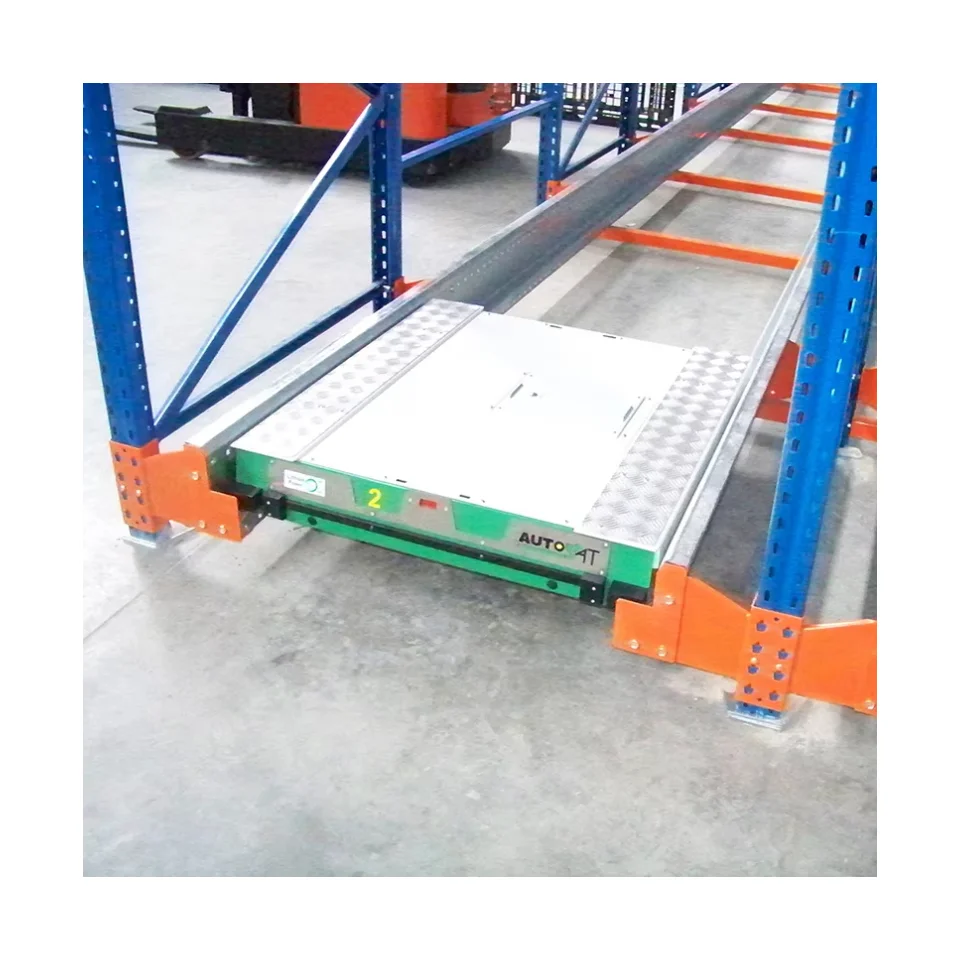
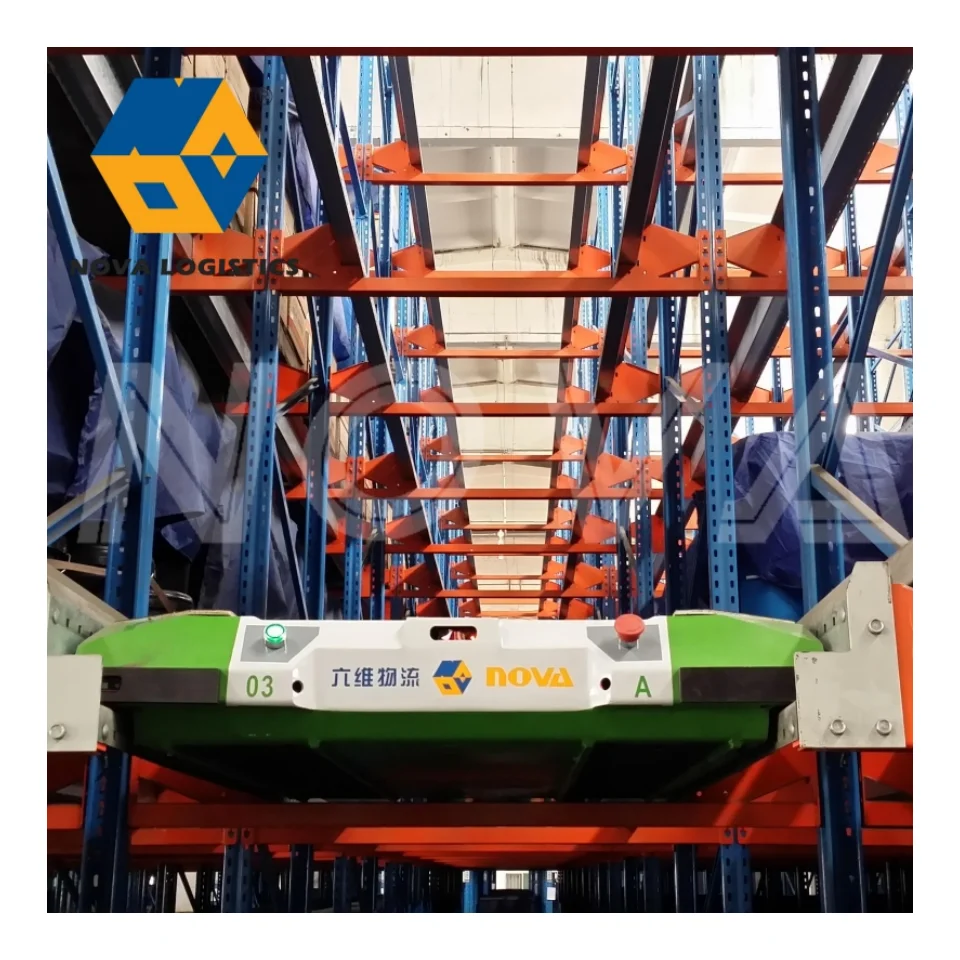
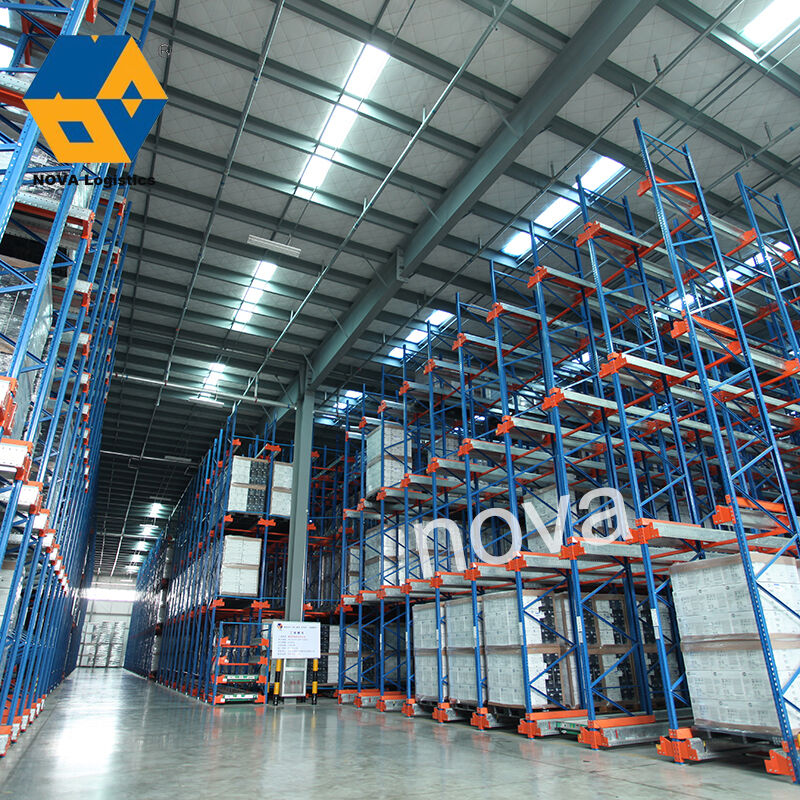
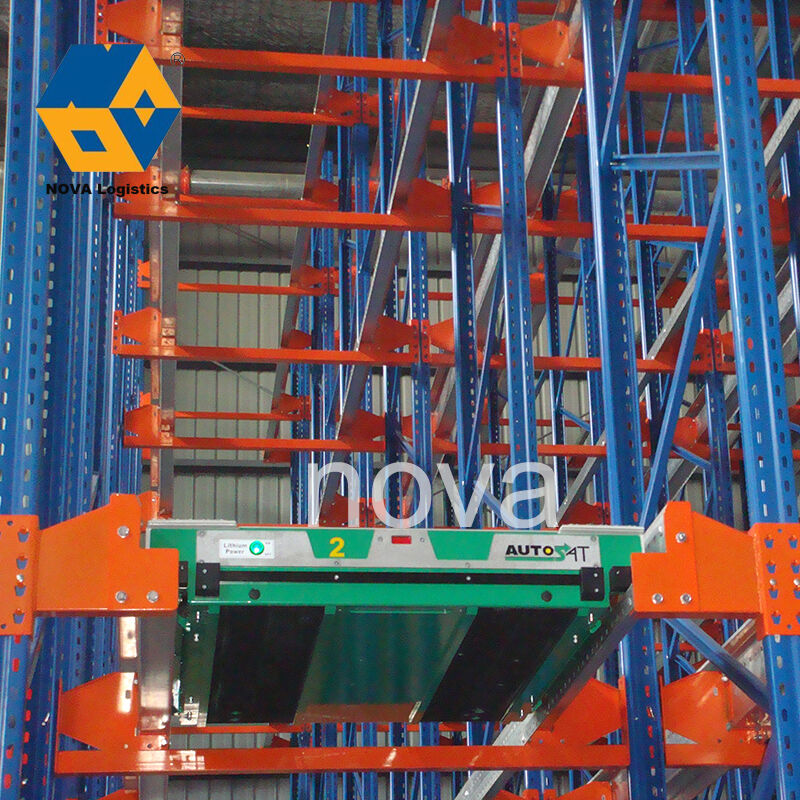
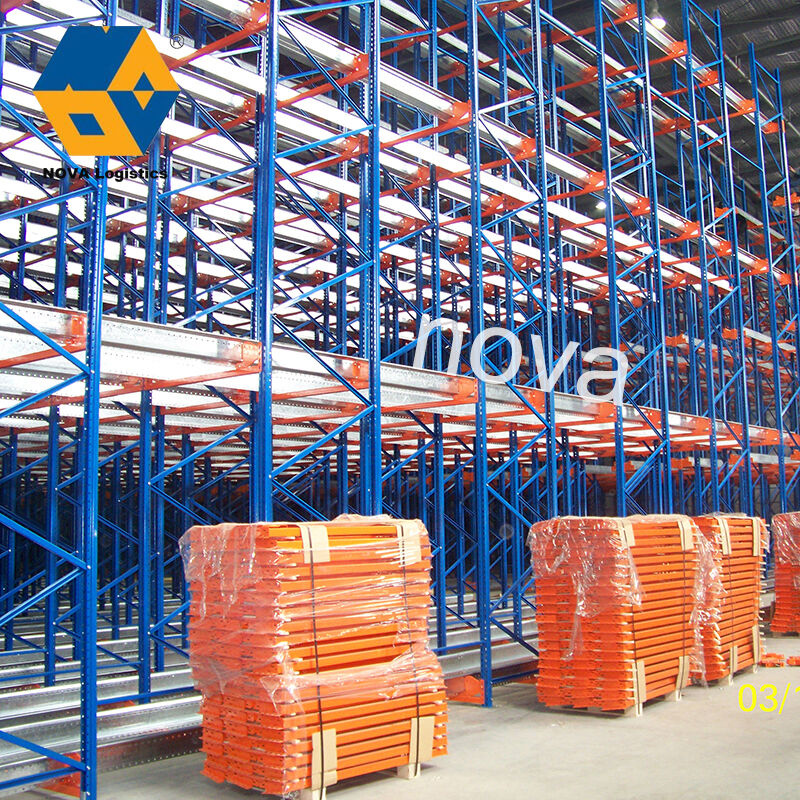
A rádiós shuttle-rács által biztosított biztonsági javulások védett környezeteket teremtenek, amelyek minimalizálják a személyzet kockázatát, miközben egyidejűleg megóvják az értékes készleteket a károsodástól – ezzel két kulcsfontosságú problémát oldanak meg, amelyek hatással vannak az üzemeltetési költségekre és a munkahelyi kultúrára. A biztonság alapvető előnye a munkavállalók és a tárolási környezet közötti fizikai elválasztásból ered: a működtetők a raktározó szerkezeteken kívül maradnak, meghatározott biztonsági zónákban tartózkodnak, míg a shuttle-k végzik az összes mozgatási feladatot a potenciálisan veszélyes, mély pályákon, ahol a korlátozott látótávolság, a szűk járatok és az ismétlődő mozdulatok hagyományosan baleseti kockázatot jelentettek. Ez az elválasztás kizárja a targoncák és a raktárpolcok függőleges tartóelemei közötti ütközés lehetőségét – egy gyakori károkozási forrást, amely megsértheti a szerkezeti integritást, leesésveszélyt teremthet, és drága javításokat, valamint esetleges üzemi leállásokat igényelhet biztonsági ellenőrzések idején. A rádiós shuttle-rács kiküszöböli az emberi hibák változó tényezőit a korlátozott térben történő navigáció során, mivel az előre programozott shuttle-útjáratok pontos, eltérésmentes útvonalakon haladnak, így kizárják a figyelemelterelést, a figyelmetlenséget és a rossz ítéletalkotást, amelyek manuális műveletek során gyakran okoznak baleseteket. A gyalogosok biztonsága jelentősen javul, mivel a csökkent targonca-forgalom az egész létesítményben kevesebb jármű-gyalogos találkozási pontot eredményez – olyan helyeket, ahol súlyos sérülések fordulhatnak elő még figyelmeztető rendszerek és kijelölt gyalogosösvények mellett is. A dolgozók szabadabban mozoghatnak készletellenőrzés, minőségellenőrzés és karbantartási tevékenységek céljából anélkül, hogy folyamatosan figyelniük kellene a közeledő targoncákat, ami csökkenti a stresszt, javítja az elégedettséget, és egyidejűleg konkrét biztonsági mutatókat is javít. A termékek védelmének előnyei a shuttle-k által nyújtott következetes, ellenőrzött kezelésből erednek, ellentétben a targoncák változó működésével, amelyet az operátorok képességei, fáradtsági állapota és a környezeti kihívások befolyásolnak. A raklapok enyhébb gyorsulással és lassulással haladnak, csökkentve a rakomány elmozdulását, a csomagolás károsodását és a termékveszteséget – ezek mind csökkentik a nyereséget és csalódást okoznak az ügyfeleknek, akik sérült árut kapnak. A shuttle-működés zárt jellege a raktárpolc-szerkezeteken belül megóvja a készleteket a mellékelt berendezésekkel való véletlen érintkezéstől, a szomszédos területekről lehulló tárgyaktól, valamint a környezeti hatásoktól olyan létesítményekben, ahol a hőmérséklet-, páratartalom- vagy szennyeződés-ellenőrzés fontos szerepet játszik. A tűzbiztonsági szempontok is javulnak: a koncentrált tárolás minimális folyosófelülettel csökkenti az éghető anyag-eloszlást, míg a csökkent targonca-jelenlét kevesebb gyújtóforrást jelent – például motorokból, hidraulikarendszerekből vagy folyamatosan működő elektromos rendszerekből származóan. A rádiós shuttle-rács biztonsági funkciókat is tartalmaz, például automatikus leállítási mechanizmusokat akadályok észlelésekor, túlterhelés-elleni rendszereket, amelyek megtagadják a túlzott súlyok fogadását, valamint akkumulátor-figyelő rendszereket, amelyek megakadályozzák az áramkimaradást kritikus mozgatási folyamatok közben. A vészhelyzeti protokollok egyszerűbbé válnak az automatizált rendszerekkel: a shuttle-k biztonságos pozícióba térnek vissza a létesítmény evakuálása vagy áramkimaradás esetén, miközben a manuális felülbírálási lehetőségek vezérelt leállítási eljárásokat tesznek lehetővé. A biztosítási következmények tükrözik ezen biztonsági javulásokat, mivel a biztosítók elismerése esetén potenciálisan csökkenhetnek a díjak a kockázati profil csökkenése miatt, ugyanakkor a balesetek gyakoriságának és súlyosságának csökkenése révén csökkennek a munkavállalói kártérítési költségek is – amit a rádiós shuttle-rács a tervezésén keresztül ér el, nem pedig kizárólag a képzésen és az eljárási betartáson alapuló, sokszor nehezen fenntartható megoldásokkal.

 EN
EN