Radio Shuttle Rack Systems - Automated High-Density Warehouse Storage Solutions

All Categories

Get a Free Quote

Our representative will contact you soon.
Email
Name
Company Name
Message
0/1000

radio shuttle rack

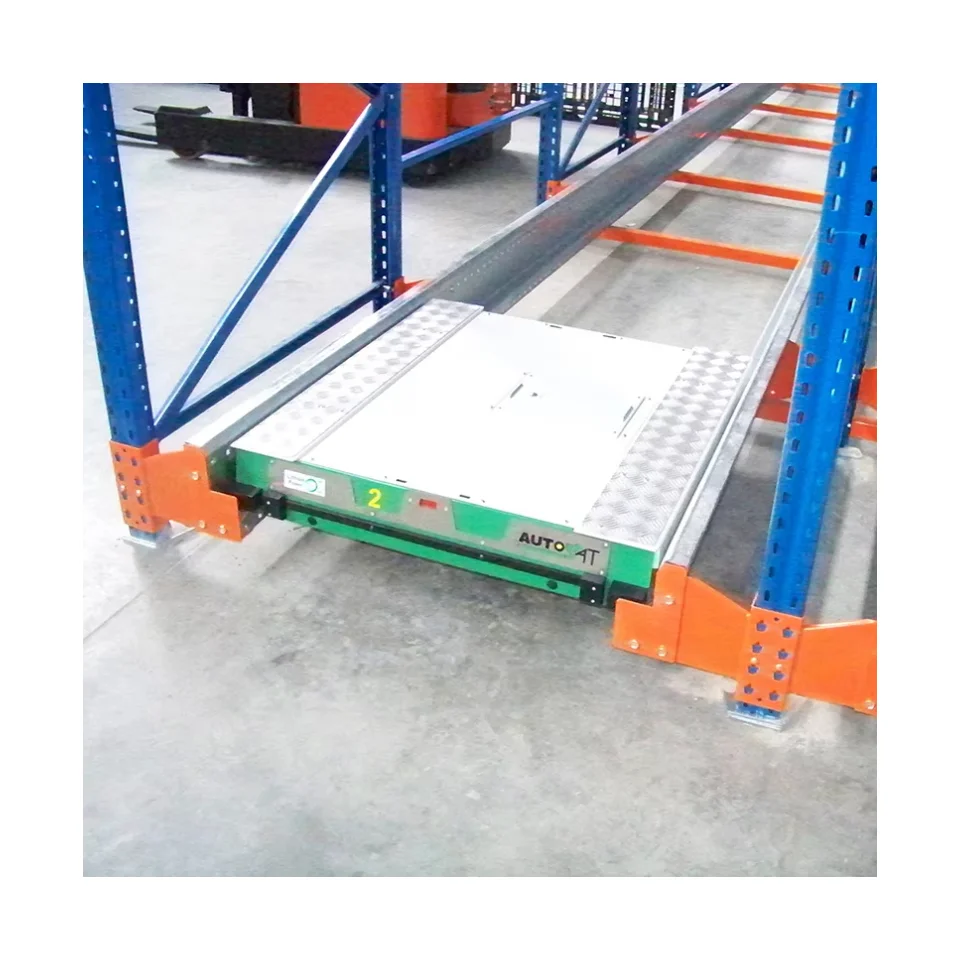
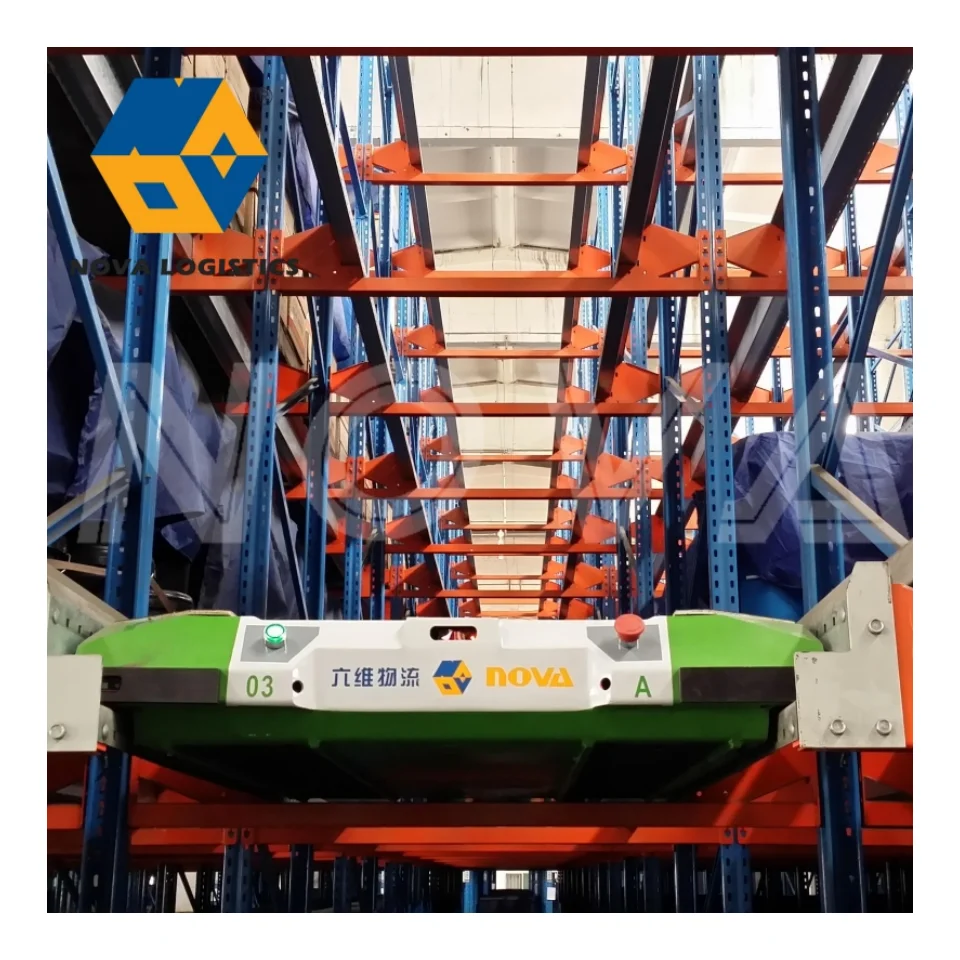
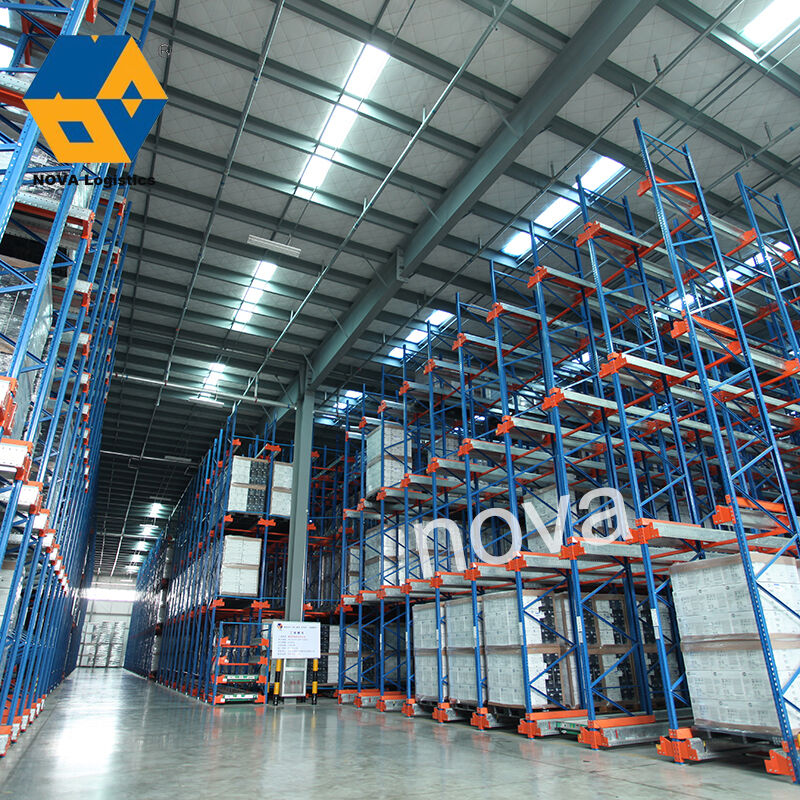
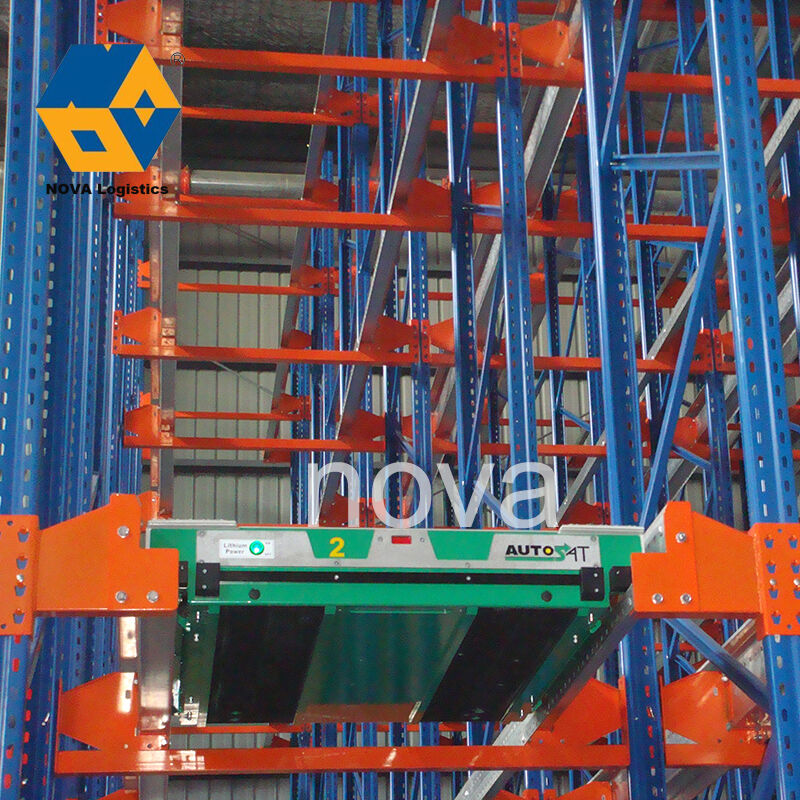
The radio shuttle rack represents an advanced automated warehousing solution that transforms traditional storage operations through intelligent technology and mechanical efficiency. This innovative system combines high-density storage capabilities with radio-controlled shuttle carts that move independently along dedicated rails within the racking structure. The radio shuttle rack operates through a wireless remote control device that commands battery-powered shuttles to transport pallets deep into storage lanes, eliminating the need for forklifts to enter the aisles. The main functions include automated pallet loading and unloading, systematic inventory organization, and rapid retrieval operations that significantly enhance warehouse productivity. Technologically, the radio shuttle rack features precision-engineered rails that guide motorized shuttles carrying loads up to several tons, while sophisticated radio frequency communication ensures reliable control signals between operators and shuttles. The system incorporates intelligent sensors that detect pallet positions, prevent collisions, and optimize movement patterns for maximum efficiency. Battery management systems provide extended operational periods with quick-charging capabilities, ensuring continuous workflow. The shuttle carts feature robust construction with durable wheels, lifting mechanisms, and protective bumpers designed for intensive industrial use. Applications span numerous industries including food and beverage distribution, pharmaceutical storage, cold storage facilities, manufacturing operations, retail distribution centers, and third-party logistics providers. The radio shuttle rack excels in environments requiring high-volume storage with limited floor space, temperature-controlled facilities where minimizing door openings preserves energy, and operations handling homogeneous products with consistent pallet sizes. This system particularly benefits businesses managing seasonal inventory fluctuations, requiring first-in-first-out or last-in-first-out inventory rotation, and seeking to reduce labor costs while improving safety standards. The radio shuttle rack adapts to various warehouse configurations, accommodating different ceiling heights, aisle widths, and operational requirements through customizable designs that maximize cubic space utilization while maintaining accessibility for inventory management and order fulfillment processes.

New Product Releases

Implementing a radio shuttle rack delivers substantial practical benefits that directly impact operational efficiency and profitability for warehouse operations. Space utilization reaches unprecedented levels as this system eliminates multiple aisles traditionally required for forklift access, increasing storage density by up to eighty-five percent compared to conventional selective racking. Businesses can store significantly more inventory within existing facilities, postponing expensive building expansions or additional lease commitments. The operational speed advantage becomes immediately apparent as shuttle carts move pallets at consistent rates without fatigue, completing tasks faster than manual forklift operations while maintaining precision. This acceleration translates to higher throughput rates during peak periods, enabling businesses to process more orders within shorter timeframes and meet demanding delivery schedules. Labor cost reduction emerges as a compelling advantage since fewer personnel can manage larger inventory volumes, with operators controlling shuttles remotely rather than driving forklifts repeatedly into storage lanes. This efficiency allows staff redeployment to value-added activities while reducing overtime expenses during busy seasons. Safety improvements protect both workers and inventory as the radio shuttle rack minimizes forklift traffic within storage areas, dramatically decreasing collision risks, product damage, and workplace accidents. Operators remain in safe positions outside racking structures while shuttles handle deep-lane pallet movement, reducing exposure to potential hazards. Energy savings accumulate particularly in temperature-controlled environments where reduced forklift activity means fewer emissions, less heat generation, and shorter door opening times that preserve refrigeration or climate control efficiency. The initial investment recovers through these ongoing operational savings combined with extended equipment lifespan and reduced maintenance requirements. Flexibility advantages allow businesses to adapt quickly to changing inventory needs, as the radio shuttle rack accommodates various pallet sizes and weights through adjustable settings without requiring structural modifications. Seasonal businesses benefit from scaling operations efficiently, intensifying storage during peak seasons and streamlining during slower periods. Inventory accuracy improves through systematic organization enabled by the radio shuttle rack, with designated positions for specific products reducing picking errors and facilitating cycle counting procedures. The controlled environment created by this system minimizes product damage from rough handling or collisions, protecting inventory value and reducing waste. Scalability ensures future growth accommodation as businesses can expand systems by adding shuttle units or extending rack structures without disrupting existing operations, providing long-term value that evolves with organizational needs while maintaining consistent performance standards throughout the warehouse facility.

Tips And Tricks

How Does a Rack System Support Better Warehouse Safety Standards?

20

May

How Does a Rack System Support Better Warehouse Safety Standards?

Warehouse safety is a critical operational priority for any facility that handles significant volumes of inventory, equipment, or materials. At the center of most modern warehouse safety strategies is the rack system — a structural solution that orga...
View More
How Do Heavy Duty Rack Structures Improve Warehouse Safety?

20

May

How Do Heavy Duty Rack Structures Improve Warehouse Safety?

Warehouse safety is not an accidental outcome — it is the direct result of thoughtful infrastructure decisions. Among the most impactful of those decisions is the choice to invest in a properly engineered heavy duty rack system. These structures are ...
View More
What Makes a Longspan Rack Ideal for Medium- to Heavy-Duty Storage?

13

Jan

What Makes a Longspan Rack Ideal for Medium- to Heavy-Duty Storage?

Modern warehouses and industrial facilities face increasing pressure to optimize storage capacity while maintaining efficient access to inventory. The longspan rack has emerged as a versatile solution that bridges the gap between light-duty shelving ...
View More
What Makes Automated Storage and Retrieval Systems Ideal for Modern Warehouses?

05

Feb

What Makes Automated Storage and Retrieval Systems Ideal for Modern Warehouses?

Modern warehouses face unprecedented challenges in managing inventory efficiently while meeting growing customer demands for faster delivery times. The implementation of an automated storage and retrieval system represents a transformative solution t...
View More

Get a Free Quote

Our representative will contact you soon.
Email
Name
Company Name
Message
0/1000

radio shuttle rack

Exceptional Storage Density Through Intelligent Design

Exceptional Storage Density Through Intelligent Design

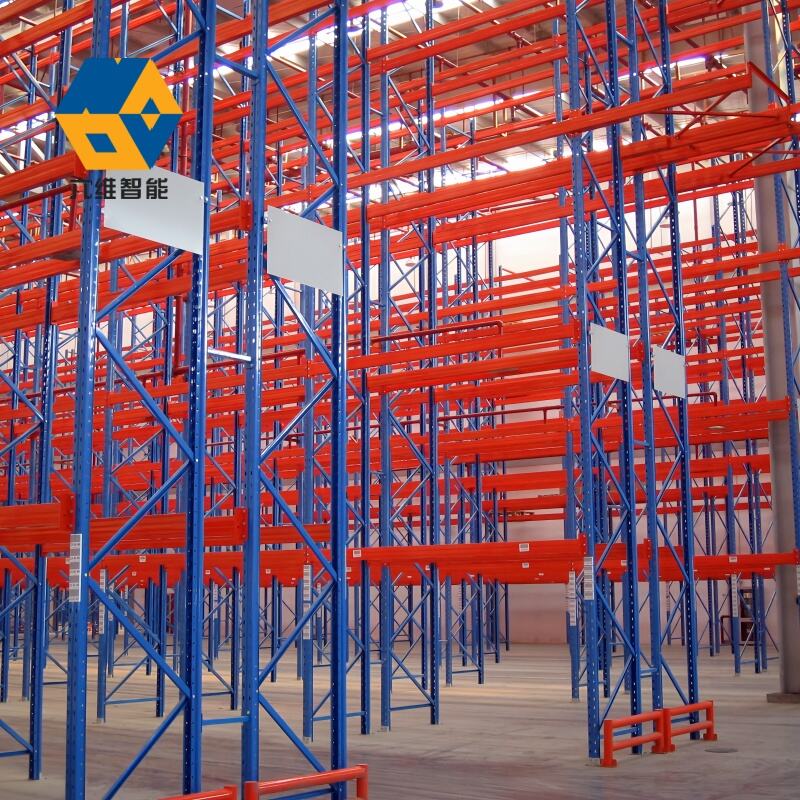
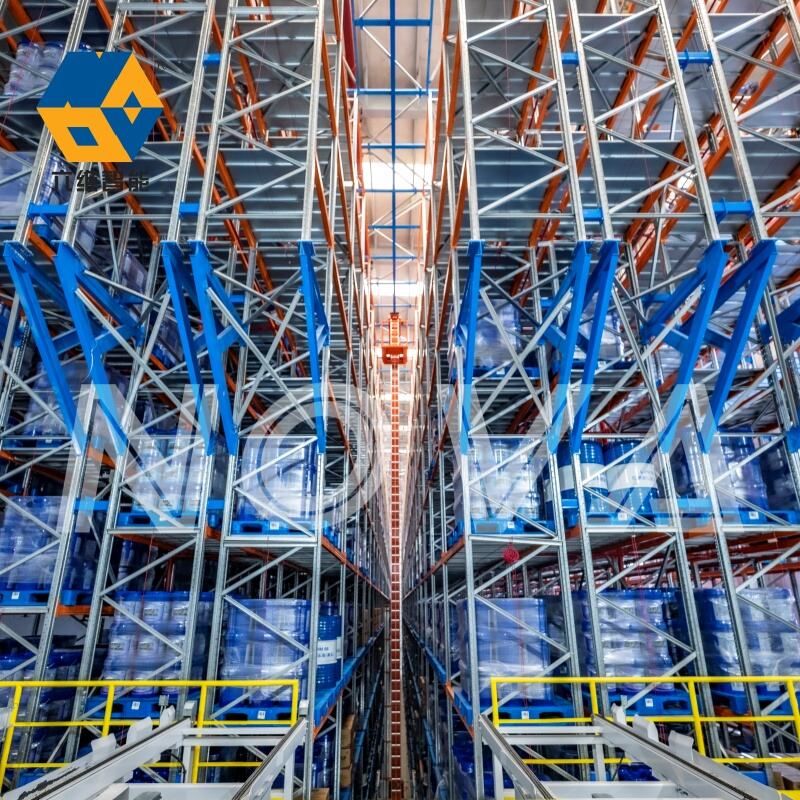
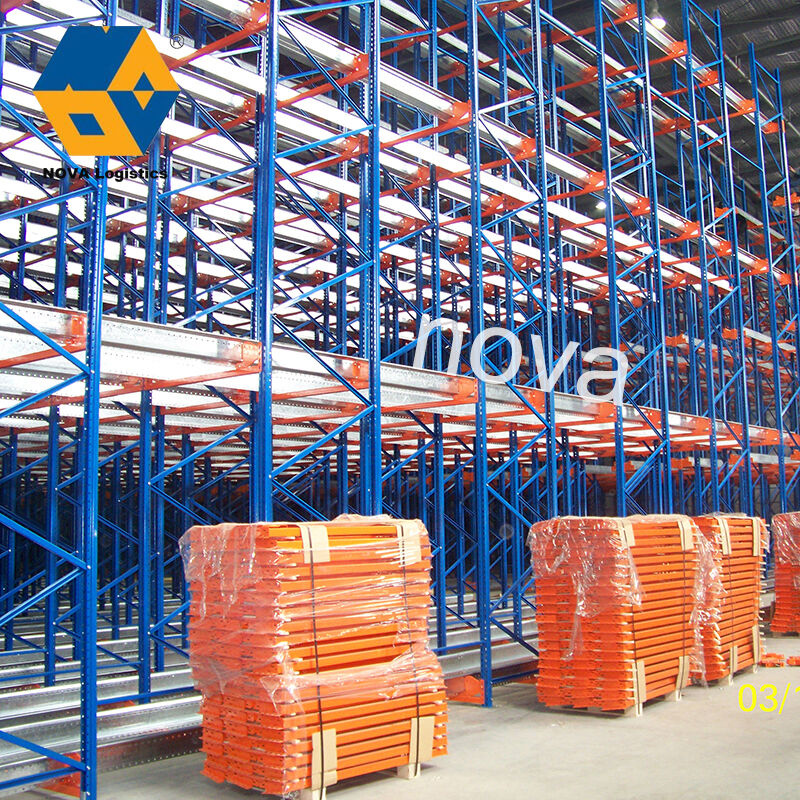
The radio shuttle rack achieves remarkable storage density that fundamentally changes how businesses utilize warehouse space, creating capacity where traditional systems reach limitations. This intelligent design eliminates the multiple access aisles required by conventional racking, instead creating deep storage lanes served by a single loading aisle where shuttles retrieve and deposit pallets at operator command. The structural configuration allows pallets to stack continuously from front to back within each lane, with depths reaching forty pallets or more depending on inventory turnover requirements and warehouse dimensions. This consolidation transforms previously wasted aisle space into productive storage volume, potentially doubling or tripling capacity within identical floor areas. The vertical dimension receives equal optimization as the radio shuttle rack constructs to heights matching warehouse ceiling clearances, with multiple levels creating three-dimensional storage matrices that exploit cubic volume rather than merely floor space. Each level operates independently with dedicated shuttle units, enabling simultaneous activities across different heights without interference or waiting periods. The system accommodates various pallet dimensions through adjustable rail spacing and shuttle platform configurations, ensuring compatibility with standard regional pallet sizes or custom specifications unique to specific industries or products. Weight capacities scale appropriately, with heavy-duty shuttles managing loads exceeding two thousand kilograms while maintaining smooth operation and precise positioning. The resulting density advantages prove particularly valuable for expensive real estate markets where building costs or lease rates make space premium, cold storage facilities where construction and operational costs multiply, and rapidly growing businesses requiring maximum flexibility from current infrastructure. Beyond simple capacity increases, this density creates organizational benefits through dedicated lanes for specific products, simplifying inventory management and enabling logical grouping that supports efficient picking strategies. The concentrated storage reduces travel distances for order fulfillment since more products locate within closer proximity, cutting retrieval times and expediting shipment preparation. Maintenance considerations remain manageable despite the intensive use, as robust construction materials and proven mechanical designs ensure longevity under continuous operation. The investment in this storage density pays ongoing dividends through deferred expansion costs, reduced per-unit storage expenses, and competitive advantages gained from operational efficiency that allows faster order processing, better customer service, and improved inventory turnover rates that enhance overall business performance and profitability.
Automated Efficiency Reducing Manual Labor Requirements

Automated Efficiency Reducing Manual Labor Requirements

The automation capabilities inherent in the radio shuttle rack revolutionize labor utilization by mechanizing repetitive pallet movement tasks that traditionally consumed significant personnel hours and physical effort. Operators control shuttle units through ergonomic wireless remotes from safe, convenient positions, directing shuttles to retrieve or store pallets with simple button commands rather than personally driving forklifts through confined spaces repeatedly throughout shifts. This transformation reduces the physical demands placed on warehouse staff, decreasing fatigue-related errors, injury risks, and the strain associated with intensive forklift operation in challenging environments. The radio shuttle rack enables a single operator to manage multiple shuttles across different racking sections, multiplying individual productivity without corresponding increases in headcount or labor expenses. While traditional operations require dedicated forklift drivers for each storage area, the shuttle system allows coordinated management where one person initiates tasks across various zones, with shuttles executing movements independently while operators prepare subsequent loads or manage documentation. This efficiency proves especially valuable during peak periods when order volumes surge, as businesses scale operations through shuttle additions rather than proportional workforce increases that bring recruitment, training, and management complexities. The learning curve for shuttle operation remains moderate, with straightforward controls and intuitive interfaces that allow new operators to achieve proficiency quickly compared to forklift certification and skill development timelines. Consistency represents another automation benefit, as shuttles perform tasks at uniform speeds with predictable timing that facilitates production planning and delivery scheduling. Unlike human operators whose performance varies with fatigue, distraction, or experience levels, automated shuttles maintain steady output throughout operational periods, creating reliable throughput rates that businesses can confidently commit to customers. The reduced labor requirement extends beyond direct operation to encompass supervisory needs, as automated systems require less oversight than larger manual workforces, allowing management focus on strategic activities rather than constant floor supervision. Cost implications prove substantial when calculating fully-loaded labor expenses including wages, benefits, insurance, training, and administrative overhead across multiple shifts and seasonal fluctuations. The radio shuttle rack converts these variable costs into predictable capital investments with defined depreciation schedules and maintenance budgets that offer superior financial planning visibility. Additionally, labor market challenges including recruitment difficulties, retention issues, and wage inflation become less impactful when operations depend less heavily on large workforces, providing business continuity advantages and operational stability that protect service levels regardless of employment market conditions affecting the broader industry.
Enhanced Safety Standards Protecting People and Products

Enhanced Safety Standards Protecting People and Products

Safety improvements delivered by the radio shuttle rack create protective environments that minimize risks to personnel while simultaneously safeguarding valuable inventory from damage, addressing two critical concerns that affect operational costs and workplace culture. The fundamental safety advantage stems from physical separation between workers and the storage environment, as operators remain outside racking structures in designated safe zones while shuttles handle all movement within potentially hazardous deep lanes where visibility limitations, tight clearances, and repetitive motions traditionally created accident risks. This separation eliminates collision possibilities between forklifts and racking uprights, a common damage source that compromises structural integrity, creates falling hazards, and necessitates expensive repairs along with potential facility shutdowns during safety inspections. The radio shuttle rack removes human error variables from confined space navigation, as pre-programmed shuttle paths follow precise routes without deviation, distraction, or misjudgment that contribute to accidents in manual operations. Pedestrian safety improves dramatically since reduced forklift traffic throughout facilities means fewer vehicle-pedestrian interaction points where serious injuries occur despite warning systems and designated walkways. Workers can move more freely for inventory checks, quality inspections, and maintenance activities without constant vigilance against approaching forklifts, reducing stress and improving job satisfaction alongside tangible safety metrics. Product protection benefits emerge from consistent, controlled handling that shuttles provide compared to variable forklift operation affected by operator skill levels, fatigue, and environmental challenges. Pallets experience gentler acceleration and deceleration, reducing shifting loads, packaging damage, and product losses that erode profit margins and disappoint customers receiving compromised goods. The enclosed nature of shuttle operation within racking structures shields inventory from incidental contact with passing equipment, falling objects from adjacent areas, and environmental exposure in facilities where temperature, humidity, or contamination control matters. Fire safety considerations improve as concentrated storage with minimal aisle space reduces fuel load distribution while decreased forklift presence means fewer ignition sources from engines, hydraulics, or electrical systems operating continuously throughout shifts. The radio shuttle rack incorporates safety features including automatic stop mechanisms when obstructions detect, overload prevention systems that refuse excessive weights, and battery monitoring that prevents power failures during critical movements. Emergency protocols become simpler with automated systems, as shuttles return to safe positions during facility evacuations or power interruptions, while manual override capabilities allow controlled shutdown procedures. Insurance implications reflect these safety improvements through potentially reduced premiums when underwriters recognize decreased risk profiles, while workers compensation costs decline alongside accident frequency and severity reductions that the radio shuttle rack enables through design rather than relying solely on training and procedural compliance that prove difficult to maintain consistently across diverse workforces and operational pressures.

Get a Free Quote

Our representative will contact you soon.
Email
Name
Company Name
Message
0/1000

Get a Free Quote

Our representative will contact you soon.
Email
Name
Company Name
Message
0/1000