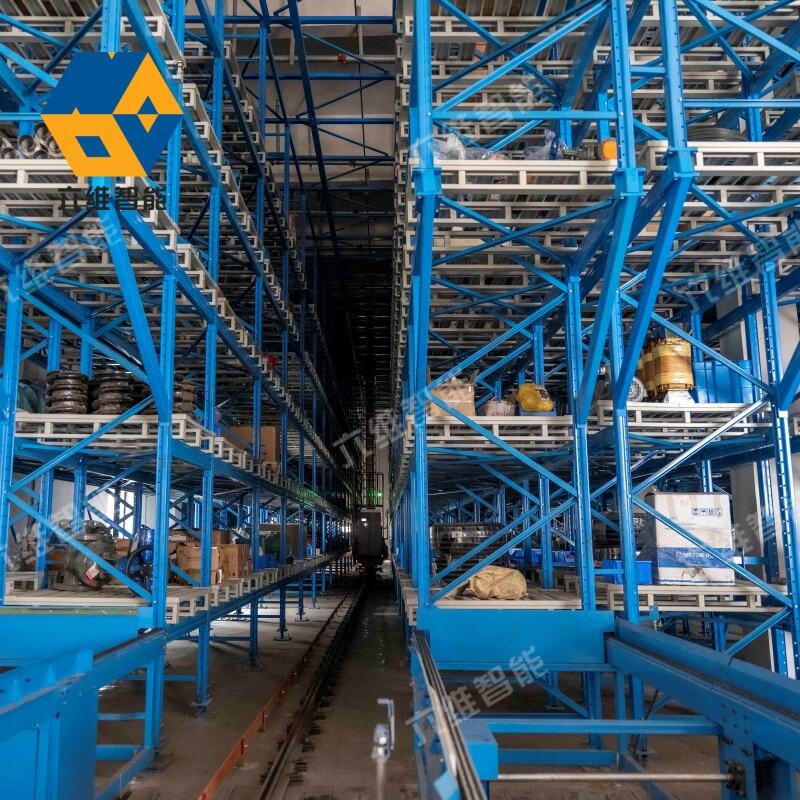
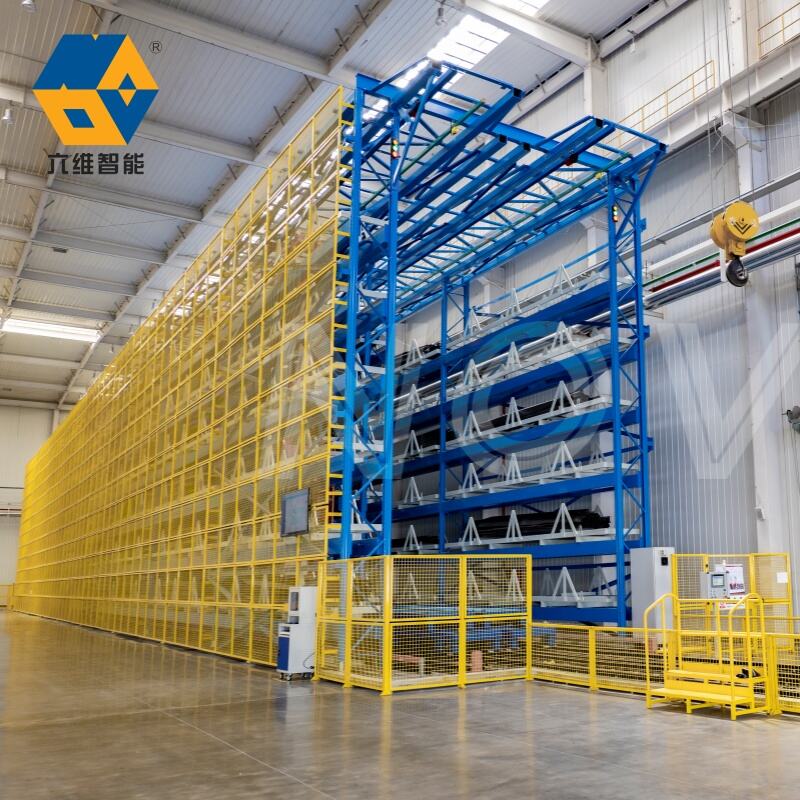
Ճշգրտված ապրանքային առկայության կառավարում և վերահսկում
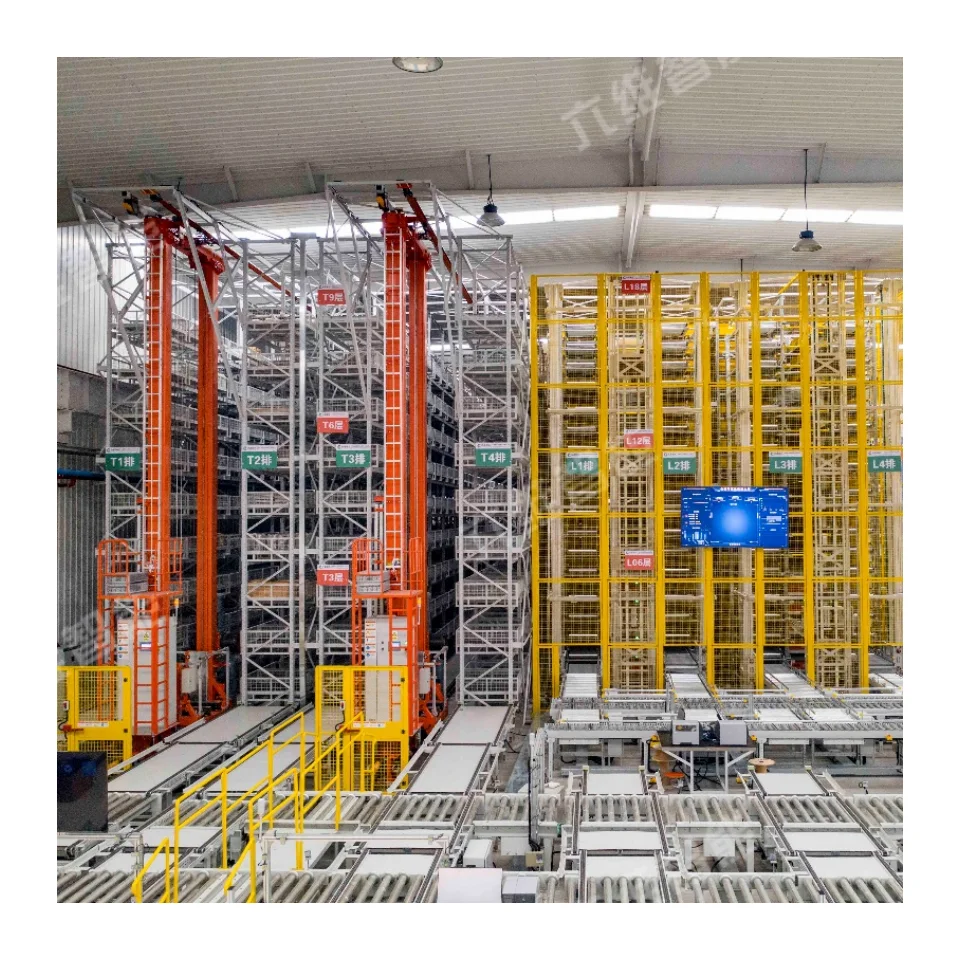
Ավտոմատացված պահեստավորման համակարգերը պահեստային գործողություններում հեղափոխություն են մտցնում առապահային ճշգրտության և վերահսկման մեջ՝ ինտեգրված տեխնոլոգիայի միջոցով, որը հետևում է յուրաքանչյուր իրի կյանքի ցիկլին ձեր օբյեկտում: Ընդհանուր առմամբ առաջադեմ ծրագրային ալգորիթմների, սենսորային տեխնոլոգիայի և ավտոմատացված մշակման սարքավորումների համադրումը ստեղծում է այնպիսի միջավայր, որտեղ առապահային տվյալների տարաչափությունները գրեթե անգոյուն են դառնում: Ավանդական ձեռքով կատարվող համակարգերը տառապում են կուտակվող սխալներից, քանի որ աշխատողները կարող են սխալվել իրերի տեղադրման մեջ, սխալ գրանցել գործարքները կամ պարզապես կորցնել ապրանքների հետաքննությունը մեծ պահեստային տարածքներում: Այս սխալները ժամանակի ընթացքում բազմապատկվում են՝ առաջացնելով կարևոր ֆինանսական կորուստներ ապրանքային պակասի, ավելցուկային պահեստավորման և կորցրած առապահային ապրանքների գրանցման միջոցով: Պահեստային միջավայրում ավտոմատացված պահեստավորման համակարգերը վերացնում են այս խնդիրները՝ պահպանելով թվային գրառումներ, որոնք անմիջապես թարմացվում են, երբ իրերը շարժվում են ձեր օբյեկտում: Շտրիխ-կոդերի սկաներները կամ RFID ընթերցիչները տվյալները գրանցում են յուրաքանչյուր գործարքի կետում, ապահովելով, որ ձեր պահեստային կառավարման համակարգը արտացոլի իրական ֆիզիկական առապահային ապրանքները՝ բացառիկ ճշգրտությամբ: Այս ճշգրտությունը հնարավորություն է տալիս ձեզ աշխատել ավելի փոքր առապահային մակարդակներով, քանի որ դուք վստահում եք տվյալներին, որոնք ցույց են տալիս, թե ինչ ունեք իրականում: Ֆինանսական առավելությունները չեն սահմանափակվում կրման ծախսերի նվազեցմամբ, այլ ընդգրկում են նաև հաճախորդների բավարարվածության բարելավումը՝ հավաստի պատվերների կատարման շնորհիվ: Երբ հաճախորդները պատվերներ են տեղադրում, դուք կարող եք վստահությամբ երաշխավորել առաքումը, քանի որ ձեր առապահային գրառումները արտացոլում են իրականությունը, այլ ոչ թե մոտավորական գնահատականները: Ավտոմատացված համակարգերը կանխում են ավելցուկային վաճառքի իրավիճակները, որոնք վնասում են հաճախորդների հետ հարաբերությունները և բրենդի հեղինակությունը: Սերիական համարների և լոտերի հետագծման կառավարումը հասնում է նոր մակարդակի բարդության՝ ավտոմատացված պահեստավորման համակարգերի շնորհիվ, ինչը անհրաժեշտ է ստորագրված հետագծման պահանջներ ունեցող ոլորտների համար: Դեղագործական ընկերությունները կարող են անմիջապես գտնել կոնկրետ արտադրական լոտերը, եթե առաջանան որակի խնդիրներ, իսկ սննդի բաշխողները կարող են իրականացնել ճշգրիտ հետադարձ վերադարձներ՝ ազդելով միայն վնասված ապրանքների վրա, այլ ոչ թե ընդհանուր կատեգորիաների վրա: Համակարգերը պահպանում են ամբողջական աուդիտային հետքեր, որոնք ցույց են տալիս, երբ են մտել իրերը պահեստ, որքան են մնացել այնտեղ և երբ են դուրս եկել, այդպես ապահովելով կարգավորող պահանջների անհապաղ կատարումը: Առաջին մտած առաջին դուրս գալու (FIFO) պտտման գործընթացը իրականացվում է ավտոմատաբար՝ ապահովելով, որ կենսաթափանց ապրանքները շարժվեն մինչև վայրագրման ժամկետի սպառումը: Տեխնոլոգիան նույնպես նույնացնում է դանդաղ շարժվող առապահային ապրանքները՝ մինչ դրանք դառնան անգործածելի, ինչը հնարավորություն է տալիս ձեզ իրականացնել խթանման ռազմավարություններ կամ մատակարարների հետ վերադարձման համաձայնագրեր: Շրջանային հաշվառումը դառնում է ավելորդ, քանի որ համակարգը պահպանում է անընդհատ ճշգրտություն՝ առանց պարբերաբար ֆիզիկական ստուգումների, որոնք խաթարում են գործողությունները: Ձեռքով կատարվող հաշվարկների գործընթացների վերացումից առաջացած աշխատավարձի խնայողությունները զգալի են, ինչը թույլ է տալիս աշխատակիցներին վերահղել արտադրողական գործունեությունների վրա՝ այլ ոչ թե մեկնաբանական ստուգման աշխատանքների վրա: Իրական ժամանակում տեսանելիությունը տարածվում է հեռավոր ստակհոլդերների վրա, որոնք կարող են հետևել առապահային մակարդակներին՝ օգտագործելով վեբ-հիմնված վահանակներ, ինչը հնարավորություն է տալիս լավարկել գնման, վաճառքի և գործողությունների բաժինների միջև համակարգավորումը: Այս թափանցիկությունը բարելավում է ձեր կազմակերպության ընդհանուր որոշումների կայացումը՝ օպտիմալացնելով առապահային մակարդակները՝ համապատասխանեցնելով իրական պահանջարկի մոդելներին, այլ ոչ թե պատմական ենթադրություններին:

 EN
EN