Comprehensive Data Intelligence and System Integration Capabilities
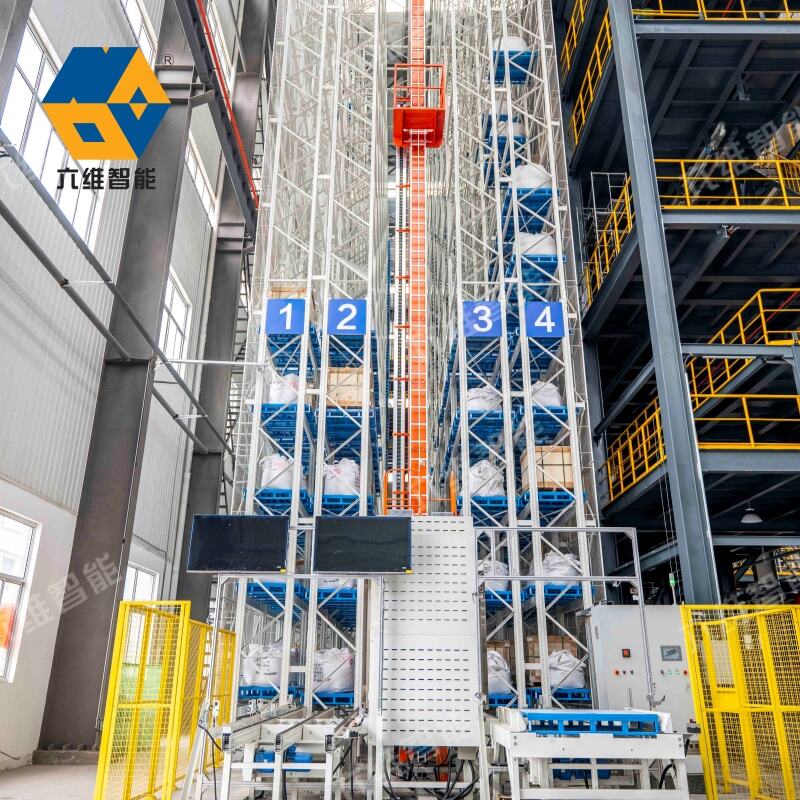
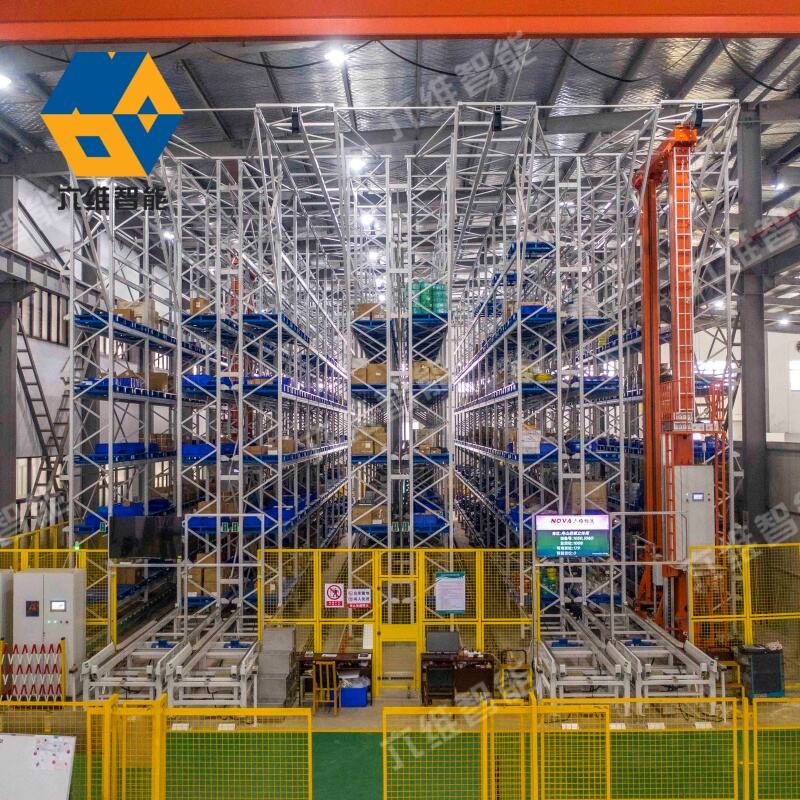
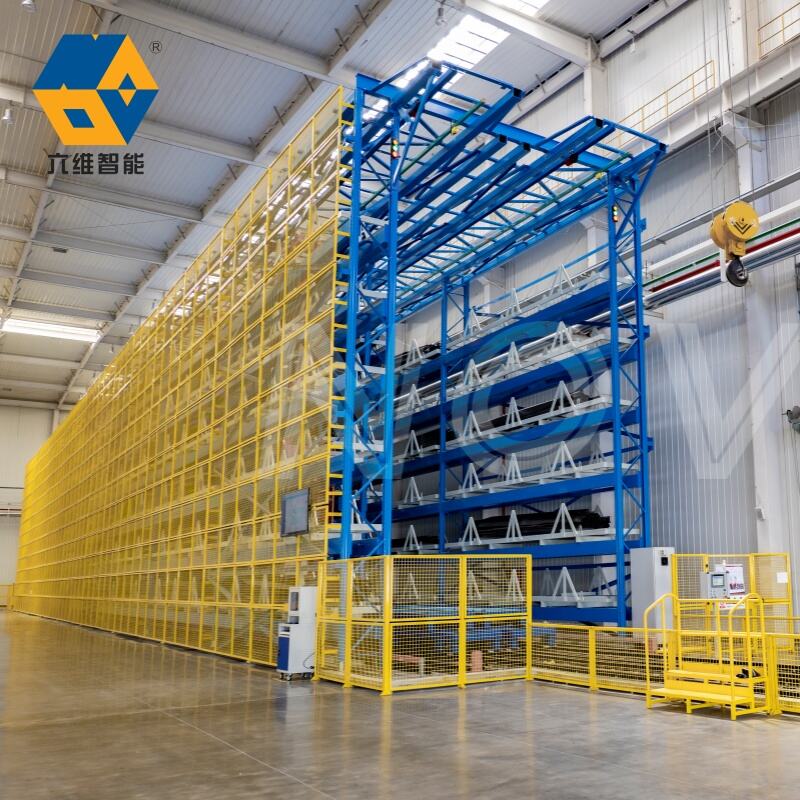
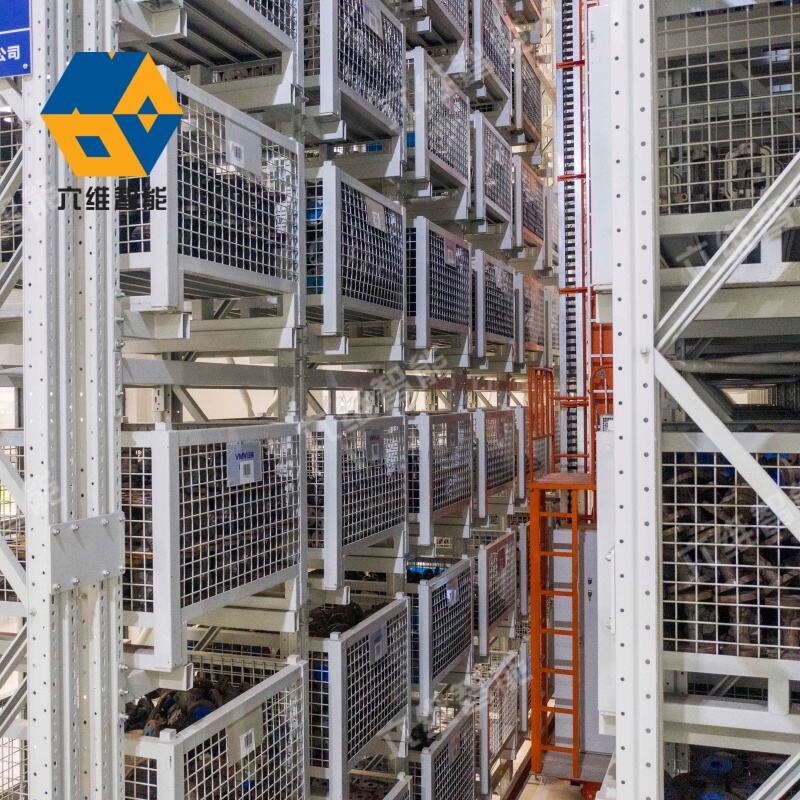
Modern warehouse automated storage and retrieval system implementations provide far more than mechanical automation, they deliver comprehensive data intelligence platforms that transform how you understand and manage your entire supply chain. Every interaction within the system generates data points including what was stored or retrieved, precise timestamps, location coordinates, operator identifications, and process durations, creating a rich information stream that reveals patterns and opportunities invisible in manual operations. This data flows into analytics dashboards presenting real-time visibility into inventory levels, order fulfillment rates, system utilization percentages, and performance trends across time periods. You can identify your fastest-moving products and ensure they remain in stock, recognize seasonal patterns to optimize purchasing timing, detect slow-moving inventory that ties up capital, and spot operational bottlenecks where processes could be streamlined. The warehouse automated storage and retrieval system integrates seamlessly with enterprise resource planning systems, warehouse management software, transportation management platforms, and e-commerce solutions, creating unified information flows that eliminate data silos and manual data entry errors. When a customer places an online order, the information automatically triggers retrieval sequences, updates inventory counts, generates shipping labels, and notifies transportation providers without human intervention in the digital processes. This integration extends to supplier relationships where automated reordering based on preset threshold levels ensures continuous inventory availability while minimizing excess stock that consumes warehouse space and working capital. Predictive maintenance capabilities represent another dimension of intelligence where sensors monitor equipment conditions including motor temperatures, vibration patterns, and component wear indicators, using machine learning algorithms to predict potential failures before they occur. This proactive approach schedules maintenance during planned downtime rather than experiencing unexpected breakdowns that halt operations and delay customer orders. The warehouse automated storage and retrieval system can simulate different scenarios, modeling how changes in product mix, order volumes, or operational parameters would affect performance, enabling informed decision-making when planning expansions or process modifications. Reporting capabilities satisfy audit requirements, regulatory compliance documentation, and management oversight needs with automated generation of detailed records showing exactly what happened, when it occurred, and who was responsible, creating accountability and transparency throughout operations.

 EN
EN