ASRS Warehouse Management System: Advanced Automated Storage Solutions for Maximum Efficiency

All Categories

Get a Free Quote

Our representative will contact you soon.
Email
Name
Company Name
Message
0/1000

asrs warehouse management system

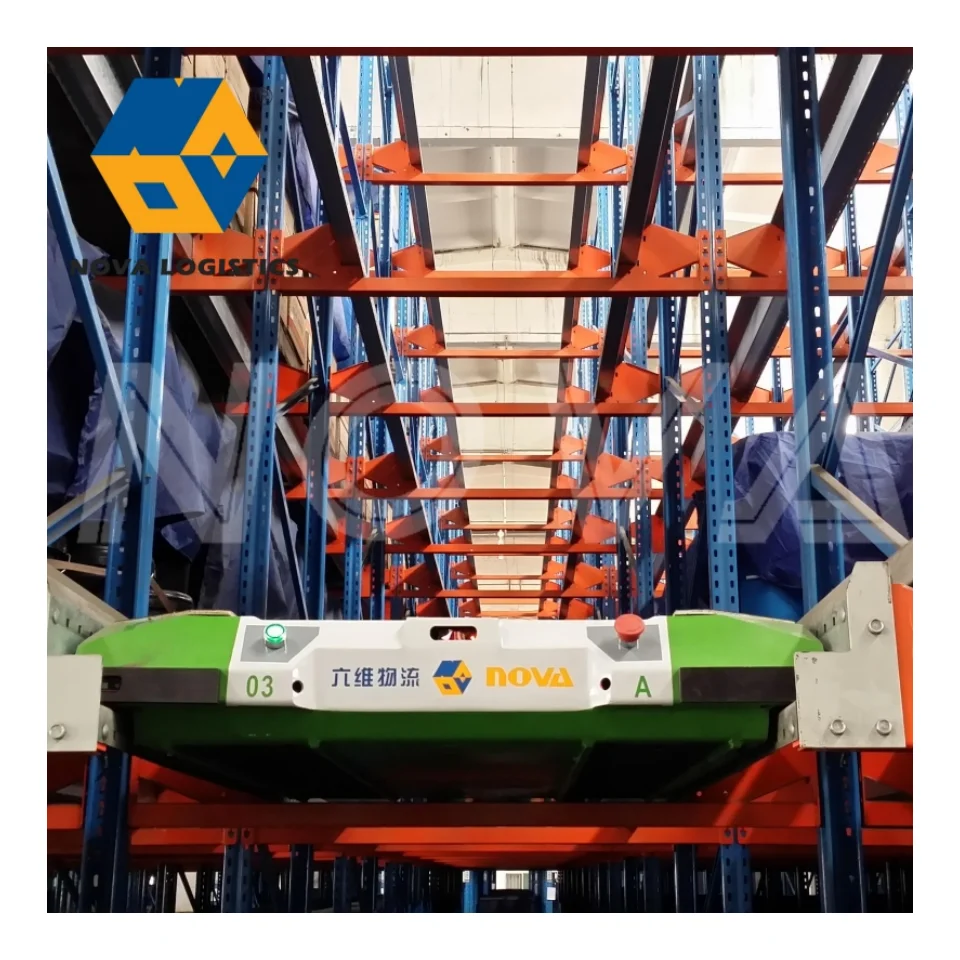
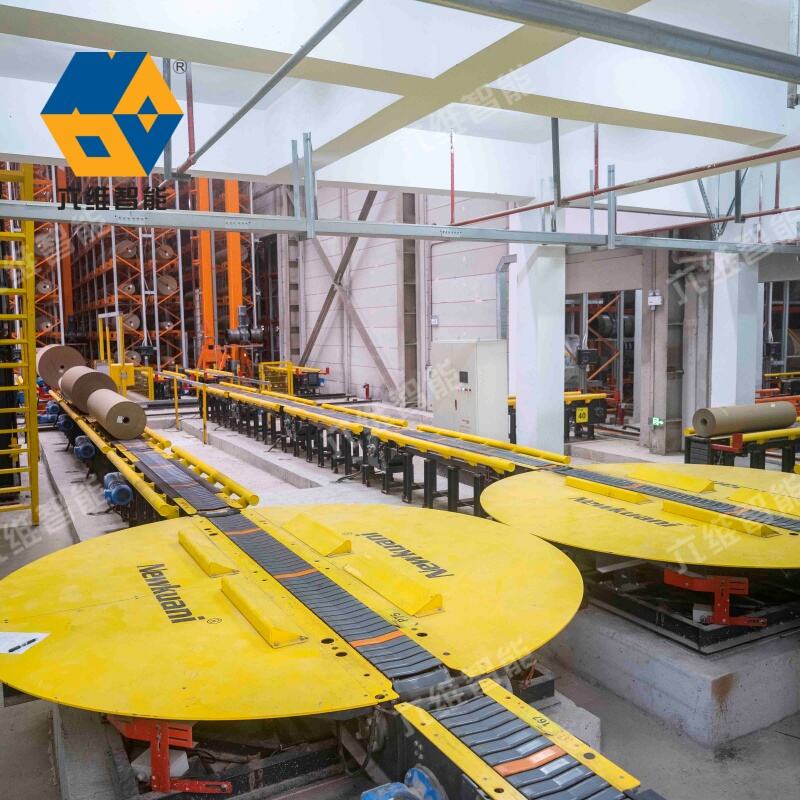
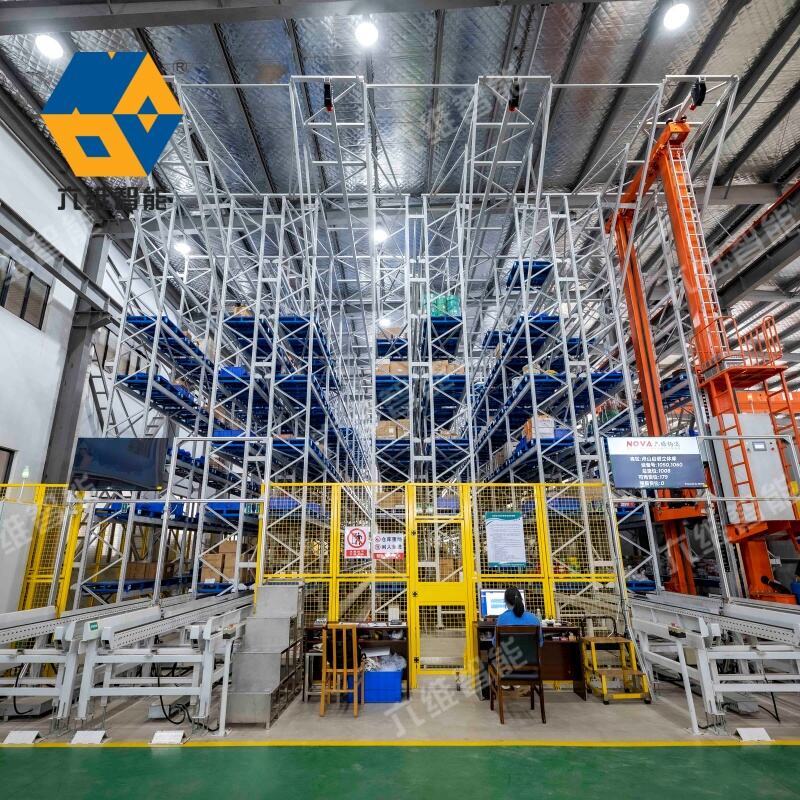
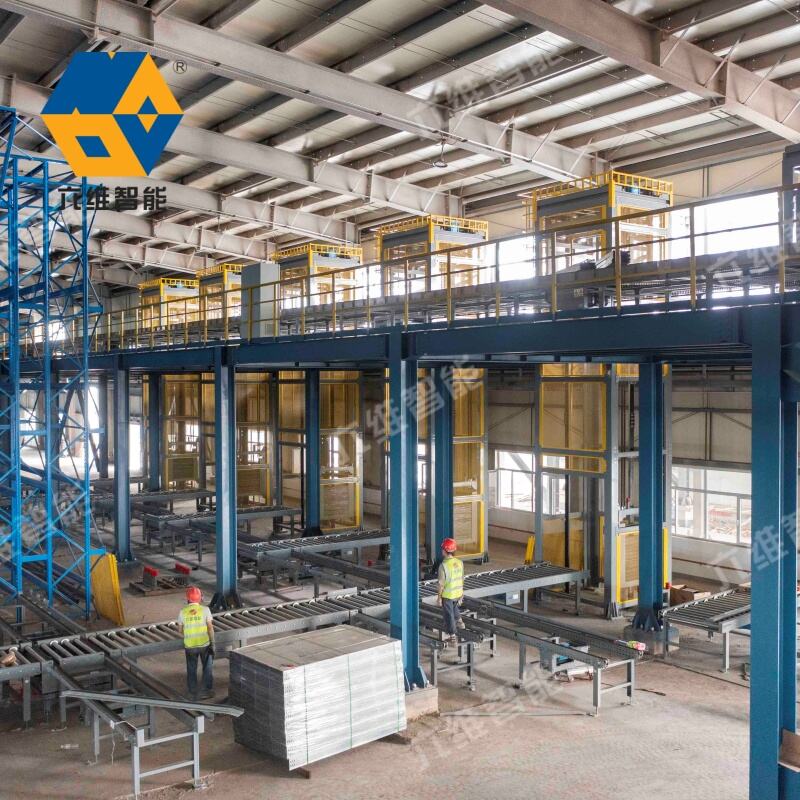
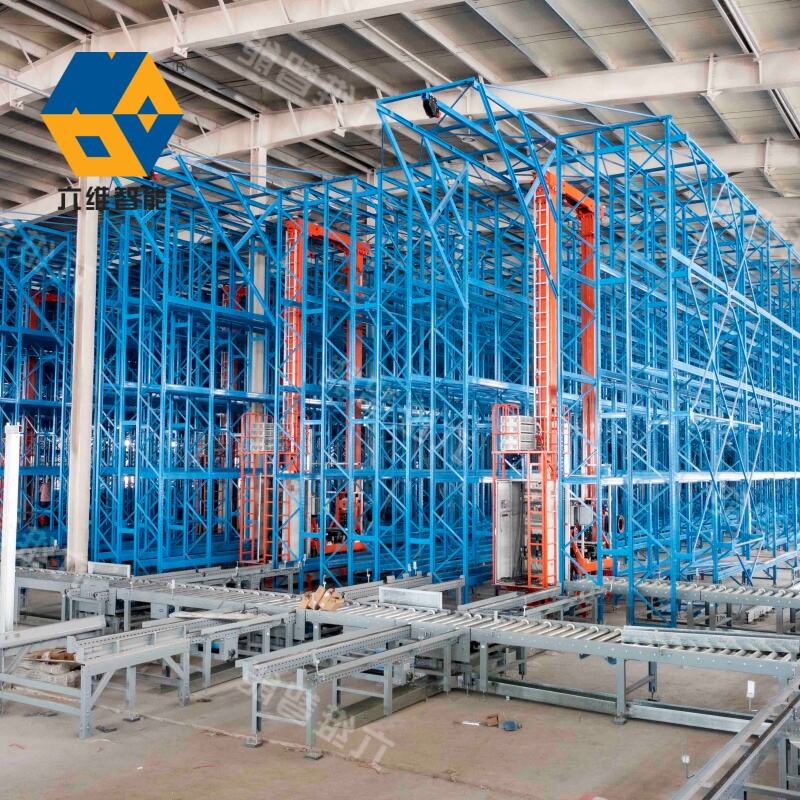
The asrs warehouse management system represents a revolutionary approach to modern storage and logistics operations, combining advanced automation technology with sophisticated software controls to transform how businesses manage their inventory. ASRS, which stands for Automated Storage and Retrieval System, integrates seamlessly with warehouse management platforms to deliver unprecedented efficiency in material handling. This comprehensive solution employs computer-controlled mechanisms that automatically place and retrieve items from designated storage locations with minimal human intervention. The asrs warehouse management system utilizes a combination of hardware components including stacker cranes, conveyors, shuttles, and vertical lift modules, all coordinated through intelligent software that optimizes every movement within the facility. At its core, the system features real-time inventory tracking capabilities that provide instant visibility into stock levels, locations, and movement patterns throughout the warehouse. The technological framework incorporates sensors, barcode scanners, RFID readers, and advanced algorithms that work together to ensure accurate inventory management and rapid order fulfillment. Key functions include automated put-away operations, dynamic storage allocation, intelligent retrieval sequencing, and seamless integration with enterprise resource planning systems. The asrs warehouse management system excels in high-density storage environments where maximizing vertical space utilization is critical. Applications span across diverse industries including e-commerce fulfillment centers, pharmaceutical distribution, automotive parts warehousing, food and beverage cold storage, electronics manufacturing, and retail distribution networks. The system architecture supports various storage configurations such as unit-load systems for palletized goods, mini-load systems for smaller items, carousel systems for parts picking, and vertical lift modules for compact storage solutions. Modern implementations incorporate artificial intelligence and machine learning capabilities that continuously optimize storage strategies based on historical data and predictive analytics. The asrs warehouse management system delivers measurable improvements in operational accuracy, labor productivity, space utilization, and order processing speed while reducing operational costs and improving workplace safety standards throughout the facility.


New Product Releases

Implementing an asrs warehouse management system delivers transformative benefits that directly impact your bottom line and operational capabilities. First and foremost, you gain dramatic improvements in storage capacity without expanding your physical footprint. The system maximizes vertical space utilization, often doubling or tripling storage density compared to traditional warehousing methods. This means you store significantly more inventory in the same square footage, reducing expensive real estate costs and delaying or eliminating the need for facility expansion. Your labor costs decrease substantially as automation handles repetitive tasks that previously required multiple workers. The system operates continuously without breaks, fatigue, or scheduling limitations, providing consistent productivity around the clock. You redirect your workforce toward higher-value activities like quality control, customer service, and strategic planning rather than manual material handling. Accuracy rates soar to 99.9 percent or higher, virtually eliminating picking errors that lead to customer dissatisfaction, returns, and revenue loss. Every transaction gets tracked precisely through the asrs warehouse management system, creating reliable inventory records that support better business decisions. Your order fulfillment speed accelerates dramatically, with retrieval times measured in seconds rather than minutes. Customers receive their orders faster, improving satisfaction and competitive positioning in markets where delivery speed matters. The system adapts dynamically to demand fluctuations, scaling operations up or down without hiring or training additional staff. You gain enhanced inventory visibility with real-time data showing exactly what you have, where it sits, and how quickly it moves. This transparency enables just-in-time inventory strategies that reduce carrying costs and minimize capital tied up in excess stock. Safety improvements protect your workforce by reducing manual lifting, minimizing forklift traffic, and eliminating many common warehouse hazards. Workers experience fewer injuries, reducing insurance costs and maintaining experienced team members. The asrs warehouse management system integrates smoothly with your existing business systems, sharing data seamlessly with order management, accounting, and customer relationship platforms. You make informed decisions based on comprehensive analytics that reveal operational patterns, identify bottlenecks, and suggest optimization opportunities. Energy efficiency improves as automated systems use power more strategically than conventional warehouse operations with extensive lighting and climate control needs. The system pays for itself through cumulative savings in labor, space, accuracy improvements, and productivity gains, typically achieving return on investment within three to five years. Your business gains scalability and flexibility to handle growth without proportional increases in operational complexity or costs, positioning you for sustainable long-term success in competitive markets.

Practical Tips

How Do Heavy Duty Rack Structures Improve Warehouse Safety?

20

May

How Do Heavy Duty Rack Structures Improve Warehouse Safety?

Warehouse safety is not an accidental outcome — it is the direct result of thoughtful infrastructure decisions. Among the most impactful of those decisions is the choice to invest in a properly engineered heavy duty rack system. These structures are ...
View More
Which Heavy Duty Rack Configurations Suit Different Industries?

20

May

Which Heavy Duty Rack Configurations Suit Different Industries?

Choosing the right heavy duty rack configuration is one of the most consequential decisions a warehouse manager or operations director can make. The wrong choice leads to wasted floor space, inefficient picking workflows, and safety risks that compou...
View More
How Can a Shuttle Rack Improve Inventory Management Efficiency?

16

Mar

How Can a Shuttle Rack Improve Inventory Management Efficiency?

Modern warehouses face unprecedented challenges in managing inventory efficiently while maximizing storage capacity. Traditional storage systems often fall short of meeting the demands of high-density storage requirements and rapid inventory turnover...
View More
What Are Essential Safety Tips for Installing a Steel Platform?

16

Mar

What Are Essential Safety Tips for Installing a Steel Platform?

Industrial facilities worldwide rely on steel platforms to maximize vertical storage space and improve operational efficiency. These robust structures serve as elevated work areas, storage solutions, and access points in warehouses, manufacturing pla...
View More

Get a Free Quote

Our representative will contact you soon.
Email
Name
Company Name
Message
0/1000

asrs warehouse management system

Exceptional Space Optimization Through Intelligent Vertical Storage

Exceptional Space Optimization Through Intelligent Vertical Storage

The asrs warehouse management system revolutionizes how businesses approach facility space utilization by leveraging sophisticated vertical storage strategies that dramatically increase capacity within existing buildings. Traditional warehousing typically wastes valuable cubic space because human workers and forklifts require wide aisles and can only reach limited heights safely. In contrast, the automated nature of an asrs warehouse management system eliminates these constraints entirely. The technology deploys narrow-aisle configurations where automated retrieval machines operate in spaces as tight as four feet wide, compared to twelve-foot aisles required for forklift navigation. Storage racks extend upward to building ceiling heights of thirty feet or more, accessing every inch of available vertical space that remains unused in conventional operations. This vertical expansion translates directly into quantifiable business value. Companies routinely achieve storage density improvements of 200 to 400 percent when transitioning from manual systems to an asrs warehouse management system. A facility that previously held 10,000 pallet positions suddenly accommodates 30,000 or more positions without construction or expansion. The financial implications prove substantial, as commercial real estate costs continue rising in logistics-favorable locations. By maximizing existing space, businesses defer or completely avoid multimillion-dollar facility expansion projects. The system employs intelligent algorithms that continuously optimize storage locations based on product velocity, seasonal demand patterns, and order frequency. Fast-moving items position themselves near retrieval points for quickest access, while slower inventory occupies deeper storage zones. This dynamic repositioning happens automatically within the asrs warehouse management system without manual intervention or disruption to operations. The space efficiency extends beyond simple density metrics to include better organization and accessibility. Every item occupies a precisely defined location tracked within the system database, eliminating lost inventory and the need for extensive searching. Climate-controlled environments benefit particularly from this efficiency, as minimizing facility volume reduces expensive heating or cooling costs substantially. Cold storage operations for pharmaceuticals or food products achieve remarkable energy savings when the asrs warehouse management system concentrates inventory into smaller, well-utilized spaces rather than sprawling warehouse floors. The compact footprint also reduces the physical distance materials travel during operations, cutting cycle times and energy consumption associated with movement. Businesses gain flexibility to repurpose freed floor space for value-added activities like kitting, light assembly, quality inspection, or returns processing rather than passive storage.
Unprecedented Accuracy and Inventory Control Excellence

Unprecedented Accuracy and Inventory Control Excellence

The asrs warehouse management system establishes new standards for operational precision that fundamentally transform inventory management reliability and business confidence. Traditional warehouse operations depend heavily on human accuracy, which inevitably introduces errors despite best efforts and training. Manual picking typically achieves 98 to 99 percent accuracy rates, which sounds impressive until you calculate the impact. In a facility processing 10,000 orders daily, a 99 percent accuracy rate means 100 incorrect shipments each day, leading to customer complaints, return shipping costs, restocking labor, and damaged reputation. The asrs warehouse management system elevates accuracy to 99.9 percent or higher by removing human variability from material handling processes. Automated mechanisms retrieve exactly the items requested by the system software, eliminating picking mistakes caused by similar-looking products, unclear labeling, or worker fatigue. Barcode scanning and RFID technology verify every transaction automatically, creating audit trails that track each item movement with timestamp precision. This verification happens instantaneously as part of normal operations rather than requiring separate quality checks. The resulting inventory data integrity provides business leaders with confidence to make strategic decisions based on system information. You know definitively what inventory you possess, where each item resides, and accurate stock levels at any moment. This reliability eliminates safety stock buffers that companies traditionally maintain to compensate for uncertainty about actual inventory quantities. Reducing buffer stock frees working capital and warehouse space for productive purposes rather than insurance against data inaccuracy. The asrs warehouse management system creates complete traceability for regulated industries where documentation requirements are stringent. Pharmaceutical companies track medications through every handling step, food distributors maintain cold chain custody records, and aerospace manufacturers document component histories as required by safety regulations. Automated systems generate this documentation naturally as part of operational processes without additional manual recordkeeping. Cycle counting becomes simpler and more accurate as well, with the system continuously verifying inventory through normal transactions rather than requiring disruptive physical counts. Discrepancies get flagged immediately for investigation rather than accumulating unnoticed until annual inventory audits reveal major variances. First-in-first-out rotation happens systematically for perishable goods, with the asrs warehouse management system automatically selecting oldest stock for retrieval to minimize spoilage and waste. Lot tracking capabilities support recalls by identifying exactly which customers received specific production batches within minutes rather than days of manual research. The accuracy advantages compound over time as reliable data enables better demand forecasting, smarter purchasing decisions, and optimized stock level calculations that balance availability against carrying costs effectively.
Remarkable Labor Productivity and Operational Consistency

Remarkable Labor Productivity and Operational Consistency

The asrs warehouse management system delivers transformative improvements in workforce productivity and operational reliability that create sustainable competitive advantages in labor-intensive logistics markets. Warehouse operations traditionally require substantial manual effort for receiving, put-away, picking, packing, and shipping activities. Workers spend considerable time walking between storage locations, reaching for items, operating material handling equipment, and performing repetitive physical tasks. Time studies consistently show that manual pickers spend only 30 to 40 percent of their shifts actually selecting products, with remaining time consumed by travel, searching, and unproductive activities. The asrs warehouse management system fundamentally restructures this workflow by bringing items directly to workers at ergonomic workstations rather than sending workers into storage areas. Automated retrieval mechanisms deliver requested items within seconds, presenting them at comfortable working heights that eliminate bending, stretching, and climbing. Productivity per worker increases by 200 to 400 percent as they focus exclusively on value-adding verification and packing tasks rather than material transport. This efficiency multiplication allows businesses to process dramatically higher order volumes with equivalent or smaller workforces. Labor cost per unit shipped decreases substantially, improving margins and competitive pricing capabilities. The system operates with perfect consistency regardless of time, day, or external factors. Unlike human workers who experience fatigue, distraction, or performance variation, the asrs warehouse management system maintains identical operational speed and accuracy throughout continuous operation. Night shifts perform exactly like day shifts without productivity degradation. Holiday periods proceed smoothly without the scheduling challenges and premium labor costs associated with temporary workers. This consistency enables reliable delivery promises to customers backed by predictable fulfillment capabilities. Businesses schedule operations confidently knowing system performance remains stable. The asrs warehouse management system also addresses workforce challenges that increasingly affect logistics operations. Labor shortages in warehouse markets make recruitment difficult and expensive. Automated systems reduce dependence on large workforces, minimizing exposure to tight labor markets and wage inflation. Workplace safety improves dramatically as automation eliminates many injury risks associated with manual material handling. Fewer workers suffer strains, falls, or equipment accidents, reducing workers compensation insurance costs and maintaining experienced team members. Remaining workers focus on skilled technical roles operating and maintaining sophisticated systems rather than physically demanding manual tasks. Job quality improves, supporting better retention and easier recruitment of qualified personnel. Training requirements decrease as workers interact with standardized software interfaces rather than learning complex warehouse layouts and product locations. New employees become productive quickly through simplified workflows supported by the asrs warehouse management system. The technology scales operations smoothly to accommodate business growth without proportional workforce expansion, enabling rapid response to market opportunities without recruitment constraints.

Get a Free Quote

Our representative will contact you soon.
Email
Name
Company Name
Message
0/1000

Get a Free Quote

Our representative will contact you soon.
Email
Name
Company Name
Message
0/1000