Heavy Duty Rack System: Industrial Storage Solutions for Maximum Warehouse Efficiency

All Categories

Get a Free Quote

Our representative will contact you soon.
Email
Name
Company Name
Message
0/1000

heavy duty rack system

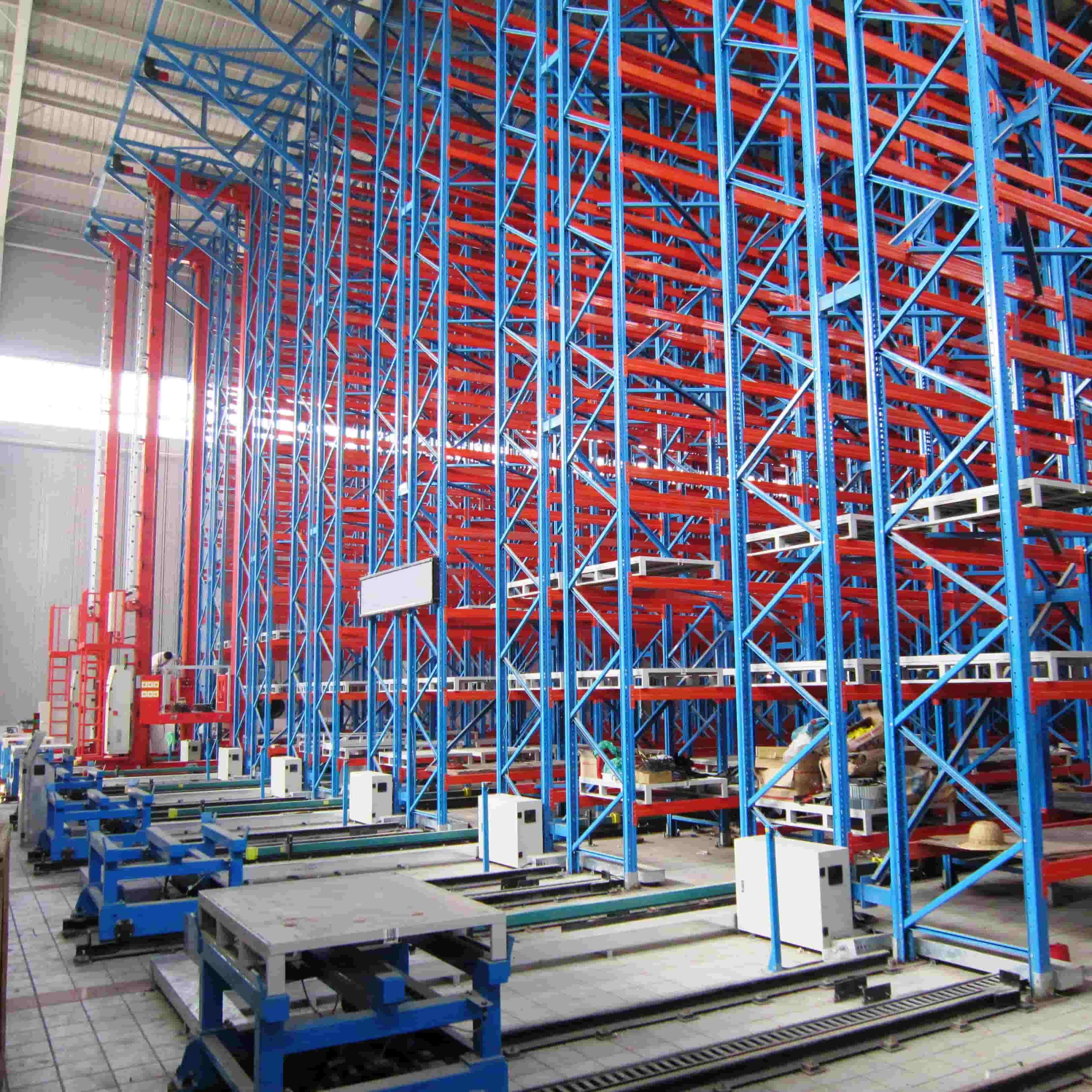
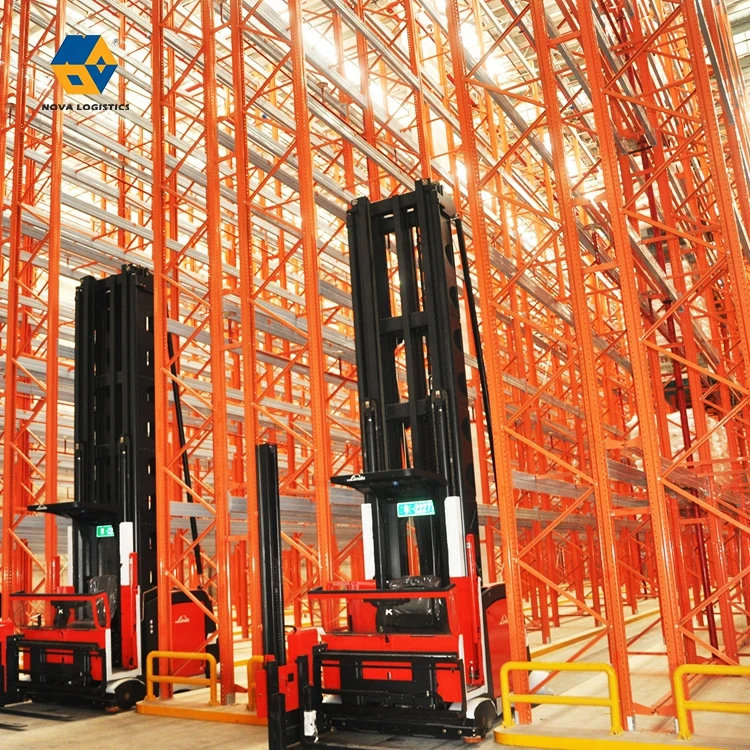
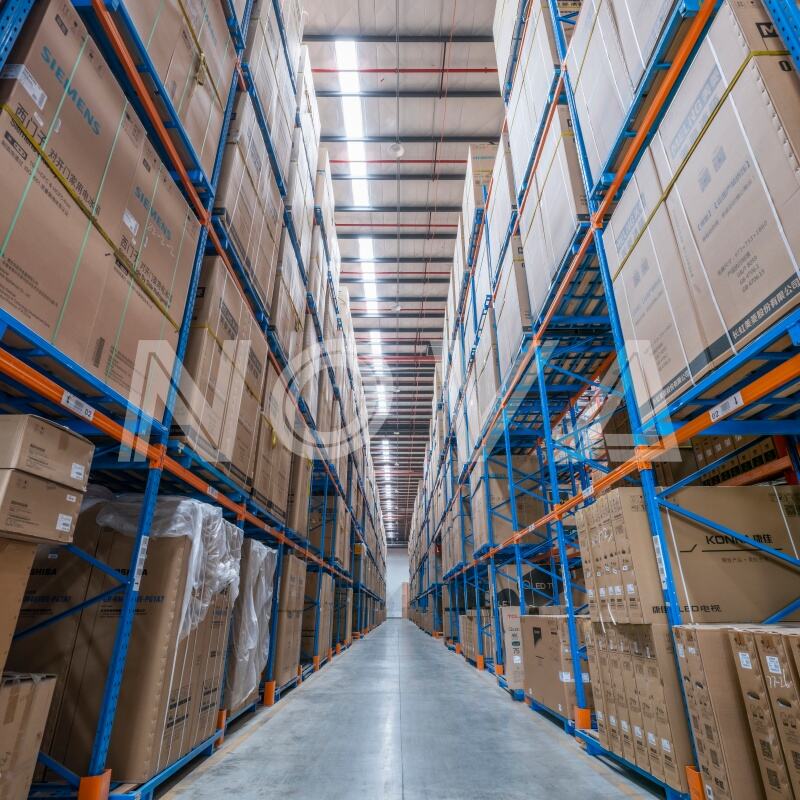
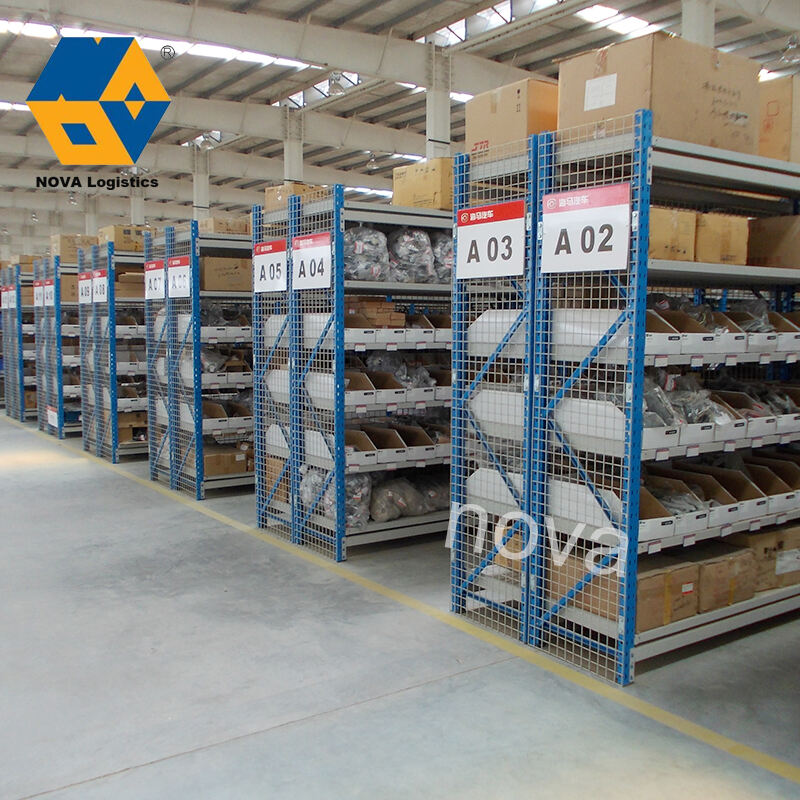
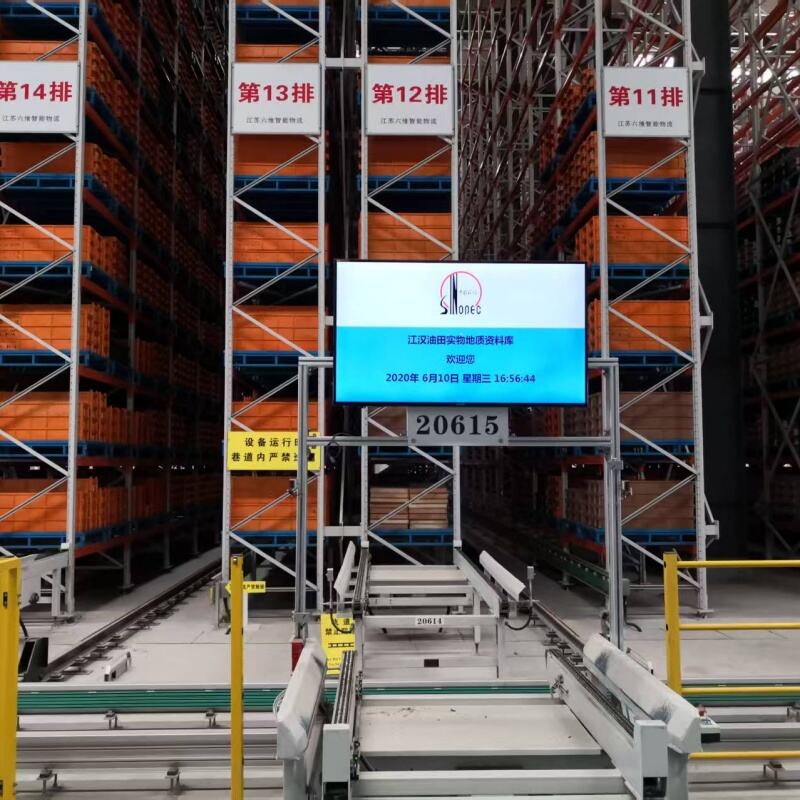
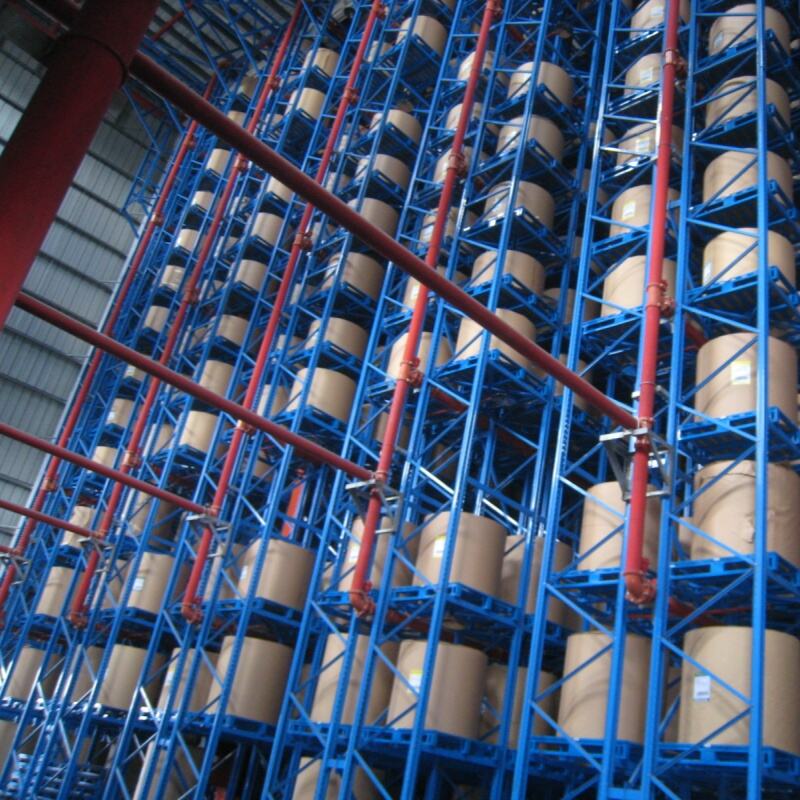
The heavy duty rack system represents a comprehensive storage solution engineered to handle substantial weight loads while maximizing warehouse space efficiency. This industrial-grade infrastructure serves as the backbone of modern warehouse operations, designed specifically for businesses requiring robust storage capabilities for bulky items, palletized goods, and materials with significant weight parameters. The heavy duty rack system integrates advanced structural engineering principles with practical functionality, enabling organizations to store products vertically and optimize their facility footprint. These systems typically feature steel construction with reinforced beams and uprights capable of supporting loads ranging from several hundred to thousands of kilograms per level. The modular design allows for customization based on specific operational requirements, accommodating various pallet sizes, product dimensions, and access patterns. Core functions include efficient space utilization through vertical stacking, systematic inventory organization for improved tracking, and facilitated material handling operations using forklifts and other warehouse equipment. Technological features incorporate precision-engineered locking mechanisms that secure beams to uprights, powder-coated finishes that resist corrosion and environmental damage, and adjustable beam levels that adapt to changing inventory profiles. The heavy duty rack system finds extensive applications across multiple industries including manufacturing facilities, distribution centers, retail warehouses, cold storage operations, automotive parts suppliers, and e-commerce fulfillment centers. These installations support diverse product categories from raw materials and finished goods to seasonal merchandise and long-term archived inventory. The system architecture promotes safety through load distribution calculations, seismic considerations in earthquake-prone regions, and compliance with international storage standards. Implementation of a heavy duty rack system transforms chaotic storage environments into organized, accessible, and efficient operations that directly impact bottom-line performance through reduced retrieval times, minimized product damage, and enhanced workforce productivity.

New Products

Implementing a heavy duty rack system delivers transformative benefits that directly enhance your warehouse operations and profitability. First and foremost, these systems dramatically increase your storage capacity without requiring expensive building expansions. By utilizing vertical space that typically goes unused, you can store three to four times more inventory within the same floor area, effectively multiplying your facility's capability without additional real estate costs. This vertical approach means you maximize every square meter of your existing warehouse, translating to substantial savings on rent, utilities, and property taxes. The organizational benefits prove equally valuable as the heavy duty rack system creates clearly defined storage locations for every product. Your team spends less time searching for items and more time fulfilling orders, which accelerates order processing speeds and improves customer satisfaction. The structured layout enables systematic inventory management where products move efficiently through your facility following first-in-first-out principles, reducing obsolescence and waste. Safety improvements represent another critical advantage as properly installed heavy duty rack systems eliminate haphazard stacking practices that create hazardous working conditions. The engineered load capacities ensure stability, while the organized structure reduces accidents caused by falling merchandise or unstable piles. Your insurance premiums may decrease when you demonstrate commitment to workplace safety through professional storage infrastructure. Financial returns become evident through reduced labor costs since workers locate and retrieve products faster, completing more tasks during their shifts. The durability of quality heavy duty rack systems means your investment lasts decades with minimal maintenance, unlike makeshift storage solutions requiring frequent repairs or replacements. Flexibility stands out as these systems adapt to your evolving business needs through adjustable configurations that accommodate new product lines, seasonal inventory fluctuations, or operational strategy changes. You avoid obsolescence as the modular components reconfigure easily without purchasing entirely new systems. The professional appearance of organized warehouse space also impresses customers, partners, and potential investors who visit your facility, reinforcing your brand image as an efficient, professional operation. Product protection improves significantly as items rest securely on designated levels rather than sitting on floors where they risk moisture damage, pest infestation, or accidental impacts from material handling equipment. The elevated storage positions maintain product quality and reduce shrinkage from damage, directly protecting your inventory investment. Operational efficiency gains extend to inventory accuracy as the defined locations simplify cycle counting and stocktaking procedures, ensuring your management systems reflect actual stock levels. This accuracy prevents costly situations like promising products to customers that you cannot fulfill or maintaining excessive safety stock due to uncertainty about actual inventory positions.

Tips And Tricks

Which Pallet Rack Designs Fit Different Warehouse Applications Best?

20

May

Which Pallet Rack Designs Fit Different Warehouse Applications Best?

Selecting the right pallet rack design is one of the most consequential decisions a warehouse manager or logistics planner can make. The wrong configuration leads to wasted vertical space, inefficient picking workflows, and even serious safety risks....
View More
How Do You Choose the Right Longspan Rack for Changing Inventory Types?

13

Jan

How Do You Choose the Right Longspan Rack for Changing Inventory Types?

Modern warehouses face constant challenges in adapting their storage systems to accommodate varying inventory types and fluctuating stock levels. A longspan rack system offers the versatility and adaptability needed to handle these dynamic requiremen...
View More
How Automated Storage and Retrieval Systems Enhance Inventory Accuracy

05

Feb

How Automated Storage and Retrieval Systems Enhance Inventory Accuracy

Modern warehouses face unprecedented challenges in maintaining accurate inventory levels while managing increasing order volumes and customer expectations. Traditional manual tracking methods have become insufficient for businesses seeking competitiv...
View More
How Can Automated Storage Systems Boost Supply Chain Performance?

05

Feb

How Can Automated Storage Systems Boost Supply Chain Performance?

Modern supply chains face unprecedented challenges in managing inventory, reducing costs, and maintaining operational efficiency. Companies worldwide are turning to advanced warehouse automation technologies to address these growing demands. An autom...
View More

Get a Free Quote

Our representative will contact you soon.
Email
Name
Company Name
Message
0/1000

heavy duty rack system

Exceptional Load Capacity Engineering for Maximum Storage Efficiency

Exceptional Load Capacity Engineering for Maximum Storage Efficiency

The structural engineering behind heavy duty rack systems delivers unparalleled load-bearing capabilities that transform how businesses store their most substantial inventory items. Each component undergoes rigorous testing and calculation to ensure it safely supports the specified weight ratings, with typical configurations handling between 1000 to 4000 kilograms per beam level depending on the design parameters and beam dimensions. This exceptional capacity stems from high-grade steel manufacturing processes that create uprights and beams with optimal strength-to-weight ratios, incorporating cold-rolled steel sections that maintain structural integrity under continuous loading over extended periods. The beam construction employs box profiles or step designs that distribute weight evenly across the span, preventing sagging or deformation even when loaded to maximum capacity with dense products like metal components, construction materials, or bulk packaged goods. Upright frames feature robust column designs with strategic perforation patterns that reduce material usage while maintaining strength, and these perforations serve the dual purpose of weight reduction and providing adjustment points for beam positioning at 50 or 75 millimeter increments. The connection points between beams and uprights represent critical engineering elements, utilizing safety locking pins or bolts that prevent accidental beam displacement during loading operations or seismic events. This exceptional load capacity translates directly to practical benefits for warehouse operators who need confidence that their storage infrastructure will reliably support their inventory without catastrophic failures that endanger workers or damage products. The heavy duty rack system capacity extends beyond simple weight ratings to encompass dynamic loading considerations, accounting for the impact forces generated when forklifts place pallets onto beams, which can momentarily exceed static weight limits. Quality manufacturers conduct finite element analysis during design phases to model stress distribution patterns and identify potential weak points before production begins. The resulting systems incorporate safety factors that provide capacity margins above stated ratings, ensuring real-world performance exceeds minimum specifications. This engineering excellence enables businesses to confidently store their heaviest items on upper levels, maximizing vertical space utilization without compromising safety protocols. The capacity advantages prove particularly valuable for industries like automotive manufacturing where component weights vary significantly, or building material suppliers storing products like roofing materials, flooring, and hardware that combine substantial weight with irregular dimensions requiring specialized support configurations.
Flexible Modular Design Adapting to Evolving Business Requirements

Flexible Modular Design Adapting to Evolving Business Requirements

The modular architecture of heavy duty rack systems provides businesses with extraordinary flexibility to adapt their storage infrastructure as operational needs evolve without incurring prohibitive costs or disruption to ongoing activities. Unlike fixed shelving or permanent structures, these systems consist of interchangeable components that reconfigure, expand, or reconfigure to accommodate new product lines, changing inventory mixes, or strategic business pivots that alter storage requirements. The fundamental modularity begins with standardized upright frames available in various heights from 3 meters to 12 meters or more, allowing vertical customization based on building clearances and the desired number of storage levels. Beam lengths typically range from 1800 millimeters to 3600 millimeters in standard increments, with custom lengths available for specialized applications, enabling businesses to create storage bays matching their pallet dimensions or product footprints precisely. This dimensional flexibility means the heavy duty rack system adapts to your inventory rather than forcing you to modify packaging or handling procedures to fit predetermined storage dimensions. The adjustment capability extends to beam level positioning, with tool-free or simple bolt adjustments allowing warehouse teams to change vertical spacing between levels as product heights change, accommodating seasonal merchandise variations or new supplier packaging without requiring professional installers or specialized equipment. Expansion possibilities prove equally straightforward as additional bays attach to existing structures by sharing upright frames, reducing component requirements and costs while maintaining structural continuity throughout the installation. Businesses experiencing growth simply purchase additional frames and beams, extending their storage capacity incrementally as budget and space allow rather than facing large capital expenditures for complete system replacements. The modular concept accommodates accessory integration including wire decking for supporting smaller items, pallet supports for damaged pallet bases, backstops preventing pallets from pushing through rear positions, and column protectors safeguarding uprights from forklift impacts. These accessories attach to standard components without modifications, allowing operational enhancements as handling procedures evolve or safety assessments identify improvement opportunities. Reconfiguration flexibility proves invaluable during facility reorganizations when workflow optimization projects require storage zone relocations or when companies relocate to new facilities and transport their heavy duty rack system components for reinstallation at the new location. This portability protects the initial investment and eliminates the waste associated with abandoning fixed infrastructure. The standardization across quality manufacturers means components from different suppliers often integrate seamlessly, providing sourcing flexibility and preventing vendor lock-in situations where businesses face monopoly pricing for expansion components or replacement parts.
Enhanced Safety Features Protecting Workforce and Inventory Assets

Enhanced Safety Features Protecting Workforce and Inventory Assets

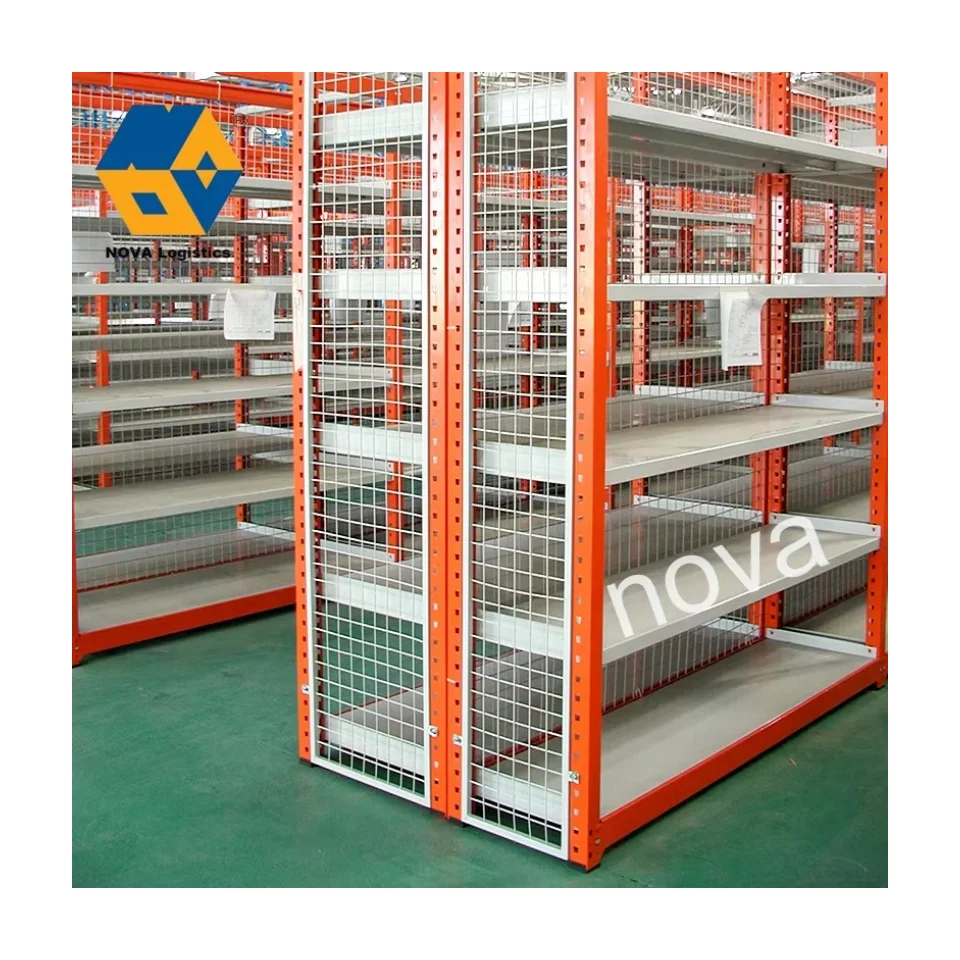
Safety considerations permeate every aspect of heavy duty rack system design and implementation, creating storage environments that protect both warehouse personnel and valuable inventory from accidents, damage, and operational hazards. The comprehensive safety approach begins with structural stability calculations that account for seismic activity in earthquake-prone regions, incorporating base plates with appropriate floor anchoring specifications that prevent system movement during ground motion events. Engineers analyze load distribution patterns to ensure weight concentrations do not create tipping hazards, calculating the relationship between loaded heights and base dimensions to maintain safe stability ratios under all operational conditions. The beam-to-upright connections incorporate positive locking mechanisms that prevent accidental beam dislodgement, with safety clips or pins that require deliberate action to remove, ensuring beams remain securely positioned even if impacted by material handling equipment during normal operations. Column protectors manufactured from high-visibility painted steel or heavy-duty polymer materials shield upright frames from forklift collisions that represent the most common cause of rack damage in busy warehouse environments. These guards absorb impact energy that would otherwise deform structural members, maintaining system integrity throughout years of intensive use. The heavy duty rack system safety features extend to load capacity labeling, with permanent markers displaying maximum weights per level and per bay, providing clear guidance to warehouse staff regarding safe loading limits and preventing overloading situations that compromise structural stability. Floor marking complements the rack installation by defining travel aisles, restricting vehicle speeds near storage areas, and establishing safe clearance zones around rack structures. Many facilities implement additional safety measures including rack inspection programs where qualified personnel examine installations quarterly or annually, documenting damage, verifying anchor integrity, and confirming plumbness tolerances remain within acceptable parameters. Mesh backing or netting prevents items from falling through rear openings into adjacent aisles or work areas, addressing hazards in double-deep configurations or back-to-back installations where products might otherwise create dangerous situations for workers in neighboring zones. The organized storage approach inherent to heavy duty rack systems eliminates unsafe practices like floor stacking where unstable piles create crushing hazards or block emergency egress routes during evacuation scenarios. Fire safety improves through defined spacing between storage positions that facilitates sprinkler system water penetration and prevents fire spread between inventory sections, with rack configurations designed to comply with fire marshal requirements and insurance underwriter specifications for combustible material storage.

Get a Free Quote

Our representative will contact you soon.
Email
Name
Company Name
Message
0/1000

Get a Free Quote

Our representative will contact you soon.
Email
Name
Company Name
Message
0/1000