Durabilitate superioară și menținere pe termen lung a valorii
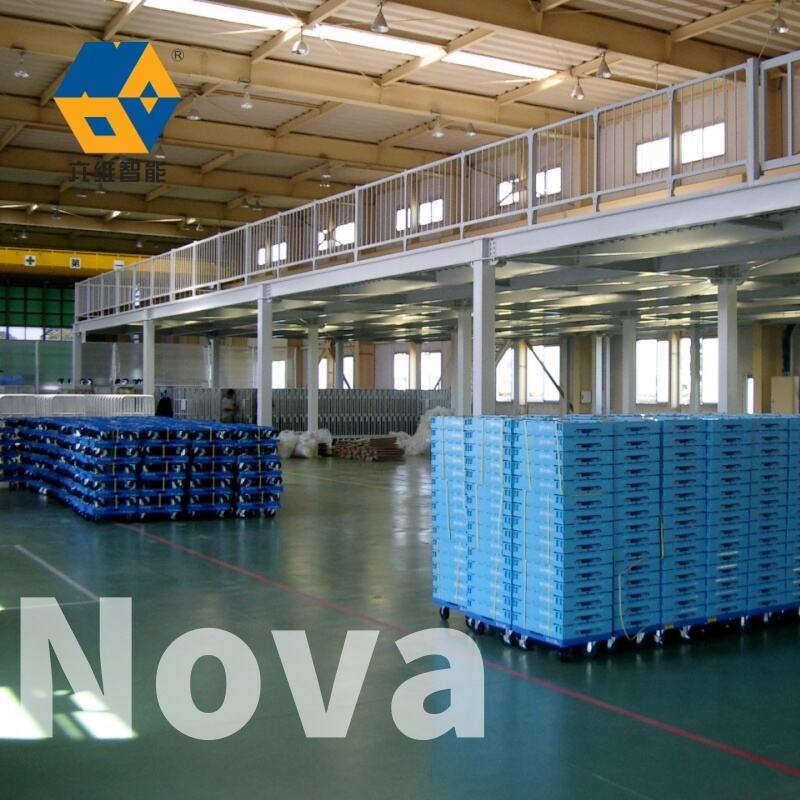
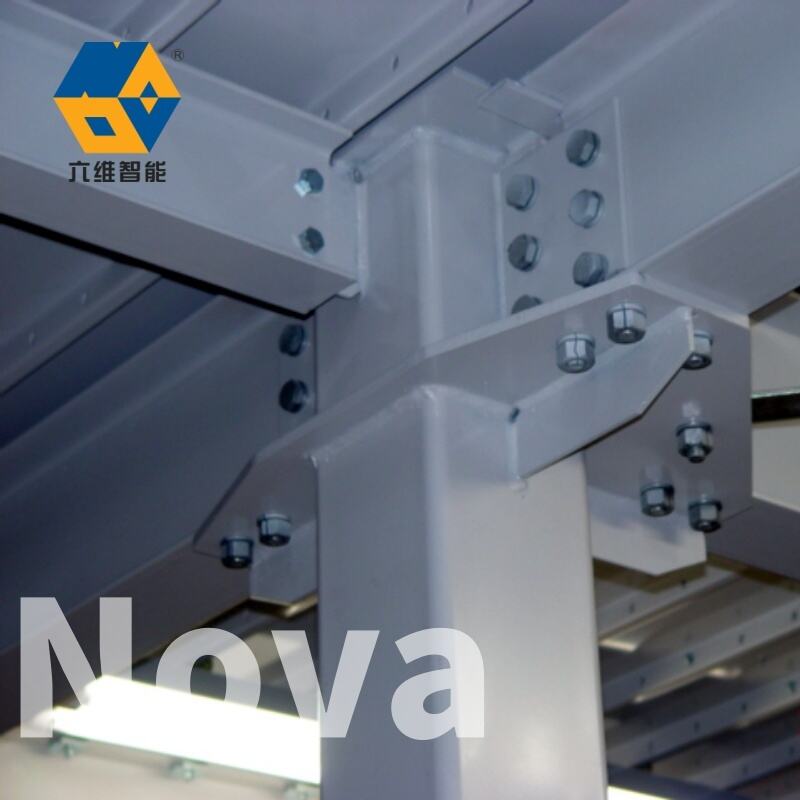
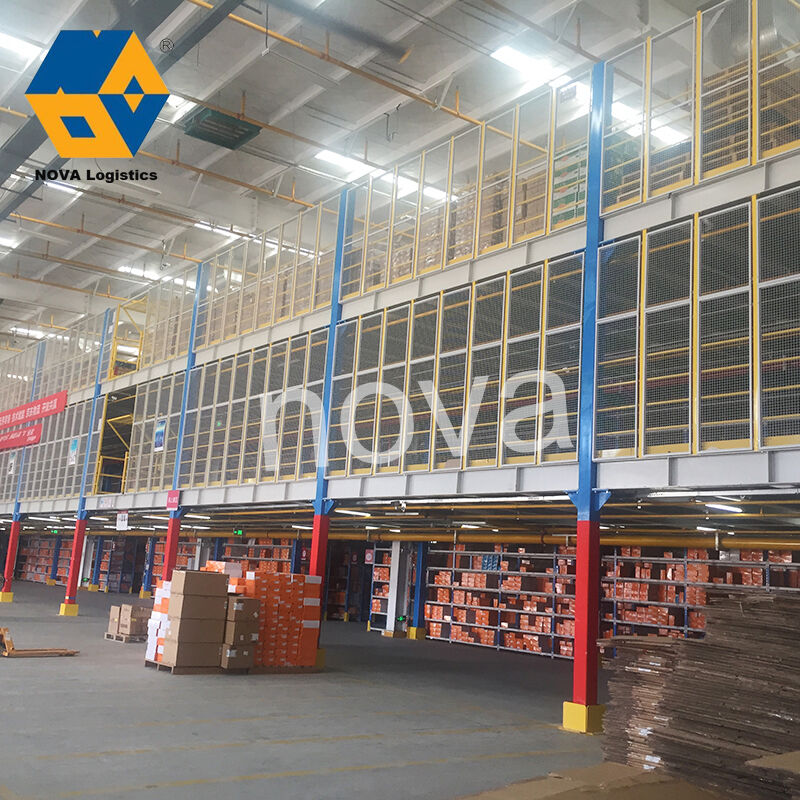
Mezaninul metalic reprezintă o investiție durabilă în capital, construit din componente de oțel structural de înaltă calitate, proiectate pentru a oferi decenii de funcționare fiabilă în condiții industriale exigente, păstrând în același timp atracția estetică și performanța funcțională cu un minim de intervenții de întreținere. Selecția materialelor premium începe cu grinzile și stâlpii din oțel laminat la cald, care sunt supuși unor teste riguroase de control al calității pentru a verifica caracteristicile de rezistență, precizia dimensională și omogenitatea materialului, astfel încât să îndeplinească sau să depășească standardele industriale aplicabile structurilor. Procesul de fabricație include tehnici de tăiere, găurire și prelucrare de precizie, realizate cu echipamente computerizate, care asigură respectarea exactă a specificațiilor și o potrivire corectă în timpul montajului pe teren, eliminând problemele legate de toleranțe care afectează structurile sudate pe teren și contribuind astfel la integritatea generală a sistemului. Pregătirea suprafeței și finisarea reprezintă factori critici de calitate; producătorii reputați de mezanine metalice aplică o vopsire în pulbere de tip industrial, care creează un finisaj durabil și estetic, rezistent la ciupire, zgârieturi, decolorare și coroziune, chiar și în medii dificile caracterizate de fluctuații de temperatură, umiditate sau expunere la substanțe chimice. Acest strat protector elimină necesitatea vopsirii periodice și costurile aferente, menținând în același timp un aspect profesional pe întreaga durată de viață a structurii, sprijinind imaginea corporativă și mândria angajaților în cadrul locului de muncă. Mezaninul metalic rezistă solicitărilor zilnice ale mediului industrial, inclusiv traficului de cărucioare cu platformă ridicătoare, operării echipamentelor grele, traficului intens de persoane și încărcărilor dinamice generate de activitățile de manipulare a materialelor, fără degradare sau compromiterea integrității structurale, atunci când este proiectat corespunzător pentru aplicațiile prevăzute. Caracteristicile de siguranță integrate în sistemele de calitate ale mezaninelor metalice includ balustrade, balustrade de protecție, plăci de protecție la baza elementelor verticale (kickplates) și scări conforme cu reglementările în vigoare, toate fabricate din materiale identice și cu finisaj uniform, asigurând o armonie vizuală coerentă, în timp ce oferă protecția esențială a lucrătorilor și conformitatea cu reglementările. Filosofia de proiectare modulară care stă la baza construcției moderne a mezaninelor metalice oferă o adaptabilitate excepțională, deoarece componentele pot fi adăugate, eliminate sau reconfigurate pentru a răspunde cerințelor în continuă schimbare ale afacerii, fără a fi necesară înlocuirea integrală a sistemului, asigurând astfel o protecție eficientă a investiției față de evoluția operațională. Piețele secundare pentru mezaninele metalice folosite rămân solide datorită aplicabilității universale și calității ridicate a construcției, permițând companiilor să recupereze o valoare semnificativă în cazul în care nevoile se modifică, în timp ce varianta alternativă de relocare a sistemului într-o nouă unitate protejează întreaga investiție în capital, spre deosebire de construcțiile permanente, care nu oferă nicio posibilitate de recuperare.

 EN
EN