Automated Order Picking Systems - Advanced Warehouse Automation Solutions for Efficient Fulfillment

All Categories

Get a Free Quote

Our representative will contact you soon.
Email
Name
Company Name
Message
0/1000

automated order picking systems

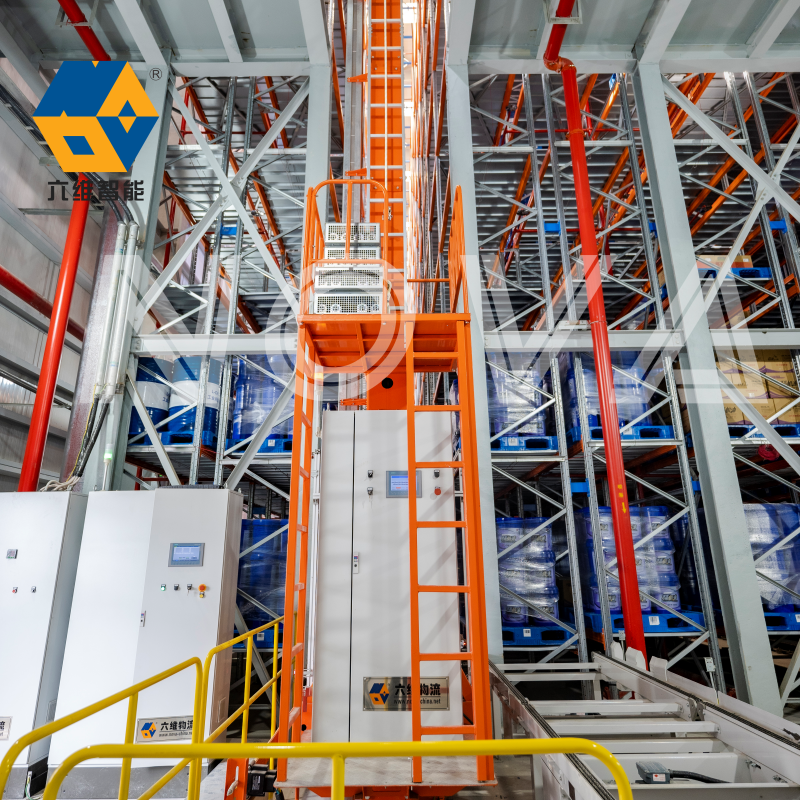
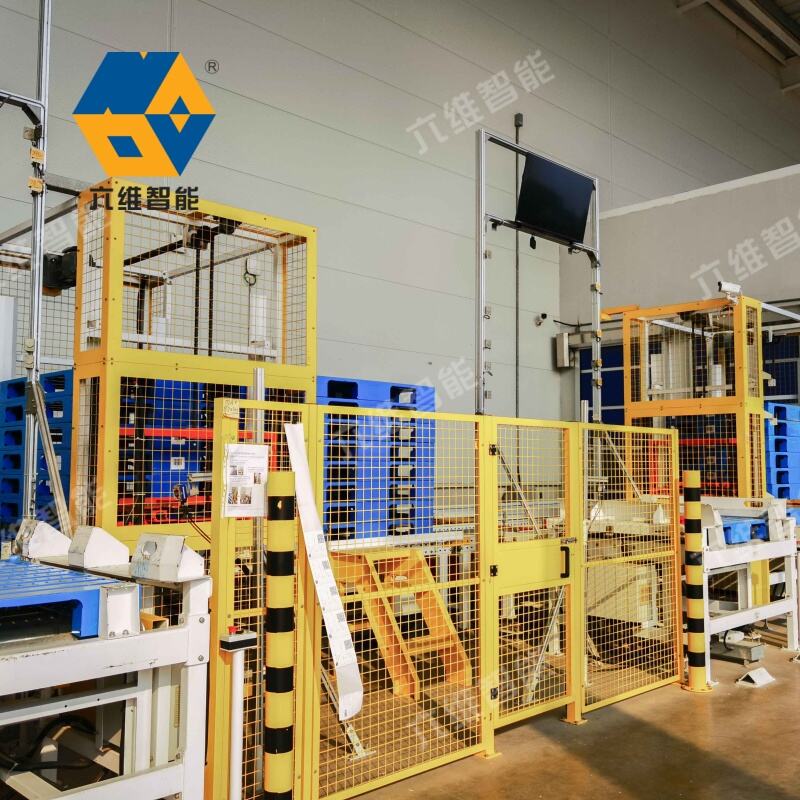
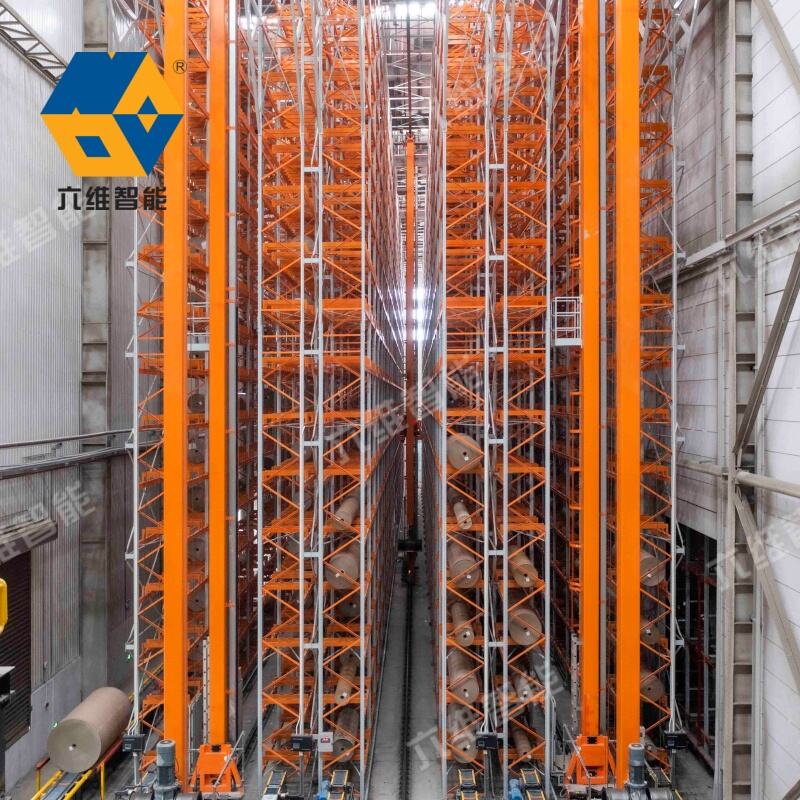
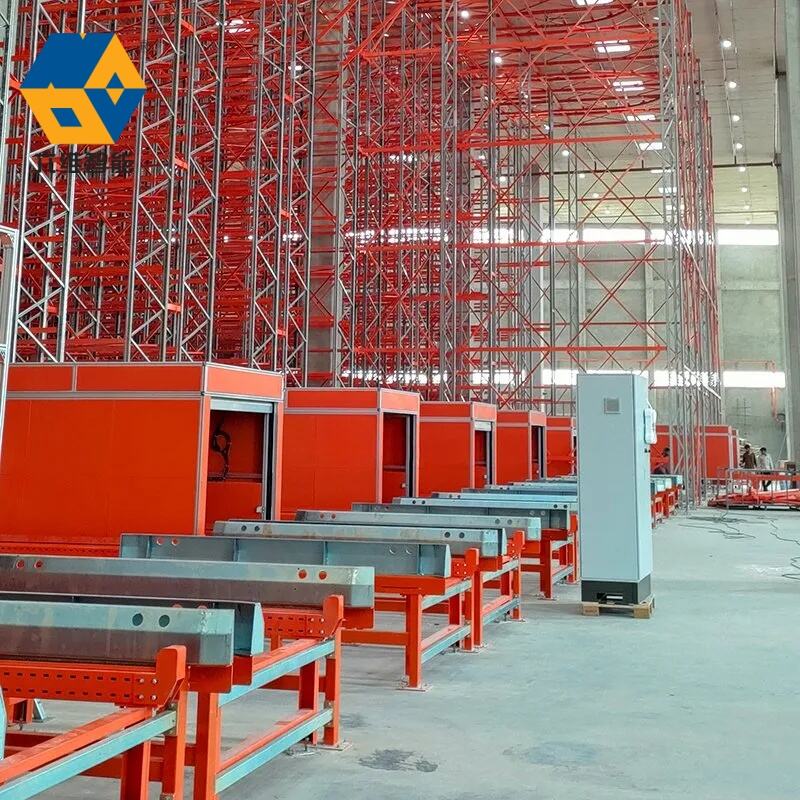
Automated order picking systems represent a transformative solution for modern warehouses and distribution centers seeking to optimize their fulfillment operations. These sophisticated systems combine advanced robotics, intelligent software, and cutting-edge sensor technology to streamline the process of selecting and retrieving products from storage locations. At their core, automated order picking systems eliminate manual labor from repetitive tasks while dramatically improving accuracy and speed. The main functions of these systems include identifying product locations through integrated warehouse management software, navigating storage facilities autonomously, retrieving items with precision, and delivering them to packing stations or consolidation areas. Technological features encompass machine learning algorithms that optimize picking routes, computer vision systems for product identification, robotic arms with adaptive gripping capabilities, and real-time inventory tracking through RFID or barcode scanning. Many automated order picking systems utilize autonomous mobile robots that can work collaboratively with human workers or operate independently during off-peak hours. The integration of artificial intelligence enables these systems to learn from operational patterns and continuously improve efficiency. Cloud-based control platforms provide managers with comprehensive visibility into system performance, allowing for data-driven decision making and rapid adjustments to changing demand patterns. Applications for automated order picking systems span numerous industries including e-commerce fulfillment centers, retail distribution networks, pharmaceutical warehouses, food and beverage logistics, automotive parts distribution, and third-party logistics providers. These systems excel in environments with high order volumes, diverse product ranges, and stringent accuracy requirements. The scalability of automated order picking systems makes them suitable for both large-scale operations processing thousands of orders daily and mid-sized facilities looking to expand capacity without proportional increases in labor costs. Modern implementations often feature modular designs that allow businesses to start with basic automation and gradually expand capabilities as operational needs evolve.

New Product Recommendations

Businesses implementing automated order picking systems experience substantial improvements in operational efficiency that directly impact their bottom line. The most immediate benefit comes from increased picking speed, with these systems capable of processing orders up to five times faster than traditional manual methods. This acceleration means customers receive their products more quickly, leading to higher satisfaction rates and increased repeat business. The precision of automated order picking systems virtually eliminates picking errors, with accuracy rates typically exceeding 99.9 percent compared to manual picking error rates that can reach 1-3 percent. Fewer mistakes translate to reduced costs associated with returns, replacements, and customer service interventions. Labor optimization represents another significant advantage, as these systems allow companies to redeploy workers from repetitive picking tasks to more valuable activities requiring human judgment and problem-solving skills. The consistent performance of automated order picking systems means businesses can handle peak demand periods without hiring temporary staff or paying overtime wages. Energy efficiency also improves since automated systems can operate in dark warehouses with minimal lighting and heating, reducing utility expenses substantially. The data collection capabilities built into automated order picking systems provide managers with actionable insights into inventory movement patterns, enabling smarter purchasing decisions and reduced holding costs. Space utilization improves dramatically because automated systems can access higher storage levels and navigate narrower aisles than human workers, potentially increasing warehouse capacity by 30-50 percent without facility expansion. Safety benefits should not be overlooked, as removing workers from high-traffic picking areas and eliminating repetitive strain injuries creates a healthier work environment and reduces workers' compensation claims. The consistent output of automated order picking systems makes forecasting and planning more reliable, helping businesses commit to delivery promises with confidence. Return on investment typically occurs within two to four years, after which the ongoing cost savings and productivity gains contribute directly to profitability. Flexibility proves valuable as automated order picking systems can easily adapt to seasonal fluctuations, promotional campaigns, and changing product assortments without extensive retraining or process redesign. The competitive advantage gained through faster, more accurate fulfillment helps businesses win and retain customers in increasingly demanding markets.

Practical Tips

How Can a Mezzanine Improve Workflow and Storage Organization?

13

Jan

How Can a Mezzanine Improve Workflow and Storage Organization?

Modern warehouses face increasing pressure to maximize storage capacity while maintaining efficient workflow operations. A warehouse mezzanine offers an innovative solution that transforms vertical space into valuable storage and operational areas. T...
View More
How Does a Warehouse Mezzanine Increase Storage Capacity Efficiently?

13

Jan

How Does a Warehouse Mezzanine Increase Storage Capacity Efficiently?

Modern warehouse operations face mounting pressure to maximize storage capacity without expanding their physical footprint. A warehouse mezzanine represents one of the most effective solutions for increasing storage density while maintaining operatio...
View More
How Automated Storage and Retrieval Systems Enhance Inventory Accuracy

05

Feb

How Automated Storage and Retrieval Systems Enhance Inventory Accuracy

Modern warehouses face unprecedented challenges in maintaining accurate inventory levels while managing increasing order volumes and customer expectations. Traditional manual tracking methods have become insufficient for businesses seeking competitiv...
View More
What Are Essential Safety Tips for Installing a Steel Platform?

16

Mar

What Are Essential Safety Tips for Installing a Steel Platform?

Industrial facilities worldwide rely on steel platforms to maximize vertical storage space and improve operational efficiency. These robust structures serve as elevated work areas, storage solutions, and access points in warehouses, manufacturing pla...
View More

Get a Free Quote

Our representative will contact you soon.
Email
Name
Company Name
Message
0/1000

automated order picking systems

Seamless Integration with Existing Operations

Seamless Integration with Existing Operations

One of the most compelling aspects of automated order picking systems is their ability to integrate smoothly with existing warehouse management systems and operational workflows without requiring complete facility overhauls. This integration capability allows businesses to modernize their operations incrementally, minimizing disruption to ongoing fulfillment activities and preserving investments in current infrastructure. The systems communicate seamlessly with enterprise resource planning software, inventory management platforms, and transportation management systems through standardized APIs and data exchange protocols. This connectivity ensures that order information flows automatically from customer purchases through picking instructions to shipping manifests without manual data entry or transcription errors. The modular nature of automated order picking systems means companies can begin with a small deployment in one section of their warehouse, validate the benefits, and expand gradually based on performance metrics and budget availability. During the integration process, the systems map existing storage layouts and adapt to current racking configurations rather than demanding costly warehouse reconfiguration. Advanced automated order picking systems feature intuitive control interfaces that warehouse managers can learn quickly, reducing training time and accelerating adoption. The systems maintain detailed audit trails and performance logs that help identify bottlenecks and optimization opportunities across the entire fulfillment chain. Real-time synchronization between automated order picking systems and inventory databases prevents stock-outs and overselling by updating availability instantly as items are picked. The integration extends to quality control processes, with automated systems capable of routing specific orders for inspection based on predefined rules or random sampling protocols. Many implementations include failover mechanisms that allow operations to revert to manual processes if technical issues arise, ensuring business continuity. The collaborative design of modern automated order picking systems enables them to work alongside human pickers during transition periods, with the system handling high-volume standard items while workers focus on complex or fragile products requiring special care. This partnership approach reduces resistance to automation and helps staff adapt to new working methods gradually. The data integration capabilities provide unprecedented visibility into operational performance, with dashboards displaying real-time metrics on throughput, accuracy, system utilization, and order cycle times. This transparency empowers managers to make informed decisions about staffing levels, shift schedules, and capacity planning.
Scalability to Match Business Growth

Scalability to Match Business Growth

Automated order picking systems deliver exceptional scalability that allows businesses to expand their fulfillment capacity in direct proportion to growth without the traditional constraints of labor availability and facility limitations. This scalability proves essential for companies experiencing rapid growth, seasonal demand fluctuations, or expanding into new markets with different fulfillment requirements. Unlike workforce-dependent operations that require extensive recruiting, training, and management overhead to increase capacity, automated order picking systems can scale up through additional robot units, expanded storage modules, or enhanced software capabilities. The investment scales incrementally, allowing businesses to add capacity as revenue grows rather than making large upfront commitments based on projected future needs. During peak seasons such as holiday shopping periods, automated order picking systems maintain consistent performance levels regardless of order volume surges, eliminating the stress and uncertainty associated with temporary workforce management. The systems can operate extended hours or continuous shifts without fatigue, effectively multiplying available picking time compared to human-dependent operations. As product catalogs expand with new SKUs and variations, automated order picking systems accommodate the increased complexity through software updates and storage reconfigurations rather than requiring fundamental operational redesigns. The flexibility extends to handling diverse product sizes and weights, with modern systems capable of picking items ranging from small electronics to large household goods through interchangeable gripping tools and adaptive handling mechanisms. Geographic expansion becomes more manageable as businesses can replicate successful automated order picking system deployments in new distribution centers, maintaining consistent performance standards across multiple locations. The centralized management platforms enable oversight of multiple facilities from a single control center, reducing the need for specialized management staff at each location. Businesses entering new sales channels such as wholesale, subscription services, or international markets can configure automated order picking systems to handle different order profiles and packaging requirements without separate fulfillment infrastructure. The data-driven nature of these systems provides predictive insights into when additional capacity will be needed, allowing proactive planning rather than reactive scrambling. Investment protection comes from the modular upgradability of automated order picking systems, where hardware components and software capabilities can be enhanced without replacing entire installations. This future-proofing ensures that initial investments remain valuable as technology advances and business requirements evolve.
Enhanced Accuracy and Quality Control

Enhanced Accuracy and Quality Control

The precision and consistency delivered by automated order picking systems fundamentally transform quality standards in warehouse operations, creating reliability that manual processes simply cannot match. This enhanced accuracy begins with the elimination of common human errors such as misreading labels, selecting wrong items from similar-looking products, or miscounting quantities during the picking process. Advanced sensor technology and computer vision systems verify each pick against order specifications in real-time, catching discrepancies immediately rather than discovering them during packing or after customer delivery. The systematic approach of automated order picking systems ensures that first-in-first-out inventory rotation happens consistently, particularly important for perishable goods, dated products, or items with limited shelf life. Traceability reaches new levels as every item movement is logged with timestamps, locations, and associated order information, creating comprehensive records valuable for quality audits, recall management, and process improvement initiatives. The controlled handling by automated order picking systems reduces product damage compared to manual operations where items might be dropped, squeezed, or improperly stacked during picking and transport. Consistency in picking sequences and handling procedures means that packaging efficiency improves, as items arrive at packing stations in optimal configurations for box selection and arrangement. The reduced error rates translate directly to lower costs associated with reverse logistics, customer service inquiries, and brand reputation damage from incorrect shipments. Quality control integration allows automated order picking systems to flag orders requiring special attention, route items for inspection, or apply specific handling protocols based on customer preferences or product characteristics. The systems maintain consistent performance regardless of time of day, day of week, or proximity to breaks, eliminating the performance variations inherent in human-dependent operations. Training requirements for quality standards decrease substantially since the automated order picking systems enforce compliance through their programming rather than relying on individual worker knowledge and diligence. Real-time quality metrics provide immediate feedback on system performance, allowing rapid identification and correction of any anomalies before they impact significant order volumes. The confidence that comes from consistently accurate fulfillment enables businesses to offer satisfaction guarantees and premium service levels that differentiate them in competitive markets. Customer loyalty increases measurably when orders arrive complete and correct, with studies showing that fulfillment accuracy ranks among the top factors influencing repeat purchase decisions.


Get a Free Quote

Our representative will contact you soon.
Email
Name
Company Name
Message
0/1000

Get a Free Quote

Our representative will contact you soon.
Email
Name
Company Name
Message
0/1000