Automated Pallet Storage Systems: Advanced Warehouse Solutions for Maximum Efficiency

All Categories

Get a Free Quote

Our representative will contact you soon.
Email
Name
Company Name
Message
0/1000

automated pallet storage

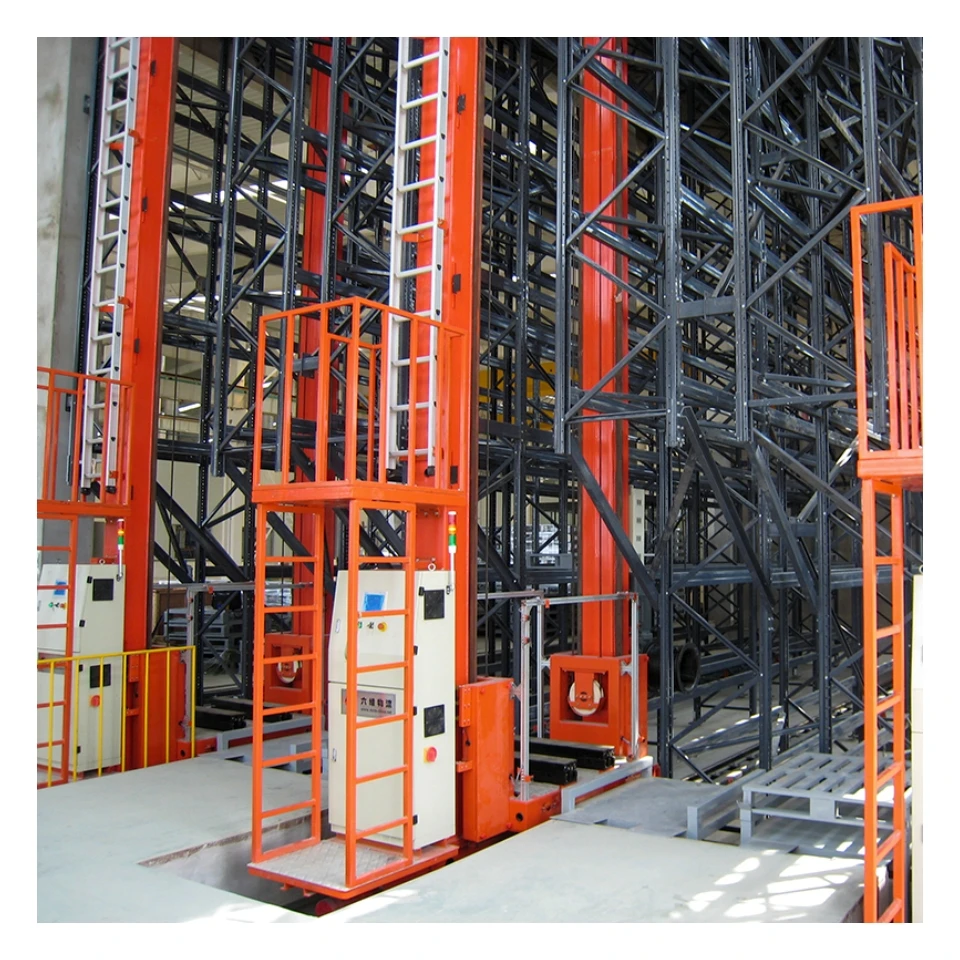
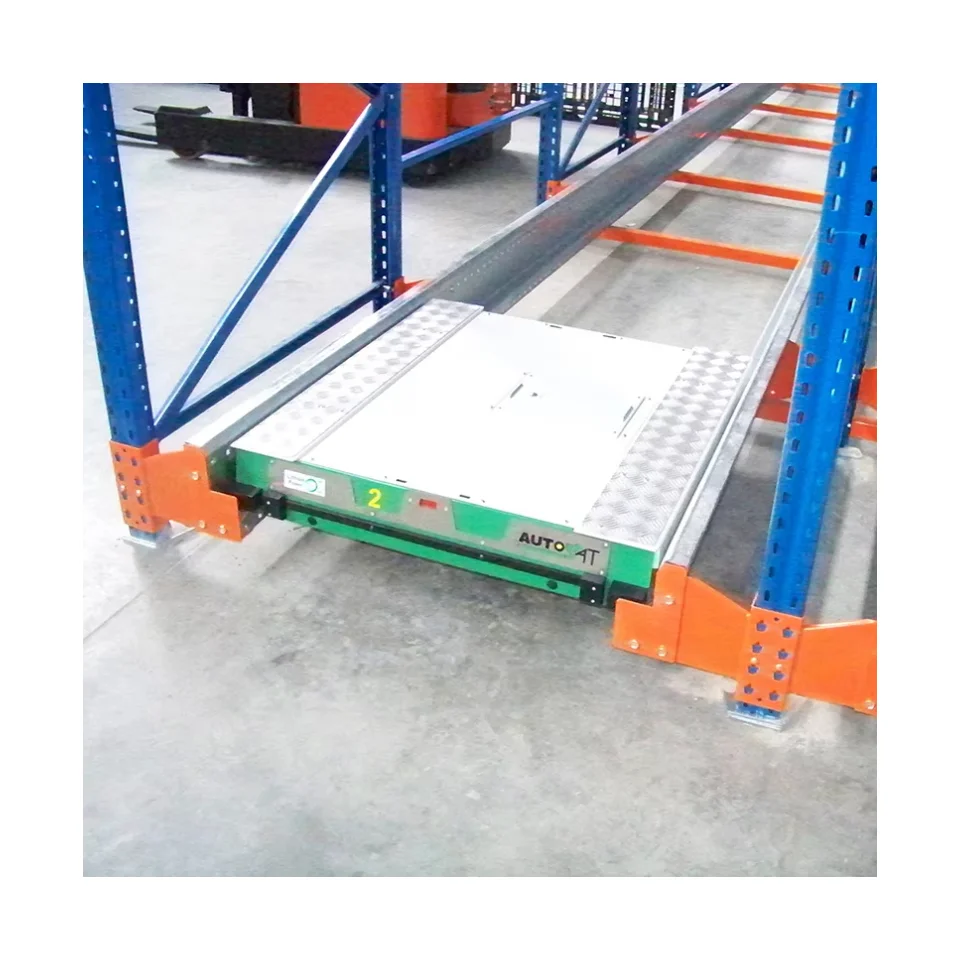
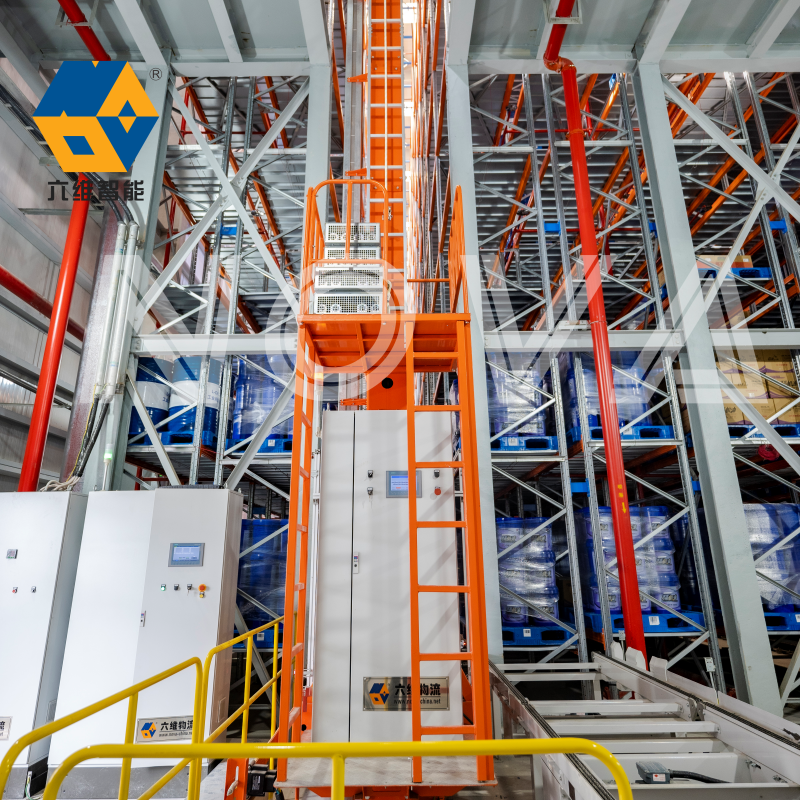
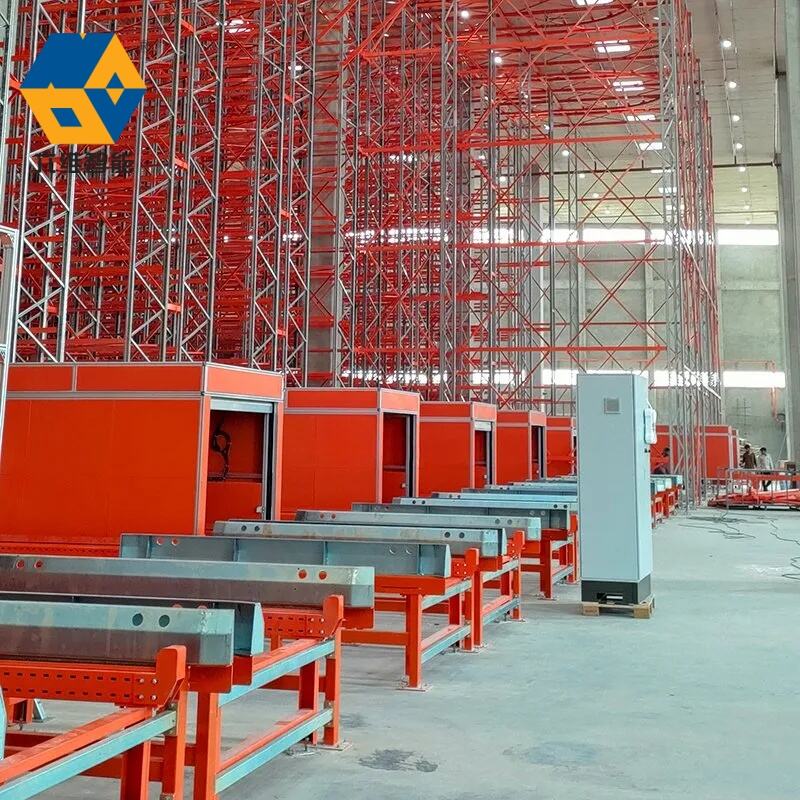
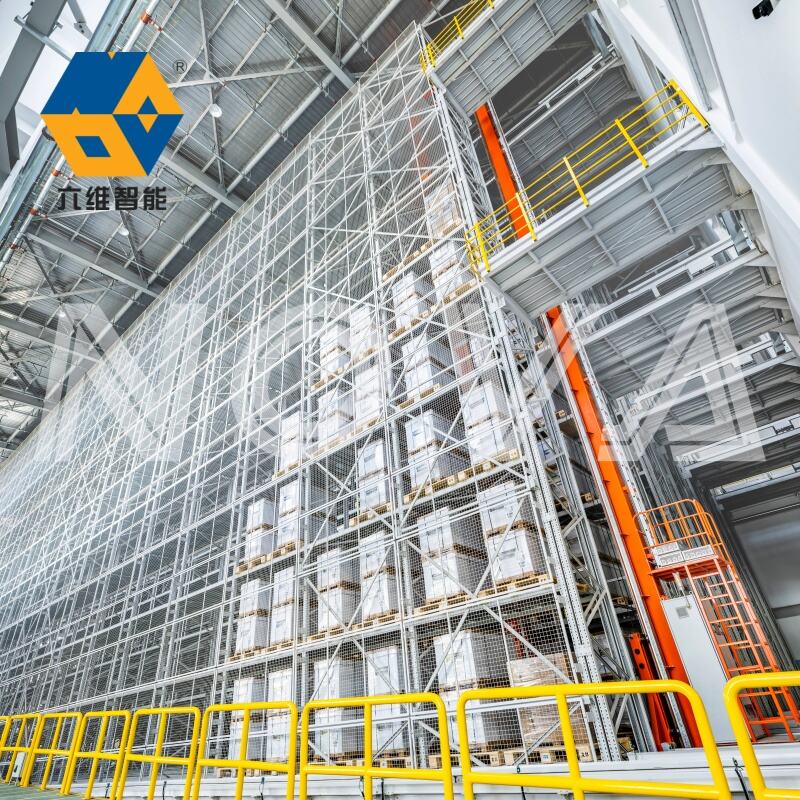
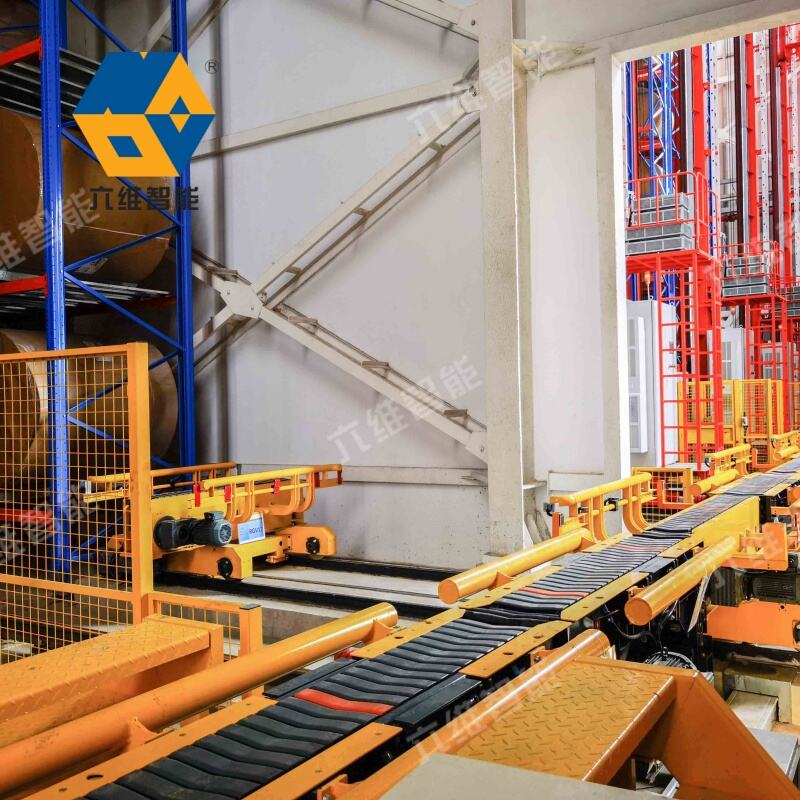
Automated pallet storage represents a transformative solution in modern warehousing and logistics operations, designed to maximize storage capacity while streamlining material handling processes. This sophisticated system utilizes computer-controlled mechanisms, robotics, and intelligent software to store and retrieve palletized goods without manual intervention. The primary functions of automated pallet storage include high-density storage optimization, rapid order fulfillment, inventory management integration, and seamless material flow coordination throughout distribution centers. The technology operates through a combination of automated guided vehicles, stacker cranes, conveyor systems, and warehouse management software that communicates in real-time to orchestrate storage and retrieval operations with precision and speed. These systems can be configured in various formats, including aisle-based designs with automated stacker cranes that travel vertically and horizontally to access storage locations, or shuttle-based configurations where autonomous vehicles transport pallets to designated positions. The technological features distinguishing automated pallet storage include advanced sensors for position verification, load detection capabilities, sophisticated safety mechanisms, predictive maintenance monitoring, and integration capabilities with existing enterprise resource planning systems. Applications for automated pallet storage span multiple industries, from food and beverage distribution requiring temperature-controlled environments to automotive parts warehousing demanding just-in-time delivery, pharmaceutical storage needing strict traceability, retail distribution centers managing seasonal fluctuations, and manufacturing facilities coordinating raw material and finished goods flow. The system proves particularly valuable in operations handling large volumes of palletized inventory, facilities constrained by limited floor space, businesses seeking to reduce labor dependency, and organizations prioritizing accuracy and throughput in their supply chain operations. As e-commerce continues expanding and customer expectations for rapid delivery intensify, automated pallet storage has become an essential infrastructure component for competitive warehousing operations globally.

New Product Recommendations

Implementing automated pallet storage delivers substantial operational improvements that directly impact your bottom line and competitive positioning. First, you gain remarkable space efficiency, as these systems utilize vertical height that traditional storage methods leave unused, often doubling or tripling storage capacity within the same footprint. This means you can store more inventory without expensive facility expansion or relocation. Second, you experience dramatically faster order processing, with automated systems retrieving pallets in minutes rather than the extended timeframes required for manual operations, enabling you to fulfill customer orders more quickly and handle peak demand periods without adding temporary staff. Third, you achieve significant labor cost reductions, as automation eliminates the need for forklift operators, reduces manual handling requirements, and allows your workforce to focus on value-added activities rather than repetitive material movement tasks. Fourth, you benefit from enhanced inventory accuracy, with automated tracking eliminating common human errors in recording pallet locations, quantities, and movements, giving you real-time visibility into stock levels and reducing costly discrepancies. Fifth, you create a safer working environment by minimizing forklift traffic, reducing collision risks, eliminating manual lifting injuries, and separating workers from heavy equipment operations. Sixth, you extend product shelf life and quality preservation through consistent handling that reduces damage from drops, impacts, and improper stacking that frequently occur in manual operations. Seventh, you gain operational flexibility, as automated pallet storage systems can operate continuously around the clock without breaks, fatigue, or shift changes, maximizing facility utilization and enabling you to process orders whenever needed. Eighth, you achieve better inventory rotation with first-in-first-out capabilities automatically enforced by the system, crucial for perishable goods and items with expiration dates. Ninth, you reduce energy consumption through optimized lighting in automated zones, efficient heating and cooling of high-density storage areas, and elimination of wide aisles needed for forklift maneuvering. Tenth, you position your operation for scalability, as modular system designs allow capacity expansion as your business grows without disrupting ongoing operations. These combined advantages create a compelling return on investment typically realized within three to five years while establishing operational capabilities that support long-term business growth and market responsiveness.

Practical Tips

How Does a Rack System Support Better Warehouse Safety Standards?

20

May

How Does a Rack System Support Better Warehouse Safety Standards?

Warehouse safety is a critical operational priority for any facility that handles significant volumes of inventory, equipment, or materials. At the center of most modern warehouse safety strategies is the rack system — a structural solution that orga...
View More
What Makes a Longspan Rack Ideal for Medium- to Heavy-Duty Storage?

13

Jan

What Makes a Longspan Rack Ideal for Medium- to Heavy-Duty Storage?

Modern warehouses and industrial facilities face increasing pressure to optimize storage capacity while maintaining efficient access to inventory. The longspan rack has emerged as a versatile solution that bridges the gap between light-duty shelving ...
View More
How Do You Choose the Right Longspan Rack for Changing Inventory Types?

13

Jan

How Do You Choose the Right Longspan Rack for Changing Inventory Types?

Modern warehouses face constant challenges in adapting their storage systems to accommodate varying inventory types and fluctuating stock levels. A longspan rack system offers the versatility and adaptability needed to handle these dynamic requiremen...
View More
How Automated Storage and Retrieval Systems Enhance Inventory Accuracy

05

Feb

How Automated Storage and Retrieval Systems Enhance Inventory Accuracy

Modern warehouses face unprecedented challenges in maintaining accurate inventory levels while managing increasing order volumes and customer expectations. Traditional manual tracking methods have become insufficient for businesses seeking competitiv...
View More

Get a Free Quote

Our representative will contact you soon.
Email
Name
Company Name
Message
0/1000

automated pallet storage

Maximized Storage Density Through Intelligent Vertical Space Utilization

Maximized Storage Density Through Intelligent Vertical Space Utilization

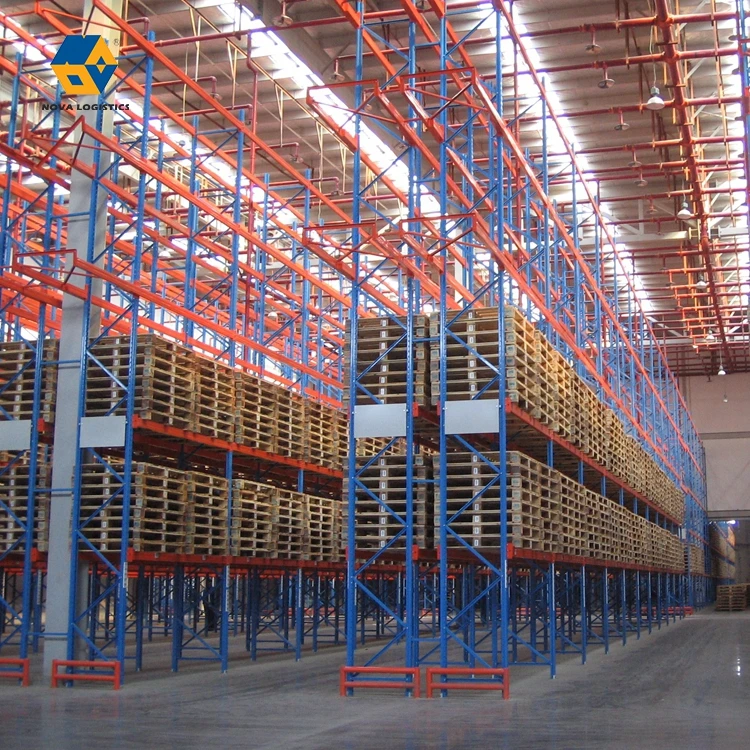
One of the most compelling advantages of automated pallet storage lies in its ability to transform underutilized warehouse volume into productive storage capacity through intelligent vertical space optimization. Traditional storage methods with forklifts require wide aisles for maneuvering, typically consuming forty to fifty percent of valuable floor space simply for access rather than storage. Automated pallet storage eliminates this waste by utilizing narrow aisle configurations where precision-guided equipment operates in compact spaces that would be impossible for human-operated machinery. The systems can build storage structures reaching heights of thirty meters or more, accessing levels that would be impractical and unsafe for conventional handling equipment. This vertical expansion means facilities can accommodate two to three times more pallets within existing building footprints, effectively providing the storage capacity of a much larger warehouse without the associated real estate costs, property taxes, or utility expenses. For businesses facing space constraints in expensive urban locations or those seeking to avoid costly facility expansion projects, this density improvement delivers immediate financial benefits. The intelligent software controlling automated pallet storage continuously optimizes placement decisions, storing faster-moving items in more accessible positions while relegating slower-moving inventory to deeper storage locations, ensuring maximum utilization of every available cubic meter. This dynamic allocation adjusts automatically as demand patterns shift, maintaining optimal efficiency without manual intervention or space reorganization projects. Furthermore, the high-density configuration creates opportunities for environmental control benefits, as smaller volumes require less energy for climate management in temperature-sensitive applications. The structural design of automated pallet storage systems also enables better protection from environmental factors, with enclosed storage areas shielding inventory from dust, moisture, and temperature fluctuations that can degrade product quality in open warehouse environments. Organizations implementing these systems report storage capacity increases averaging one hundred fifty to two hundred percent while simultaneously reducing their facility footprint requirements, creating substantial competitive advantages in logistics cost management and operational flexibility.
Unprecedented Operational Speed and Throughput Performance

Unprecedented Operational Speed and Throughput Performance

Automated pallet storage systems deliver transformative improvements in operational velocity, enabling warehouses to process significantly higher volumes with consistent performance that manual operations cannot match. The speed advantage manifests across multiple operational dimensions, beginning with retrieval times that typically range from two to four minutes per pallet compared to ten to fifteen minutes for forklift operations, especially when accessing elevated storage positions. This acceleration means order fulfillment cycles compress dramatically, allowing distribution centers to receive orders later in the day while still meeting same-day shipping deadlines, a capability that translates directly into competitive advantage and customer satisfaction. The throughput improvements extend beyond individual transactions to overall system capacity, with automated pallet storage installations routinely handling one hundred to two hundred pallet movements per hour per aisle, performance levels that would require multiple forklift operators working simultaneously to approximate. This velocity enables operations to handle peak demand surges during seasonal periods, promotional events, or unexpected order spikes without the delays, overtime costs, and quality compromises associated with overextended manual operations. The consistency of automated performance proves equally valuable, as retrieval times remain stable regardless of storage location, operator experience, or shift timing, eliminating the variability that plagues manual operations where performance fluctuates based on worker skill levels, fatigue, and environmental conditions. Automated systems maintain full operational capability during night shifts, weekends, and holidays without premium labor costs, enabling continuous operation that maximizes asset utilization and provides flexibility to align warehouse activities with transportation schedules and customer requirements. The rapid throughput also reduces dwell time for inbound shipments, allowing cross-docking operations to flow smoothly and minimizing the need for staging areas that consume valuable floor space. For manufacturing operations, this speed enables tighter coordination between production schedules and material availability, reducing work-in-process inventory and associated carrying costs while improving production line efficiency through reliable just-in-time material delivery.
Enhanced Accuracy and Real-Time Inventory Visibility

Enhanced Accuracy and Real-Time Inventory Visibility

Automated pallet storage systems revolutionize inventory management by delivering exceptional accuracy levels and comprehensive real-time visibility that manual operations struggle to achieve consistently. The integration of automated tracking technology eliminates common sources of inventory discrepancies that plague traditional warehouses, where manual data entry errors, misplaced pallets, incorrect location recording, and documentation delays create persistent accuracy challenges averaging five to ten percent error rates in conventional facilities. Automated systems achieve accuracy levels exceeding ninety-nine point nine percent through continuous verification at every transaction point, with sensors confirming pallet dimensions, weight verification ensuring correct items, barcode scanning validating product identification, and position monitoring confirming storage locations. This precision eliminates the costly cycle counting programs, inventory reconciliation efforts, and periodic physical inventories that consume substantial labor hours in manual operations while still failing to maintain continuous accuracy. The real-time visibility provided by automated pallet storage extends beyond simple quantity tracking to encompass comprehensive inventory intelligence including exact location coordinates, storage duration, temperature exposure history for climate-sensitive products, handling frequency patterns, and predictive analytics for demand forecasting. This information accessibility empowers better business decisions across multiple functions, enabling purchasing teams to optimize reorder timing, sales departments to commit inventory with confidence, finance groups to value assets accurately, and customer service representatives to provide definitive availability information rather than estimates. The system integration capabilities allow automated pallet storage to communicate bidirectionally with enterprise resource planning systems, transportation management platforms, and customer ordering interfaces, creating seamless information flow that eliminates data silos and manual status updates. For operations managing multiple product variations, lot numbers, expiration dates, or serial number tracking requirements, automated systems maintain precise traceability that manual methods cannot reliably sustain, proving essential for regulatory compliance in industries like pharmaceuticals, food production, and medical devices where product recalls require immediate identification of affected inventory locations and distribution history.


Get a Free Quote

Our representative will contact you soon.
Email
Name
Company Name
Message
0/1000

Get a Free Quote

Our representative will contact you soon.
Email
Name
Company Name
Message
0/1000