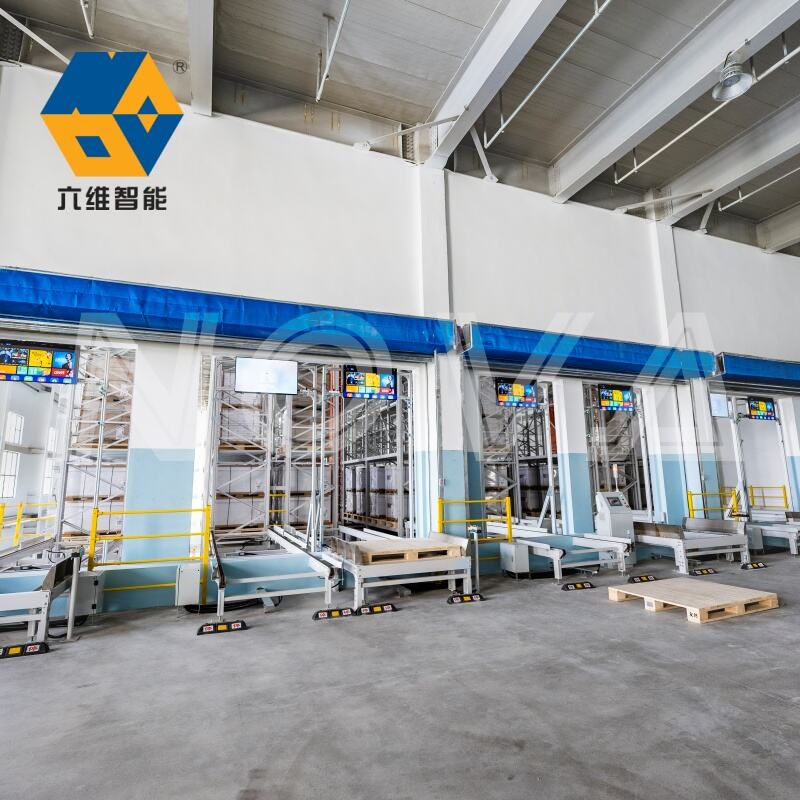
automated warehouse systems
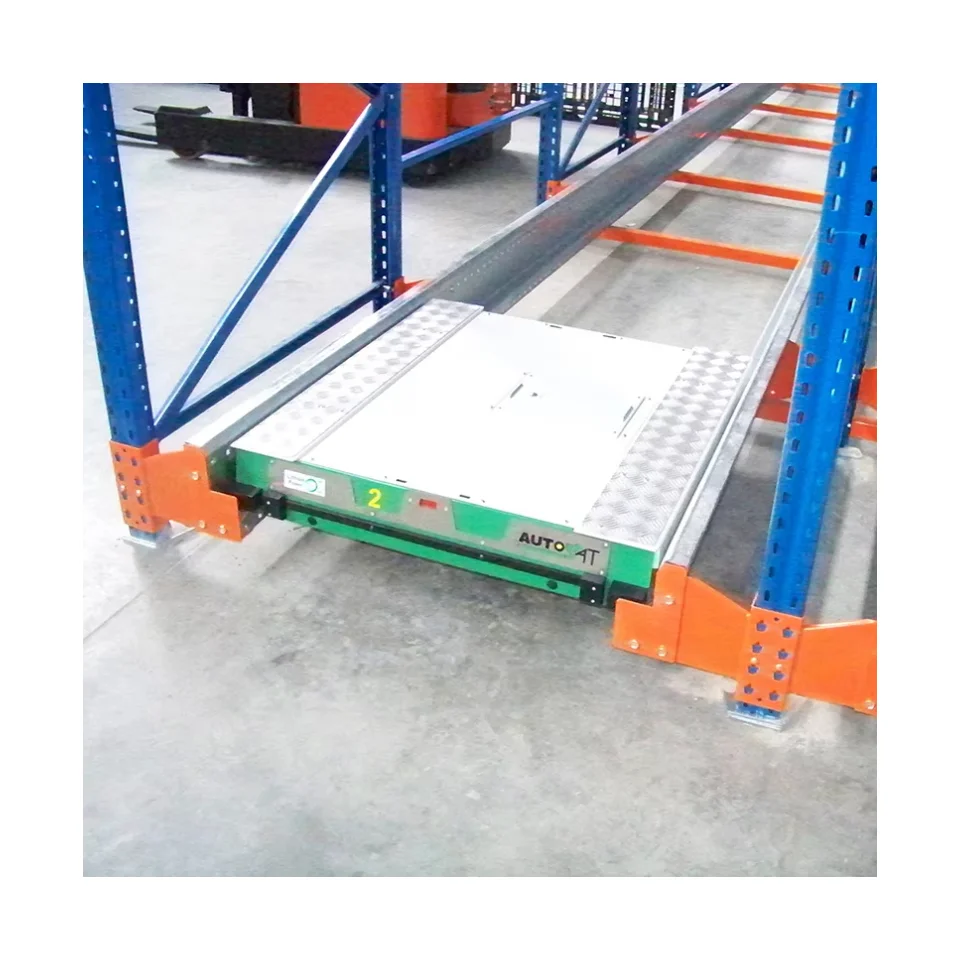
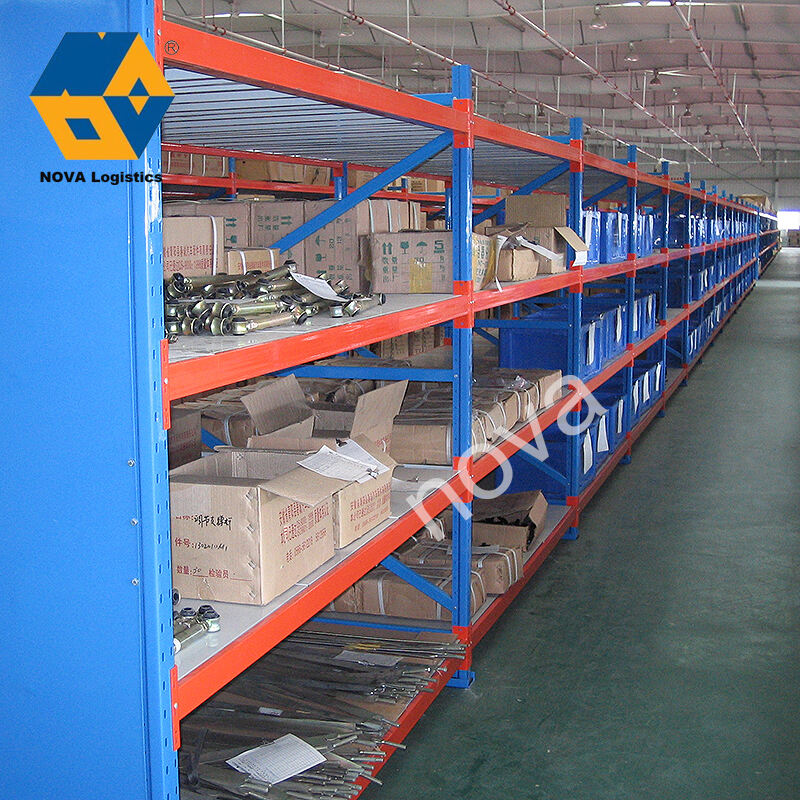
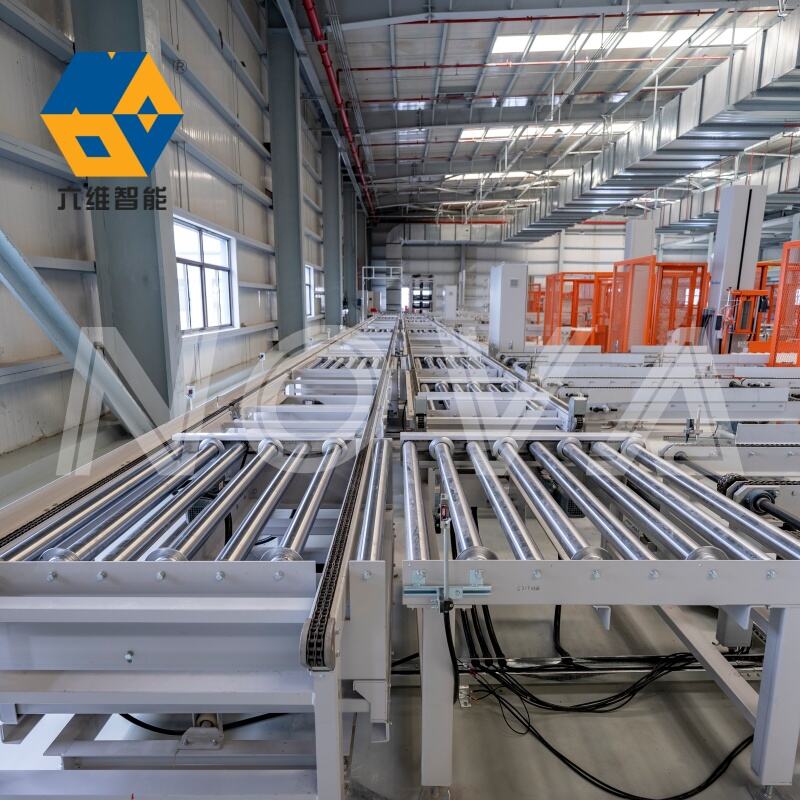
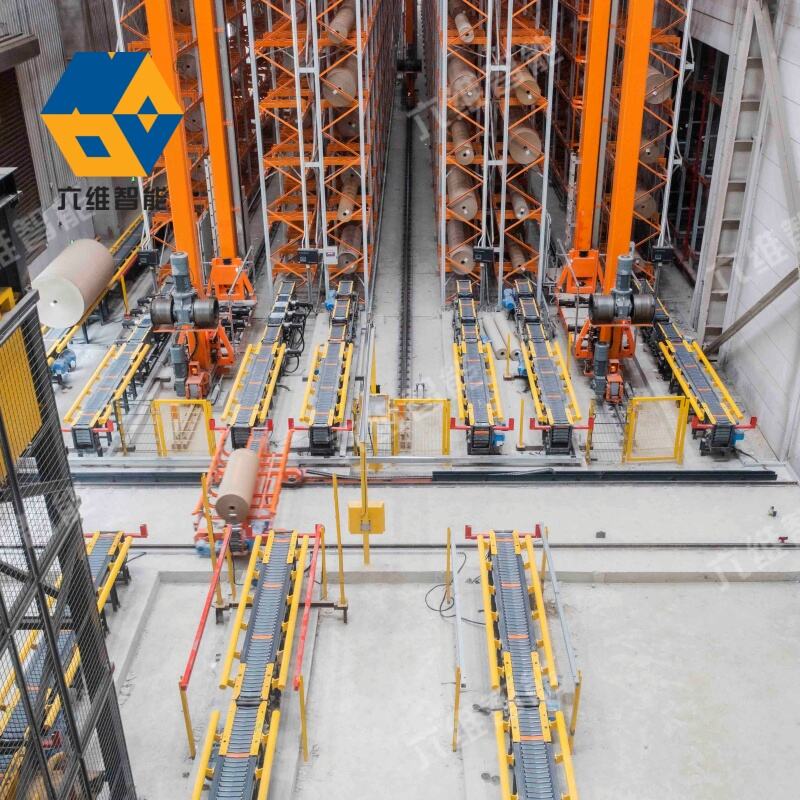
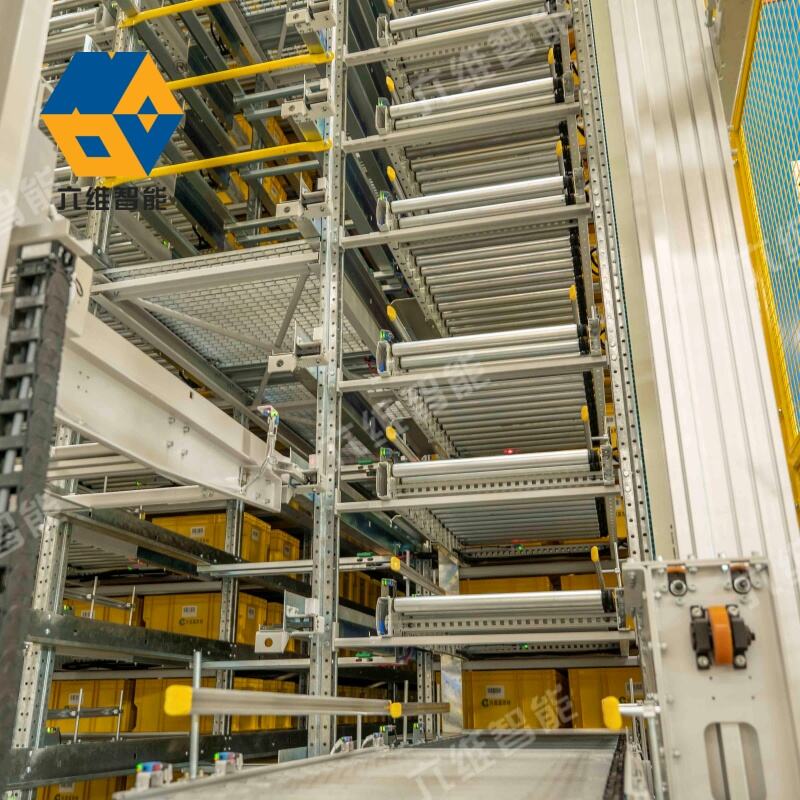
Automated warehouse systems represent a revolutionary approach to modern logistics and inventory management, transforming traditional storage facilities into highly efficient, technology-driven operations. These sophisticated systems integrate cutting-edge robotics, intelligent software platforms, and advanced material handling equipment to streamline warehouse processes from receiving to shipping. At their core, automated warehouse systems utilize computer-controlled mechanisms to store, retrieve, and manage inventory with minimal human intervention, dramatically improving accuracy and operational speed. The main functions of automated warehouse systems encompass goods receiving and inspection, dynamic storage allocation, real-time inventory tracking, order picking and consolidation, and automated dispatch preparation. These systems employ various technologies including automated storage and retrieval systems, conveyor networks, robotic picking arms, automated guided vehicles, and warehouse management software that orchestrates all operations seamlessly. The technological features distinguishing modern automated warehouse systems include artificial intelligence algorithms for predictive analytics, machine learning capabilities for continuous process optimization, Internet of Things sensors for real-time monitoring, cloud-based management platforms for remote accessibility, and integration capabilities with enterprise resource planning systems. Applications of automated warehouse systems span numerous industries including e-commerce fulfillment centers, pharmaceutical distribution, automotive parts storage, food and beverage logistics, retail distribution networks, and manufacturing supply chains. These systems prove particularly valuable in high-volume operations requiring rapid order processing, temperature-controlled environments demanding consistent conditions, facilities with limited floor space needing vertical storage solutions, and businesses seeking to reduce labor costs while improving service levels. The scalability of automated warehouse systems allows organizations to start with partial automation and expand capabilities as business demands grow, making this technology accessible to companies of varying sizes and operational complexities.

 EN
EN