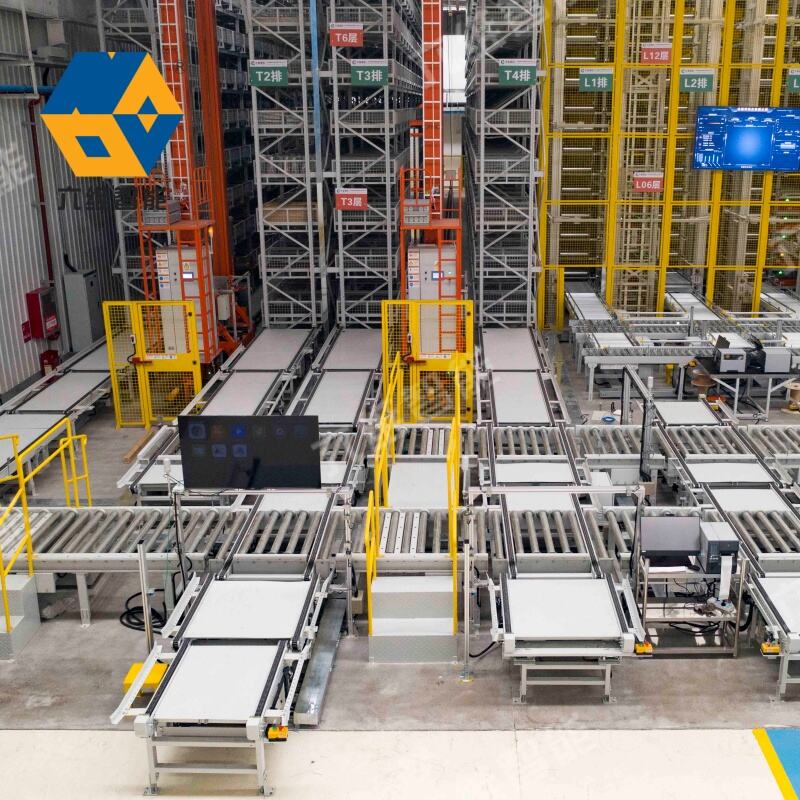
Automated Vertical Storage Solutions: Maximize Space, Boost Efficiency & Accuracy

All Categories

Get a Free Quote

Our representative will contact you soon.
Email
Name
Company Name
Message
0/1000

automated vertical storage

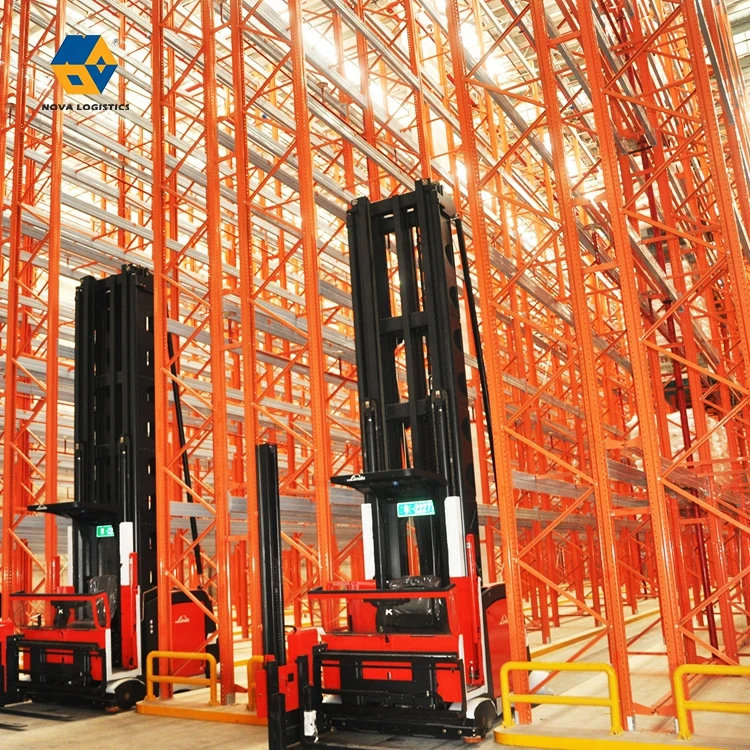
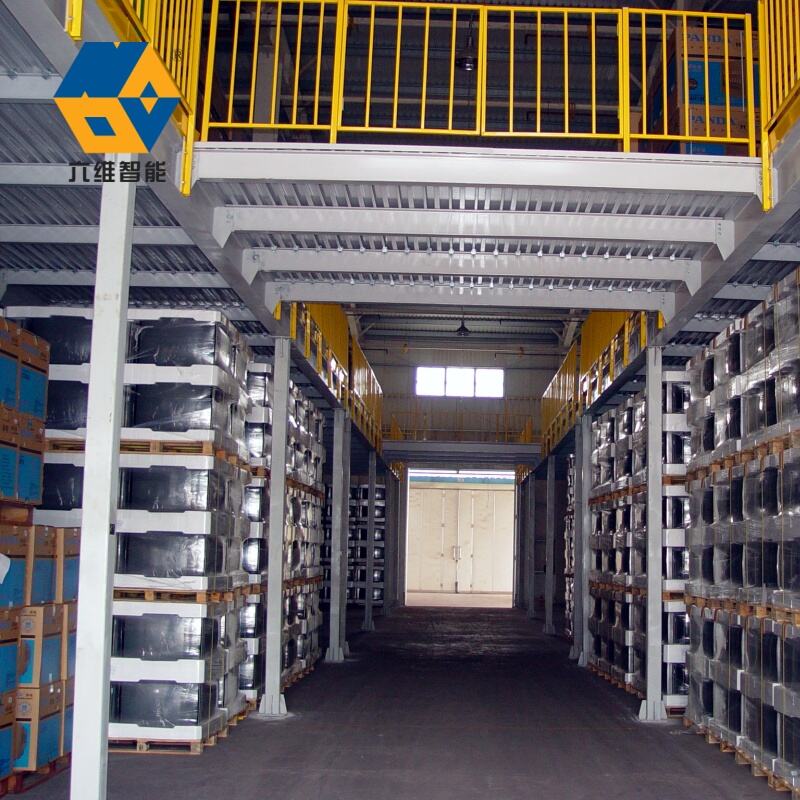
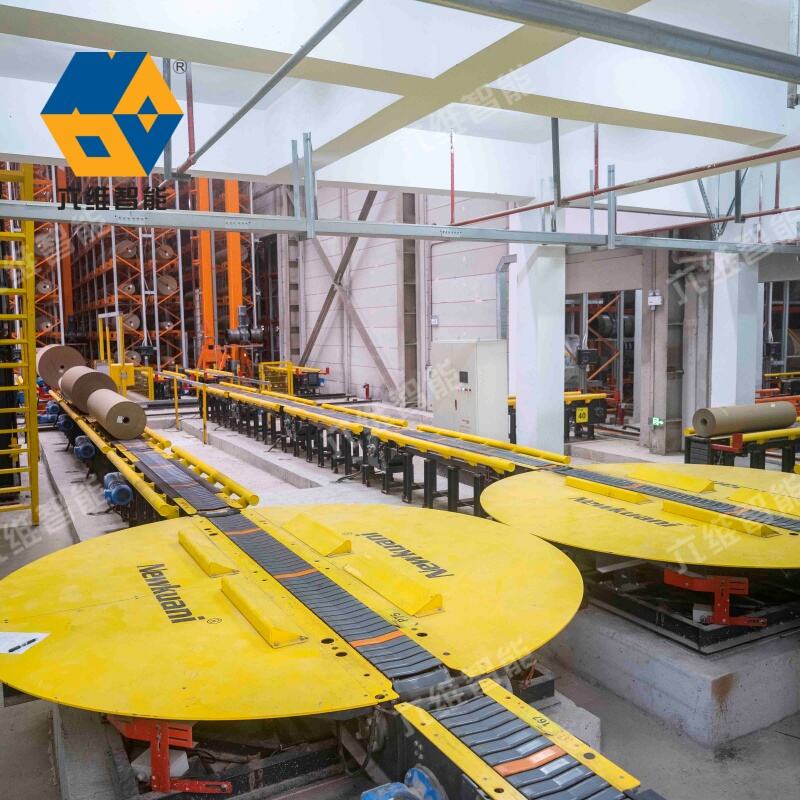
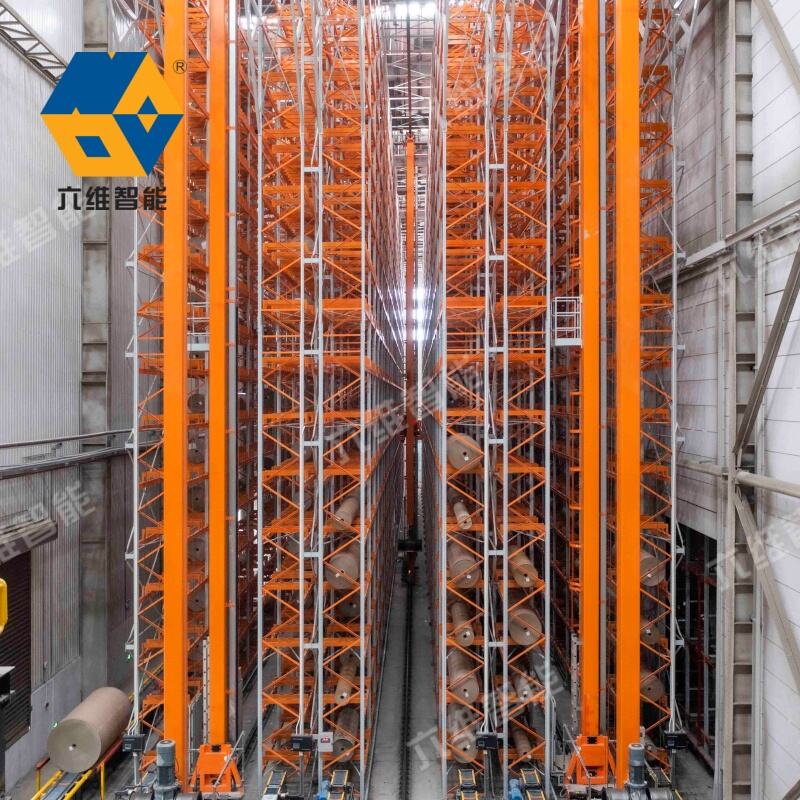
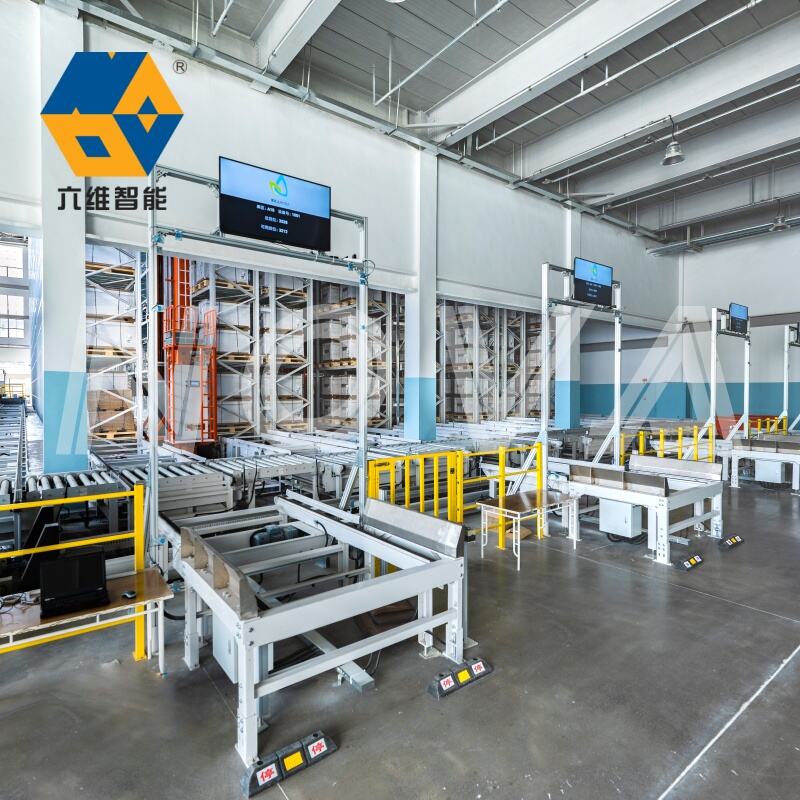
Automated vertical storage represents a revolutionary approach to warehouse management and inventory organization that maximizes available space while dramatically improving operational efficiency. This innovative storage solution utilizes computer-controlled systems to store and retrieve items vertically, making optimal use of ceiling height that traditional storage methods often waste. The automated vertical storage system consists of tall columns of trays or shelves that move up and down automatically, delivering requested items directly to an ergonomic access point where operators can easily retrieve them. The main functions of automated vertical storage include high-density storage capacity, rapid item retrieval, precise inventory tracking, and seamless integration with warehouse management software. Technologically, these systems employ advanced robotics, sensors, and sophisticated software algorithms to manage inventory locations and optimize storage patterns based on item dimensions, weight, and retrieval frequency. The vertical configuration allows facilities to store significantly more products within the same floor space compared to conventional shelving systems. Applications for automated vertical storage span numerous industries including manufacturing, healthcare, retail, automotive parts distribution, electronics, pharmaceuticals, and e-commerce fulfillment centers. In manufacturing environments, these systems store components and tools efficiently, ensuring production lines receive parts quickly without delays. Healthcare facilities utilize automated vertical storage for medical supplies, pharmaceuticals, and equipment, maintaining strict inventory control and expiration date management. Retail operations benefit from improved stock management and faster order fulfillment capabilities. The technology features include real-time inventory visibility, customizable tray configurations, secure access controls, and energy-efficient operation modes. Modern automated vertical storage systems incorporate touchscreen interfaces, barcode scanning, and integration capabilities with existing enterprise resource planning systems, creating a comprehensive storage ecosystem that enhances overall productivity and accuracy throughout the entire supply chain operation.


Popular Products

Implementing automated vertical storage delivers substantial practical benefits that directly impact your bottom line and operational capabilities. First and foremost, you will reclaim valuable floor space, with typical installations recovering up to seventy percent of previously occupied areas. This space optimization means you can expand operations without costly building expansions or relocating to larger facilities, saving significant capital expenditure. Your employees will work more safely and comfortably because automated vertical storage eliminates the need for climbing ladders, reaching overhead, or bending to access low shelves. Items come directly to workers at an ergonomic height, reducing workplace injuries and associated costs while boosting morale and productivity. The system dramatically speeds up order fulfillment processes, with retrieval times averaging thirty seconds or less compared to several minutes with manual picking methods. This efficiency gain means your team can process more orders daily without adding staff, directly increasing throughput and revenue potential. Inventory accuracy improves remarkably, often reaching ninety-nine percent or higher, because the system tracks every item movement automatically. You will experience fewer stockouts, reduced overstocking, and minimized losses from misplaced inventory. The precise tracking also simplifies auditing processes and regulatory compliance requirements. Security enhancements protect valuable inventory through controlled access features that restrict who can retrieve specific items and maintain detailed logs of all transactions. Energy consumption remains minimal since modern automated vertical storage units operate only when retrieving or storing items, unlike climate-controlled warehouse spaces that require constant power. Your insurance premiums may decrease due to improved security and reduced risk of inventory damage or theft. Training new employees becomes simpler and faster because operating automated vertical storage requires minimal instruction compared to teaching traditional warehouse navigation and picking procedures. The system guides users through each transaction, reducing errors and accelerating onboarding timelines. Scalability offers another significant advantage, as you can add additional units as your business grows without redesigning your entire storage infrastructure. The modular nature means you invest incrementally based on actual needs rather than overbuilding capacity upfront. You will also notice improved customer satisfaction because faster, more accurate order processing leads to quicker deliveries and fewer shipping errors. The data collected by automated vertical storage systems provides valuable insights into inventory turnover rates, seasonal demand patterns, and product performance, enabling smarter purchasing decisions and inventory optimization strategies that further reduce carrying costs and improve cash flow management.

Practical Tips

Which Pallet Rack Designs Fit Different Warehouse Applications Best?

20

May

Which Pallet Rack Designs Fit Different Warehouse Applications Best?

Selecting the right pallet rack design is one of the most consequential decisions a warehouse manager or logistics planner can make. The wrong configuration leads to wasted vertical space, inefficient picking workflows, and even serious safety risks....
View More
How Can a Mezzanine Improve Workflow and Storage Organization?

13

Jan

How Can a Mezzanine Improve Workflow and Storage Organization?

Modern warehouses face increasing pressure to maximize storage capacity while maintaining efficient workflow operations. A warehouse mezzanine offers an innovative solution that transforms vertical space into valuable storage and operational areas. T...
View More
How Does a Warehouse Mezzanine Increase Storage Capacity Efficiently?

13

Jan

How Does a Warehouse Mezzanine Increase Storage Capacity Efficiently?

Modern warehouse operations face mounting pressure to maximize storage capacity without expanding their physical footprint. A warehouse mezzanine represents one of the most effective solutions for increasing storage density while maintaining operatio...
View More
What Are Essential Safety Tips for Installing a Steel Platform?

16

Mar

What Are Essential Safety Tips for Installing a Steel Platform?

Industrial facilities worldwide rely on steel platforms to maximize vertical storage space and improve operational efficiency. These robust structures serve as elevated work areas, storage solutions, and access points in warehouses, manufacturing pla...
View More

Get a Free Quote

Our representative will contact you soon.
Email
Name
Company Name
Message
0/1000

automated vertical storage

Maximize Space Utilization and Reduce Facility Costs

Maximize Space Utilization and Reduce Facility Costs

Automated vertical storage fundamentally transforms how businesses approach space management by utilizing the often-wasted vertical dimension of warehouses and storage facilities. Traditional storage methods typically use only forty to fifty percent of available cubic space, leaving enormous potential untapped in the vertical realm. With automated vertical storage, you can extend storage capacity upward, often reaching heights of thirty feet or more, effectively multiplying your storage capacity within the same footprint. This vertical expansion means a facility that previously required ten thousand square feet of floor space for inventory can potentially reduce that footprint to three thousand square feet while maintaining or even increasing total storage capacity. The financial implications of this space optimization extend far beyond simple square footage calculations. Real estate costs represent one of the largest expenses for most businesses, whether through lease payments or property ownership. By implementing automated vertical storage, companies can defer or completely eliminate the need for facility expansion, relocation, or additional warehouse space acquisition. Consider that commercial warehouse space typically costs between six to twelve dollars per square foot annually, meaning a business reclaiming seven thousand square feet could save forty-two thousand to eighty-four thousand dollars yearly in occupancy costs alone. Beyond direct real estate savings, reduced facility size translates to lower utility bills for heating, cooling, and lighting. Smaller floor areas require less climate control, and modern automated vertical storage systems incorporate LED lighting that activates only when the system operates, further reducing energy consumption. The environmental benefits align with corporate sustainability goals while delivering measurable cost reductions. Insurance premiums often decrease with smaller facility footprints and improved security features inherent in automated vertical storage systems. Property taxes, maintenance expenses, and cleaning costs all scale proportionally with facility size, creating additional savings streams. The reclaimed floor space can serve alternative purposes that generate revenue or improve operations, such as expanding production areas, creating additional shipping stations, or establishing value-added service zones. For businesses operating in expensive urban locations where real estate commands premium pricing, the space efficiency of automated vertical storage becomes even more critical and valuable, potentially determining competitive viability in high-cost markets where every square foot impacts profitability and operational sustainability.
Enhance Productivity and Order Fulfillment Speed

Enhance Productivity and Order Fulfillment Speed

The productivity gains delivered by automated vertical storage revolutionize operational workflows and dramatically accelerate order fulfillment processes across diverse business environments. Traditional manual picking methods require workers to navigate warehouse aisles, locate items on shelves at various heights, and transport products to packing stations, consuming valuable time and physical energy. In contrast, automated vertical storage brings items directly to workers at an ergonomic workstation, eliminating unproductive walking, searching, and reaching activities. Time studies consistently demonstrate that automated vertical storage reduces item retrieval time by seventy to eighty percent compared to manual methods. Where a worker might spend three to five minutes locating and retrieving an item in a traditional warehouse, automated vertical storage accomplishes the same task in thirty to forty seconds. This efficiency multiplier means a single operator using automated vertical storage can match the output of three to four workers in conventional storage environments, fundamentally changing labor economics and capacity planning. The speed advantage becomes particularly significant during peak demand periods when order volumes surge. Rather than hiring temporary staff or requiring excessive overtime, businesses with automated vertical storage can handle volume spikes with existing personnel, maintaining service levels without proportional cost increases. The system operates consistently regardless of operator experience level, as the technology guides each transaction and eliminates the learning curve associated with memorizing warehouse layouts or product locations. This consistency ensures reliable performance even with workforce turnover or seasonal employees. Automated vertical storage also eliminates the downtime associated with restocking operations in traditional environments. The system continuously optimizes storage locations based on retrieval patterns, placing frequently accessed items in positions that minimize retrieval time without requiring manual reorganization. This dynamic optimization means performance improves automatically over time as the system learns usage patterns. The enhanced speed enables businesses to offer same-day shipping, reduced order cutoff times, and premium service options that differentiate them competitively. Customer satisfaction increases measurably when orders ship faster and arrive sooner, driving repeat business and positive reviews. The productivity improvements extend beyond picking operations to receiving, put-away, inventory counts, and returns processing, creating efficiency gains throughout the entire inventory management lifecycle and transforming operational capabilities across multiple functional areas.
Achieve Superior Inventory Accuracy and Control

Achieve Superior Inventory Accuracy and Control

Automated vertical storage systems deliver unprecedented levels of inventory accuracy and control that fundamentally improve business operations and financial performance. Traditional inventory management relies heavily on manual processes prone to human error, including incorrect counts, misplaced items, transcription mistakes, and inventory shrinkage from theft or damage. These inaccuracies create cascading problems including stockouts that lose sales, excess inventory that ties up capital, expedited shipping costs to fulfill backorders, and customer dissatisfaction from delayed or incorrect orders. Automated vertical storage addresses these challenges through comprehensive tracking and control mechanisms that monitor every item movement with precision. Each storage and retrieval transaction is recorded automatically with date stamps, user identification, and quantity information, creating an audit trail that ensures accountability and traceability. The system knows exactly what items occupy each tray position, their quantities, and relevant data such as lot numbers, serial numbers, and expiration dates. This granular visibility enables businesses to implement first-in-first-out inventory rotation automatically, critical for perishable goods, time-sensitive products, and items subject to obsolescence. Pharmaceutical companies, food distributors, and electronics manufacturers particularly benefit from this capability, ensuring product quality and regulatory compliance while minimizing waste from expired or outdated inventory. The accuracy improvements typically elevate inventory precision from the eighty-five to ninety-five percent range common with manual systems to ninety-nine percent or higher with automated vertical storage. This accuracy enhancement reduces safety stock requirements because businesses can trust their inventory data and operate with leaner stock levels without risking stockouts. The working capital freed from excess inventory can be redirected to growth initiatives, debt reduction, or other productive uses that enhance financial performance. Physical inventory counts, traditionally labor-intensive events requiring facility shutdowns or overtime shifts, become simplified with automated vertical storage. Cycle counting can occur continuously during normal operations without disrupting workflows, and the system can generate real-time discrepancy reports that highlight variances requiring investigation. The controlled access features inherent in automated vertical storage significantly reduce inventory shrinkage by restricting who can access specific items and maintaining detailed logs of all retrieval activities. This security proves invaluable for high-value items, controlled substances, or proprietary components where theft prevention and accountability are paramount concerns affecting both financial results and regulatory compliance obligations.

Get a Free Quote

Our representative will contact you soon.
Email
Name
Company Name
Message
0/1000

Get a Free Quote

Our representative will contact you soon.
Email
Name
Company Name
Message
0/1000