Vertical Storage Solutions for Warehouses: Maximize Space, Efficiency and Accuracy

All Categories

Get a Free Quote

Our representative will contact you soon.
Email
Name
Company Name
Message
0/1000

vertical storage solutions for warehouses

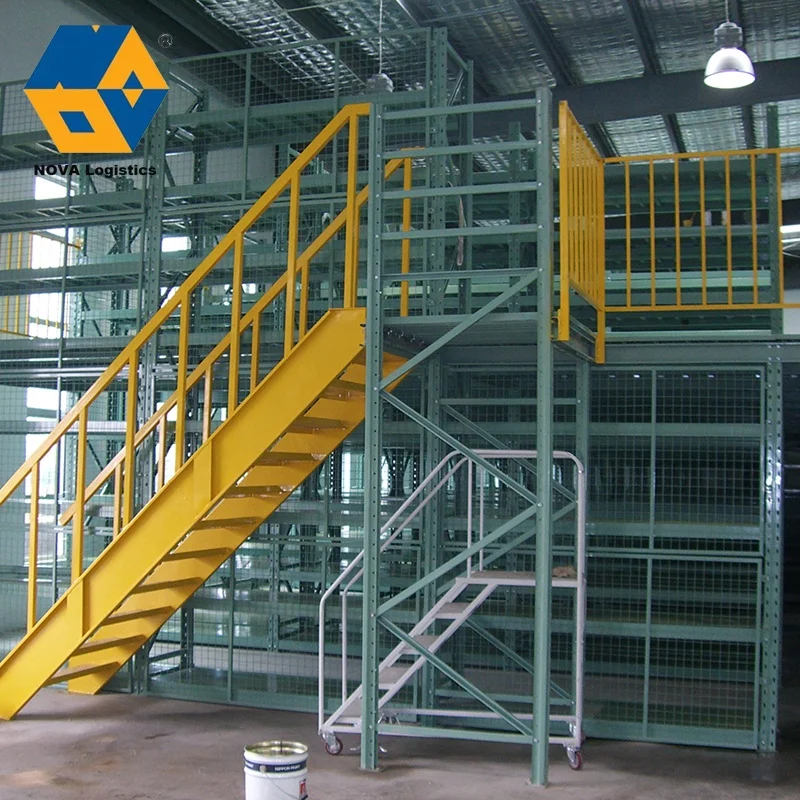
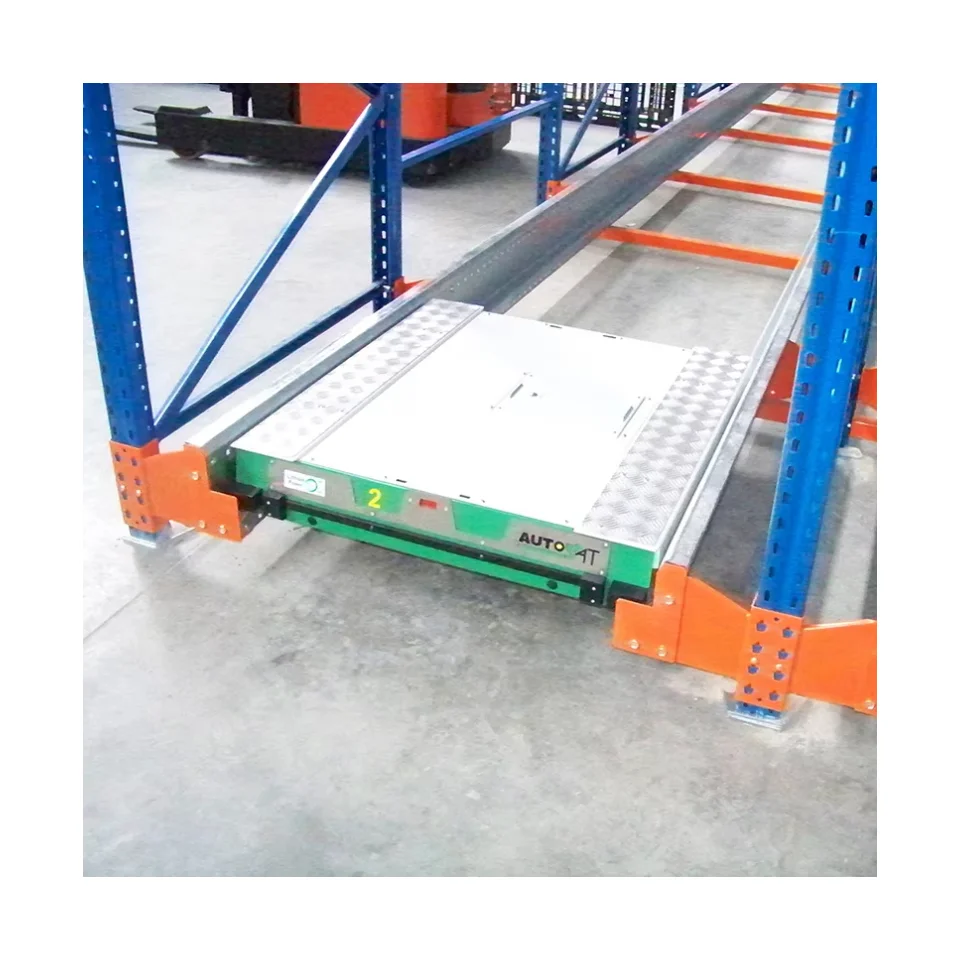
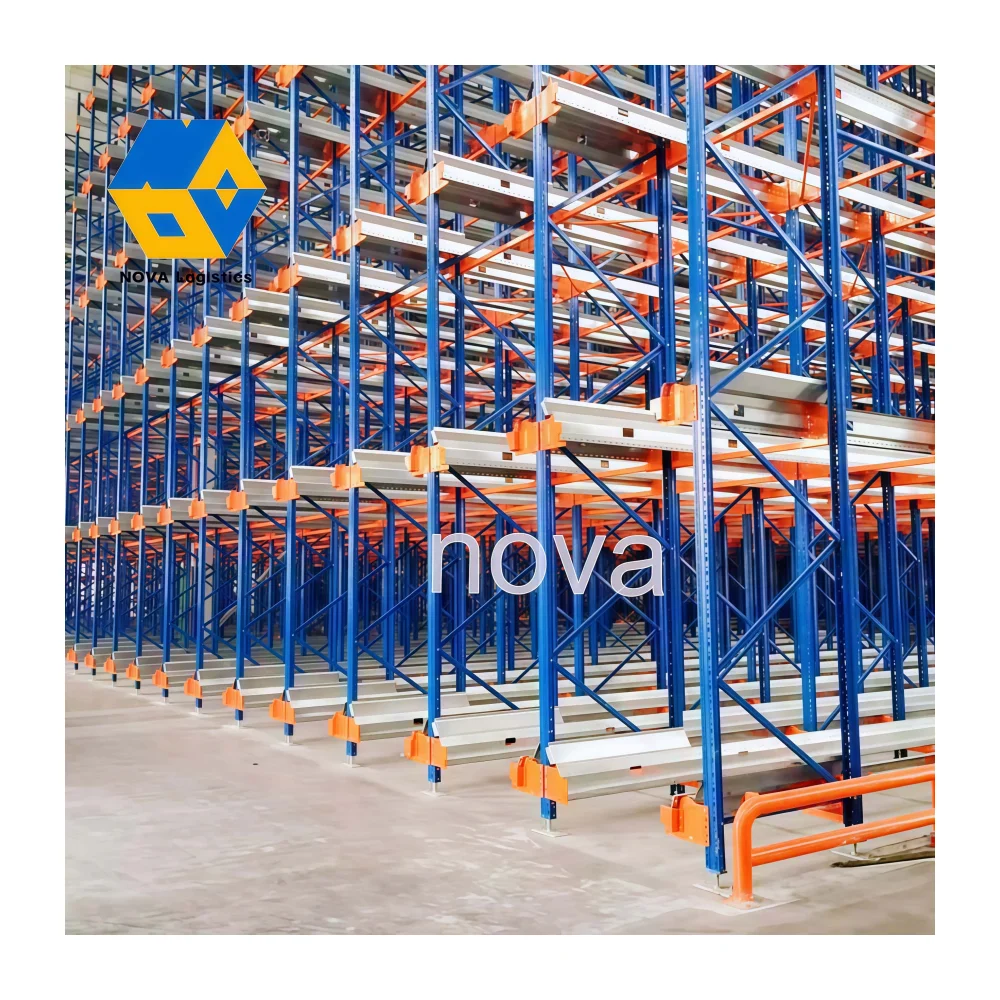
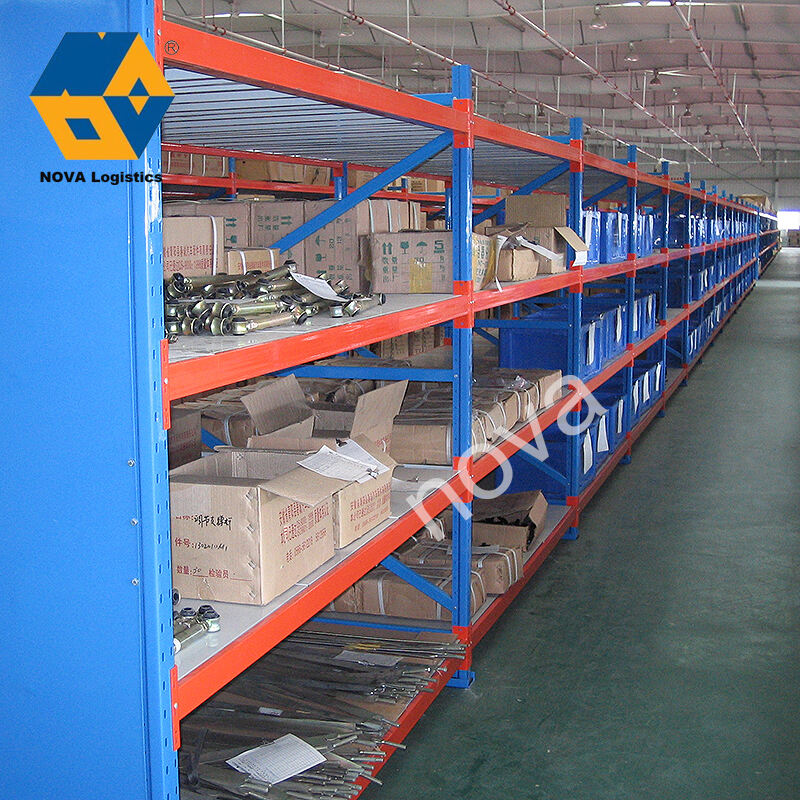
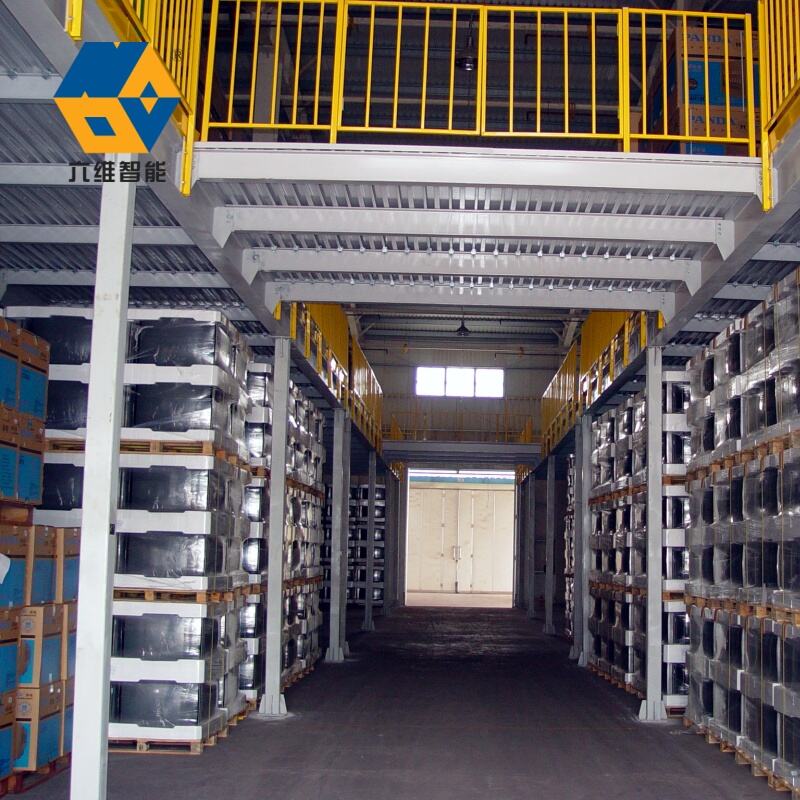
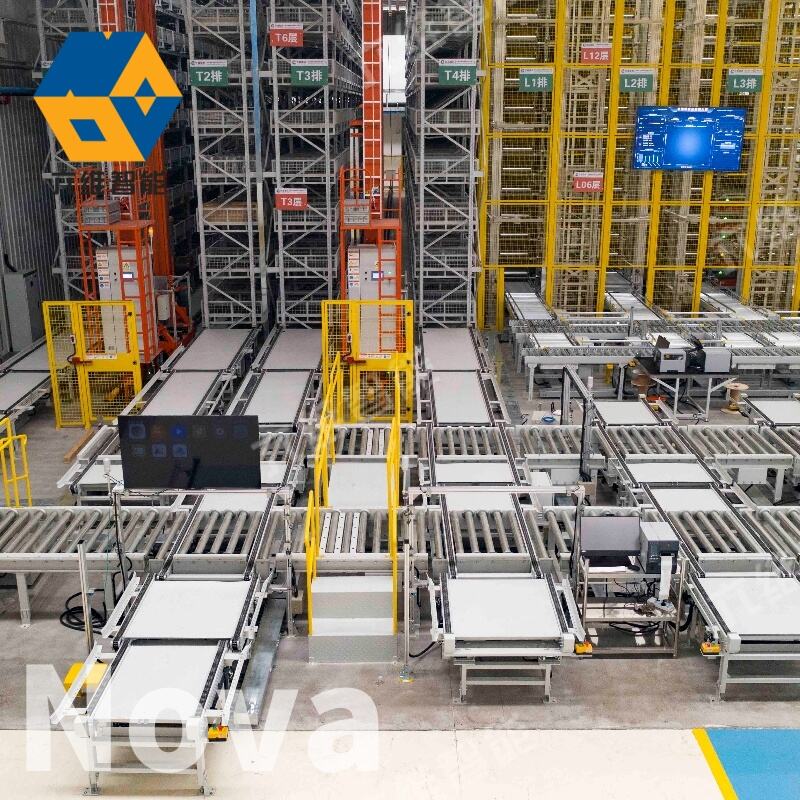
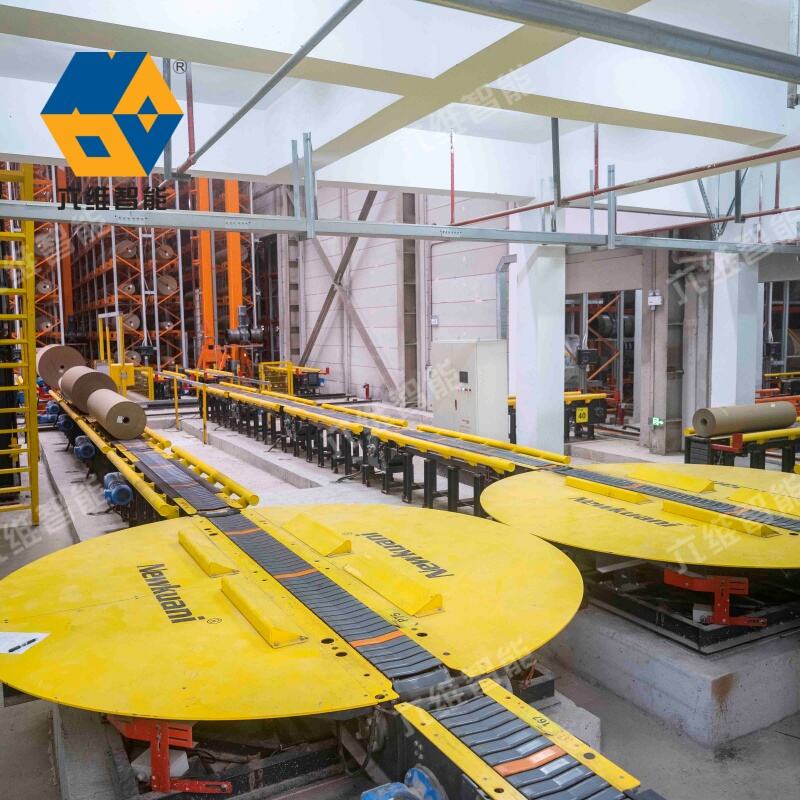
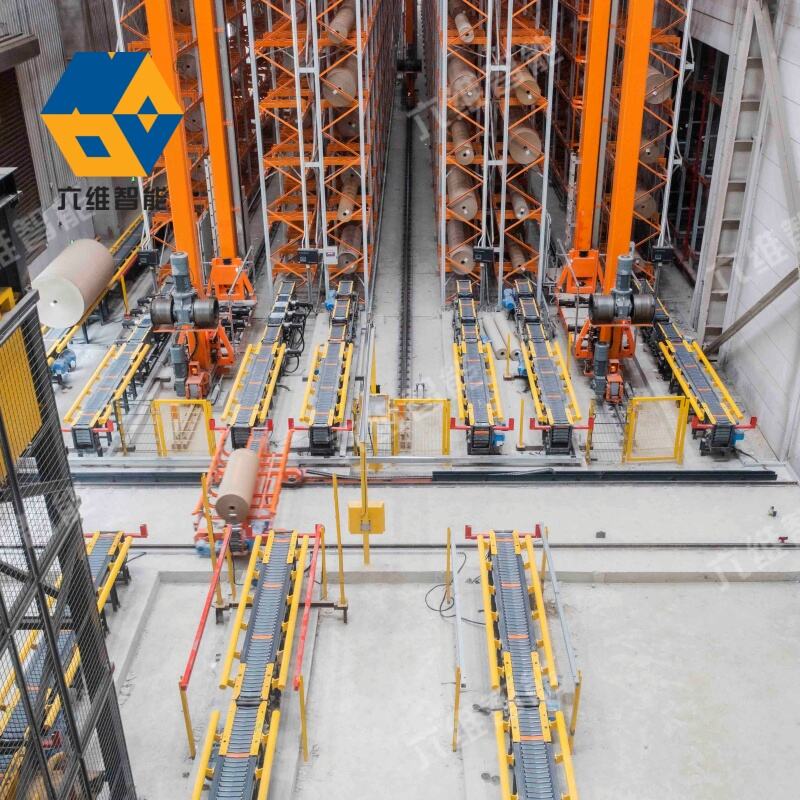
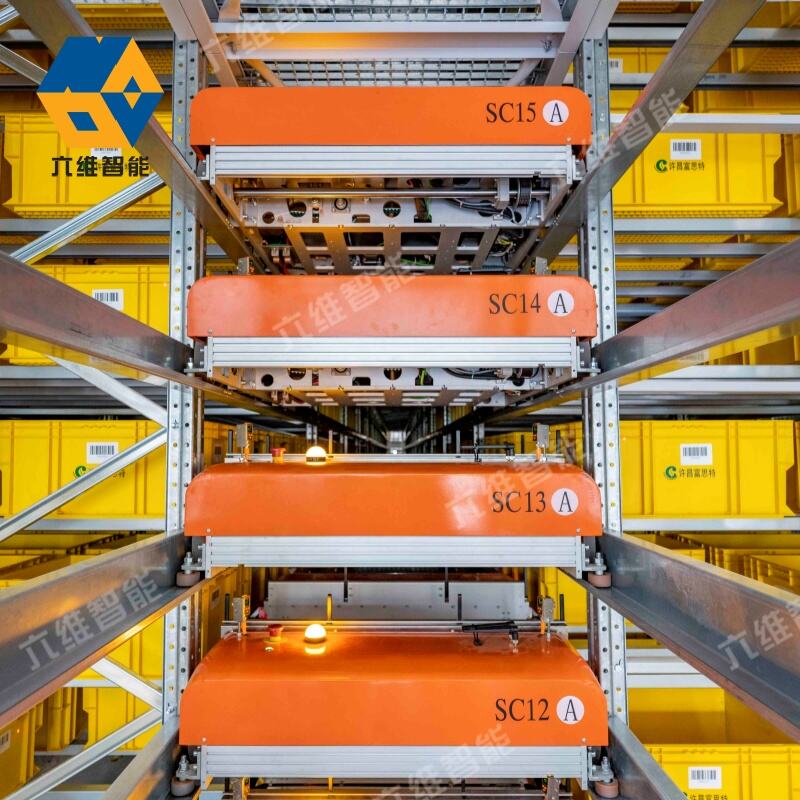
Vertical storage solutions for warehouses represent a transformative approach to modern inventory management and space optimization. These sophisticated systems utilize the full height of warehouse facilities, extending storage capacity upward rather than outward, which makes them essential for businesses facing space constraints or seeking to maximize their existing footprint. The main function of vertical storage solutions for warehouses centers on automating the retrieval and storage of goods through mechanical or robotic systems that access multiple levels of shelving or racking. These solutions incorporate automated storage and retrieval systems, vertical lift modules, vertical carousels, and high-bay racking configurations that can reach heights of up to 100 feet or more. Technological features include computerized inventory management software that tracks item locations in real-time, sophisticated sensors that ensure precise positioning and safety, variable frequency drives for smooth acceleration and deceleration, and integration capabilities with warehouse management systems and enterprise resource planning platforms. Advanced models feature touchscreen interfaces, barcode scanning technology, LED pick-to-light indicators, and automated inventory counting functions that eliminate manual stocktaking errors. The applications span numerous industries including automotive parts distribution, pharmaceutical storage, electronics warehousing, retail fulfillment centers, cold storage facilities, and manufacturing operations. These systems prove particularly valuable in operations handling small to medium-sized items with high SKU counts, where quick access and accurate picking are paramount. Vertical storage solutions for warehouses address critical challenges such as rising real estate costs, labor shortages, increasing order volumes, and the demand for faster fulfillment times. By consolidating inventory into a smaller footprint while improving accessibility, these systems deliver measurable improvements in operational efficiency, accuracy rates, and worker safety while reducing the physical demands placed on warehouse personnel.

New Product Releases

Implementing vertical storage solutions for warehouses delivers substantial space savings that directly impact your bottom line. These systems typically reduce the floor space required for storage by 50 to 85 percent compared to traditional shelving arrangements, freeing up valuable real estate for additional revenue-generating activities or allowing businesses to avoid costly facility expansions. You can store more inventory in less space, which translates to lower rent or mortgage costs, reduced utility expenses for heating and cooling, and decreased property taxes. The automated nature of these systems dramatically improves worker productivity by bringing items directly to operators at an ergonomic height, eliminating the time workers spend walking aisles, searching for products, or using ladders and forklifts to access high shelves. This goods-to-person approach can increase picking speeds by 200 to 400 percent while simultaneously reducing labor costs per order. Your employees complete more tasks in less time with less fatigue, allowing you to handle higher order volumes without proportionally increasing your workforce. Accuracy improvements represent another compelling advantage, as vertical storage solutions for warehouses virtually eliminate picking errors through controlled access points and digital verification systems. Error rates typically drop from industry averages of 1-3 percent down to less than 0.1 percent, which means fewer returns, reduced customer service issues, and improved customer satisfaction scores. Enhanced security comes built into these systems since inventory remains enclosed and access can be restricted to authorized personnel only, reducing shrinkage from theft or misplacement. Safety benefits are significant because workers no longer need to climb ladders, operate forklifts in congested aisles, or manually handle heavy items from awkward positions, leading to fewer workplace injuries and lower workers compensation insurance premiums. The systems also protect inventory from damage caused by forklift collisions, improper stacking, or environmental factors. You gain better inventory visibility through integrated software that tracks every item location and movement, providing real-time data for informed decision-making about reordering, stock rotation, and demand forecasting. Energy efficiency improves as climate control becomes more manageable in enclosed systems, and modern units consume relatively little power compared to the operational costs of conventional warehousing with multiple forklifts. The modular nature of vertical storage solutions for warehouses allows you to scale capacity as your business grows without major renovations or relocations. You can start with one unit and add more as needed, making this technology accessible to businesses of various sizes and protecting your initial investment.

Tips And Tricks

What Makes a Longspan Rack Ideal for Medium- to Heavy-Duty Storage?

13

Jan

What Makes a Longspan Rack Ideal for Medium- to Heavy-Duty Storage?

Modern warehouses and industrial facilities face increasing pressure to optimize storage capacity while maintaining efficient access to inventory. The longspan rack has emerged as a versatile solution that bridges the gap between light-duty shelving ...
View More
How Does a Warehouse Mezzanine Increase Storage Capacity Efficiently?

13

Jan

How Does a Warehouse Mezzanine Increase Storage Capacity Efficiently?

Modern warehouse operations face mounting pressure to maximize storage capacity without expanding their physical footprint. A warehouse mezzanine represents one of the most effective solutions for increasing storage density while maintaining operatio...
View More
How to Optimize Warehouse Space with Heavy Duty Pallet Racks?

16

Mar

How to Optimize Warehouse Space with Heavy Duty Pallet Racks?

Warehouse space optimization has become a critical concern for businesses seeking to maximize storage capacity while minimizing operational costs. The implementation of proper storage solutions can dramatically transform warehouse efficiency, with he...
View More
What Are Essential Safety Tips for Installing a Steel Platform?

16

Mar

What Are Essential Safety Tips for Installing a Steel Platform?

Industrial facilities worldwide rely on steel platforms to maximize vertical storage space and improve operational efficiency. These robust structures serve as elevated work areas, storage solutions, and access points in warehouses, manufacturing pla...
View More

Get a Free Quote

Our representative will contact you soon.
Email
Name
Company Name
Message
0/1000

vertical storage solutions for warehouses

Maximized Space Utilization Through Vertical Expansion

Maximized Space Utilization Through Vertical Expansion

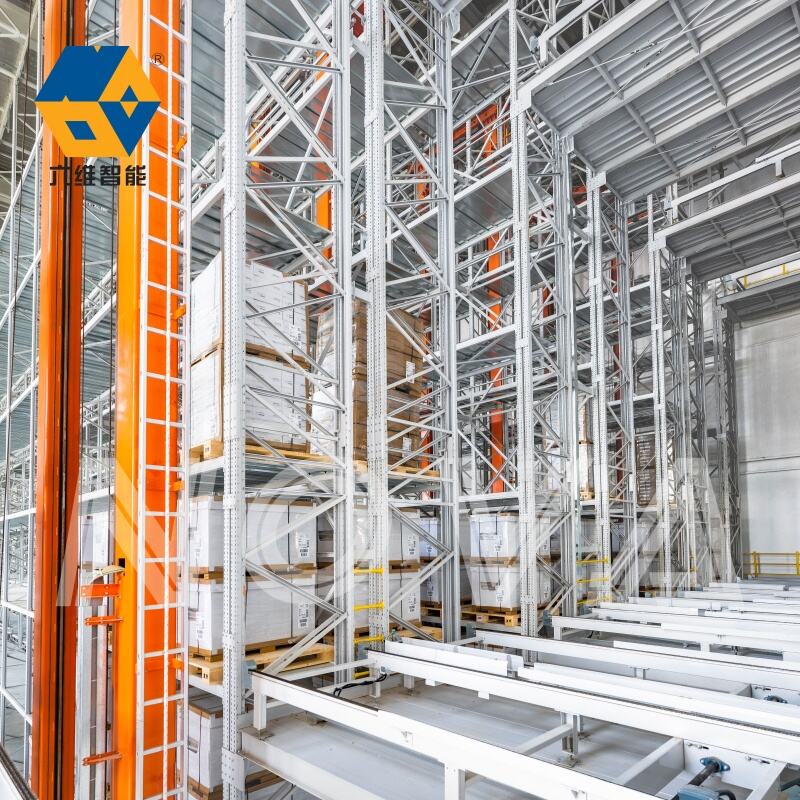
Vertical storage solutions for warehouses fundamentally reimagine how businesses approach their storage capacity challenges by exploiting the most underutilized dimension in traditional warehousing: vertical space. Most conventional storage systems only use a fraction of available ceiling height, leaving enormous potential untapped. These advanced systems capitalize on every cubic foot from floor to ceiling, often reaching heights between 30 and 100 feet depending on building specifications and load requirements. This vertical expansion strategy delivers transformative results for facilities constrained by expensive urban real estate or those experiencing rapid inventory growth. The space savings achieved through vertical storage solutions for warehouses are not merely incremental but exponential, with many operations reporting that inventory previously requiring 10,000 square feet now fits comfortably in 2,000 square feet or less. This consolidation creates opportunities to repurpose freed floor space for value-adding activities such as packaging stations, quality control areas, customer showrooms, or additional production lines. For businesses leasing warehouse space, the reduced footprint requirement can mean relocating to smaller, less expensive facilities or subleasing excess space to generate additional revenue. Companies owning their facilities can defer or completely avoid costly building expansions that would require significant capital investment, permitting approvals, and construction downtime. The vertical approach also improves building aesthetics and functionality by reducing clutter and creating organized, professional environments that impress customers and business partners during facility tours. Beyond mere storage density, these systems enable intelligent organization where fast-moving items can be positioned for quicker access while slower-moving inventory occupies other locations, all managed automatically by the system software. The enclosed nature of vertical storage solutions for warehouses also means inventory is protected from dust, moisture, and temperature fluctuations more effectively than open shelving, which is particularly crucial for sensitive products like electronics, pharmaceuticals, or precision components. This three-dimensional storage strategy represents a paradigm shift from simply stacking items higher to creating an intelligent, automated storage ecosystem that adapts to your operational needs while maximizing every dimension of your facility.
Enhanced Operational Efficiency and Productivity Gains

Enhanced Operational Efficiency and Productivity Gains

Vertical storage solutions for warehouses revolutionize operational workflows by transforming the traditional person-to-goods model into an efficient goods-to-person system that eliminates unnecessary movement and maximizes productive time. In conventional warehouses, workers spend approximately 50 to 70 percent of their shift simply walking between locations, searching for items, and transporting goods, leaving only a fraction of their time for actual value-adding activities like picking, packing, and quality verification. This inefficiency multiplies across your entire workforce, representing thousands of lost labor hours annually. Vertical storage solutions for warehouses solve this problem by delivering requested items directly to the operator at a comfortable working height within seconds, typically between 15 and 45 seconds depending on system configuration and item location. This dramatic reduction in retrieval time means workers complete significantly more transactions per hour without rushing or experiencing physical fatigue. Real-world implementations consistently demonstrate productivity improvements ranging from 200 to 400 percent, allowing businesses to process substantially higher order volumes with the same or even reduced staffing levels. The ergonomic benefits cannot be overstated, as operators remain at a single workstation where items are presented at optimal heights between waist and shoulder level, eliminating the bending, reaching, climbing, and lifting that characterize traditional warehousing and lead to musculoskeletal injuries. This ergonomic design reduces worker fatigue throughout shifts, maintains consistent productivity from first hour to last, and significantly decreases workplace injury rates and associated costs. The automated nature of vertical storage solutions for warehouses also standardizes workflows, making training faster and easier for new employees who can become productive in days rather than weeks since they no longer need to memorize warehouse layouts or product locations. The integrated software guides operators through each task with visual and sometimes auditory prompts, reducing cognitive load and minimizing errors. Batch picking capabilities allow workers to efficiently retrieve multiple orders simultaneously, further amplifying productivity gains. The system's ability to optimize retrieval sequences based on item locations means the machine works intelligently to minimize its own cycle times, continuously improving throughput without requiring operator expertise or intervention.
Superior Inventory Accuracy and Control

Superior Inventory Accuracy and Control

Implementing vertical storage solutions for warehouses establishes unprecedented levels of inventory accuracy and control that traditional storage methods simply cannot match, addressing one of the most persistent and costly challenges in warehouse operations. Inventory discrepancies plague conventional warehouses, with typical error rates between 1 and 3 percent resulting from mislabeled items, incorrect put-away locations, picking mistakes, and unrecorded movements. These errors cascade through your entire operation, causing stockouts of available items, inflated safety stock levels, emergency expedited shipments, customer dissatisfaction, and costly returns processing. Vertical storage solutions for warehouses virtually eliminate these problems through controlled access, automated tracking, and systematic verification processes. Every item entering the system is assigned a specific location recorded in the database, and the mechanical retrieval system ensures items can only be accessed through authorized transactions logged with user identification, timestamp, and quantity data. This closed-loop tracking creates an unbroken chain of custody and accountability that prevents the informal borrowing, misplacement, and shrinkage common in open warehouse environments. The picking accuracy achieved by vertical storage solutions for warehouses typically exceeds 99.9 percent because the system delivers the exact location containing the requested item, eliminating the human error inherent in reading location labels, distinguishing between similar-looking products, or accessing incorrect shelf positions. Many systems incorporate additional verification steps such as barcode scanning, weight confirmation, or visual verification displays that provide photographic references of correct items, adding multiple safeguards against errors. This accuracy improvement directly enhances customer satisfaction by ensuring orders are fulfilled correctly the first time, reducing return rates, and building brand reputation for reliability. The real-time inventory visibility provided by these systems transforms inventory management from a periodic guessing game into a precise science, where managers can instantly access accurate stock levels, movement histories, and turnover rates for every SKU. This visibility enables sophisticated inventory optimization strategies, including just-in-time replenishment, automatic reorder point triggering, and data-driven decisions about discontinued items or slow-moving stock. The system naturally enforces first-in-first-out rotation for date-sensitive products, reducing waste from expiration. Security benefits extend beyond theft prevention to include detailed audit trails that track every transaction, supporting regulatory compliance requirements in industries like pharmaceuticals or aerospace where complete product traceability is mandatory. Vertical storage solutions for warehouses essentially create a self-documenting inventory system where the software maintains perfect records automatically without requiring manual cycle counting or physical inventory procedures that disrupt operations.


Get a Free Quote

Our representative will contact you soon.
Email
Name
Company Name
Message
0/1000

Get a Free Quote

Our representative will contact you soon.
Email
Name
Company Name
Message
0/1000