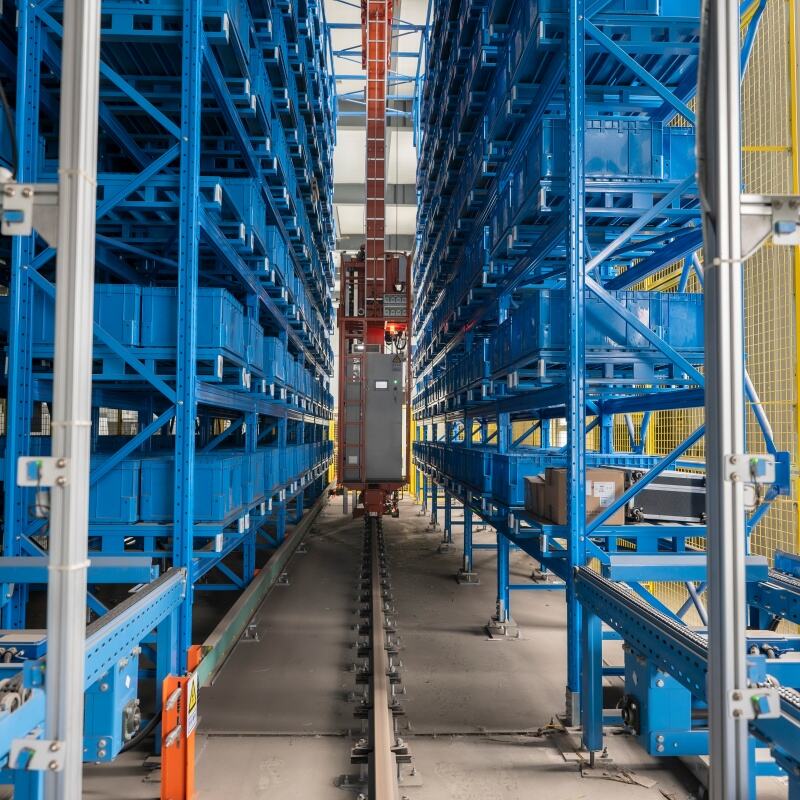
Unparalleled Operational Accuracy and Inventory Intelligence
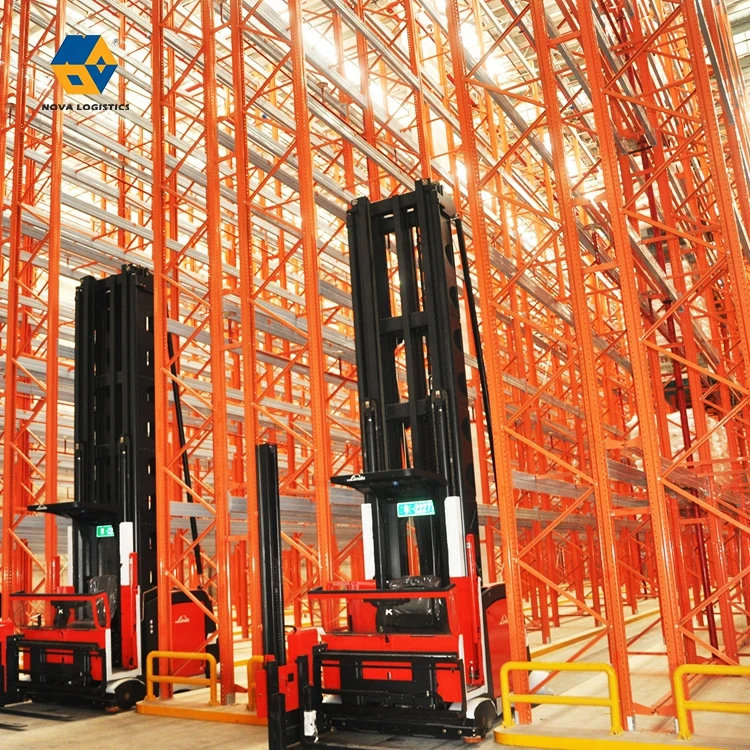
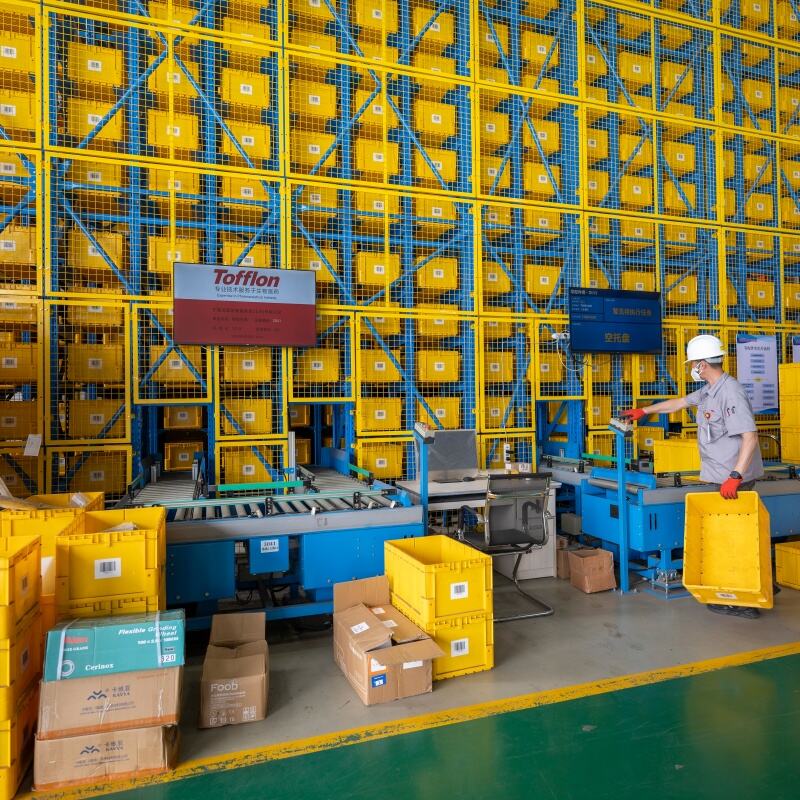
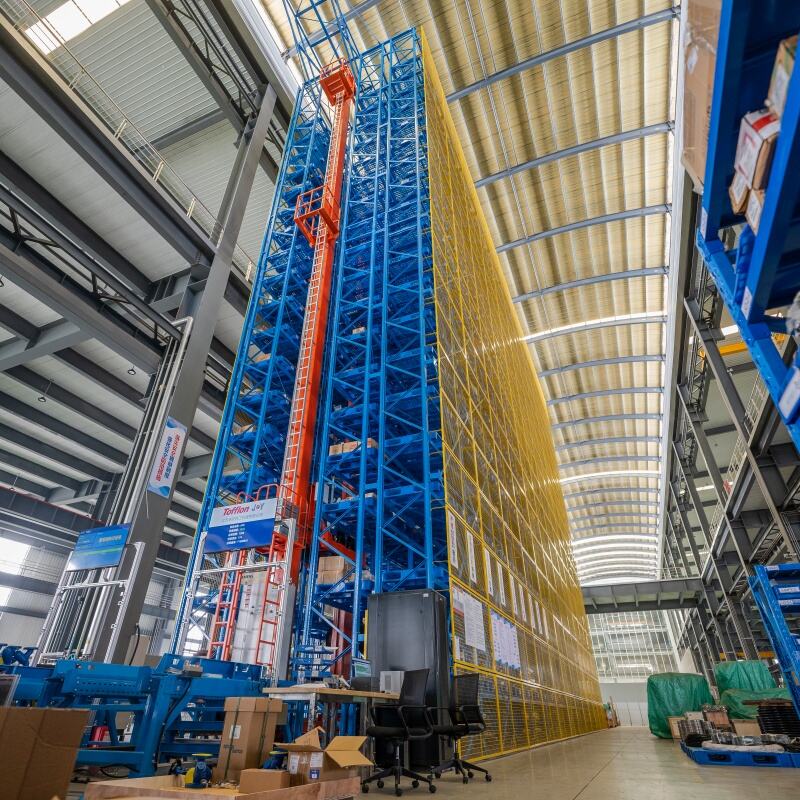
The precision and intelligence embedded within an automatic warehouse racking system elevates inventory management from a periodic counting exercise to a continuous, real-time operational asset that drives strategic business decisions. Every transaction within the system generates data captured instantaneously, creating an unbroken chain of custody and location information for every inventory unit from receiving through storage to final dispatch. This granular visibility eliminates the inventory mysteries that plague manual warehouses, where products disappear into the facility only to be rediscovered months later during physical counts or never found at all. The automatic warehouse racking system employs multiple identification technologies including barcode scanning, RFID tags, and dimensional scanning to verify that the correct item reaches the correct location every time, with validation checkpoints at receiving, putaway, storage, retrieval, and shipping stages. Error rates in automated facilities typically measure below 0.01 percent compared to 1 to 3 percent in manual operations, a difference that translates to thousands of prevented mistakes annually in medium-sized operations. The financial impact extends beyond avoiding shipping wrong items to customers; accurate inventory enables optimized purchasing decisions, prevents stockouts of critical products, identifies slow-moving inventory requiring clearance action, and supports just-in-time manufacturing strategies that minimize working capital tied up in excess inventory. The warehouse management software component of an automatic warehouse racking system incorporates predictive analytics that forecast demand patterns, suggest reorder points, identify seasonal trends, and alert management to anomalies requiring investigation. Integration capabilities allow the system to communicate bidirectionally with enterprise resource planning systems, e-commerce platforms, transportation management solutions, and supplier networks, creating a seamless information flow that supports agile response to market conditions. The traceability features prove invaluable for industries facing regulatory compliance requirements, enabling lot tracking, expiration date management, recall capabilities, and audit trail documentation that manual systems struggle to provide consistently. Quality control processes benefit from the systematic approach of an automatic warehouse racking system, with automated inspection stations, dimensional verification, weight confirmation, and photographic documentation capabilities integrated into the material flow. The intelligence extends to predictive maintenance monitoring of the mechanical systems themselves, with sensors tracking component wear patterns, lubricant conditions, and performance metrics to schedule maintenance proactively before failures occur, maximizing uptime and preventing costly emergency repairs during peak operational periods.

 EN
EN