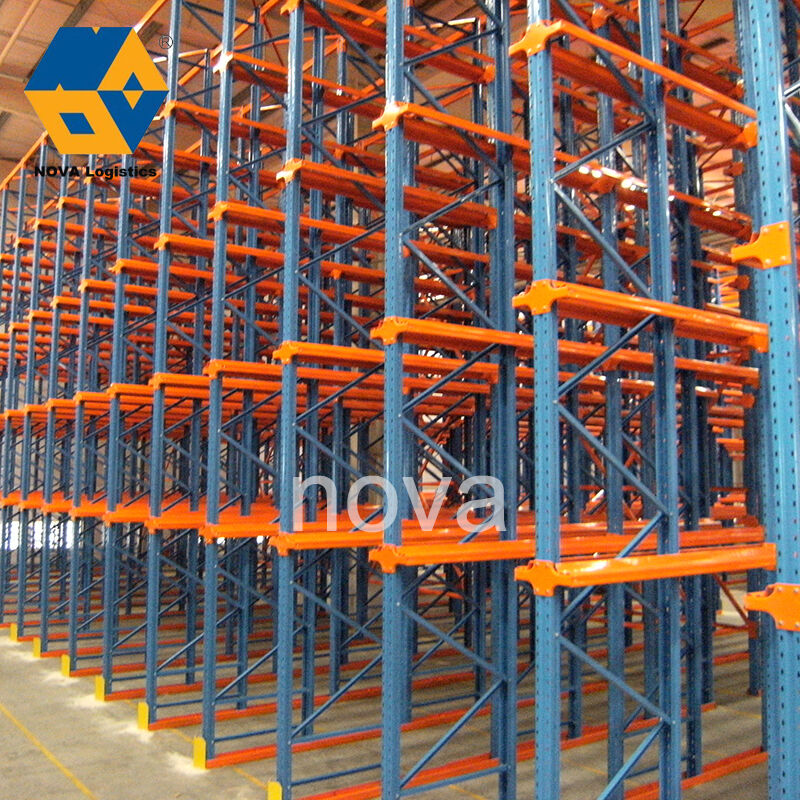
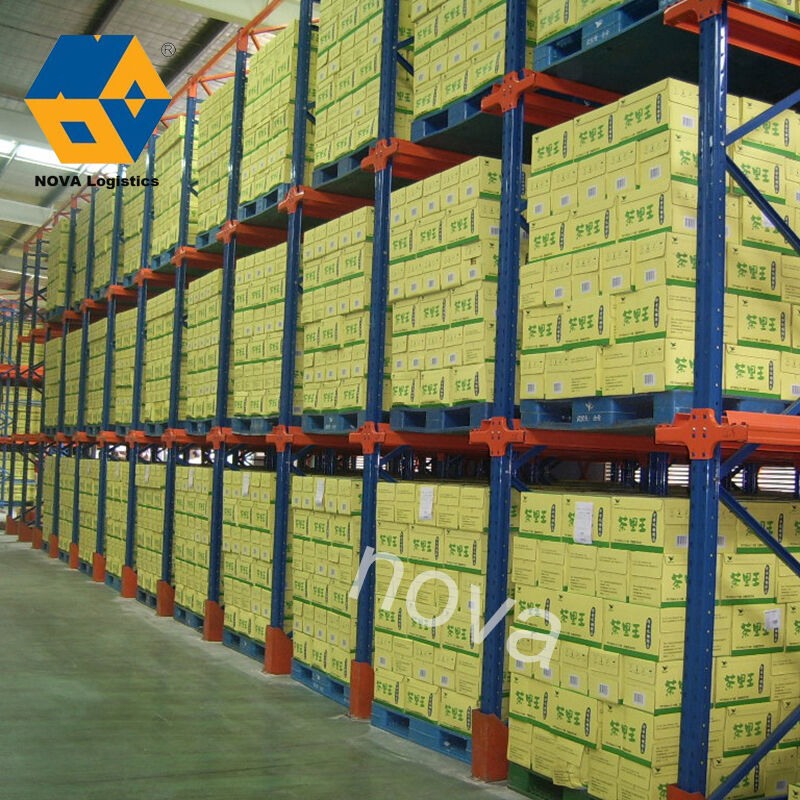
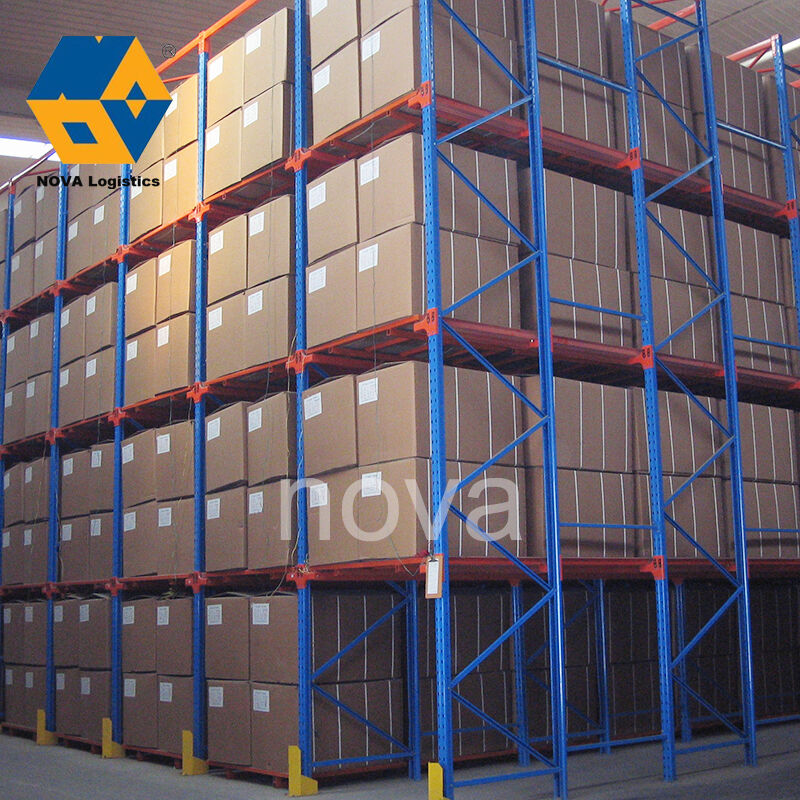
drive in drive through racking
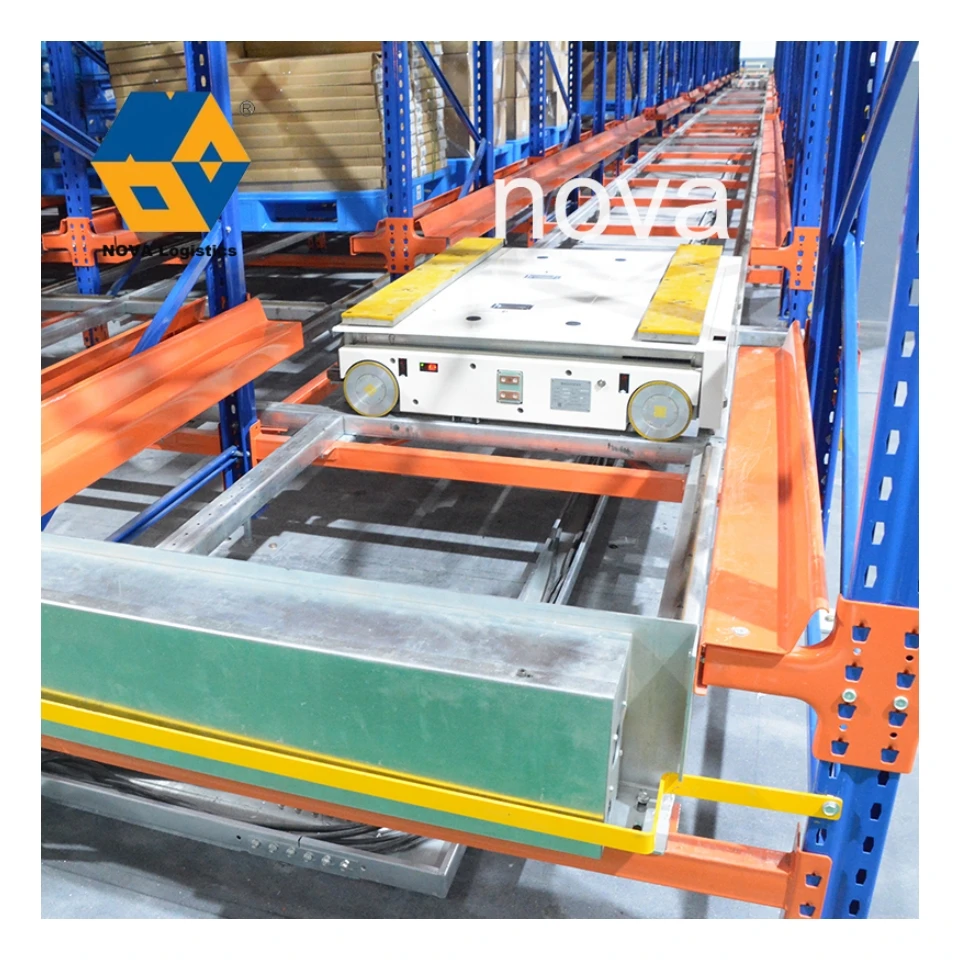
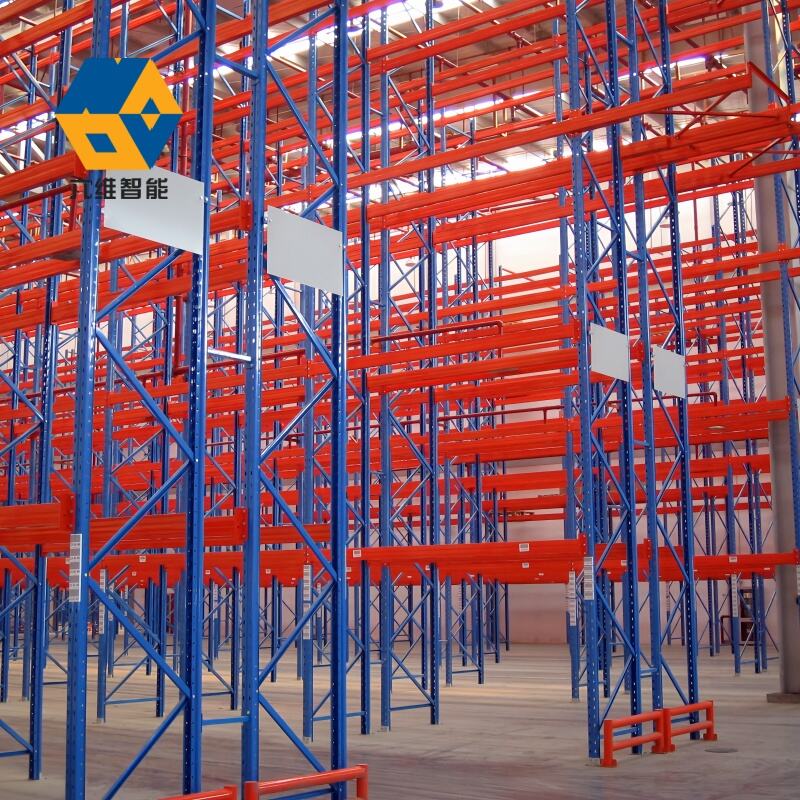
Drive in drive through racking represents a sophisticated warehousing solution designed to maximize storage capacity while minimizing aisle space requirements. This high-density storage system allows forklifts to enter directly into the rack structure to deposit or retrieve pallets, fundamentally transforming how businesses manage their inventory. The drive in drive through racking system operates on a last-in-first-out (LIFO) or first-in-first-out (FIFO) principle, depending on the specific configuration chosen. In drive-in configurations, forklifts enter and exit from the same side, making it ideal for storing homogeneous products with lower turnover rates. Conversely, drive-through systems permit access from both ends of the rack, enabling products to be loaded from one side and retrieved from the opposite side, which supports FIFO inventory management. The technological framework of drive in drive through racking incorporates robust structural components including guide rails, support arms, and reinforced uprights engineered to withstand the dynamic forces generated during forklift operations. These systems typically accommodate multiple pallets in depth, ranging from three to ten positions, significantly increasing cubic space utilization compared to conventional selective racking. The applications of drive in drive through racking span diverse industries including cold storage facilities, food and beverage distribution, manufacturing plants, and retail distribution centers. Companies dealing with large quantities of similar products find this system particularly advantageous. The racking structure eliminates the need for multiple aisles, converting previously wasted space into productive storage area. Modern drive in drive through racking systems incorporate safety features such as column guards, guide rails for precise forklift navigation, and structural reinforcements that ensure stability even when fully loaded. This storage methodology proves especially valuable in temperature-controlled environments where maximizing storage density directly reduces operational costs associated with climate control.
 EN
EN