Versatile Configuration Options Supporting Diverse Operational Requirements
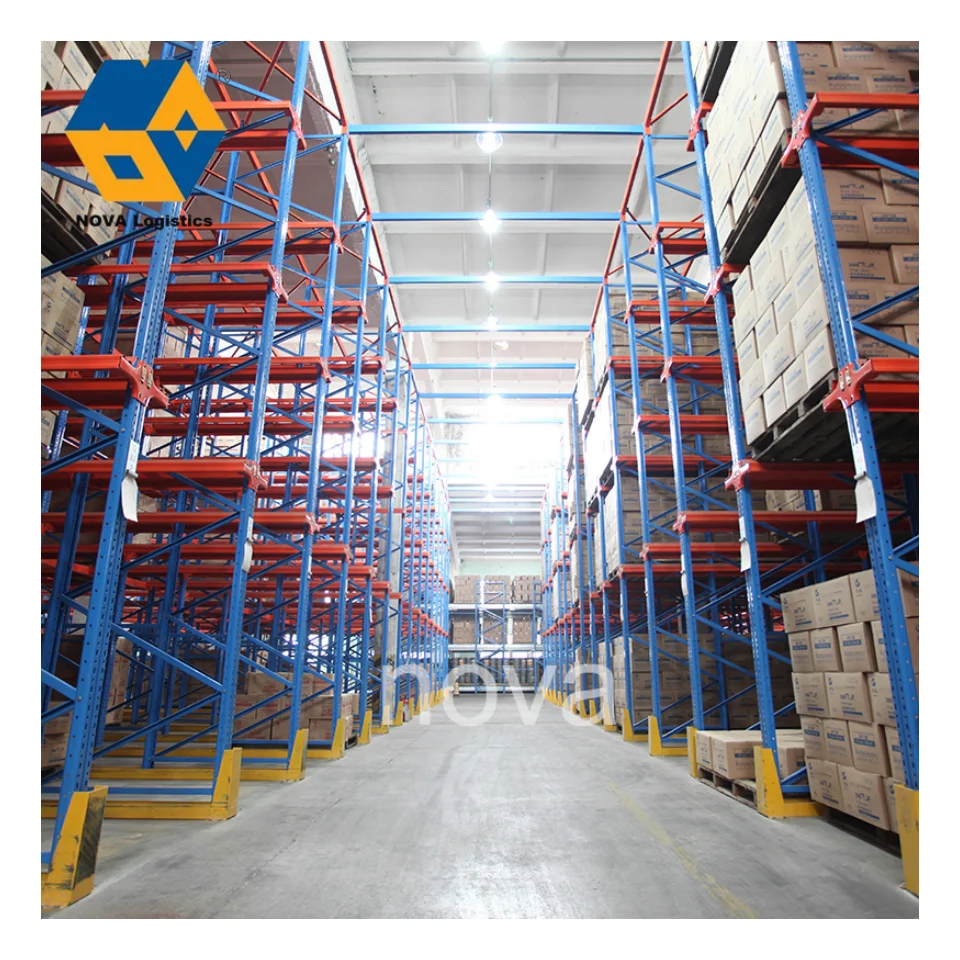
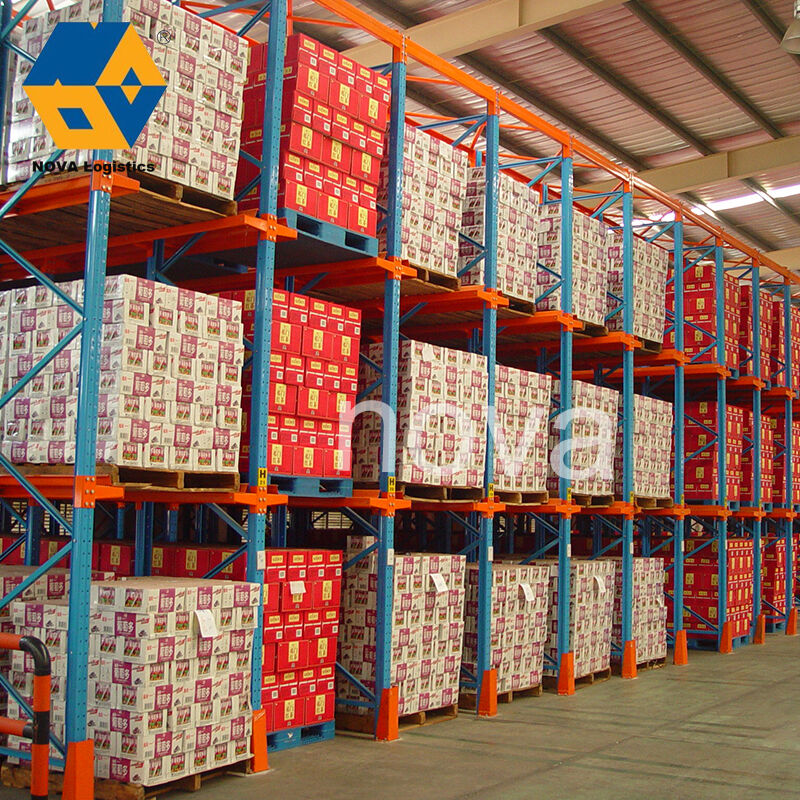
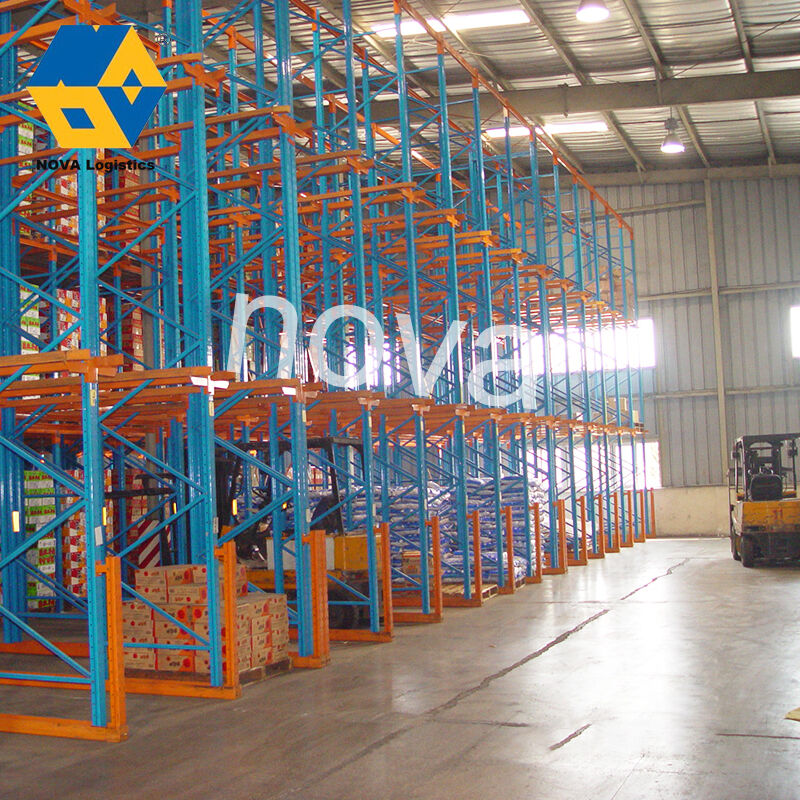
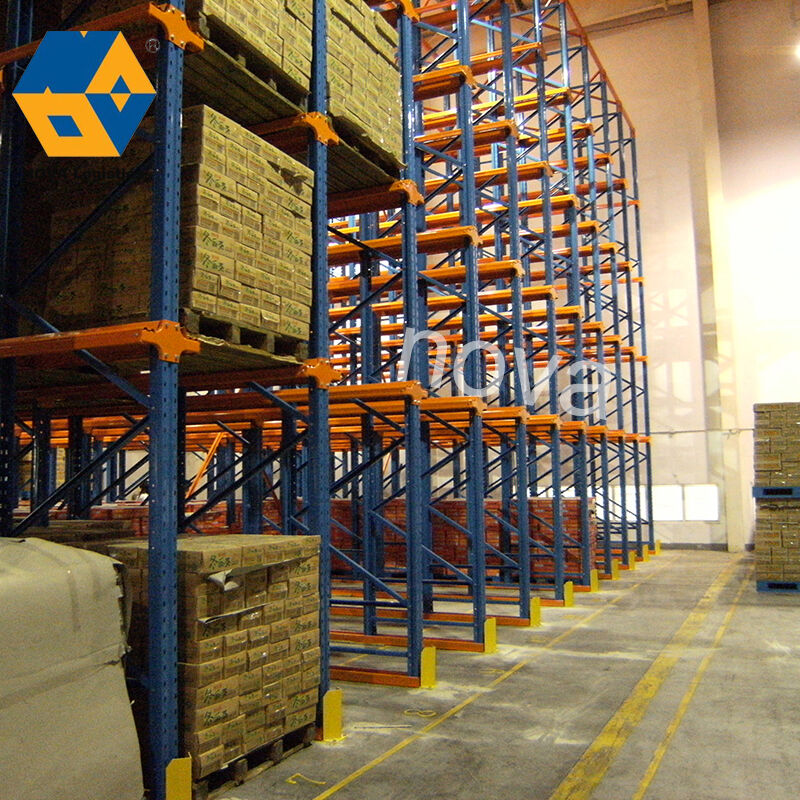
Drive in and drive through racking systems demonstrate remarkable versatility through their ability to adapt to varied operational workflows and inventory management strategies. The fundamental distinction between drive in and drive through configurations provides warehouse managers with strategic options based on their specific inventory rotation needs. Drive in systems, which allow access from only one end of the storage lane, naturally create a last-in-first-out inventory flow pattern. This configuration proves ideal for operations storing non-perishable goods, raw materials, or products where expiration dates are not critical concerns. Manufacturing facilities often utilize drive in racking for component storage, where production schedules dictate usage rather than chronological order. The single-entry design maximizes the number of storage lanes that can fit within a given warehouse footprint, as the rear wall serves as a backstop, eliminating the need for access aisles on both sides. Conversely, drive through racking facilitates first-in-first-out inventory rotation by providing access points at both ends of the storage lanes. This configuration suits operations handling perishable goods, pharmaceuticals, or any products where stock rotation follows strict chronological order to prevent expiration or obsolescence. Food distribution centers, cold storage facilities, and healthcare supply warehouses frequently implement drive through systems to ensure compliance with inventory management best practices and regulatory requirements. The dual-access design integrates seamlessly into warehouse flow patterns, allowing receiving operations to load pallets from one end while order fulfillment teams retrieve inventory from the opposite end, creating efficient product movement throughout the facility. Beyond the basic drive in versus drive through decision, these racking systems offer extensive customization possibilities. Rail heights can be adjusted to accommodate various pallet sizes or product configurations, from standard forty-eight inch pallets to specialized dimensions. Lane depths can vary within the same installation, allowing warehouses to optimize storage based on product velocity and order picking requirements. High-turnover items might occupy shorter lanes for quicker access, while slow-moving inventory utilizes deeper lanes for maximum space efficiency. This flexibility ensures the racking system aligns precisely with operational strategies rather than forcing businesses to adapt their processes to rigid storage constraints.

 EN
EN