Customizable Design for Diverse Operational Requirements
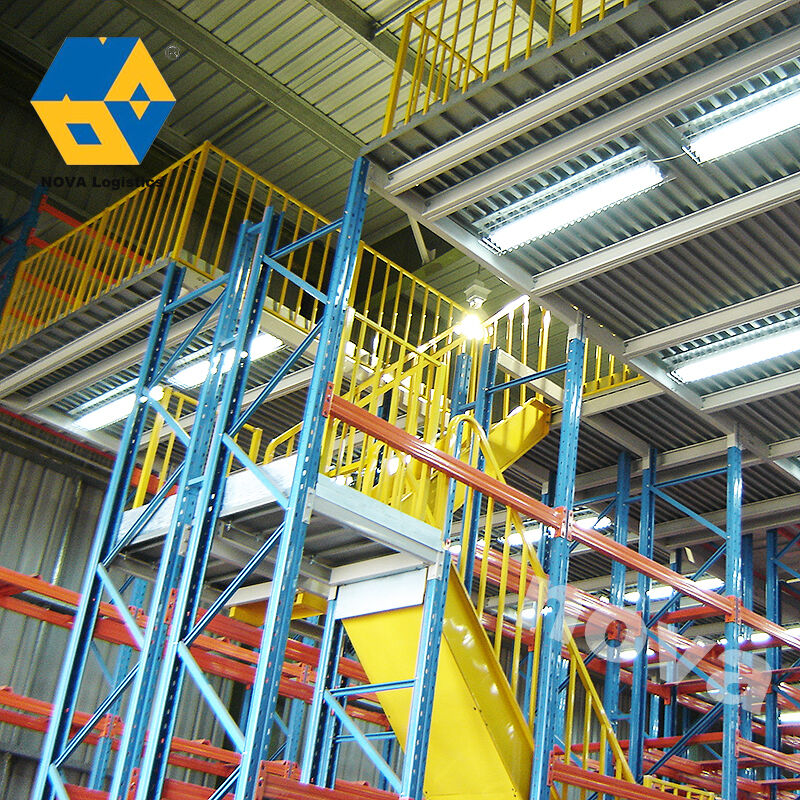
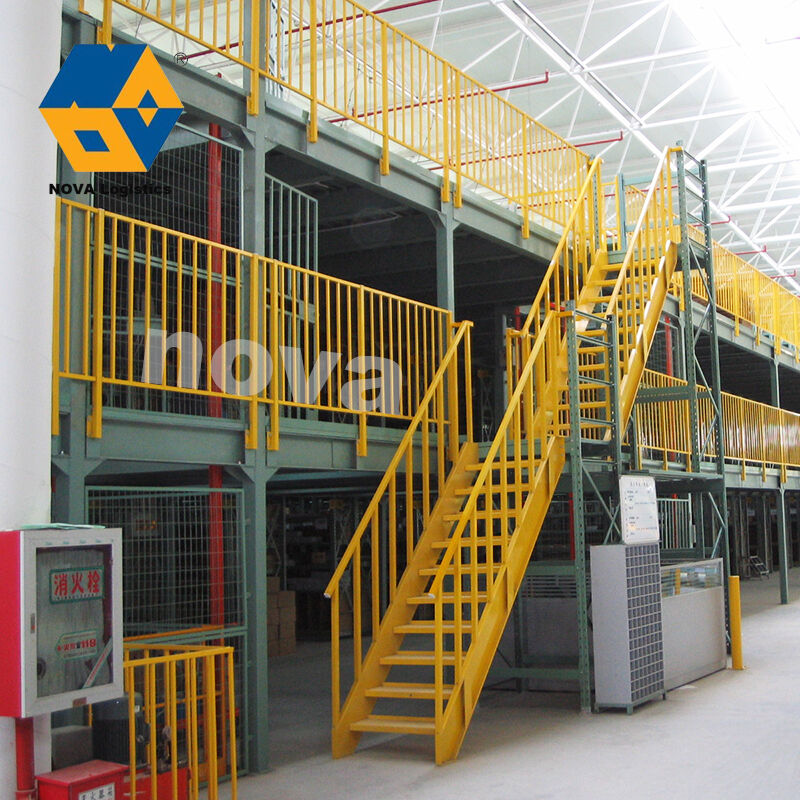
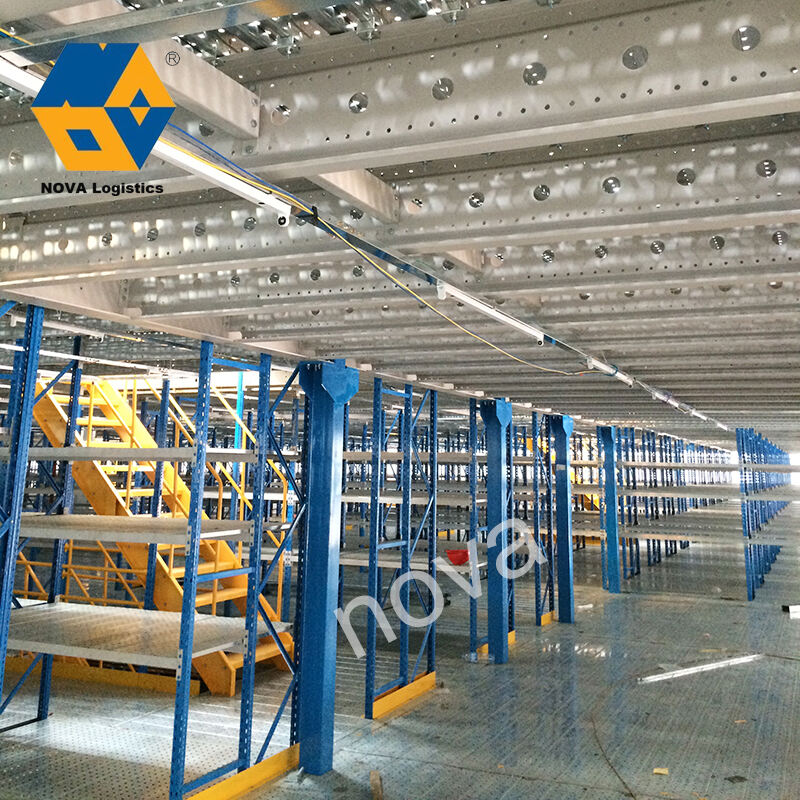
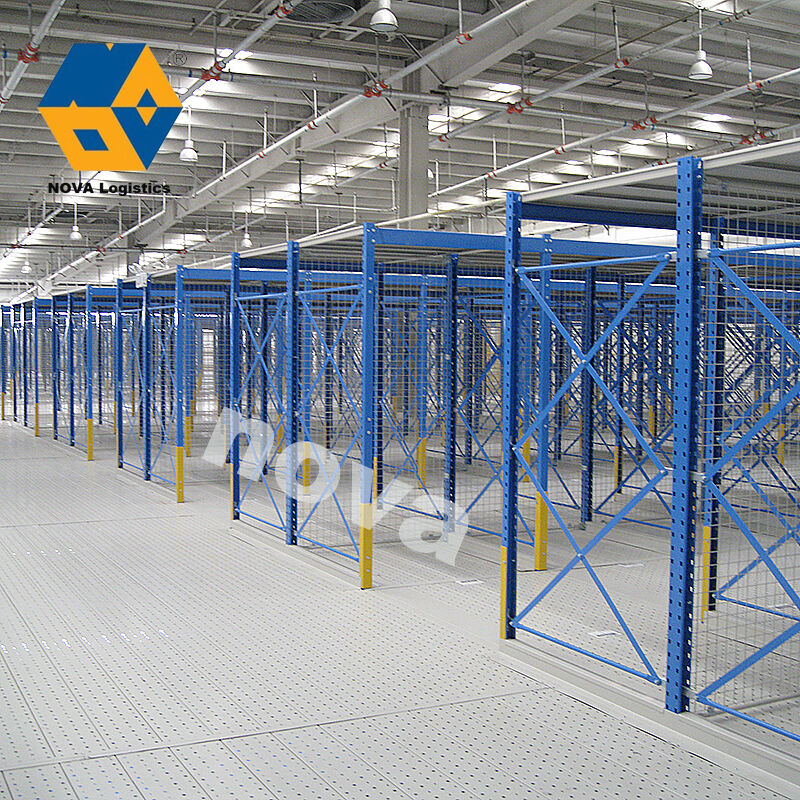
The adaptability of mezzanine warehouse storage systems addresses the unique operational challenges that different businesses face across various industries and workflow configurations. Unlike rigid storage solutions that force companies to conform their processes to predetermined structures, mezzanine warehouse storage offers virtually unlimited customization possibilities that align perfectly with specific operational requirements, product characteristics, and future growth trajectories. Engineering teams design these systems with precise load capacities tailored to the exact weight and distribution patterns of stored materials, whether handling lightweight garments, moderately heavy electronics, or substantial automotive components requiring robust structural support. The modular nature of mezzanine warehouse storage enables configuration of platform sizes, shapes, and elevations that optimize available space while accommodating existing building features such as columns, doors, utility installations, and fire suppression systems. Businesses select from various decking materials including resin board, bar grating, diamond plate, and concrete fill, each offering distinct characteristics regarding durability, maintenance requirements, and suitability for specific applications like forklift traffic or clean room environments. Access solutions integrate seamlessly with operational workflows through options including open staircases for high-traffic areas, spiral staircases for space-constrained locations, catwalks connecting multiple mezzanine sections, conveyor systems for automated material flow, and vertical lifts for efficient product movement between levels. Lighting installations, electrical outlets, data connections, and HVAC provisions can be incorporated directly into mezzanine warehouse storage structures, creating fully functional work environments that support diverse activities from order picking and packing to quality control inspections and administrative functions. The systems accommodate specialized requirements such as temperature-controlled sections for sensitive products, reinforced areas for heavy equipment placement, or designated zones meeting regulatory compliance standards for pharmaceutical, food service, or hazardous material storage applications. As businesses evolve, mezzanine warehouse storage adapts accordingly through straightforward expansion modules that add square footage, reconfiguration of existing platforms to support changing workflows, or complete relocation to different facilities if circumstances require, preserving the initial investment value and extending system lifespan indefinitely. This inherent flexibility eliminates the risk of obsolescence that plagues fixed storage infrastructure, ensuring that mezzanine warehouse storage continues delivering value throughout multiple business cycles and operational transformations.

 EN
EN