Steel Warehouse Mezzanine Solutions - Maximize Space & Efficiency | Industrial Storage Systems

All Categories

Get a Free Quote

Our representative will contact you soon.
Email
Name
Company Name
Message
0/1000

steel warehouse mezzanine

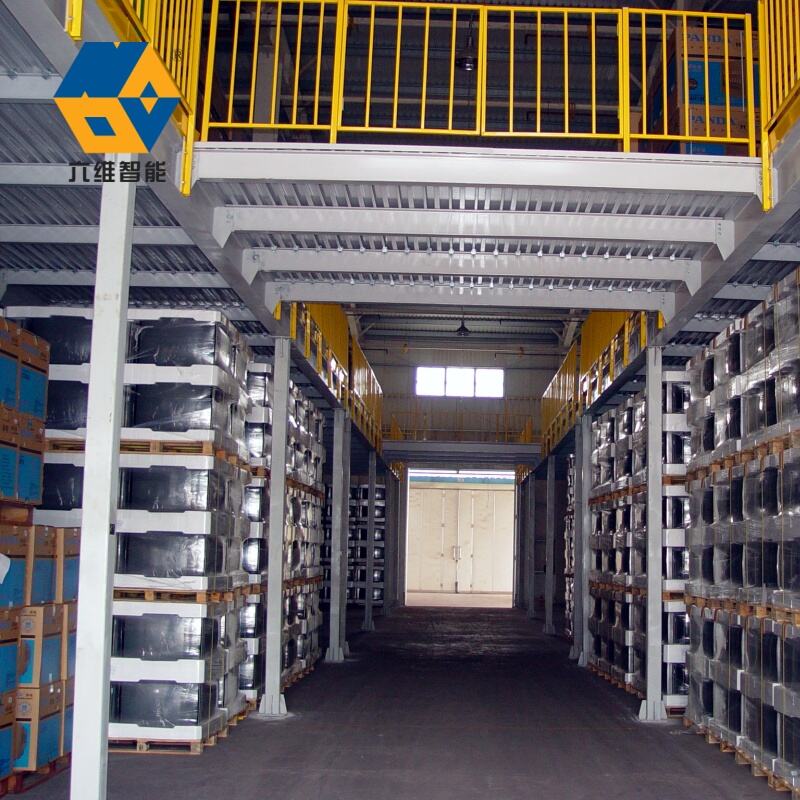
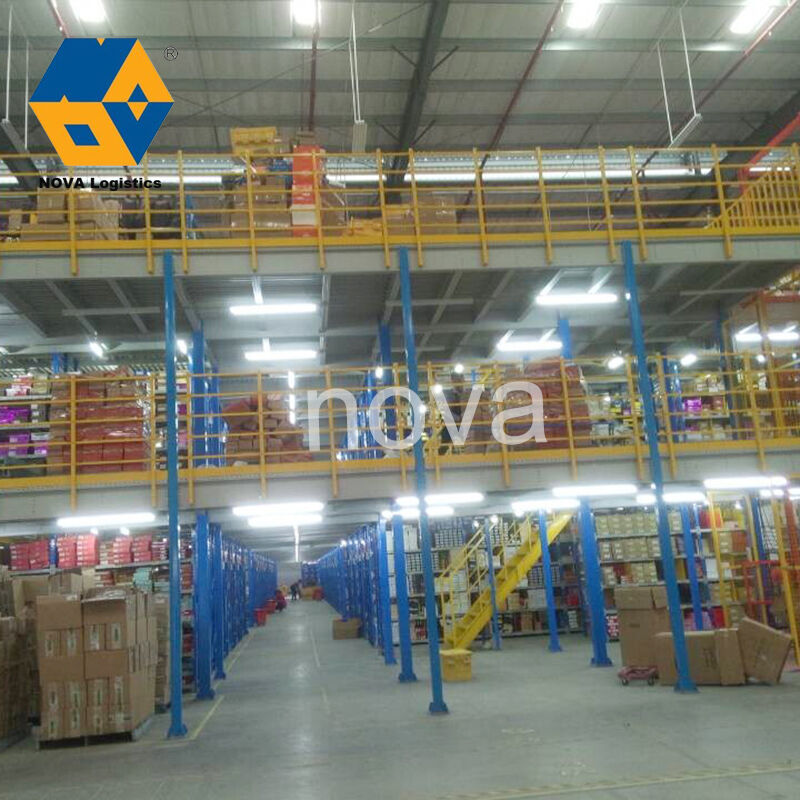
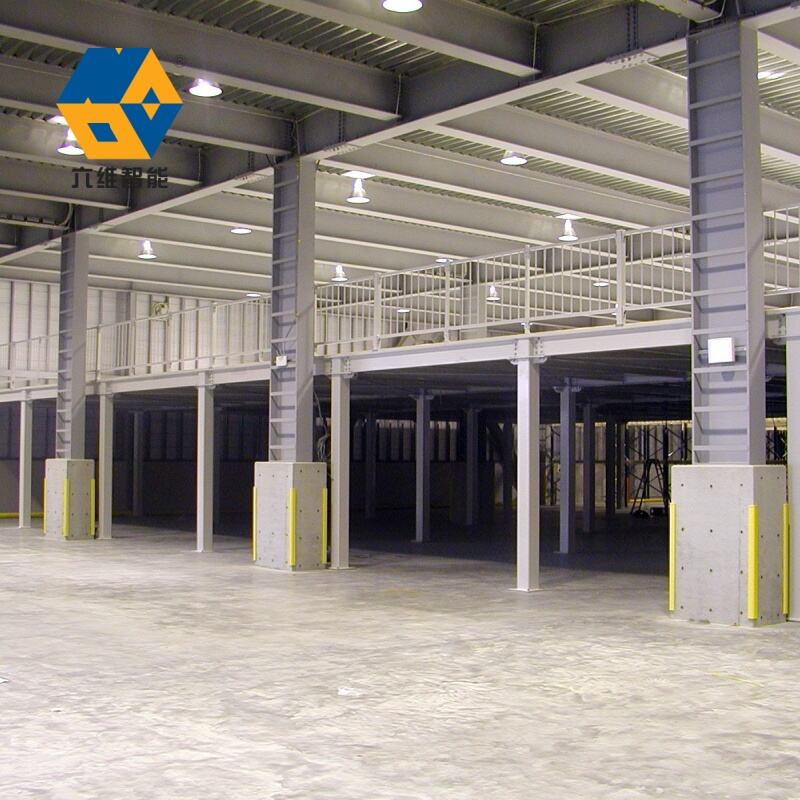
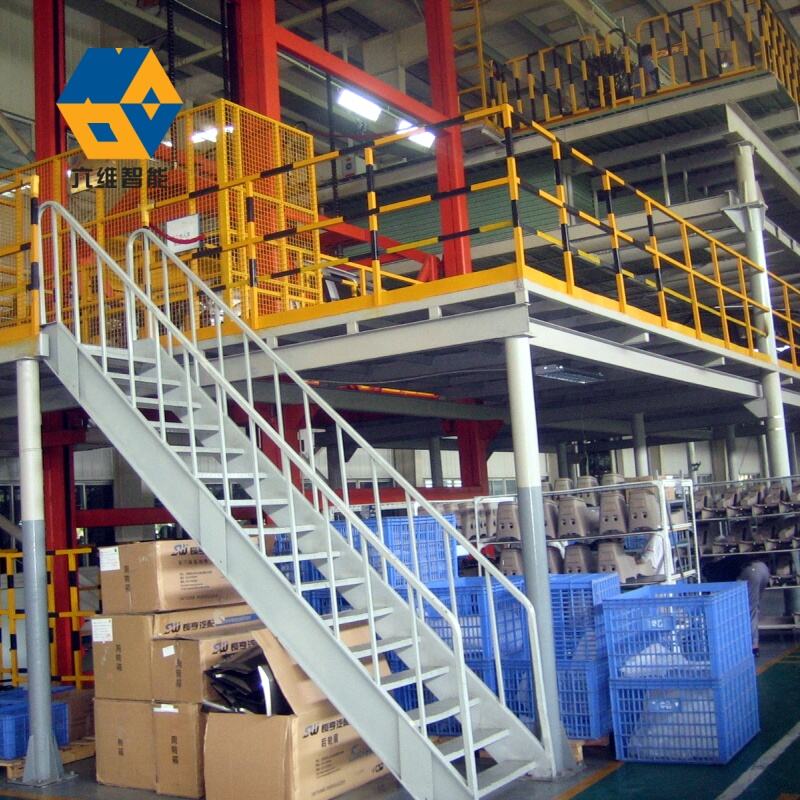
A steel warehouse mezzanine represents an innovative storage solution that maximizes vertical space within existing warehouse facilities. This intermediate floor system is constructed primarily from heavy-duty steel components, creating an additional level between the ground floor and ceiling of a warehouse structure. The steel warehouse mezzanine serves as a cost-effective alternative to building expansion or relocating to larger premises, allowing businesses to double or even triple their usable floor space without the substantial investment required for new construction. The primary function of a steel warehouse mezzanine involves creating supplementary storage areas, office spaces, production zones, or quality control stations within the existing building footprint. Technologically, these structures feature engineered steel beams, columns, and decking systems that distribute weight loads safely and efficiently across the warehouse floor. Modern steel warehouse mezzanine installations incorporate advanced design software that calculates precise load capacities, ensuring structural integrity while accommodating heavy inventory, equipment, or personnel traffic. The modular nature of steel warehouse mezzanine systems allows for customization according to specific operational requirements, including adjustable height configurations, various decking materials, and integrated access solutions such as staircases, lifts, or conveyor systems. Applications span diverse industries including e-commerce fulfillment centers, manufacturing facilities, automotive parts distribution, retail operations, and cold storage warehouses. The steel warehouse mezzanine can be configured to support pallet racking systems, shelving units, workstations, or open floor plans depending on business needs. Installation processes are remarkably efficient, with most steel warehouse mezzanine projects completed within weeks rather than months, minimizing disruption to ongoing operations. These structures comply with building codes and safety regulations, incorporating features like handrails, toe boards, and fire-resistant materials where required. The adaptability of steel warehouse mezzanine systems means they can be dismantled, relocated, or reconfigured as business requirements evolve, providing long-term flexibility that traditional construction cannot match.


New Products

The steel warehouse mezzanine delivers substantial economic benefits by eliminating the need for expensive building expansions or facility relocations. Businesses can effectively double their operational space at a fraction of the cost associated with traditional construction methods, typically saving between 50 to 70 percent compared to building additions. This cost efficiency extends to property taxes, as mezzanine structures are often classified as equipment rather than permanent structures, potentially reducing tax obligations. The installation timeline presents another significant advantage, with most steel warehouse mezzanine projects completed in two to six weeks, allowing businesses to rapidly respond to growth demands without lengthy construction delays. This quick implementation means minimal disruption to daily operations and faster return on investment. The structural integrity of steel construction ensures exceptional durability and longevity, with properly maintained systems lasting decades without significant deterioration. Steel materials resist common warehouse hazards including moisture, pests, and fire better than alternative materials, reducing maintenance costs and insurance premiums. The load-bearing capacity of steel warehouse mezzanine platforms accommodates heavy inventory and equipment, supporting weights ranging from 125 to over 250 pounds per square foot depending on design specifications. This robust construction provides peace of mind for storing valuable merchandise or operating machinery on elevated platforms. Flexibility represents a crucial advantage, as steel warehouse mezzanine systems can be easily modified, expanded, or relocated as business needs change. Companies experiencing seasonal fluctuations or planning future growth appreciate this adaptability, which protects their investment over time. The open-span design maximizes usable space by minimizing the number of support columns required, creating unobstructed areas that improve workflow efficiency and material handling. Safety features integrated into steel warehouse mezzanine designs protect workers and comply with occupational safety standards, including properly designed stairs with appropriate rise and run dimensions, guardrails meeting height requirements, and adequate lighting systems. Environmental considerations favor steel construction, as steel is highly recyclable and generates less waste during manufacturing and installation compared to concrete or wood alternatives. Energy efficiency improves when steel warehouse mezzanine levels create separate climate zones, allowing businesses to heat or cool only necessary areas rather than entire warehouse volumes. The professional appearance of steel warehouse mezzanine installations enhances facility aesthetics, making positive impressions on clients, partners, and employees while maintaining industrial functionality. Financing options for steel warehouse mezzanine projects are generally favorable, as lenders view these improvements as sound investments that increase operational capacity without substantial risk. The versatility of design accommodates specialized requirements including cleanroom environments, temperature-controlled spaces, or areas requiring specific flooring materials, making steel warehouse mezzanine solutions suitable for virtually any industry application.

Tips And Tricks

How Does a Rack System Support Better Warehouse Safety Standards?

20

May

How Does a Rack System Support Better Warehouse Safety Standards?

Warehouse safety is a critical operational priority for any facility that handles significant volumes of inventory, equipment, or materials. At the center of most modern warehouse safety strategies is the rack system — a structural solution that orga...
View More
Which Heavy Duty Rack Configurations Suit Different Industries?

20

May

Which Heavy Duty Rack Configurations Suit Different Industries?

Choosing the right heavy duty rack configuration is one of the most consequential decisions a warehouse manager or operations director can make. The wrong choice leads to wasted floor space, inefficient picking workflows, and safety risks that compou...
View More
What Makes a Longspan Rack Ideal for Medium- to Heavy-Duty Storage?

13

Jan

What Makes a Longspan Rack Ideal for Medium- to Heavy-Duty Storage?

Modern warehouses and industrial facilities face increasing pressure to optimize storage capacity while maintaining efficient access to inventory. The longspan rack has emerged as a versatile solution that bridges the gap between light-duty shelving ...
View More
How Does a Warehouse Mezzanine Increase Storage Capacity Efficiently?

13

Jan

How Does a Warehouse Mezzanine Increase Storage Capacity Efficiently?

Modern warehouse operations face mounting pressure to maximize storage capacity without expanding their physical footprint. A warehouse mezzanine represents one of the most effective solutions for increasing storage density while maintaining operatio...
View More

Get a Free Quote

Our representative will contact you soon.
Email
Name
Company Name
Message
0/1000

steel warehouse mezzanine

Maximized Space Utilization Without Building Expansion

Maximized Space Utilization Without Building Expansion

The steel warehouse mezzanine represents the ultimate solution for businesses facing space constraints without the feasibility or budget for facility expansion. This innovative approach transforms underutilized vertical space into productive square footage, effectively multiplying available floor area within existing structures. Traditional warehouse layouts often leave substantial height unused, with standard facilities featuring ceiling heights between 20 to 40 feet while utilizing only the ground level for operations. A steel warehouse mezzanine capitalizes on this wasted vertical dimension, creating an intermediate level that can accommodate diverse functions from additional storage to administrative offices. The spatial efficiency gains are remarkable, with many installations doubling usable space and some complex multi-level configurations tripling or even quadrupling operational areas. This expansion occurs within the same building envelope, avoiding the complications of zoning approvals, land acquisition, and new construction permits that accompany traditional expansion projects. The engineering behind steel warehouse mezzanine systems ensures optimal space utilization through careful planning of column placement, which minimizes obstruction to ground-level operations while providing necessary structural support. Modern design approaches incorporate clear-span construction techniques that can achieve column-free spaces up to 60 feet wide, creating expansive open areas ideal for material flow and equipment operation. The vertical integration provided by steel warehouse mezzanine installations improves operational efficiency by positioning related functions in close proximity, reducing travel time for workers and materials. Inventory management becomes more sophisticated when vertical space allows for categorization by product velocity, with fast-moving items on accessible ground levels and slower-moving stock on mezzanine levels. The investment in a steel warehouse mezzanine preserves valuable real estate resources, particularly important in urban or industrial areas where land costs are prohibitive. Companies can defer or completely avoid the significant capital expenditure associated with relocating to larger facilities, which typically involves not only building costs but also business interruption, equipment moving expenses, and potential customer service disruptions. The steel warehouse mezzanine solution maintains business continuity while expanding capacity, allowing growth without the operational upheaval of relocation. This approach proves especially valuable for businesses with established customer bases in specific geographic areas or those benefiting from existing infrastructure like transportation access or utility connections.
Rapid Installation with Minimal Operational Disruption

Rapid Installation with Minimal Operational Disruption

The installation process for a steel warehouse mezzanine stands in stark contrast to traditional construction projects, offering remarkable speed and minimal interference with ongoing business operations. Unlike building additions that require months of construction activity, foundation work, and extensive site preparation, a steel warehouse mezzanine project typically reaches completion within two to six weeks from approval to occupancy. This accelerated timeline stems from the prefabricated nature of steel warehouse mezzanine components, which arrive at the facility ready for assembly rather than requiring on-site fabrication. Manufacturing occurs in controlled factory environments where precision engineering ensures perfect fit and finish, eliminating the delays and quality inconsistencies associated with field construction. The modular design of steel warehouse mezzanine systems allows installation to proceed in phases if necessary, enabling businesses to maintain operations in unaffected areas while construction occurs in designated zones. This staged approach proves particularly valuable for operations that cannot afford complete shutdowns or those serving customers requiring uninterrupted access to inventory. The installation crew for a steel warehouse mezzanine project is typically smaller than traditional construction teams, reducing congestion, noise, and disruption within the facility. Specialized installers familiar with steel warehouse mezzanine systems work efficiently, following detailed engineering drawings that specify exact placement and connection methods for every component. The bolt-together assembly process generates minimal dust, debris, or hazardous materials compared to welding, cutting, or concrete work associated with conventional construction. Environmental controls remain easier to maintain during steel warehouse mezzanine installation, crucial for facilities handling sensitive products or operating in regulated industries. The absence of wet trades like concrete pouring or plaster work eliminates curing times and moisture-related delays that plague traditional construction schedules. Weather dependencies are minimal since steel warehouse mezzanine installation occurs entirely within the protected warehouse environment, avoiding the rain delays, temperature restrictions, and seasonal limitations affecting outdoor construction. Building permits for steel warehouse mezzanine projects are generally processed more quickly than permits for permanent structures, as many jurisdictions classify these systems as equipment installations rather than building modifications. This regulatory advantage shortens the pre-construction phase, allowing businesses to move from planning to implementation rapidly. The quick implementation of steel warehouse mezzanine systems provides competitive advantages in dynamic markets where the ability to scale operations quickly differentiates successful companies from those constrained by infrastructure limitations. Businesses can respond to sudden growth opportunities, seasonal demand spikes, or new contract acquisitions without the long lead times that make traditional expansion impractical. The reduced construction timeline translates directly to faster return on investment, as the expanded capacity begins generating value within weeks rather than months or years.
Adaptable and Reconfigurable for Evolving Business Needs

Adaptable and Reconfigurable for Evolving Business Needs

The inherent flexibility of steel warehouse mezzanine systems provides enduring value as business requirements inevitably change over time, making these installations true long-term investments rather than permanent commitments to fixed configurations. Unlike concrete slabs or permanent building additions that lock businesses into specific layouts, a steel warehouse mezzanine can be modified, expanded, reduced, or completely relocated as operational needs evolve. This adaptability proves invaluable in today's dynamic business environment where companies must respond quickly to market changes, technology adoption, or strategic pivots. The modular construction of steel warehouse mezzanine platforms means individual sections can be added or removed without compromising the integrity of remaining structures, allowing incremental adjustments that match growth patterns or operational changes. Businesses experiencing expansion can extend their steel warehouse mezzanine in phases, spreading capital expenditure over time while maintaining proportional capacity increases. Conversely, companies downsizing or repurposing space can remove sections of their steel warehouse mezzanine, potentially selling or storing components for future use rather than demolishing permanent structures. The bolt-together assembly that characterizes steel warehouse mezzanine construction facilitates complete disassembly and reinstallation at new locations, protecting investment value even when facility changes become necessary. Companies relocating operations can transport their steel warehouse mezzanine to new premises, avoiding the total loss associated with abandoned permanent improvements. This portability transforms what might otherwise be a sunk cost into a transferable asset with residual value. The reconfiguration capabilities of steel warehouse mezzanine systems extend beyond physical relocation to include functional transformations, with storage areas converting to production spaces, offices relocating to mezzanine levels, or quality control stations repositioning as workflows optimize. The structural design of steel warehouse mezzanine platforms accommodates various decking materials, allowing businesses to change flooring types as uses evolve, perhaps upgrading from standard grating to solid surfaces when storage gives way to office applications. Load capacity modifications are feasible through column reinforcement or beam supplementation, enabling steel warehouse mezzanine areas initially designed for light storage to support heavier equipment or inventory as business needs intensify. Integration capabilities ensure steel warehouse mezzanine systems work harmoniously with evolving technologies, accommodating modern warehouse automation, conveyor systems, or robotic equipment as operations modernize. The open architecture of steel warehouse mezzanine construction avoids the constraints of load-bearing walls or fixed partition locations, providing blank canvases for space planning that respond to changing organizational structures or process improvements. This future-proofing aspect makes steel warehouse mezzanine installations smart investments for forward-thinking companies that recognize business environments will continue evolving. The resale market for quality steel warehouse mezzanine systems further protects investment value, as these structures maintain worth and find ready buyers when businesses no longer need them, unlike custom permanent improvements with limited transferability.

Get a Free Quote

Our representative will contact you soon.
Email
Name
Company Name
Message
0/1000

Get a Free Quote

Our representative will contact you soon.
Email
Name
Company Name
Message
0/1000