Versatile Applications Across Diverse Industry Sectors
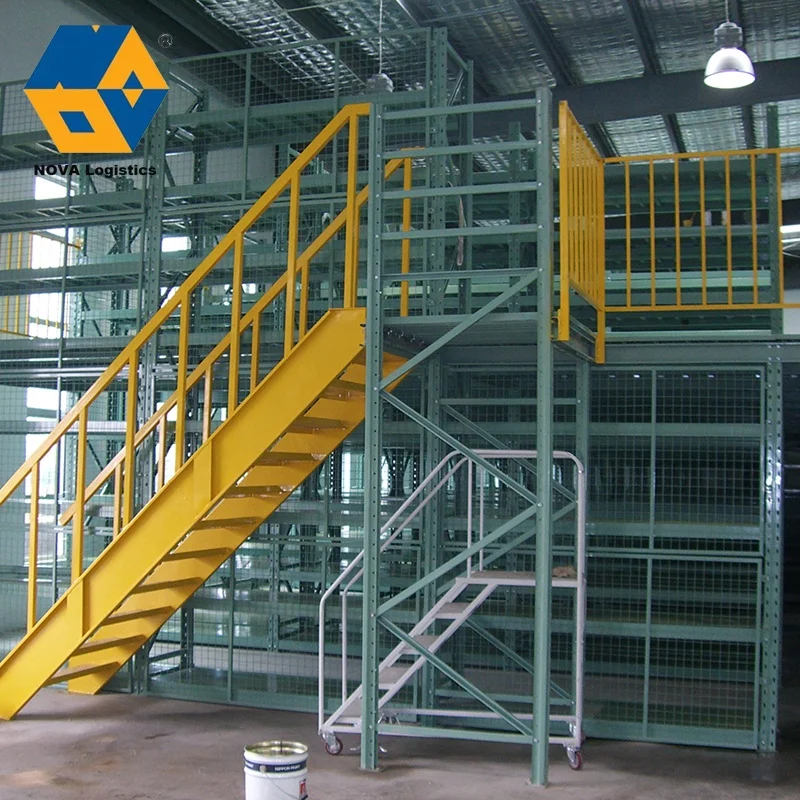
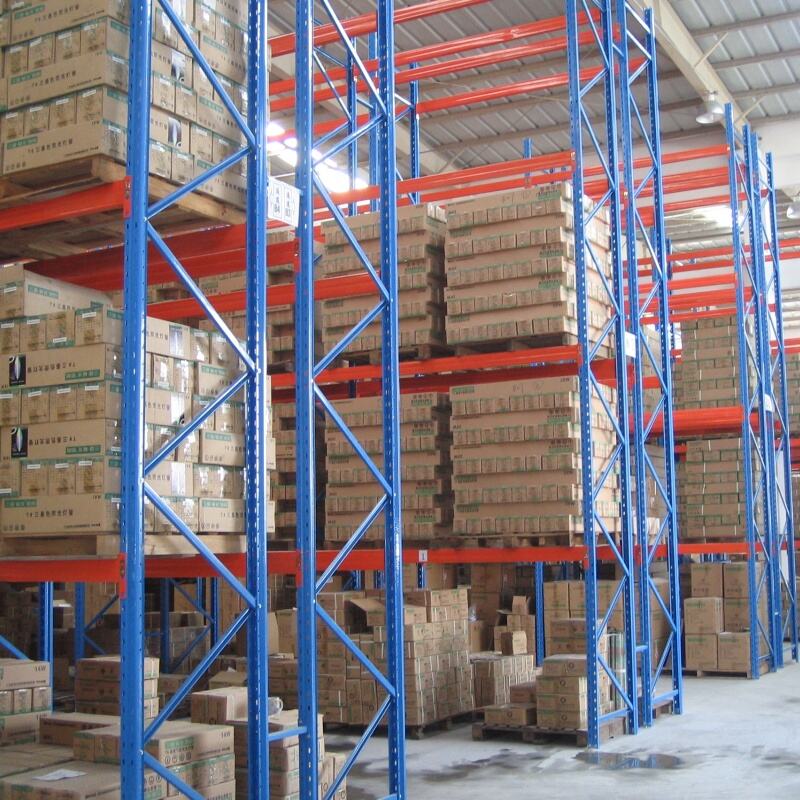
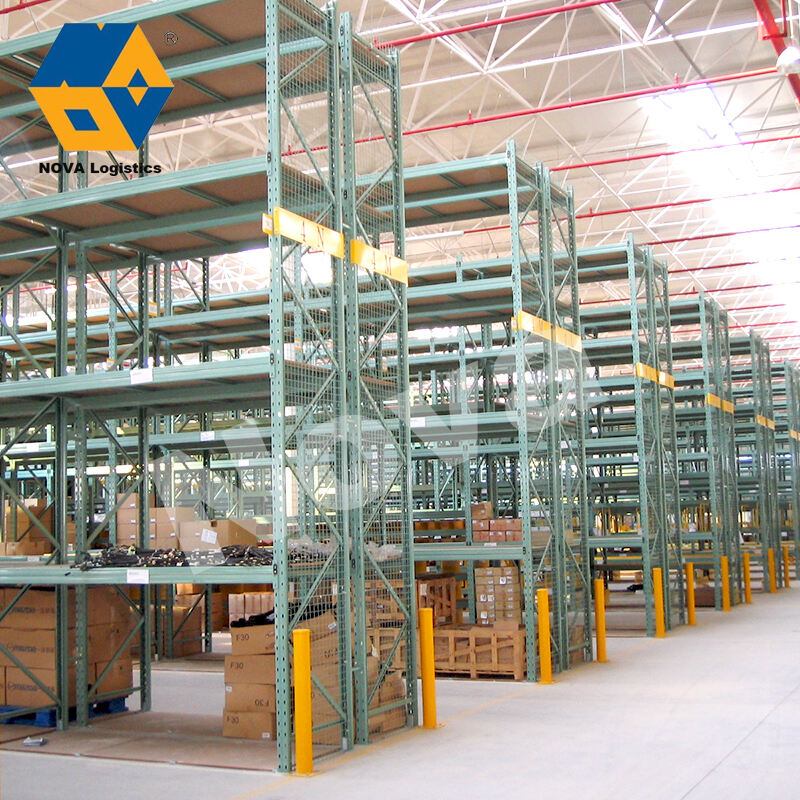
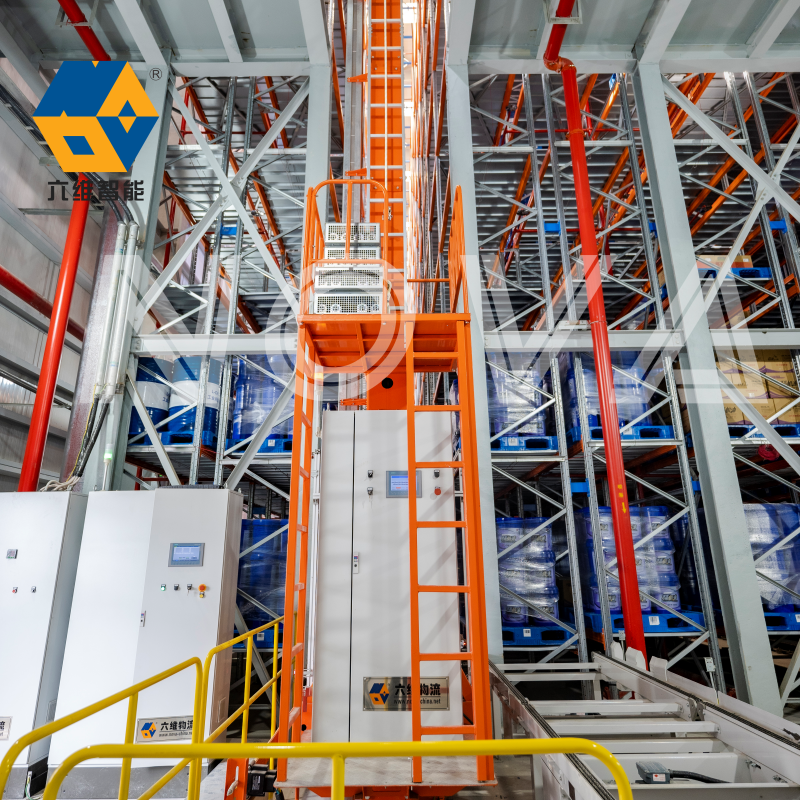
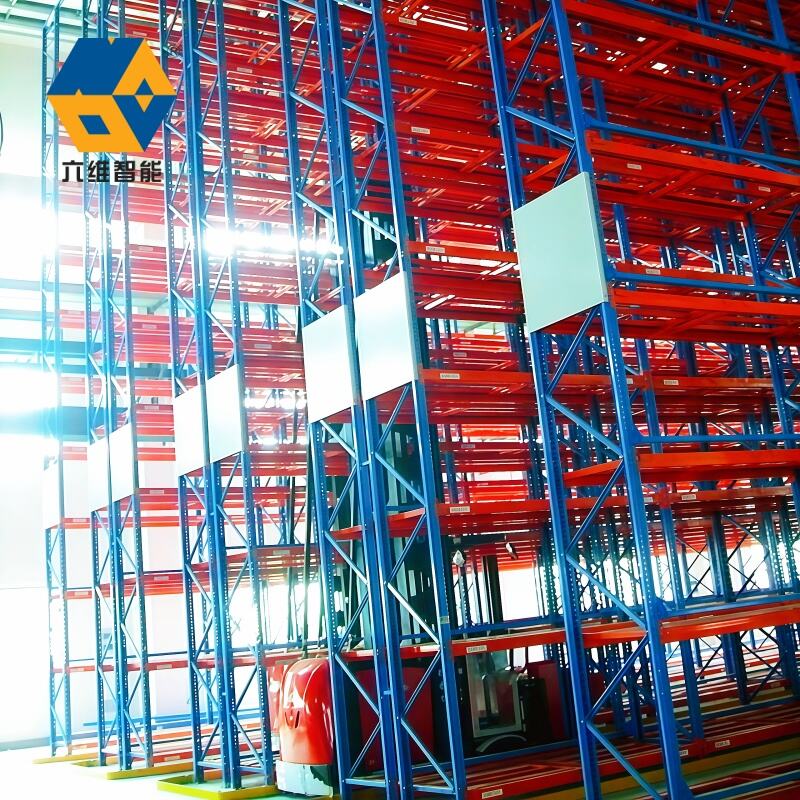
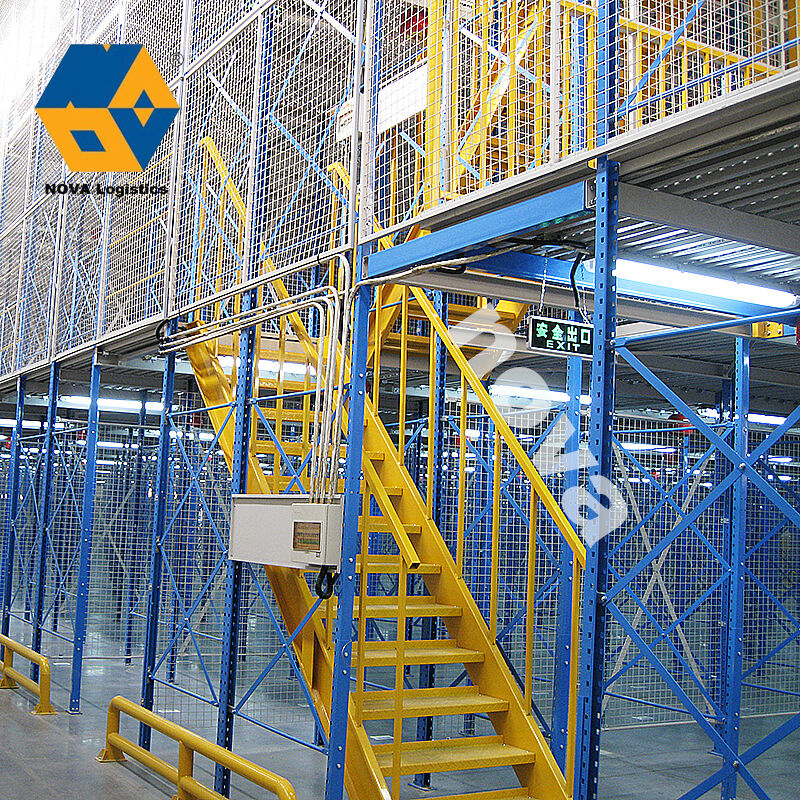
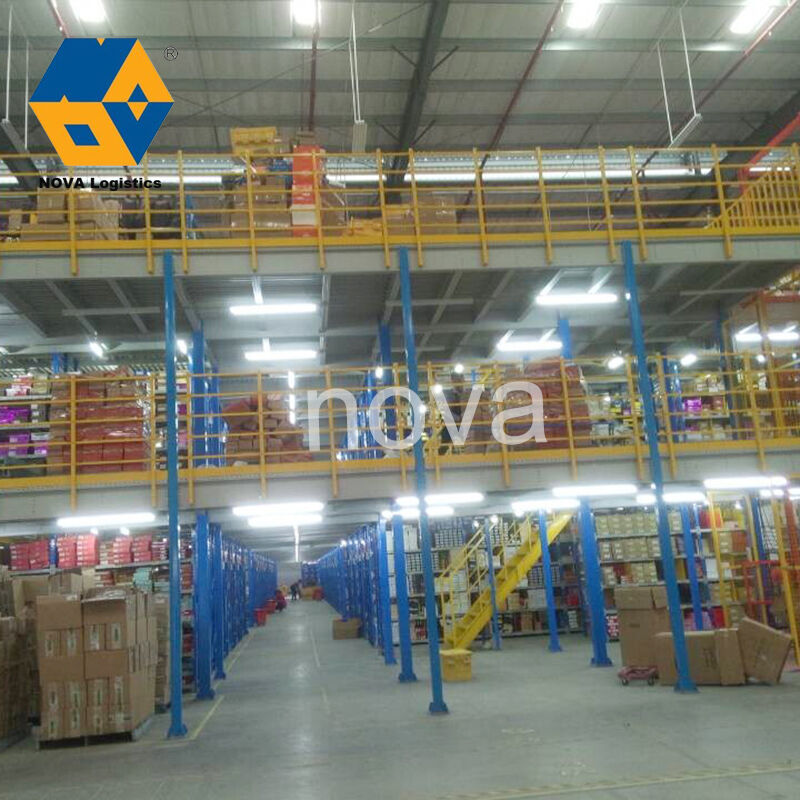
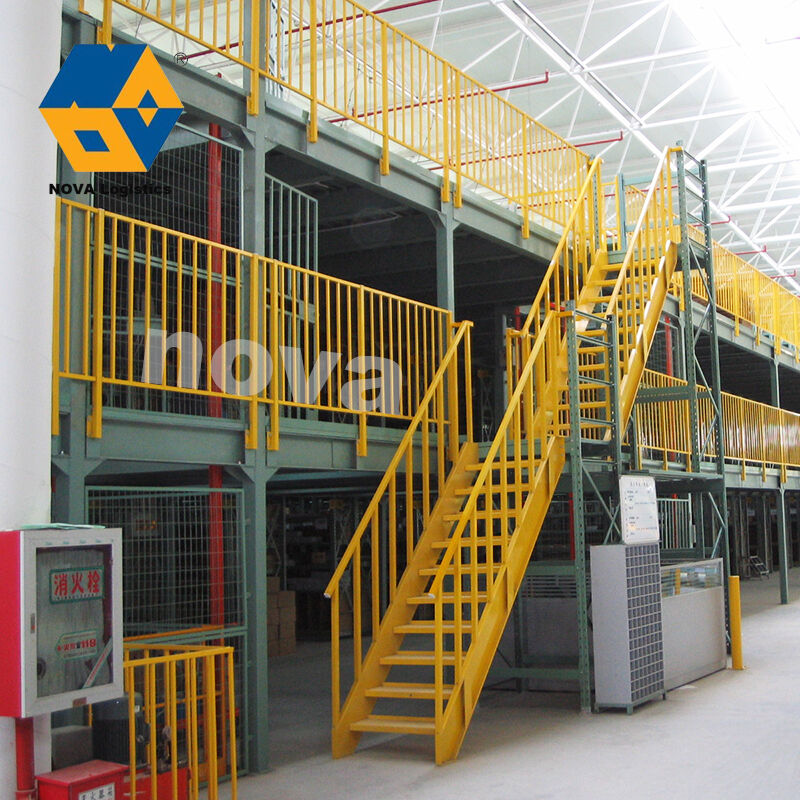
The pallet racking mezzanine floor demonstrates remarkable versatility across countless industry applications, adapting to unique operational requirements spanning manufacturing, distribution, retail, and specialized sectors. E-commerce fulfillment operations particularly benefit from these systems, as the multi-level configuration naturally separates bulk inventory storage from order picking and packing activities, creating efficient workflows that accelerate order processing cycles and improve delivery performance. Retail distribution centers utilize pallet racking mezzanine floor installations to manage seasonal inventory fluctuations, dedicating ground levels to core merchandise while upper platforms accommodate promotional items or seasonal products requiring temporary storage before distribution to store locations. Manufacturing facilities integrate these structures into production environments, storing raw materials and components on lower levels while upper mezzanines host sub-assembly operations, quality control stations, or finished goods staging areas that streamline material flow through production processes. Automotive parts distributors leverage the system's flexibility to organize extensive SKU inventories, categorizing fast-moving components for convenient access while positioning slower-turnover specialty parts in designated mezzanine sections. Pharmaceutical and healthcare logistics operations implement pallet racking mezzanine floor systems with climate-controlled upper levels for temperature-sensitive products while maintaining ambient storage below for stable inventory items. Food and beverage distributors appreciate the ability to segregate products by temperature requirements, rotation schedules, or regulatory classifications across different platform levels within unified facilities. Electronics and technology warehouses utilize upper mezzanine platforms for small, high-value components requiring secure, organized storage while dedicating ground levels to larger equipment and bulk packaging materials. Third-party logistics providers maximize client service capabilities by configuring distinct pallet racking mezzanine floor zones for different customers, creating dedicated storage and fulfillment areas within shared warehouse facilities. Document storage and archive management operations transform upper mezzanine levels into organized filing systems while maintaining ground-floor accessibility for frequent-access materials and administrative functions. The adaptability extends to hybrid applications where businesses combine storage with office space, break rooms, or training facilities on mezzanine platforms, maximizing building utility across operational and administrative functions. Installation in existing facilities proceeds with minimal disruption, as construction occurs above ongoing ground-level activities in most configurations. The pallet racking mezzanine floor supports both manual and automated operations, accommodating conveyor systems, sortation equipment, or robotic picking technologies that enhance productivity and accuracy. Businesses experiencing growth find these systems invaluable for scaling operations incrementally rather than facing disruptive relocations, adding mezzanine sections progressively as inventory levels and workforce requirements expand over time.

 EN
EN