Drive Through Pallet Racking Systems - High-Density Warehouse Storage Solutions

All Categories

Get a Free Quote

Our representative will contact you soon.
Email
Name
Company Name
Message
0/1000

drive through pallet racking

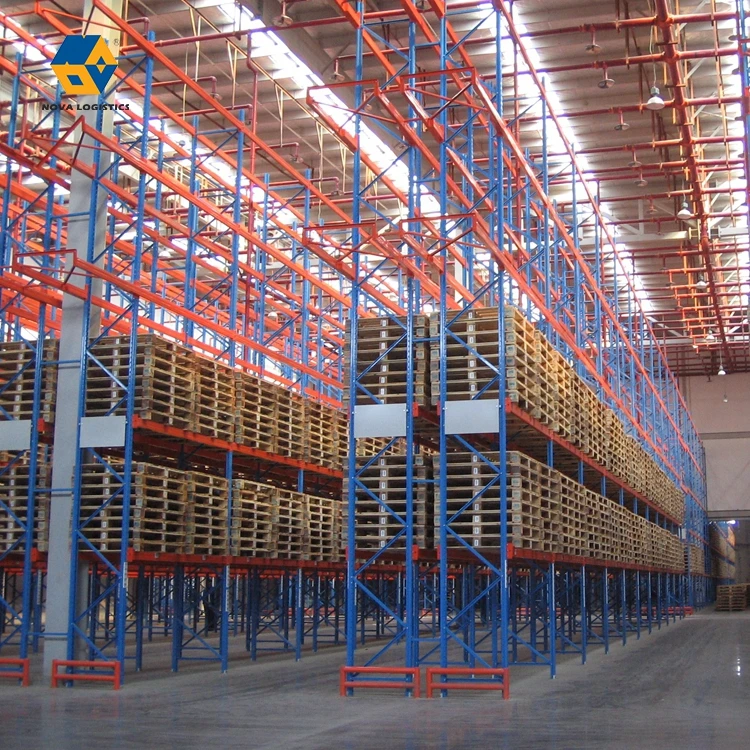
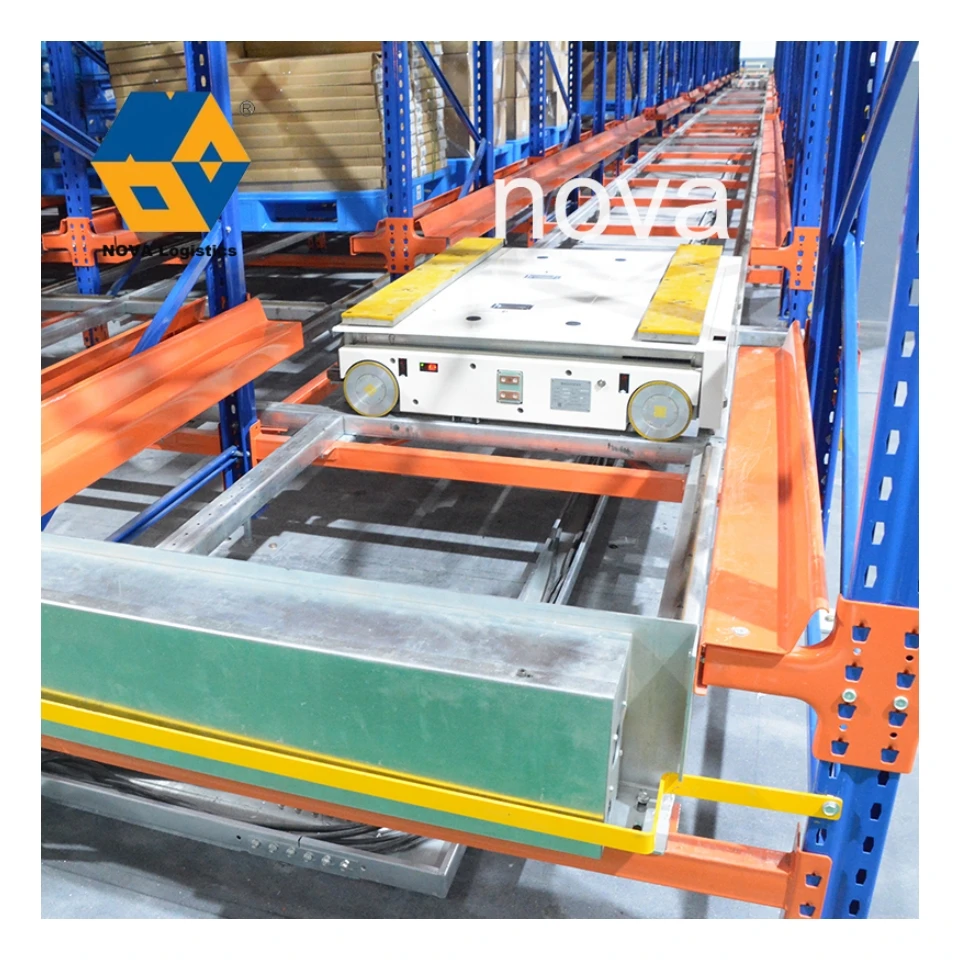
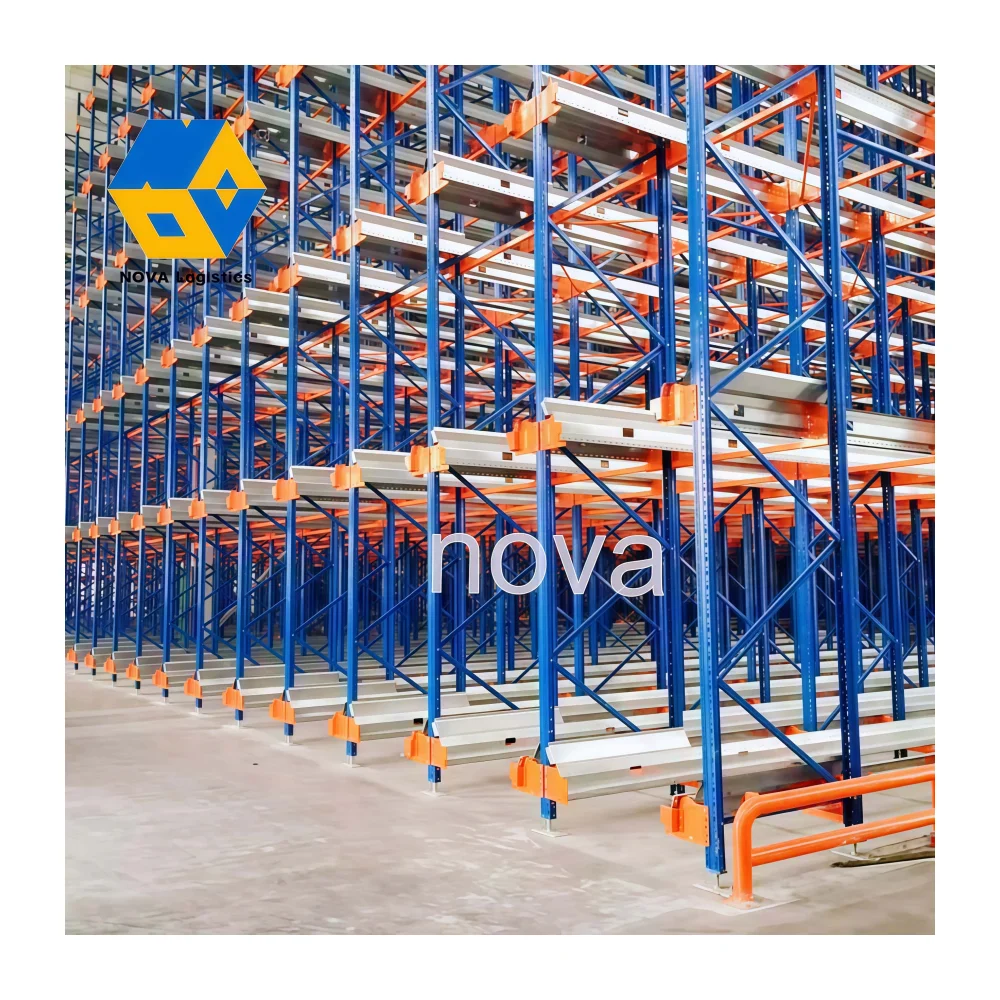
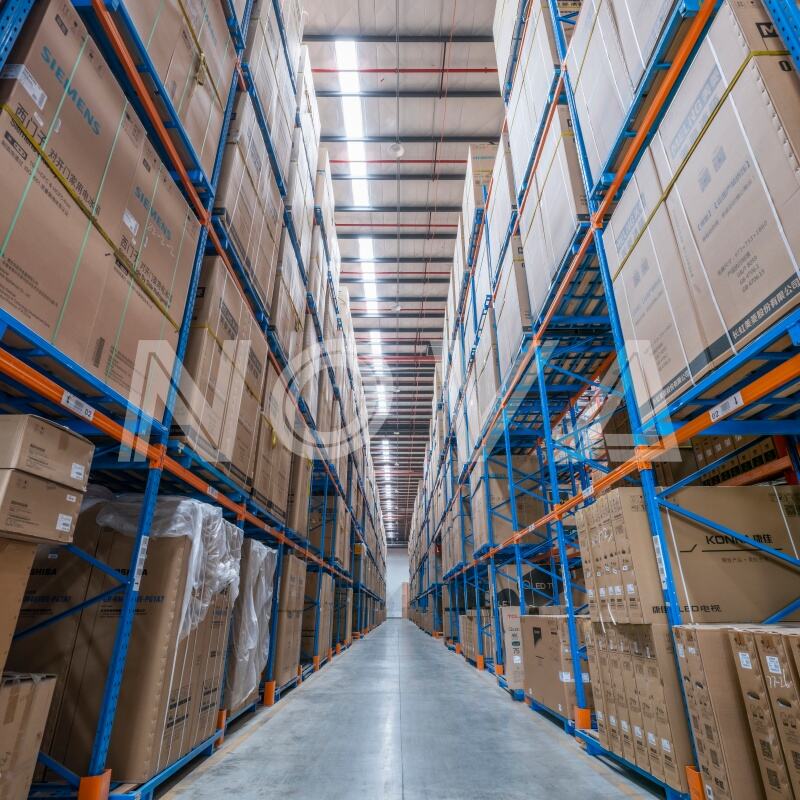
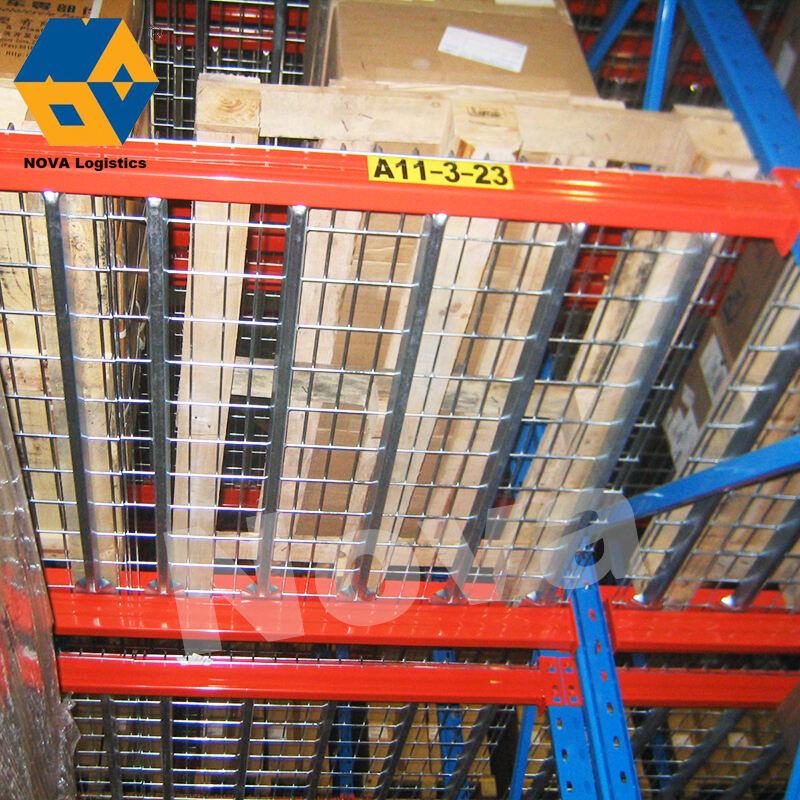
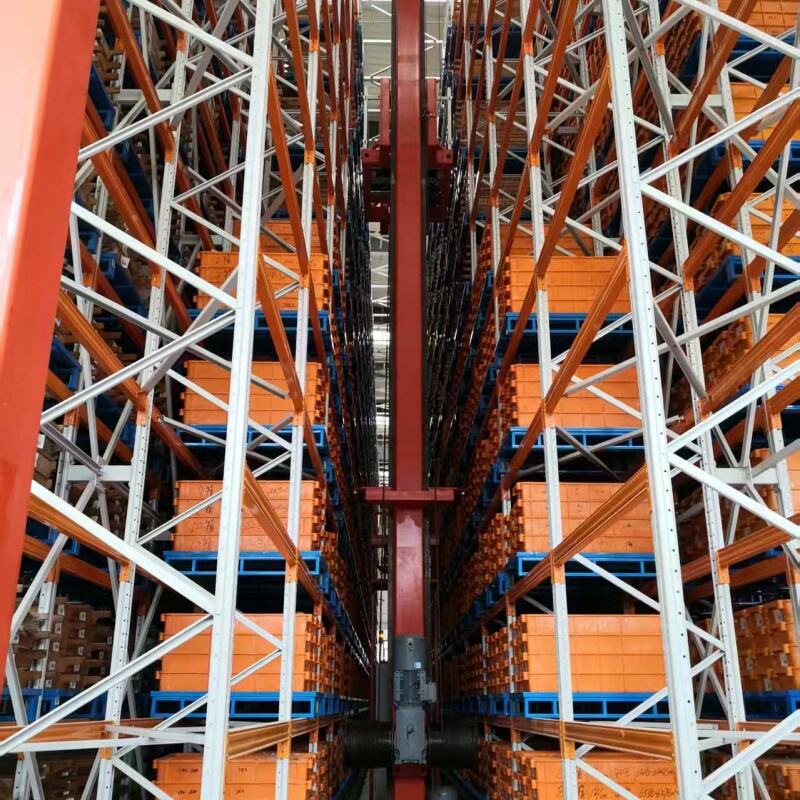
Drive through pallet racking represents an innovative high-density storage solution designed to maximize warehouse space utilization while minimizing operational costs. This specialized racking system eliminates traditional aisles between rack rows, allowing forklifts to drive directly into the rack structure to deposit or retrieve pallets. The drive through pallet racking configuration enables access from both ends of the storage lanes, making it ideal for facilities requiring efficient product flow and high-volume inventory management. The system operates on a first-in, first-out (FIFO) inventory management principle, ensuring optimal stock rotation for time-sensitive products. Structurally, drive through pallet racking consists of robust upright frames connected by horizontal rails that support pallets at multiple levels. The absence of front-facing beams in each storage lane creates continuous tunnels that accommodate multiple pallets positioned one behind another. This configuration typically supports storage depths ranging from three to ten pallets deep, depending on warehouse layout requirements and forklift capabilities. The technological design incorporates heavy-duty steel construction with precise engineering tolerances to ensure stability under substantial load conditions. Guide rails mounted along the aisles help forklift operators navigate safely within the rack structure, preventing accidental collisions with uprights or stored inventory. Modern drive through pallet racking systems feature modular components that facilitate easy installation, reconfiguration, and expansion as business needs evolve. Applications span numerous industries including food and beverage distribution, cold storage facilities, manufacturing plants, retail distribution centers, and pharmaceutical warehouses. These environments benefit particularly from the space-efficient design when managing large quantities of similar products with consistent dimensions. The system proves especially valuable in temperature-controlled environments where maximizing cubic storage capacity directly reduces climate control expenses. Companies handling seasonal products, bulk commodities, or fast-moving consumer goods find drive through pallet racking instrumental in optimizing their supply chain operations while maintaining accessibility to inventory throughout the storage cycle.

Popular Products

The primary advantage of drive through pallet racking lies in its exceptional space optimization capabilities that can increase storage capacity by up to 85 percent compared to conventional selective racking systems. By eliminating unnecessary aisles, businesses reclaim valuable floor space that can accommodate significantly more inventory within the same footprint. This density improvement translates directly into reduced facility costs, as companies can store more products without expanding their physical infrastructure or relocating to larger premises. The financial benefits extend beyond initial space savings, as higher density storage reduces per-unit warehousing costs, making operations more profitable and competitive. Operational efficiency improves substantially because drive through pallet racking streamlines material handling processes. Forklift operators can quickly deposit or retrieve multiple pallets along the same travel path, reducing travel time and increasing throughput. This efficiency gain becomes particularly significant in high-volume operations where every minute saved contributes to enhanced productivity. The system supports faster order fulfillment cycles, enabling businesses to respond more rapidly to customer demands and market fluctuations. Another compelling advantage involves improved inventory visibility and control. The structured lane configuration creates clearly defined storage locations that simplify inventory tracking and management. Warehouse managers can easily monitor stock levels, identify slow-moving products, and implement effective rotation strategies. The organized layout reduces picking errors and minimizes the risk of product damage during handling operations. For businesses managing temperature-sensitive goods, drive through pallet racking delivers substantial energy savings. The reduced aisle space means less cubic volume requires climate control, lowering electricity consumption in refrigerated or frozen storage environments. These energy reductions contribute to both cost savings and environmental sustainability objectives. The system also enhances workplace safety through its guided entry design. Forklift operators benefit from structured pathways that reduce navigation complexity and minimize accident risks. The robust construction withstands daily operational demands, ensuring long-term reliability with minimal maintenance requirements. Flexibility represents another key advantage, as the modular design allows businesses to adjust storage configurations as product portfolios evolve. Companies can modify lane depths, add vertical levels, or reconfigure sections without complete system overhauls. This adaptability protects capital investments and ensures the storage solution remains aligned with changing business requirements. The drive through pallet racking system also facilitates better space planning during facility design phases, enabling architects and warehouse planners to create more efficient layouts that maximize every square meter of available space while maintaining operational functionality.

Practical Tips

Which Pallet Rack Designs Fit Different Warehouse Applications Best?

20

May

Which Pallet Rack Designs Fit Different Warehouse Applications Best?

Selecting the right pallet rack design is one of the most consequential decisions a warehouse manager or logistics planner can make. The wrong configuration leads to wasted vertical space, inefficient picking workflows, and even serious safety risks....
View More
How Do Heavy Duty Rack Structures Improve Warehouse Safety?

20

May

How Do Heavy Duty Rack Structures Improve Warehouse Safety?

Warehouse safety is not an accidental outcome — it is the direct result of thoughtful infrastructure decisions. Among the most impactful of those decisions is the choice to invest in a properly engineered heavy duty rack system. These structures are ...
View More
What Makes a Longspan Rack Ideal for Medium- to Heavy-Duty Storage?

13

Jan

What Makes a Longspan Rack Ideal for Medium- to Heavy-Duty Storage?

Modern warehouses and industrial facilities face increasing pressure to optimize storage capacity while maintaining efficient access to inventory. The longspan rack has emerged as a versatile solution that bridges the gap between light-duty shelving ...
View More
How Do You Choose the Right Longspan Rack for Changing Inventory Types?

13

Jan

How Do You Choose the Right Longspan Rack for Changing Inventory Types?

Modern warehouses face constant challenges in adapting their storage systems to accommodate varying inventory types and fluctuating stock levels. A longspan rack system offers the versatility and adaptability needed to handle these dynamic requiremen...
View More

Get a Free Quote

Our representative will contact you soon.
Email
Name
Company Name
Message
0/1000

drive through pallet racking

Maximum Storage Density for Space-Constrained Operations

Maximum Storage Density for Space-Constrained Operations

Drive through pallet racking delivers unparalleled storage density that fundamentally transforms how businesses utilize their available warehouse space. This innovative system achieves remarkable space efficiency by eliminating the multiple aisles required in traditional racking configurations, instead creating continuous storage lanes accessible from both entry points. The resulting density improvements can reach up to 85 percent more storage capacity within identical floor dimensions compared to selective racking alternatives. This dramatic increase in volumetric efficiency proves invaluable for businesses operating in urban areas where real estate costs remain prohibitively expensive or for facilities facing space constraints that limit expansion opportunities. The economic implications extend far beyond simple square footage calculations. By maximizing existing space, companies avoid costly facility expansions, relocation expenses, or the need to lease additional warehouse locations. The capital preserved through these savings can be redirected toward business growth initiatives, technology investments, or competitive pricing strategies. For cold storage operations, the space efficiency delivers compounding benefits as reducing the conditioned environment volume directly lowers ongoing energy costs. A smaller refrigerated footprint requires less cooling capacity, resulting in reduced electricity consumption and lower carbon emissions. The system particularly benefits operations handling homogeneous products with high inventory turnover rates. Beverage distributors, for example, can store thousands of pallets containing identical SKUs in organized lanes that facilitate rapid replenishment cycles. Manufacturing facilities producing seasonal goods can stockpile finished products efficiently during peak production periods without requiring temporary off-site storage. The dense configuration also enhances security for high-value inventory by concentrating products in compact, easily monitored areas rather than dispersing them across extensive warehouse floors. Implementation requires careful planning to optimize lane depths and configurations based on specific product characteristics and handling equipment capabilities. Professional warehouse designers evaluate factors including pallet dimensions, product weight distribution, inventory turnover patterns, and forklift specifications to create customized solutions. The resulting system balances maximum density with practical operational requirements, ensuring accessibility remains sufficient for daily material handling activities while achieving targeted space utilization goals.
Enhanced Operational Efficiency Through Streamlined Workflow

Enhanced Operational Efficiency Through Streamlined Workflow

Drive through pallet racking revolutionizes warehouse operations by creating streamlined workflows that substantially reduce material handling time and labor costs. The system's continuous lane design enables forklift operators to complete multiple storage or retrieval tasks along a single travel path, eliminating the repetitive maneuvering required in conventional racking layouts. This workflow optimization translates into measurable productivity gains that enhance overall operational throughput. Studies demonstrate that well-implemented drive through pallet racking systems can reduce forklift travel distances by up to 50 percent compared to selective racking arrangements, directly impacting labor efficiency and equipment utilization rates. The time savings accumulate throughout daily operations, enabling warehouses to process higher volumes without proportional increases in staffing levels. This efficiency advantage becomes critically important during peak demand periods when operational capacity determines revenue potential. Distribution centers serving retail clients during holiday seasons or agricultural operations handling harvest surges benefit tremendously from the accelerated handling capabilities. The structured lane configuration also simplifies training processes for new forklift operators. The clearly defined entry and exit points, combined with guidance rails, create intuitive navigation paths that reduce learning curves and minimize operational errors. Experienced operators appreciate the predictable layout that allows them to develop efficient movement patterns and optimize their individual productivity. Beyond immediate handling efficiency, drive through pallet racking supports superior inventory management practices. The lane-based organization creates natural product groupings that facilitate batch picking, cycle counting, and stock rotation procedures. Warehouse management systems can easily integrate with the physical layout, enabling real-time inventory tracking and automated replenishment triggers. The system's design naturally supports first-in, first-out inventory rotation, crucial for managing perishable goods, date-sensitive products, or items subject to obsolescence. This rotation capability helps businesses minimize waste, reduce write-offs, and maintain product quality standards throughout the distribution cycle. The operational benefits extend to maintenance and safety considerations. The robust construction withstands intensive daily use with minimal wear, reducing downtime for repairs and prolonging equipment lifespan. The guided pathways enhance workplace safety by reducing collision risks and creating predictable traffic patterns that prevent accidents. These safety improvements contribute to lower insurance costs, reduced worker compensation claims, and improved employee morale through enhanced working conditions.
Versatile Applications Across Diverse Industry Requirements

Versatile Applications Across Diverse Industry Requirements

Drive through pallet racking demonstrates remarkable versatility in addressing storage challenges across a wide spectrum of industries, each with unique operational requirements and constraints. The system's adaptable design accommodates diverse product types, handling frequencies, and environmental conditions, making it suitable for applications ranging from ambient warehousing to ultra-low temperature frozen storage. Cold storage and frozen food facilities represent primary beneficiaries of drive through pallet racking technology. These operations face dual challenges of maximizing storage capacity while minimizing the expensive conditioned space requiring continuous climate control. The high-density configuration reduces the total cubic volume needing refrigeration or freezing, delivering substantial ongoing energy savings. Food distributors storing bulk quantities of identical products like frozen vegetables, meat products, or prepared meals utilize the system to maintain large safety stocks while ensuring efficient product rotation. The pharmaceutical industry leverages drive through pallet racking for storing bulk raw materials, packaging components, and finished products requiring controlled environmental conditions. The organized lane structure facilitates batch tracking and supports regulatory compliance requirements for lot traceability and expiration date management. Manufacturing operations employ the system for work-in-progress storage, component staging areas, and finished goods warehouses. Automotive parts suppliers, electronics manufacturers, and consumer goods producers benefit from the ability to store large quantities of components or finished products awaiting shipment. The system supports just-in-time manufacturing philosophies by maintaining substantial on-site inventories in compact footprints located adjacent to production lines. Retail distribution centers serving multiple store locations utilize drive through pallet racking for fast-moving products with predictable demand patterns. The high-density storage enables these facilities to maintain deep inventory buffers that prevent stockouts while supporting rapid replenishment cycles. Beverage distributors particularly favor the system for storing palletized cases of soft drinks, beer, water, and other high-volume products. Seasonal businesses including agricultural processors, holiday decoration suppliers, and recreational equipment retailers depend on drive through pallet racking to manage dramatic inventory fluctuations throughout annual cycles. The system accommodates peak inventory volumes during production or import seasons without requiring year-round facility costs for underutilized space. Import operations and port-adjacent warehouses employ the system for temporary storage of containerized goods awaiting distribution. The configuration supports efficient unloading of shipping containers and organized staging for downstream transportation. The system's modularity enables customization for specific industry requirements, including specialized coatings for corrosive environments, adjustable bay heights for varying pallet sizes, and integration with automated material handling equipment for advanced warehouse automation initiatives.


Get a Free Quote

Our representative will contact you soon.
Email
Name
Company Name
Message
0/1000

Get a Free Quote

Our representative will contact you soon.
Email
Name
Company Name
Message
0/1000