Warehouse Storage Rack System Solutions - Maximize Space & Efficiency

All Categories

Get a Free Quote

Our representative will contact you soon.
Email
Name
Company Name
Message
0/1000

warehouse storage rack system

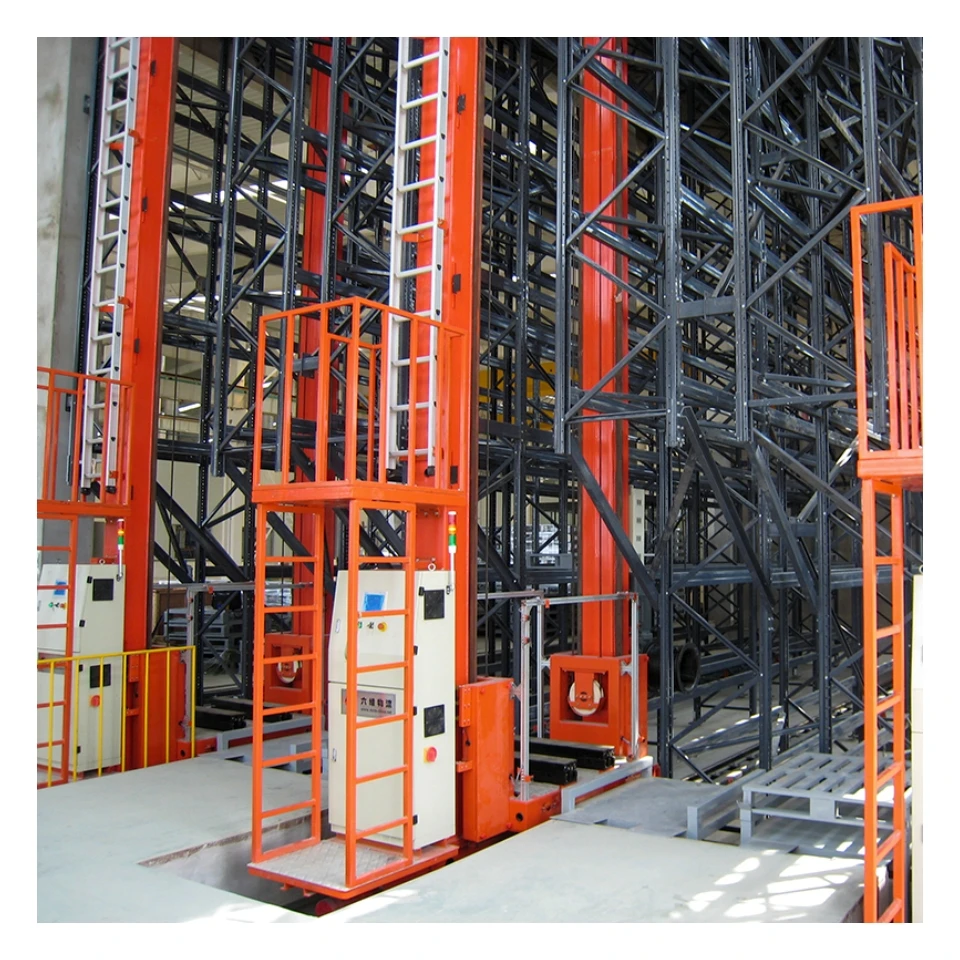
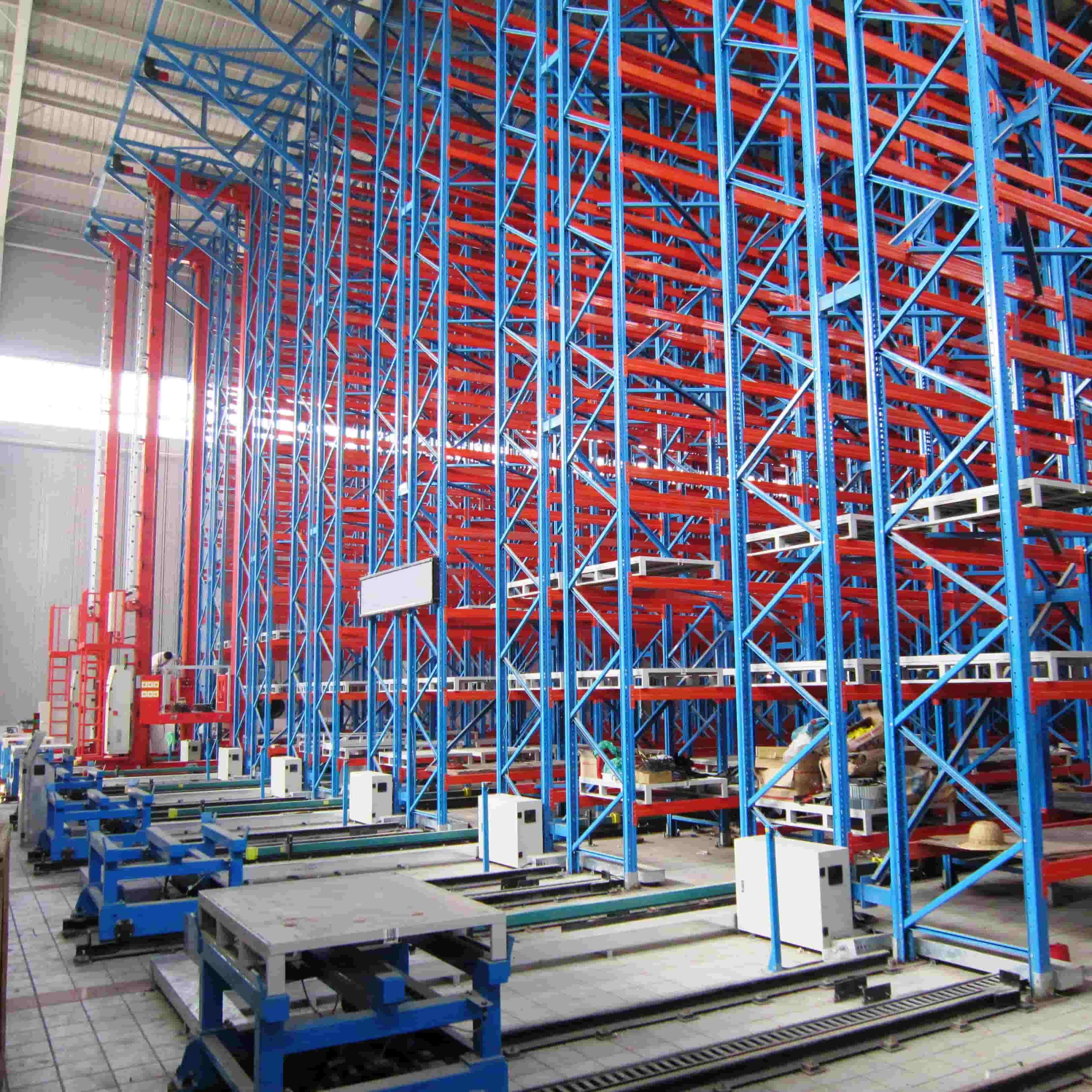
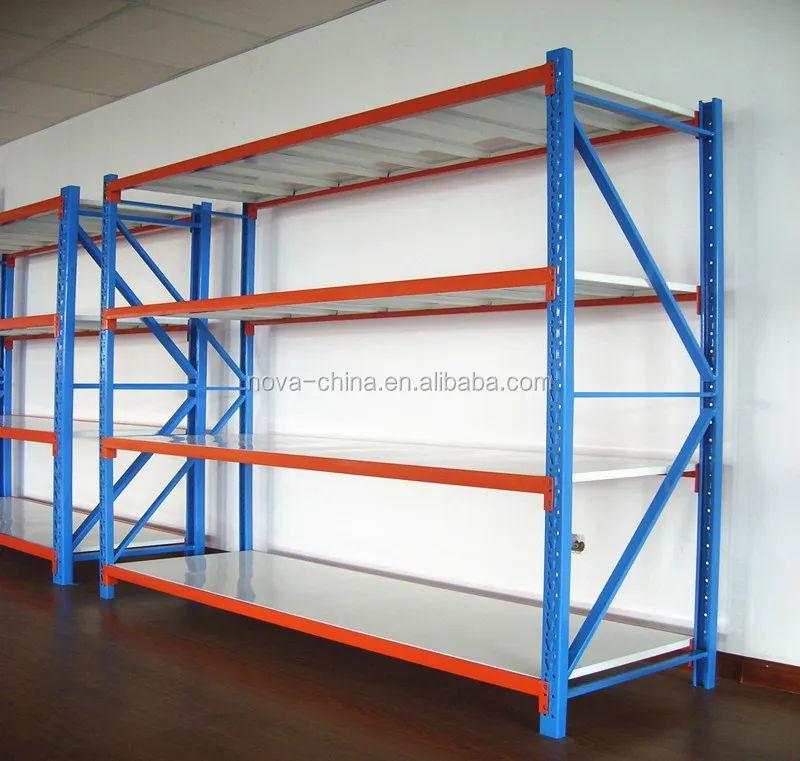
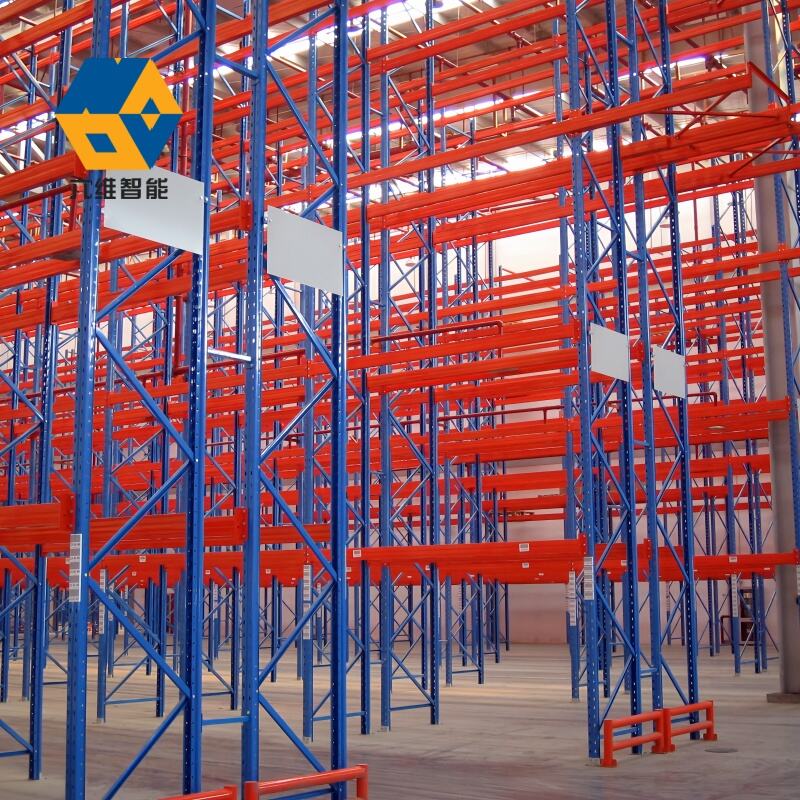
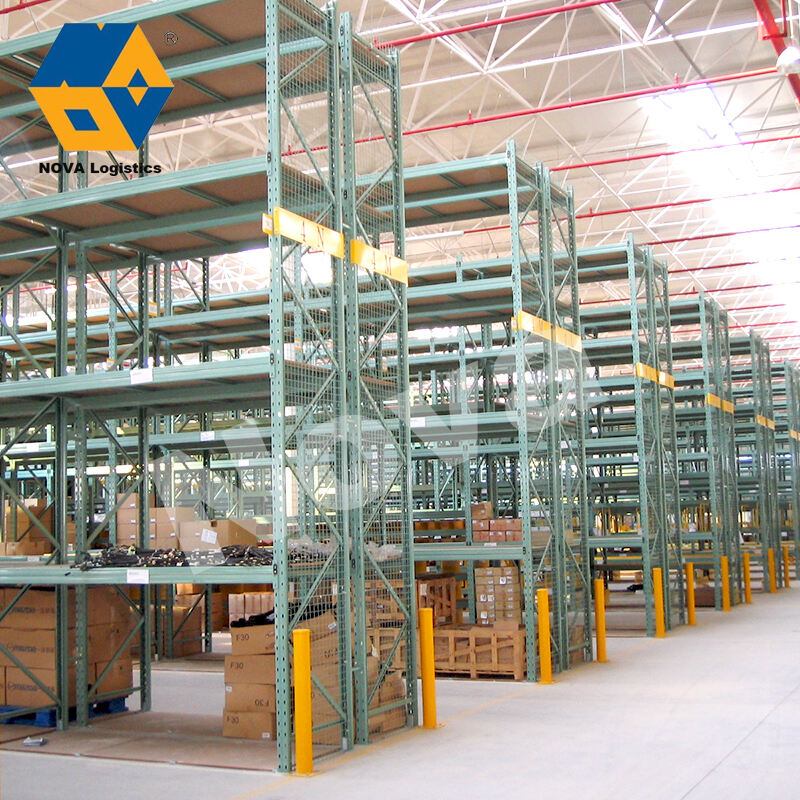
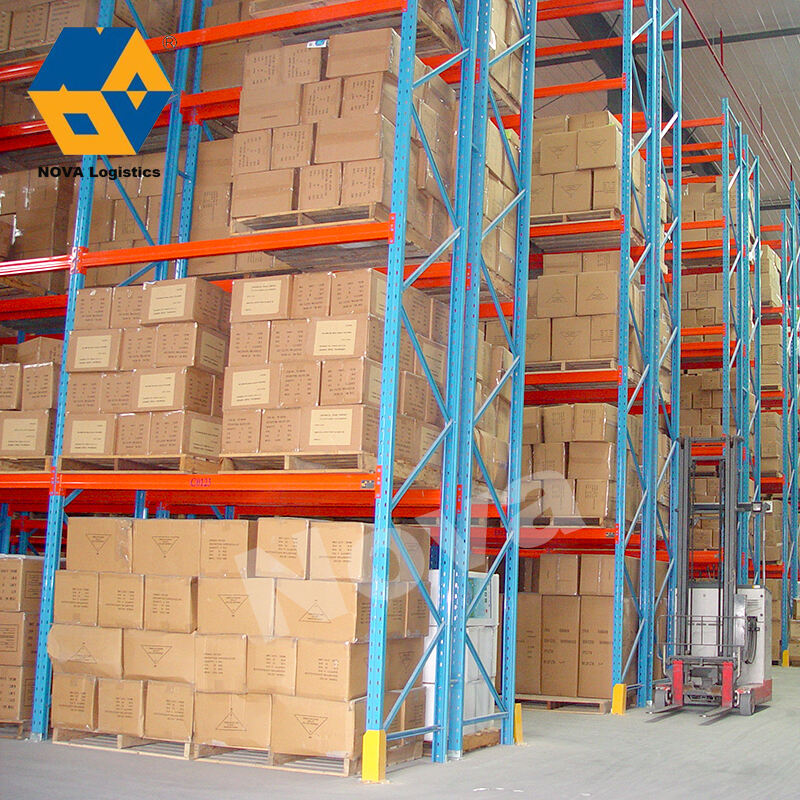
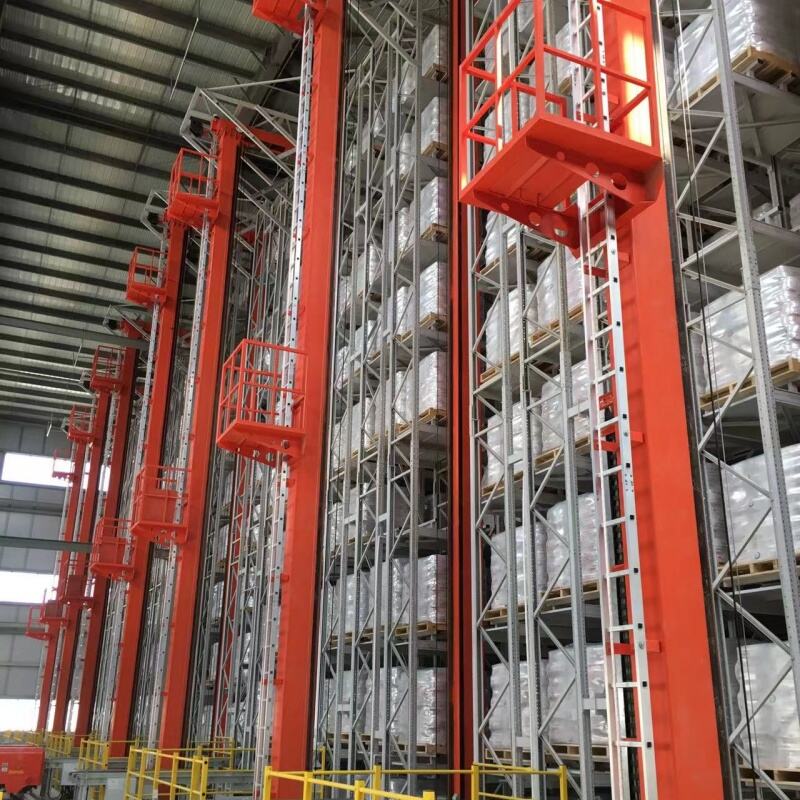
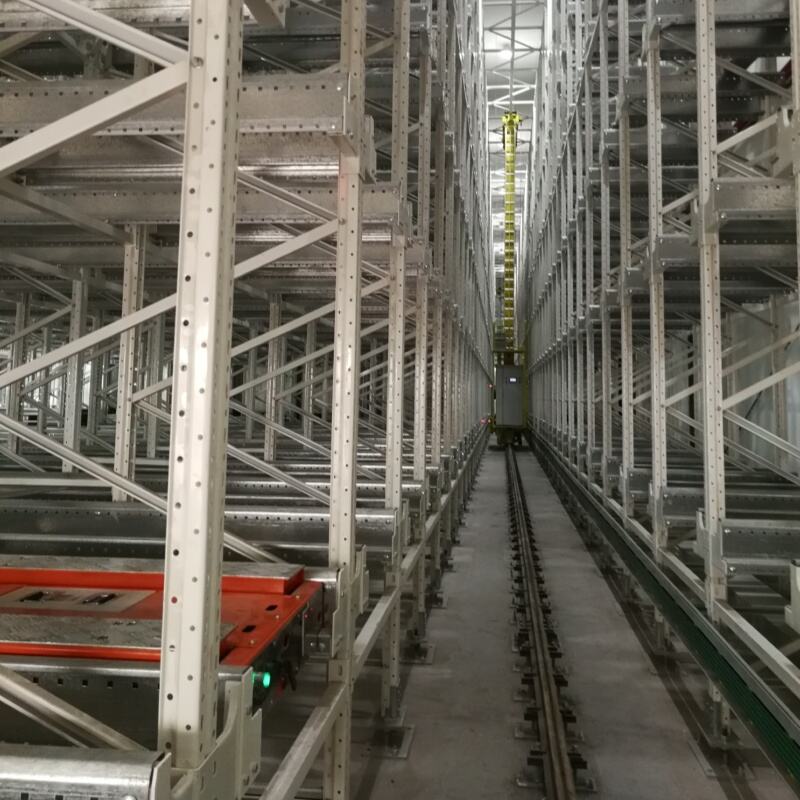
A warehouse storage rack system represents a fundamental infrastructure component designed to maximize vertical space utilization while organizing inventory efficiently within distribution centers, manufacturing facilities, and commercial warehouses. This comprehensive solution encompasses various structural configurations, including selective pallet racks, drive-in systems, push-back mechanisms, and cantilever designs, each engineered to accommodate specific storage requirements and operational workflows. The primary functions of a warehouse storage rack system extend beyond simple product placement, incorporating advanced load distribution capabilities, accessibility optimization, and inventory management facilitation. These systems feature precision-engineered steel construction with adjustable beam levels, allowing businesses to customize shelf heights according to product dimensions and storage density requirements. Technological features integrated into modern warehouse storage rack systems include seismic reinforcement for enhanced safety, corrosion-resistant powder coating finishes for longevity, and modular component designs that enable rapid reconfiguration as business needs evolve. The structural integrity relies on vertical uprights connected by horizontal load beams, with wire decking or solid shelving panels providing stable product support surfaces. Applications span diverse industry sectors, from automotive parts distribution centers requiring heavy-duty cantilever racks for long components, to pharmaceutical facilities needing climate-controlled selective racking with narrow aisle configurations. Food and beverage operations benefit from first-in-first-out flow rack systems, while e-commerce fulfillment centers utilize high-density mobile racking to maximize picking efficiency. The warehouse storage rack system integrates seamlessly with material handling equipment including forklifts, reach trucks, and automated guided vehicles, creating cohesive storage ecosystems. Safety features such as column protectors, frame anchoring systems, and load capacity indicators ensure compliance with occupational health standards while protecting both personnel and inventory investments throughout daily operations.


New Product Recommendations

Implementing a warehouse storage rack system delivers immediate space optimization benefits by transforming underutilized vertical dimensions into productive storage areas, effectively doubling or tripling capacity without expanding facility footprints or incurring expensive real estate costs. This vertical expansion capability allows businesses to store more inventory within existing buildings, postponing costly warehouse additions or relocations while accommodating business growth organically. The organizational clarity provided by structured racking eliminates chaotic floor stacking practices, creating designated locations for every product category and enabling workers to locate items quickly without wasting time searching through disorganized piles. Improved inventory visibility means management can accurately track stock levels, reduce carrying costs associated with overstocking, and prevent revenue losses from understocking situations that disappoint customers. The warehouse storage rack system enhances workplace safety by establishing clear traffic aisles separated from storage zones, reducing collision risks between moving equipment and stationary inventory while providing stable elevated storage that prevents product avalanches common with unstable stacking methods. Employee productivity increases substantially when workers navigate well-organized facilities with logical product placement schemes, spending more time fulfilling orders and less time wandering confusing layouts. The adaptable nature of quality racking systems means businesses avoid obsolescence as product lines evolve, simply adjusting beam heights or adding components rather than replacing entire installations when inventory profiles change. Cost efficiency emerges from reduced product damage rates, as properly supported items on stable shelving experience fewer handling incidents compared to ground-level stacking where bottom layers suffer compression damage from weight overhead. Insurance premiums often decrease when facilities demonstrate professional storage practices with certified racking systems that meet industry standards, as insurers recognize lower risk profiles in well-organized warehouses. The systematic approach to storage facilitated by racking systems supports accurate inventory counts during cycle counting and annual audits, improving financial reporting accuracy and reducing discrepancies that require time-consuming investigations. Climate control efficiency improves in facilities using warehouse storage rack systems because organized airflow patterns around structured aisles distribute heating and cooling more effectively than chaotic stacking arrangements that create dead zones and temperature inconsistencies. The professional appearance of organized facilities with quality racking systems impresses visiting clients and business partners, projecting operational competence that strengthens commercial relationships and competitive positioning in the marketplace.

Latest News

How Does a Rack System Support Better Warehouse Safety Standards?

20

May

How Does a Rack System Support Better Warehouse Safety Standards?

Warehouse safety is a critical operational priority for any facility that handles significant volumes of inventory, equipment, or materials. At the center of most modern warehouse safety strategies is the rack system — a structural solution that orga...
View More
Which Heavy Duty Rack Configurations Suit Different Industries?

20

May

Which Heavy Duty Rack Configurations Suit Different Industries?

Choosing the right heavy duty rack configuration is one of the most consequential decisions a warehouse manager or operations director can make. The wrong choice leads to wasted floor space, inefficient picking workflows, and safety risks that compou...
View More
Comparing Heavy Duty Racks with Standard Pallet Rack Systems

16

Mar

Comparing Heavy Duty Racks with Standard Pallet Rack Systems

When it comes to optimizing warehouse storage capacity and operational efficiency, selecting the right pallet racking system becomes a critical decision that impacts both immediate functionality and long-term profitability. The choice between heavy d...
View More
What Are Essential Safety Tips for Installing a Steel Platform?

16

Mar

What Are Essential Safety Tips for Installing a Steel Platform?

Industrial facilities worldwide rely on steel platforms to maximize vertical storage space and improve operational efficiency. These robust structures serve as elevated work areas, storage solutions, and access points in warehouses, manufacturing pla...
View More

Get a Free Quote

Our representative will contact you soon.
Email
Name
Company Name
Message
0/1000

warehouse storage rack system

Maximum Space Utilization Through Vertical Storage Expansion

Maximum Space Utilization Through Vertical Storage Expansion

The most compelling advantage of implementing a warehouse storage rack system lies in its ability to unlock unused vertical space that represents the largest untapped capacity resource in most facilities. Traditional floor-level storage patterns utilize only the bottom few feet of available building height, leaving vast cubic footage completely wasted despite businesses paying heating, cooling, and maintenance costs for that entire volume. By installing properly engineered racking structures, operations immediately access storage capacity extending upward to safe working heights, typically between 20 and 40 feet depending on building specifications and material handling equipment capabilities. This vertical expansion happens without any construction costs, permit requirements, or business interruptions associated with horizontal expansion projects that require purchasing adjacent land, pouring new foundations, or erecting additional building structures. The financial implications prove substantial when comparing vertical optimization through a warehouse storage rack system against alternatives like leasing additional warehouse space in separate locations, which introduces duplicate overhead costs including separate utilities, staffing, security systems, and management attention. Furthermore, operating inventory across multiple dispersed locations creates logistical complexities with increased transportation costs for inter-facility transfers and diminished ability to fulfill orders quickly when stock sits miles away from packing stations. The space multiplication achieved through vertical racking directly impacts profitability by enabling businesses to accept more clients, stock broader product ranges, or maintain deeper safety stock levels without corresponding increases in occupancy expenses. Retailers benefit by consolidating seasonal merchandise storage within existing facilities rather than renting temporary overflow space during peak periods, while manufacturers gain capacity to store raw materials and finished goods simultaneously without choosing between production inputs and completed inventory. The warehouse storage rack system design incorporates weight distribution calculations ensuring floor loading remains within safe limits even when maximizing vertical storage density, with load ratings clearly marked on each beam level so operators understand exact capacity limitations. This engineered approach to space utilization transforms warehouses from simple covered storage areas into sophisticated three-dimensional inventory matrices where every cubic foot contributes to operational capacity rather than representing wasted potential.
Enhanced Operational Efficiency and Inventory Management Precision

Enhanced Operational Efficiency and Inventory Management Precision

A professionally designed warehouse storage rack system fundamentally transforms inventory management from an approximate guessing exercise into a precise science with specific locations assigned to every stock keeping unit throughout the facility. This locational specificity eliminates the common warehouse problem where employees spend excessive time wandering aisles searching for products because items lack designated homes and get placed wherever space appears available during receiving operations. With structured racking implementing logical location codes, often following alphanumeric schemes identifying aisle numbers, rack sections, shelf levels, and bin positions, workers receive pick lists with exact coordinates leading them directly to required items without detective work. The time savings compound dramatically across hundreds or thousands of daily picking operations, converting wasted search minutes into productive fulfillment activities that accelerate order processing and enable facilities to handle higher transaction volumes without proportional labor increases. Inventory accuracy improves simultaneously as the warehouse storage rack system supports cycle counting programs where designated locations get audited regularly, with discrepancies immediately apparent when physical counts differ from system records for specific addresses. This precision prevents the common scenario where computer systems indicate stock availability while actual inventory sits damaged, misplaced, or otherwise unavailable, leading to disappointed customers and emergency reorder costs when shortages appear unexpectedly. The organizational structure provided by racking systems enables effective first-in-first-out rotation practices critical for dated products including foods, pharmaceuticals, chemicals, and any goods with shelf life considerations, as workers can easily identify and select older stock positioned at front positions before accessing newer inventory behind. Product protection improves within a warehouse storage rack system compared to floor stacking because items rest on stable shelving platforms rather than balancing precariously in tall ground-level stacks where bottom products suffer crushing damage and entire columns risk toppling when unstable. The elevation provided by racking also protects inventory from floor-level threats including water intrusion from cleaning operations or facility leaks, forklift collisions during nearby maneuvering, and contamination from debris that accumulates at ground level despite regular sweeping. Material handling efficiency increases as forklift operators navigate clearly defined aisles with standardized widths appropriate for equipment turning radiuses, eliminating the improvised pathways through floor-stacked inventory that create bottlenecks and collision hazards during busy periods when multiple vehicles operate simultaneously.
Scalability and Long-Term Investment Value for Growing Operations

Scalability and Long-Term Investment Value for Growing Operations

The warehouse storage rack system delivers exceptional long-term investment value through its inherent scalability that accommodates business evolution without requiring complete system replacements as operational needs change over time. Unlike fixed infrastructure investments that lock businesses into specific configurations, quality modular racking systems feature interchangeable components allowing expansions, reconfigurations, and adaptations that keep pace with inventory profile changes, seasonal fluctuations, and strategic business pivots. When companies introduce new product lines with different dimensional requirements, they simply adjust beam positions within existing frames or add specialized accessories rather than discarding functional equipment and purchasing entirely new systems. This adaptability proves particularly valuable for businesses experiencing growth phases, as initial racking installations can start conservatively within budget constraints and expand incrementally as revenue increases, spreading capital expenditures across multiple fiscal periods rather than demanding large upfront investments that strain financial resources. The standardized engineering behind professional warehouse storage rack systems means components from reputable manufacturers maintain compatibility across product generations, so expansions years after initial installation integrate seamlessly with original structures without compatibility issues that plague proprietary systems. Businesses also maintain flexibility to reconfigure layouts when operational strategies shift, perhaps converting selective racking to higher-density systems as product velocity patterns become clearer or subdividing pallet positions into carton storage as direct-to-consumer shipping grows relative to wholesale pallet movements. The durability of properly manufactured racking systems provides decades of service life when maintained appropriately, with powder-coated finishes resisting rust and structural steel maintaining load-bearing integrity far longer than wooden shelving alternatives that warp, crack, and weaken over time. This longevity transforms the warehouse storage rack system from an expense into a capital asset that retains substantial residual value, with used racking components commanding strong secondary market prices when businesses eventually outgrow facilities or change directions entirely. The safety certifications and engineering documentation accompanying quality racking systems facilitate facility transfers if businesses relocate, as new landlords and insurance providers recognize compliant installations that meet industry standards rather than questioning improvised storage solutions that might violate codes. Return on investment calculations for warehouse storage rack systems typically show payback periods under two years when accounting for space optimization benefits, labor efficiency gains, and inventory protection improvements, making these installations among the most financially justifiable infrastructure investments businesses undertake.

Get a Free Quote

Our representative will contact you soon.
Email
Name
Company Name
Message
0/1000

Get a Free Quote

Our representative will contact you soon.
Email
Name
Company Name
Message
0/1000